



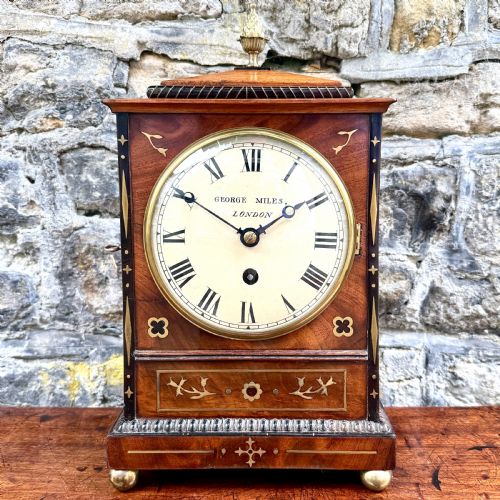
English Georgian Desk
An english georgian desk brings centuries of cabinet-making heritage directly into a study, offering functional writing surfaces alongside period character.
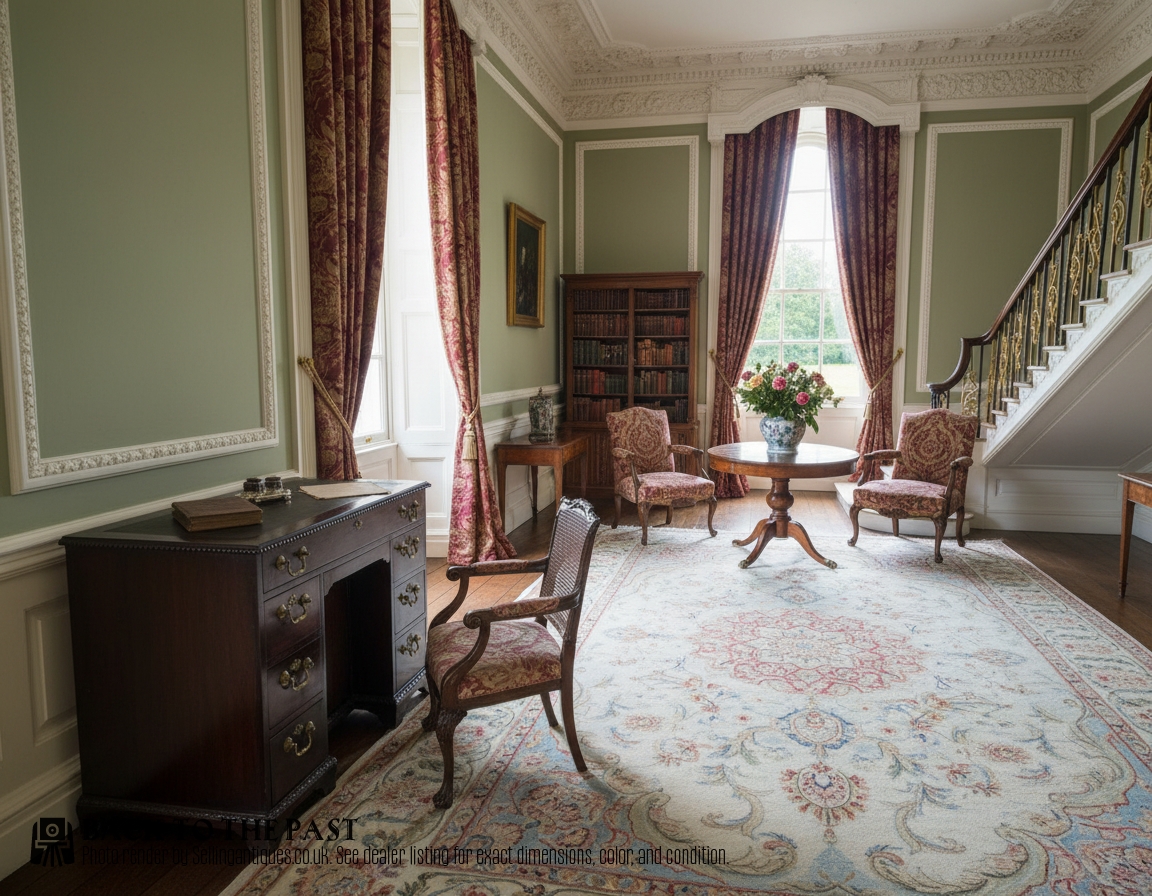
English Georgian Desk
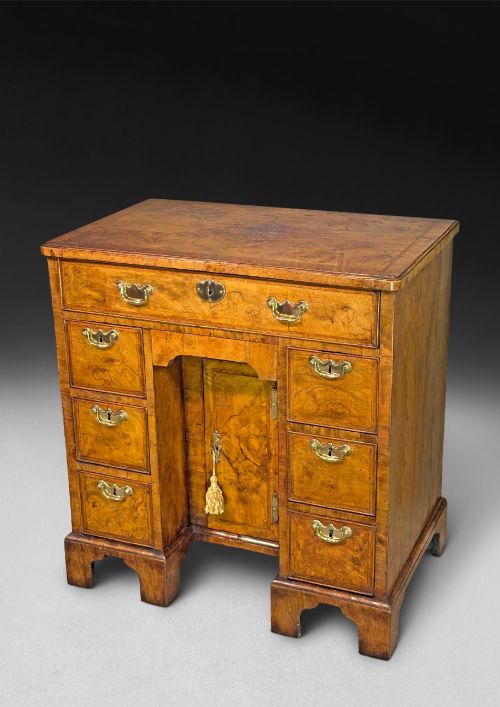
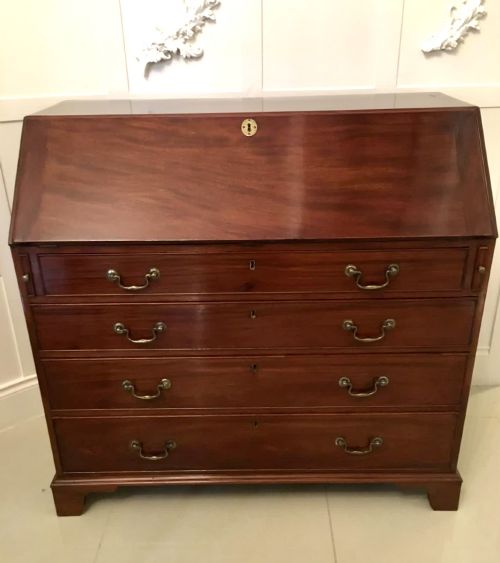
When searching for an english georgian desk, buyers encounter forms ranging from fall-front bureaux and kneehole desks to compact lowboys and partners desks. These items date primarily from the eighteenth and early nineteenth centuries, encompassing George I, George II, and George III periods.
Origins trace across English workshops, utilising regional timbers and traditional joinery methods established during the Georgian era and later revisited during the Georgian Revival.
How they were made
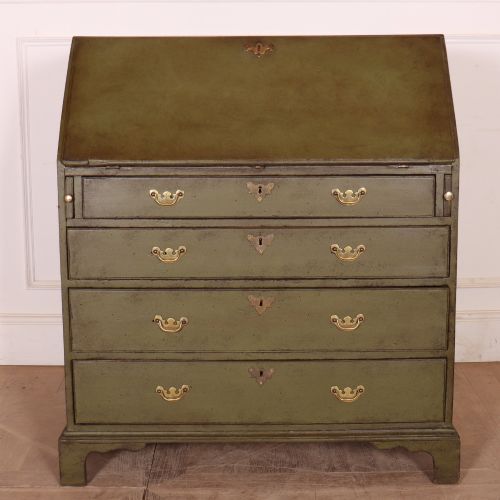
Cabinet makers constructed these desks using solid native and imported timbers, principally mahogany, oak, walnut, and yew wood, often accented with brass handles and escutcheons. Secondary woods such as ash and elm frequently appear in drawer linings and country-made variants.
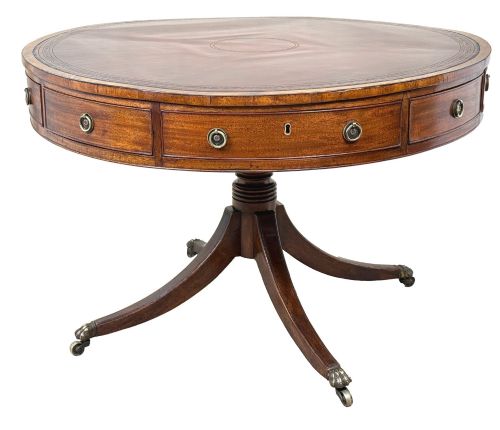
Surfaces display distinct finishing techniques, from polished mahogany and figured walnut veneers to hand-dyed hide leather writing inserts and painted pine finishes.
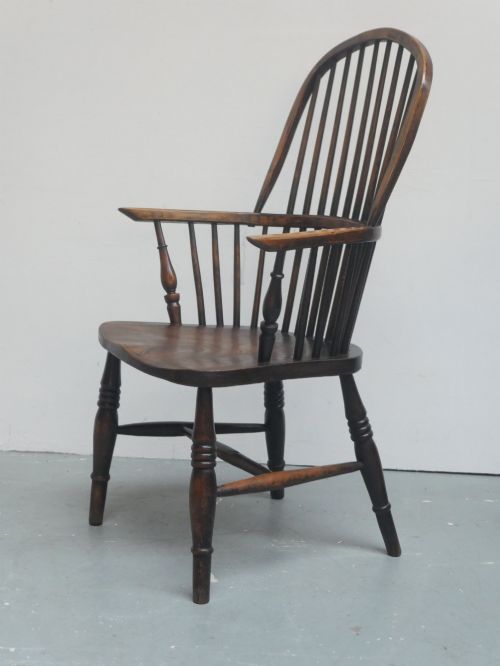
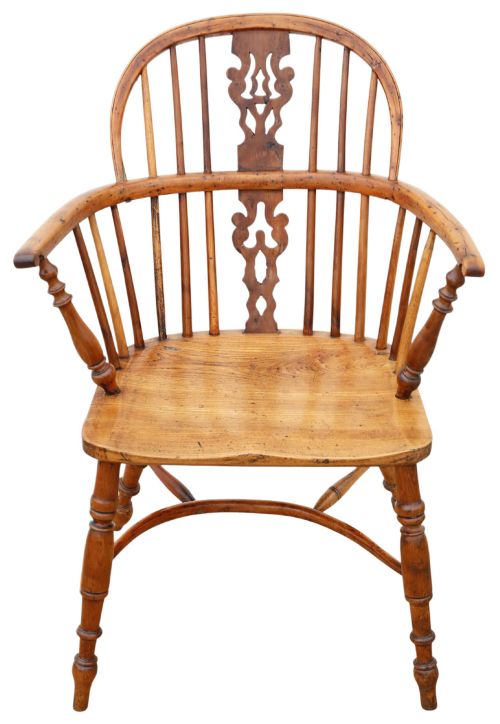
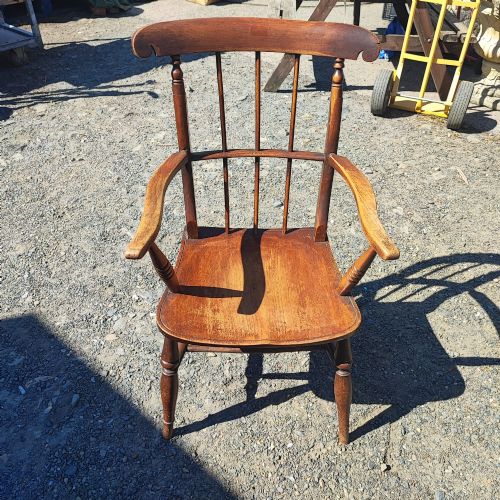
Several Windsor armchairs on offer preserve generations of ink stains on their wooden elbows.
What varies in quality
Construction standards differ significantly between pieces produced in metropolitan workshops and those made in provincial vernacular settings. The choice of primary timber, the complexity of interior pigeonholes, and the retention of original brass hardware heavily influence the distinction between standard utilitarian desks and high-status examples.
The integrity of timber figure, such as burr walnut or figured mahogany veneers, alongside the subtlety of hand-carved details like blind fretwork, determines the standing of a piece within the historical range.
The English Georgian Desk Glossary
- Bureau
- A writing cabinet featuring a sloping fall-front that opens to reveal internal compartments and small drawers. This form is central to domestic workspaces of the eighteenth century.
- Kneehole desk
- A flat-topped writing table with banks of drawers flanking a central recessed space for the legs. It often incorporates a concealed cupboard door behind the kneehole.
- Lowboy
- A small side table with one or more rows of drawers beneath the top, frequently utilised as a dressing table or writing surface. These pieces rest on slender legs terminating in pad or club feet.
- Partners desk
- A large pedestal desk designed to accommodate two people working opposite one another, featuring matching drawer configurations on both sides. These heavy pieces typically anchor large library spaces.
- Escritoire
- A tall writing cabinet or chest enclosing a fitted writing compartment behind a drop-front panel. Early examples showcase elaborate internal drawer arrangements and veneered surfaces.
English Georgian Desk: Frequently Asked Questions
What is the difference between a bureau and a partners desk?
A bureau uses a sloping lid that folds down to create a writing shelf while concealing internal document compartments. This form stands against a wall and serves individual writing tasks.
A partners desk provides a freestanding double-sided workspace with pedestals of drawers accessible from both front and back. These larger tables were built for shared office or study use.
How do I identify the wood used on my desk?
Examination of grain patterns, weight, and colour helps distinguish between primary cabinet timbers. Mahogany displays a reddish-brown tone with linear or flame grain figures, whereas walnut exhibits rich dark brown coloration with complex swirling patterns.
Secondary timbers like oak and elm appear in drawer framing and internals, showing prominent medullary rays in oak and coarse interlocking grain in elm.
Where were these desks originally placed in a home?
Georgian writing furniture occupied private closets, libraries, morning rooms, and drawing rooms where correspondence and estate management took place. Smaller lowboys and side tables functioned interchangeably for dressing or writing depending on room placement.
Larger pedestal and partners desks anchored substantial gentlemen's studies and administrative rooms.
How do I care for antique leather writing surfaces?
Leather inserts require gentle cleaning with a dry or barely damp cloth to remove dust without introducing excess moisture. Conditioning treatments formulated for antique leather help maintain flexibility and prevent the surface from drying out over time.
Harsh chemical cleaners and excessive water should be avoided entirely to preserve the original hide and surrounding wood finishes.