



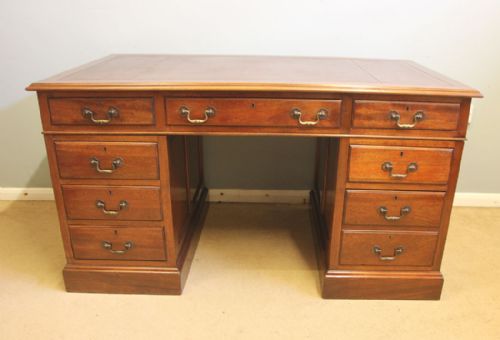
Antique Timber Study Desk
An antique timber study desk brings practical workspace and centuries of cabinetmaking tradition into a room.
Antique Timber Study Desk
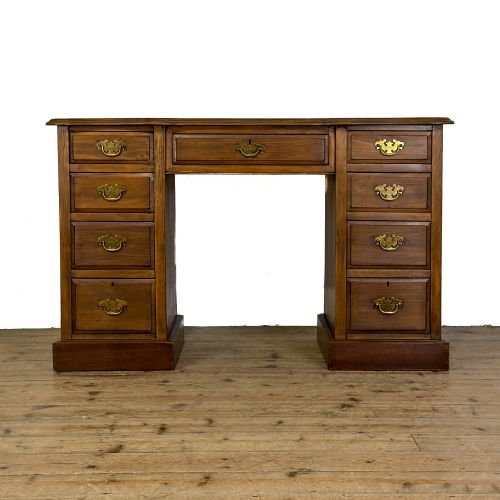
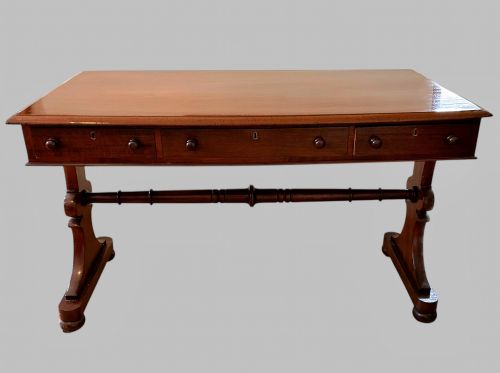
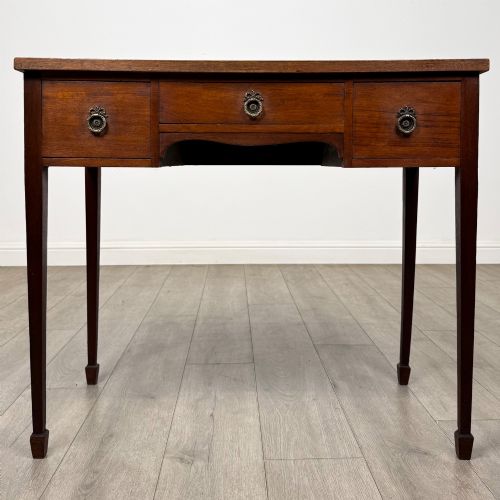
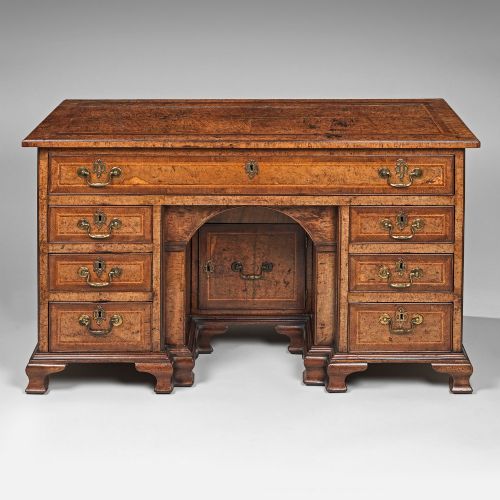
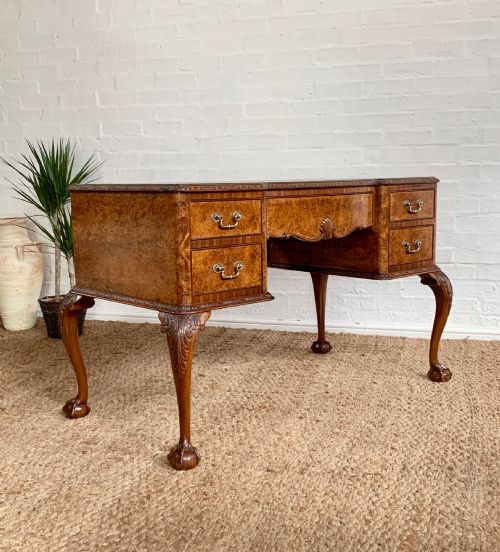
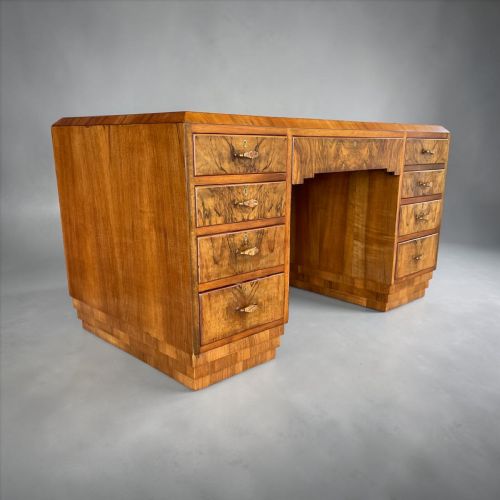
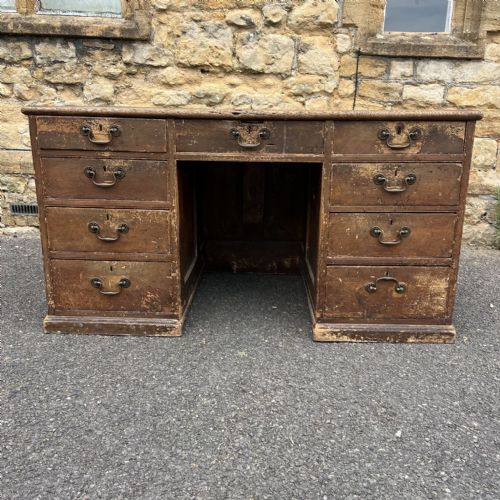
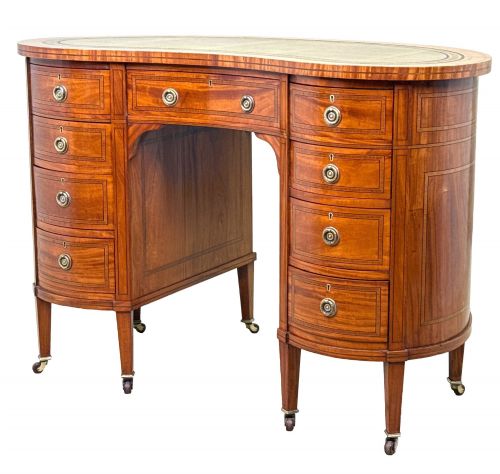
An antique timber study desk encompasses writing tables, pedestal desks, and kneehole forms designed for practical work and correspondence. These pieces emerge from periods including the Georgian era, the Victorian epoch, and the Edwardian years.
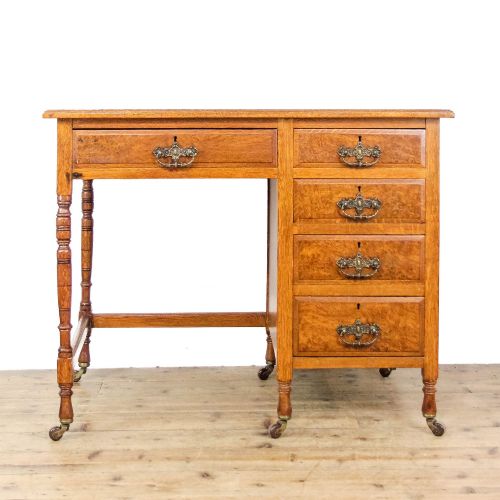
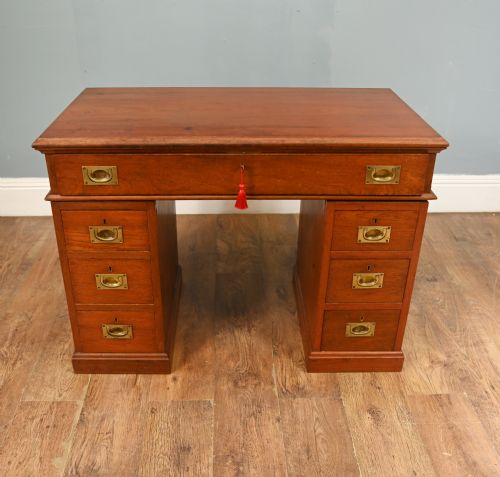
The most common versions met on this page are mahogany pedestal desks from the 19th century, alongside walnut and oak variants. Regional and international influences also appear, ranging from Anglo-Indian carved partners desks to Japanese calligraphy tables.
Materials and Construction
Cabinetmakers built these desks using timbers such as mahogany, walnut, oak, elm, satin birch, and burr walnut, often paired with inset leather writing surfaces and brass hardware. Secondary woods like pine appear in estate and utilitarian pieces.
Joinery techniques matched the timber to the form, utilising solid construction for structural elements and fine veneers for figured surfaces on pedestals and drawer fronts.
The selection includes pedestal desks, writing tables, and partners desks spanning the Georgian, Victorian, and Edwardian periods.
Distinctions in Quality
The standard of a desk rests upon the choice of timber figure, the crispness of carved or turned details, and the integrity of the original construction. Pieces finished with figured mahogany or burr walnut sit at a different level from utilitarian pine and oak workshop examples.
Proportion and interior drawer arrangement also separate everyday writing tables from bespoke commission pieces, where secondary woods and brass fittings receive equal attention from the maker.
Trollope and Sons·Heal and Son
The Antique Timber Study Desk Glossary
- Pedestal desk
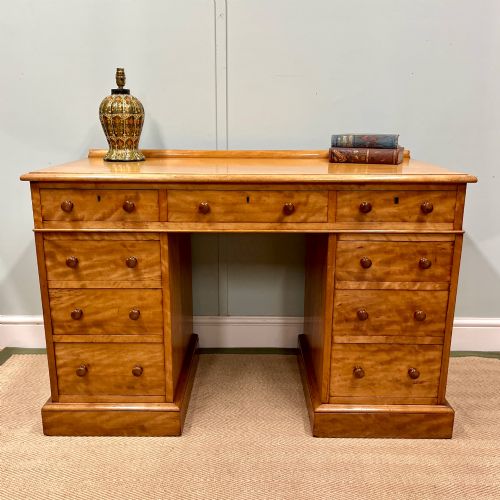
- A form featuring two independent stacks of drawers supporting a single desktop, commonly with a central kneehole.
- Kneehole desk
- A compact desk featuring a recessed central space for the user's legs, flanked by banks of drawers.
- Partners desk
- A large double-sided desk designed for two people to work opposite one another, featuring drawers on both faces.
- Tooled leather
- A writing surface decorated with gilded patterns impressed into the leather using heated brass tools.
- Satin birch
- A pale, figured hardwood utilised by 19th-century cabinetmakers for decorative veneering and solid construction.
Antique Timber Study Desk: Frequently Asked Questions
What is a partners desk?
A partners desk is built to be used from both sides simultaneously, featuring drawers and cupboards facing in opposite directions.
These substantial pieces were traditionally used in libraries and boardrooms by professional colleagues.
How do I identify a kneehole desk?
A kneehole desk is distinguished by its central recess, which allows the user to sit directly underneath the writing surface.
Flanking banks of drawers support the top on either side, creating a compact footprint.
What woods were used for desks?
Cabinetmakers utilised a range of timbers including mahogany, walnut, oak, elm, and satin birch depending on the period.
Figured veneers like burr walnut were frequently selected for principal display surfaces.
How do I care for leather desk tops?
Tooled leather surfaces require gentle cleaning and occasional conditioning to prevent the material from drying out.
Avoiding excessive moisture and direct sunlight helps preserve the gold tooling and supple texture.