
English Decorative Porcelain
English decorative porcelain brings together centuries of painted plates, urns and vases shaped by master potteries for display.
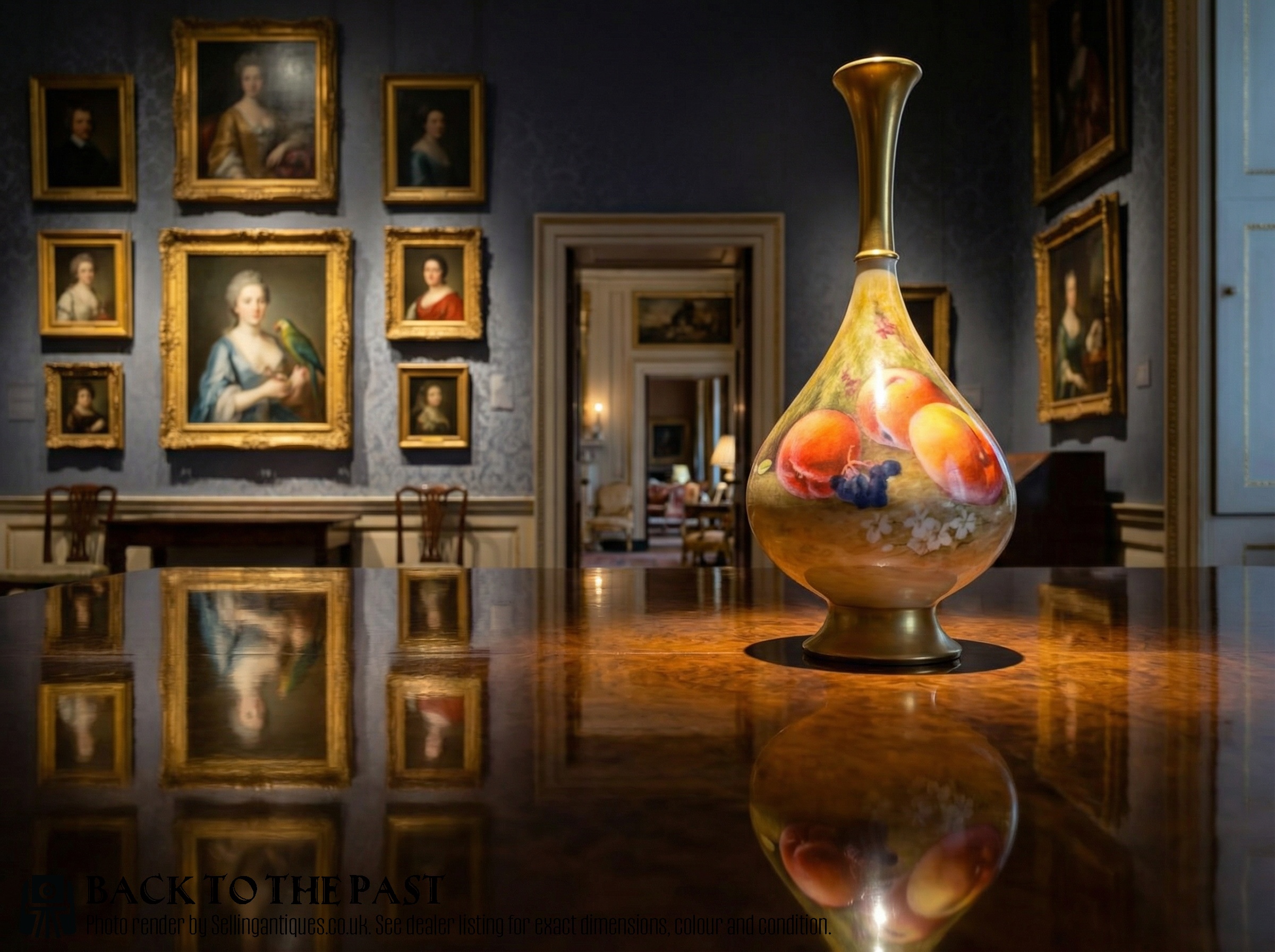
English Decorative Porcelain
English decorative porcelain comprises ornamental wares made for display rather than utility, spanning cabinet plates, vases, urns, and figurines. When exploring English decorative porcelain, buyers commonly encounter cabinet plates, fruit plates, and painted vases originating from the nineteenth and early twentieth centuries.
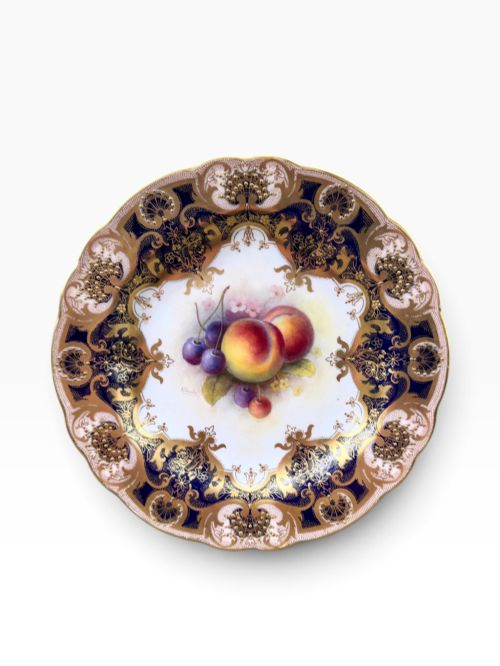
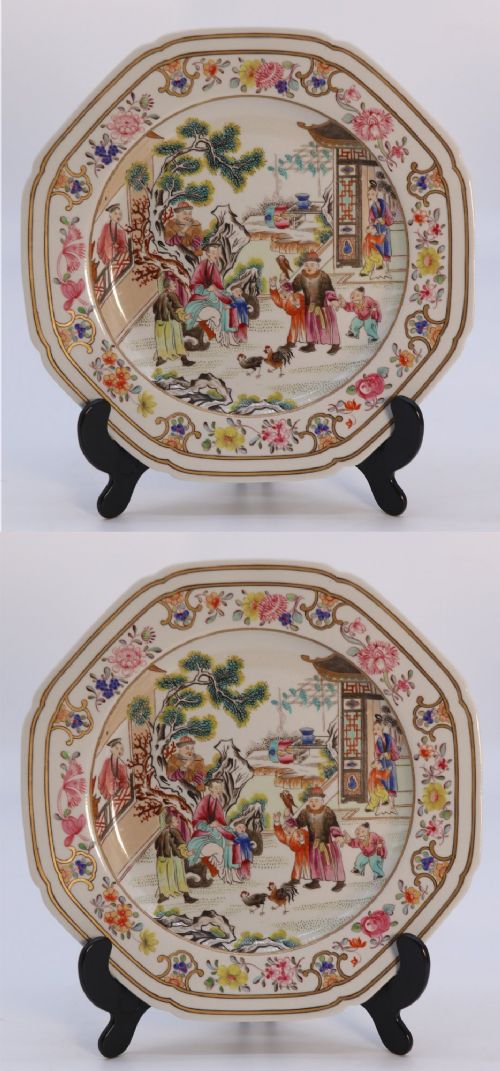
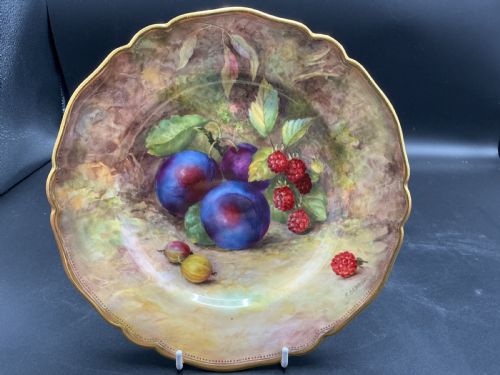
The selection ranges from Regency ironstone dishes and Georgian transferware to intricate Victorian and Edwardian hand-painted fruit plates. Pieces often arrive from prominent factories such as Royal Worcester, Royal Crown Derby, and Spode.
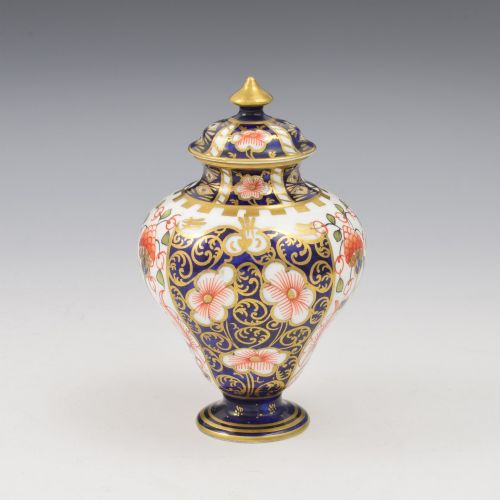
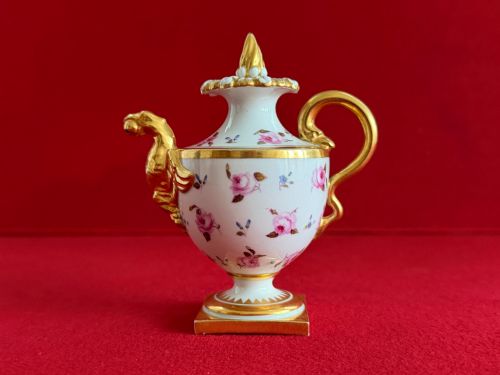
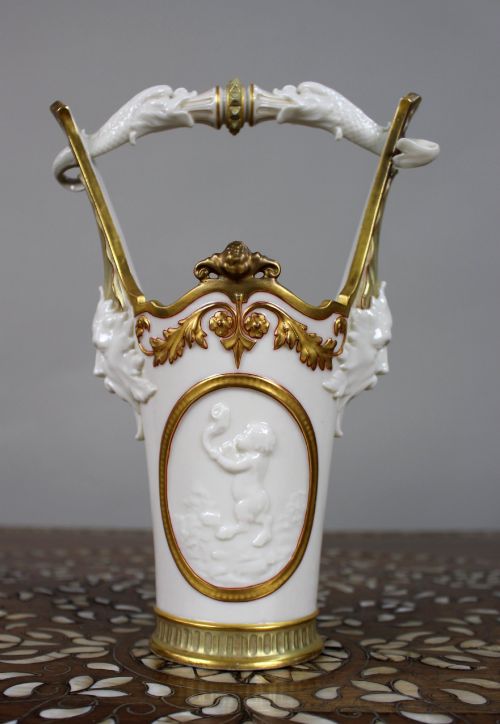
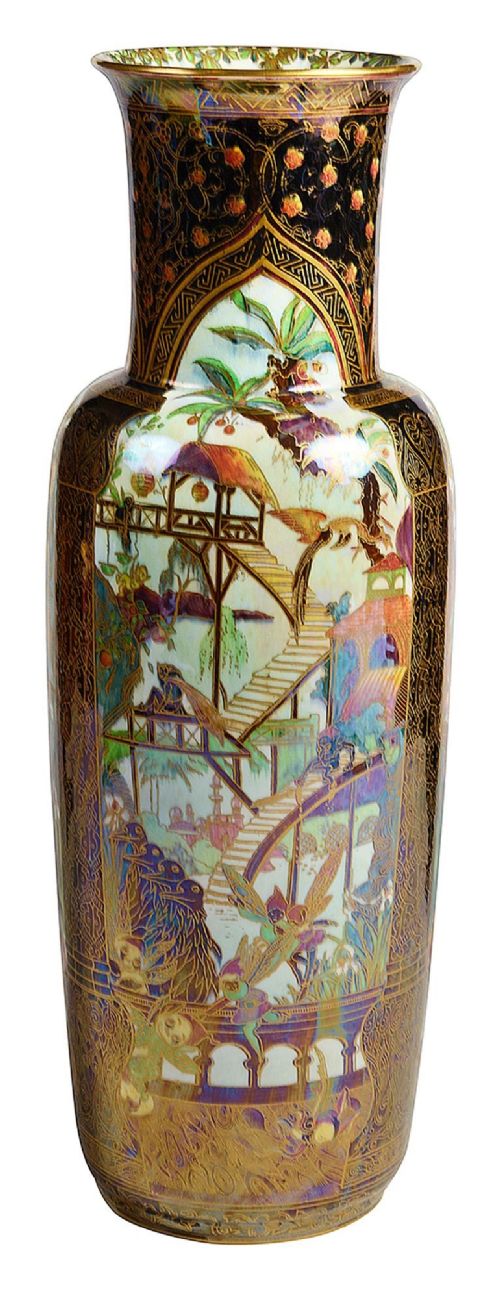
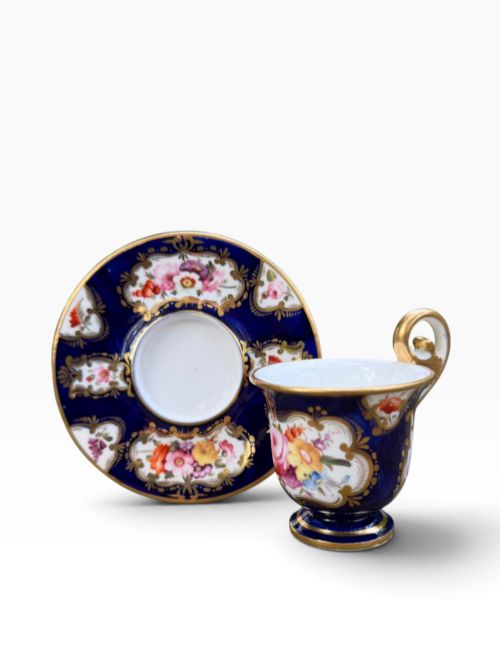
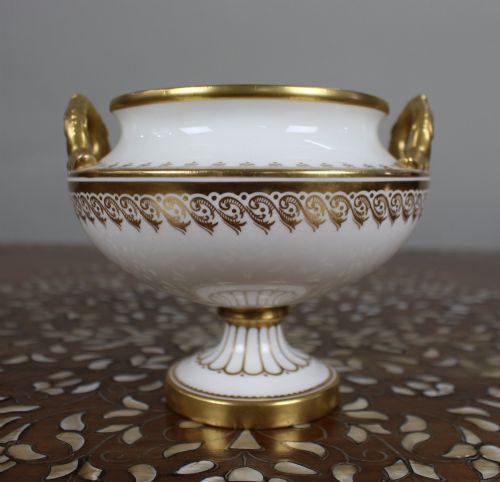
Forms include twin-handled urns, jardinieres, and cabinet cups created during the Victorian, Edwardian, and Art Deco periods. These items reflect traditional English craftsmanship alongside influences like Regency Chinoiserie and Japanese style aesthetics.
How They Were Made
Potters utilised fine porcelain, bone china, and ironstone as the primary ceramic bodies for these decorative objects, often shaping them into octagonal plates, jars, and figurines. Moulding and throwing formed the basic vessel before specialist artists applied detailed overglaze painting.
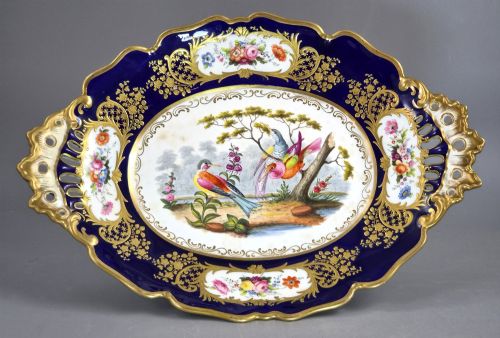
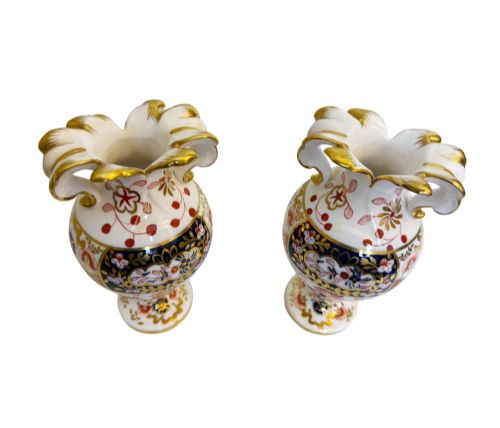
Enamel colours, gold leaf, and extensive gilding were meticulously layered onto the ceramic surface to create vibrant avian, floral, and landscape motifs. Many pieces underwent multiple firings to fix the rich cobalt blue, blush ivory, and metallic accents firmly onto the glaze.
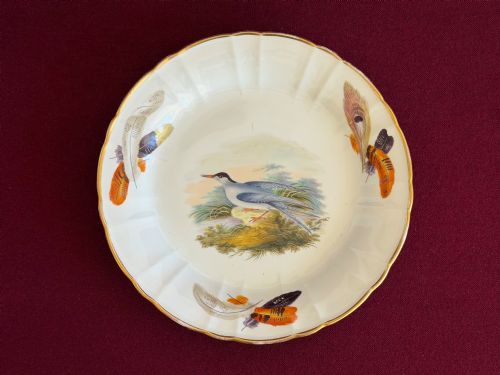
Several plates depict cheerful common terns and fancy birds perched permanently among gold sunbursts, bringing perpetual wildlife indoors.
What Varies in Quality
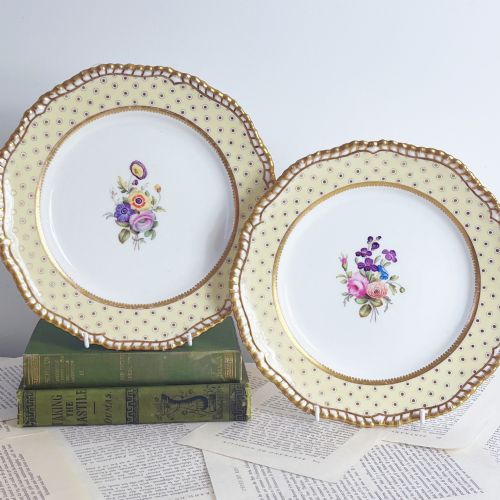
Quality rests upon the precision of the hand-painting, particularly on cabinet plates where named artists executed detailed studies of fruit, birds, and flowers. The finesse of the gilding and the crispness of moulded details such as foliage or handles distinguish standard production from exceptional studio output.
The sophistication of the ceramic body itself also dictates distinction, as refined bone china and early stone china display greater translucency and durability than basic ceramic wares. Maker attribution significantly elevates standing, especially when works bear the signatures of celebrated painters or originate from renowned workshops.
Royal Crown Derby·Spode·Flight, Barr and Barr·Royal Worcester·Wedgwood·Coalport·Hicks and Meigh·Royal Doulton·John Davenport of Longport·John Bevington·New Hall
The English Decorative Porcelain Glossary
- Cabinet plate
- An ornamental plate designed exclusively for display within a glass-fronted cabinet rather than for dining use. These often feature elaborate hand-painted scenes and gilded borders.
- Bone china
- A type of porcelain composed of clay mixed with bone ash, producing a strong, translucent ceramic body ideal for delicate decorative forms. It became a staple of English manufacturing from the nineteenth century onward.
- Imari
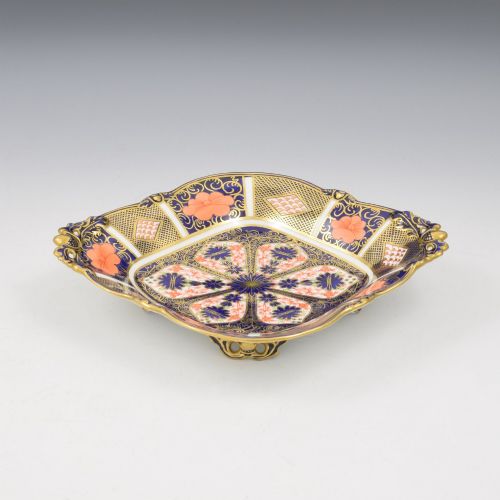
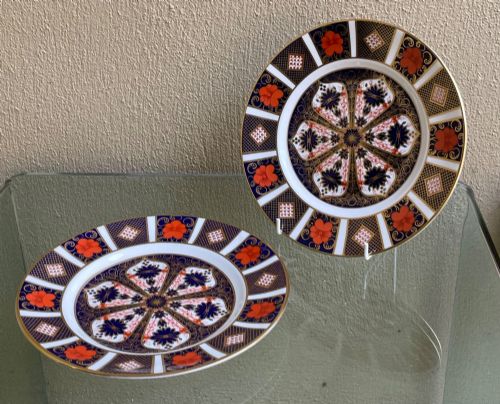
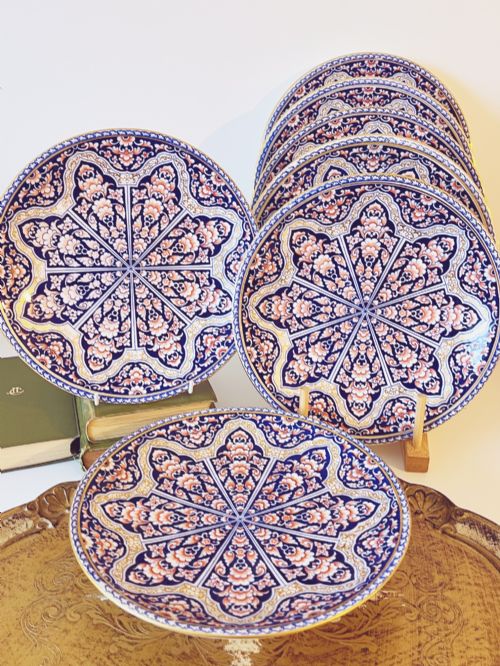
- A decorative style inspired by Japanese export wares, characterised by a palette of cobalt blue, iron red, and abundant gold leaf. English potteries frequently adapted this pattern for plates, vases, and tea services.
- Gilding
- The application of gold leaf or powdered gold to ceramic surfaces to accent handles, rims, and borders. High-quality pieces often employ burnished gold for a deeper, richer lustre.
- Transferware
- A pottery decoration technique where a design is engraved on a copper plate, printed onto tissue paper, and transferred onto the unglazed or bisque ceramic. This method allowed for intricate blue and white landscapes to be produced with great consistency.
English Decorative Porcelain: Frequently Asked Questions
What is a cabinet plate?
A cabinet plate is an ornamental ceramic dish created specifically for display in a cabinet or on a wall rather than for serving food. These items typically feature intricate hand-painted central motifs surrounded by ornate gilded borders.
Potteries produced them to showcase the artistic skill of their painters and the quality of their porcelain bodies. Collectors prize them for their preserved condition and detailed artistry.
How do I identify a transferware plate?
Transferware plates display repeating monochromatic patterns, most commonly in blue and white, applied using an engraved copper printing plate. The resulting image shows fine, uniform lines that resemble engravings rather than freehand brushstrokes.
Examining the surface closely reveals the precise dot or line matrix characteristic of early nineteenth-century printing methods. Makers often stamped the reverse with patterns or factory marks.
What is blush ivory porcelain?
Blush ivory is a soft, matte cream-coloured ceramic body developed by Royal Worcester during the late nineteenth century. It mimics the warm tone of ivory and serves as a subtle background for painted floral decorations.
This finish is frequently enhanced with delicate gilding tracing natural plant forms. Pieces featuring this technique belong predominantly to the late Victorian and Edwardian eras.
How should I display decorative porcelain?
Decorative porcelain is best displayed away from direct sunlight to preserve the vibrancy of enamel paints and gold leaf. Utilising stable plate stands or enclosed cabinets protects delicate handles and rims from accidental knocks.
Maintaining a stable room temperature prevents stress on the ceramic body and glaze. Gentle dusting with a soft brush keeps the surface clean without risking abrasion.