




English Country Oak Sideboard
An English country oak sideboard brings honest utility and centuries of warmth into a modern dining room.
English Country Oak Sideboard
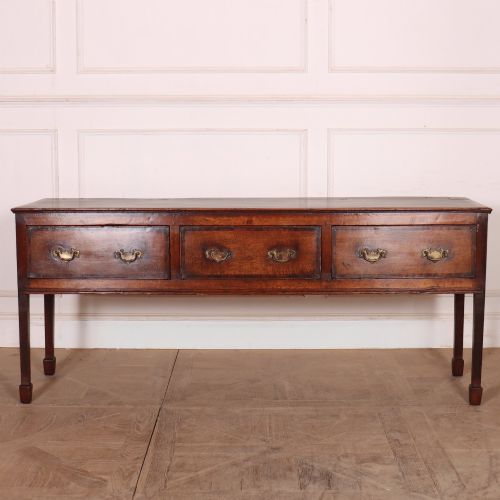
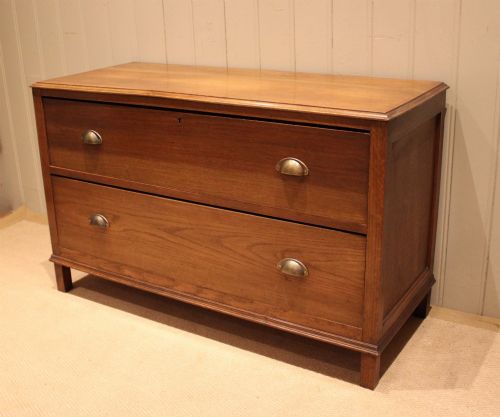
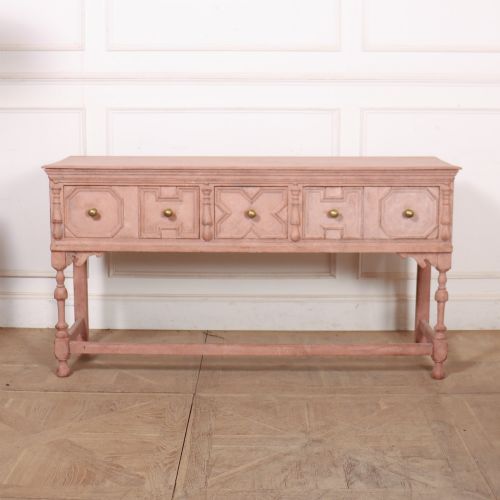
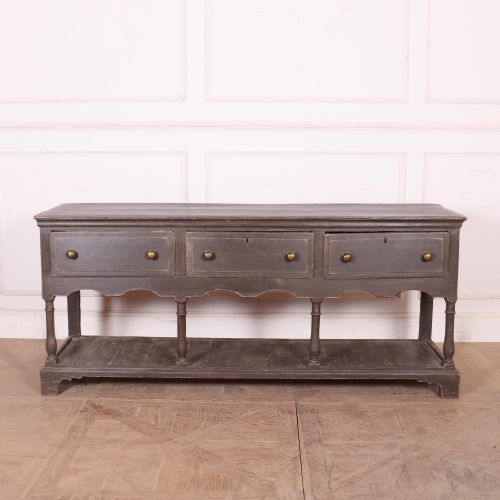
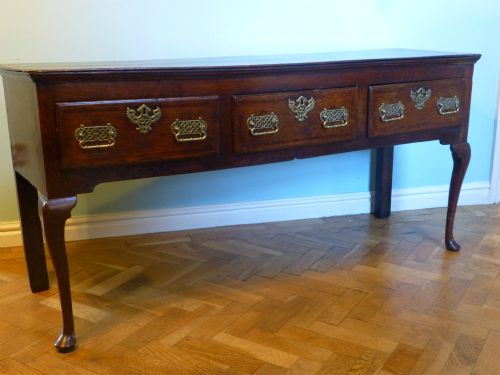
When you search for an English country oak sideboard, you encounter sturdy utilitarian storage pieces created for domestic life across the centuries. The listings frequently feature dresser bases, potboard bases, and court cupboards originating from the seventeenth, eighteenth, and nineteenth centuries.
Makers working in the English countryside relied on native hardwoods to build long-lasting furniture for kitchens and dining spaces. You meet many eighteenth-century examples alongside Victorian country variations and occasional early twentieth-century pieces.
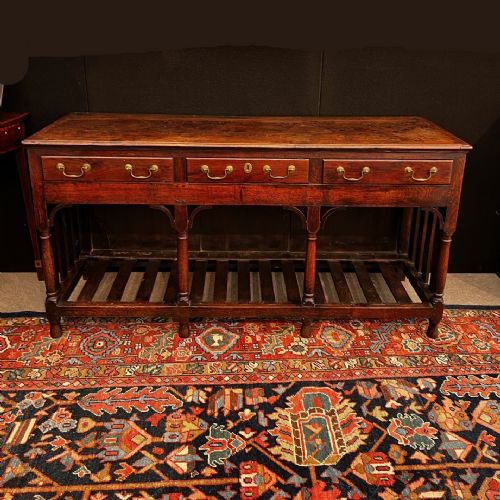
These forms range from simple three-drawer configurations to large cupboards fitted with plate racks or lower shelves. Each piece displays the straightforward construction typical of vernacular furniture made outside fashionable urban centres.
Materials and Construction
Local joiners built these items primarily using solid oak, often combining elm and pine for secondary parts or drawer linings. Timber selection depended on regional availability, resulting in varied grain patterns and natural surface movement over time.
Traditional construction involved pegged joints, panelled doors, and hand-cut dovetails for drawers that endured heavy daily use. Some surviving pieces retain early painted finishes or bleached surfaces applied during later domestic updates.
Regional variations appear across the inventory, with cabinet makers incorporating elm and pine alongside solid oak to construct functional country sideboards.
Assessing Quality and Character
The standard of a piece rests on the integrity of its timber, the depth of its patination, and the retention of original structural components. Pieces featuring untouched surfaces and thick oak boards command greater appreciation than those with extensive modern timber replacements.
Proportion and regional design details also distinguish superior examples from plain utility furniture. A well-balanced base with crisp mouldings or original brass hardware demonstrates the maker's careful attention.
The English Country Oak Sideboard Glossary
- Dresser base
- A low cabinet fitted with drawers and occasionally a lower potboard shelf, historically used for food preparation and serving.
- Potboard
- An open slatted lower shelf integrated into a dresser base, originally designed to hold heavy ceramic pots and kitchen utensils.
- Court cupboard
- An enclosed upper or multi-tiered storage cabinet dating from earlier vernacular periods, featuring heavy panelled doors.
- Vernacular
- Furniture designed by local provincial joiners for everyday domestic practicality rather than following strict classical court styles.
- Patina
- The deep surface sheen and mellow colour developed by aged timber through decades of handling, polishing, and environmental exposure.
English Country Oak Sideboard: Frequently Asked Questions
What is a potboard base?
A potboard base is a low sideboard featuring an open lower shelf beneath the main bank of drawers. Country households utilised this lower tier for storing heavy pots, pans, and utilitarian kitchen wares.
Over centuries of use, the timbers on these lower shelves absorbed wear from damp flagstone floors and heavy utensils. This open design provides a distinct visual contrast to fully enclosed sideboards.
How old are these sideboards?
The pieces available range from seventeenth-century vernacular court cupboards to eighteenth-century Georgian dresser bases and later Victorian country furniture. Regional joiners continued producing traditional forms well into the twentieth century.
Determining age requires examining tool marks, timber shrinkage, construction methods, and the natural wear accumulated across generations of domestic service.
Where were these pieces made?
Provincial workshops across English counties produced these items using locally felled timber suited to regional tastes. West Country pieces often display distinct construction details and timber choices compared to items from northern or midland counties.
Local cabinet makers relied on native hardwoods available in their immediate geographic vicinity, creating sturdy furniture designed for rural farmhouse kitchens.
How do I care for antique oak?
Maintain antique oak by placing the sideboard away from direct heat sources and sudden temperature fluctuations that cause timber to split. Regular dusting with a dry cloth protects the historic surface without building up modern chemical residues.
Occasional application of traditional beeswax helps nourish dry wood and preserves the natural patina developed over hundreds of years.