
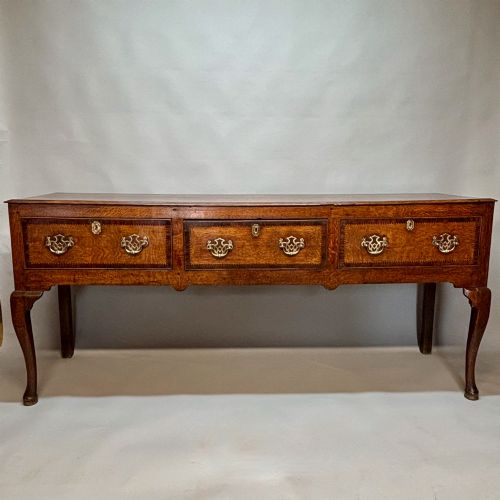
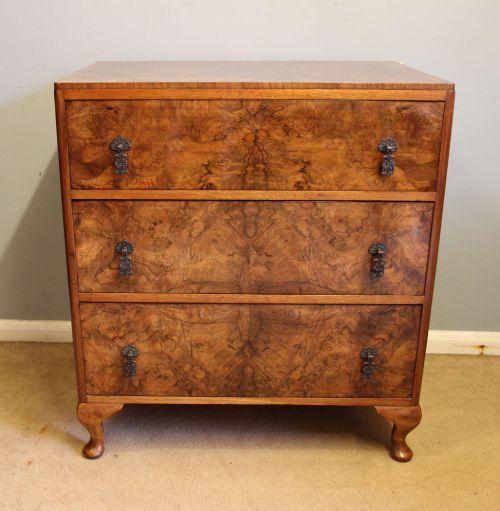
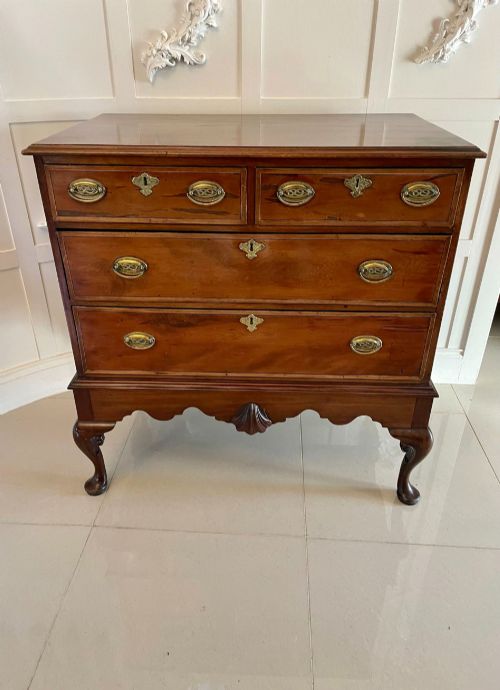
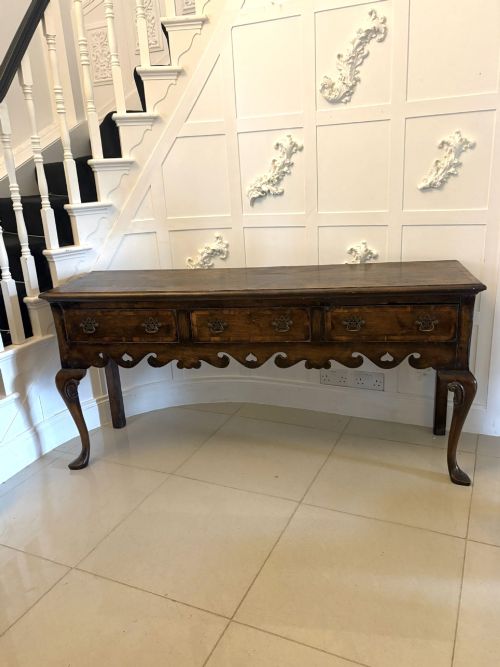

Georgian Cabriole Leg Dresser
A georgian cabriole leg dresser combines practical storage with curved legs, and you want one for its solid timber and period proportion.
Georgian Cabriole Leg Dresser
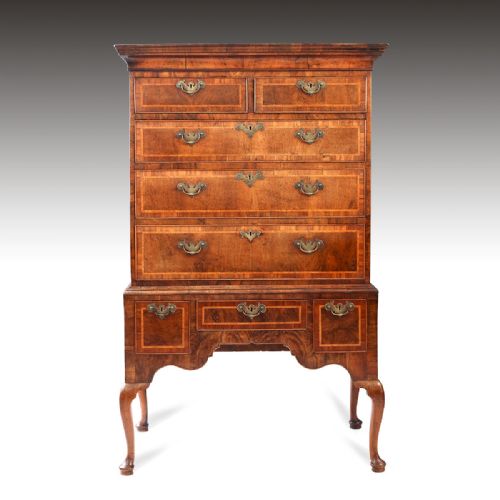
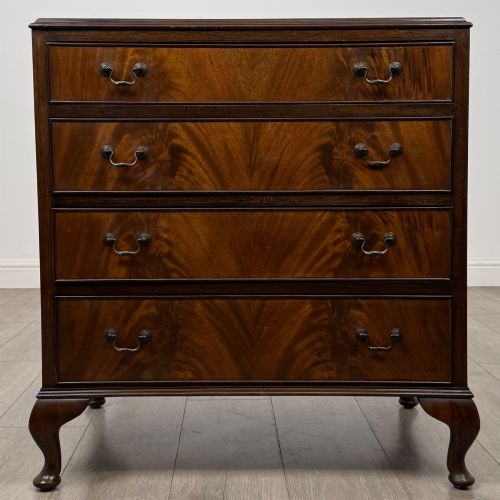
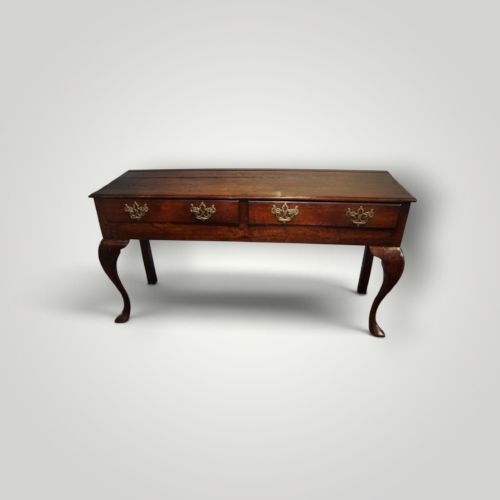
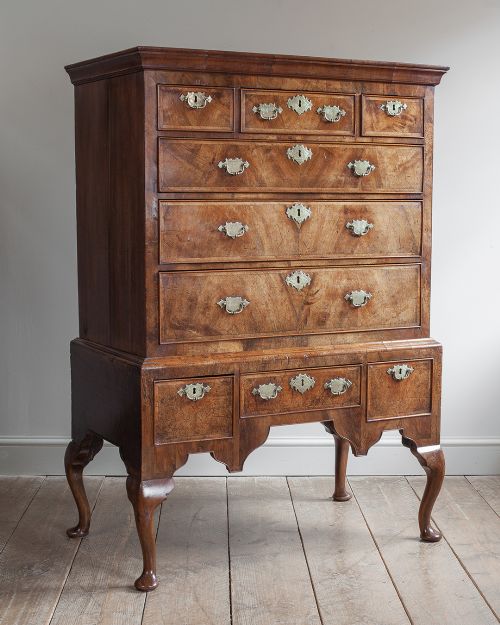
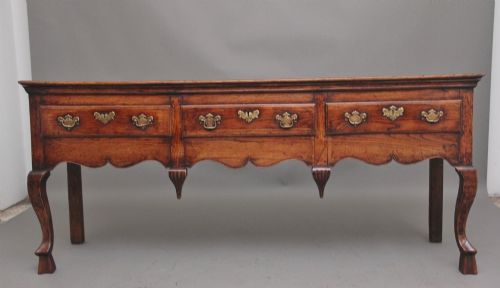
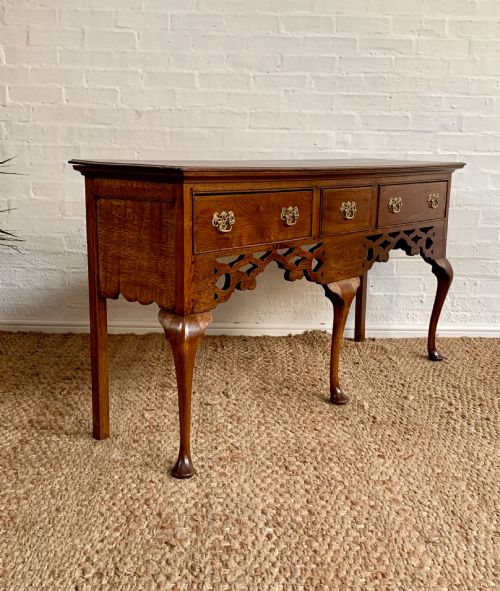
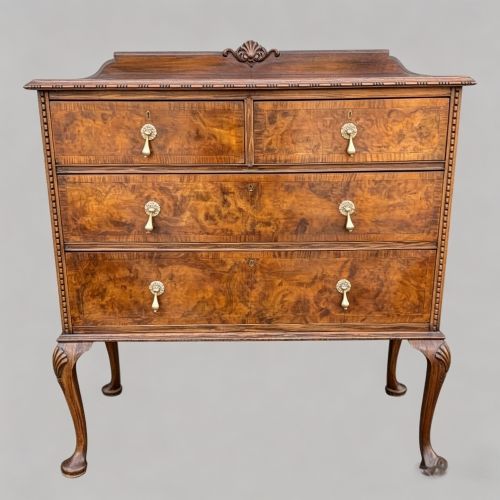
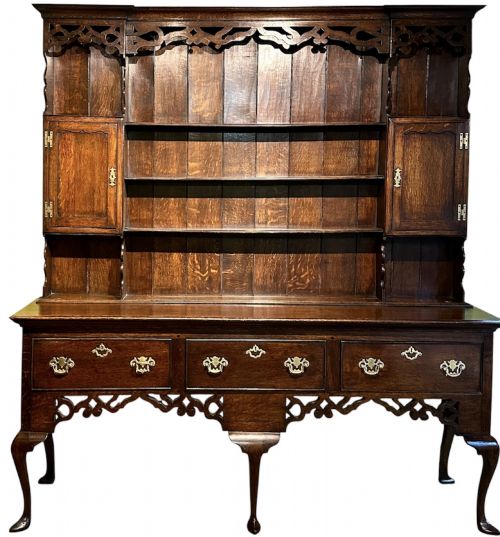
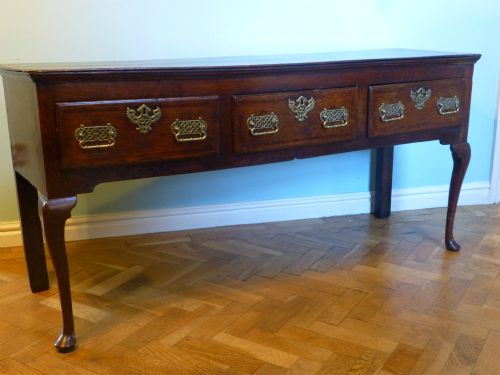
A georgian cabriole leg dresser brings together low timber sideboards and serving tables designed with curved supports that sweep outward from the knee and taper down to pad or hoof feet. The examples you meet most often on this page date from the eighteenth century or follow later revival periods in oak and walnut.
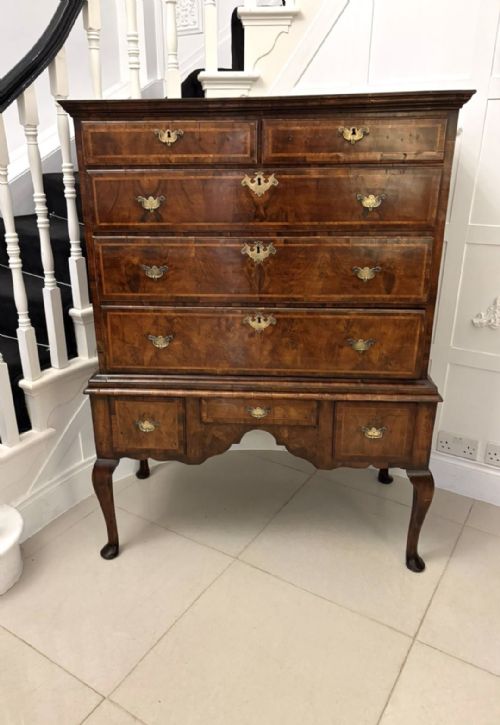
The form spans straightforward country oak dresser bases with three drawers to grander chest on stand configurations in figured walnut and mahogany. Many pieces retain their original surface patination while offering functional drawers and console surfaces for contemporary rooms.
How they were made
Cabinet makers constructed these pieces primarily using solid English oak, walnut, and mahogany, frequently applying burr walnut and walnut veneers across drawer fronts for decorative grain patterns. Brass handles and escutcheons punctuate the timber facades while internal carcases rely on traditional jointing techniques.
Surface treatments range from natural wax finishes on plain oak to painted timbers and crossbanded veneers. The signature cabriole legs are shaped directly from solid stock or integrated into the lower framework of chest on stand designs.
Listings feature oak, walnut, burr walnut, and mahogany timbers across eighteenth-century and revival periods.
What varies in quality
The standard of a georgian cabriole leg dresser rests on the crispness of the leg carving and the selection of timber veneers. Pieces with rich figuring in the walnut or well-matched oak boards command attention through their visual depth.
Originality of brass hardware, drawer linings, and structural timber integrity dictate the standing of each piece. Retaining the authentic surface patination elevates a dresser above examples that have undergone heavy restoration.
The Georgian Cabriole Leg Dresser Glossary
- Cabriole leg
- A furniture support curved in a double sweep, bowing outward at the knee and tapering inward to the foot. This form derives from animal limbs and gained popularity during the early eighteenth century.
- Dresser base
- A low sideboard or serving table fitted with drawers across the front, standing independently without an upper plate rack. These pieces served domestic utility in country houses and large kitchens.
- Chest on stand
- A tall drawer chest elevated on a separate framework or low table base with legs. This form showcases figured veneers and allows storage off the floor.
- Crossbanding
- A narrow strip of veneer laid around the border of a drawer front or top with the grain running perpendicular to the main panel. This technique frames the wood figure.
- Lowboy
- A small table with drawers resembling the lower section of a highboy or tall chest on stand. They function as side tables or dressing surfaces.
Georgian Cabriole Leg Dresser: Frequently Asked Questions
Where did people put dressers?
These pieces sat in dining rooms, halls, and large kitchens to hold serving dishes, cutlery, and linens. Their flat top surfaces served as functional counters during meal preparation and household administration.
Over time, owners moved them into reception rooms and living spaces where their drawer storage and display surfaces suited domestic organisation.
How do I care for oak?
Keep timber surfaces away from direct heat sources and strong sunlight to prevent the wood from drying out and splitting. Apply a neutral beeswax polish occasionally to maintain the natural shine and protect the grain.
Avoid using modern liquid silicone sprays or harsh chemical cleaners that can strip the historic patination accumulated over centuries.
What is a revival piece?
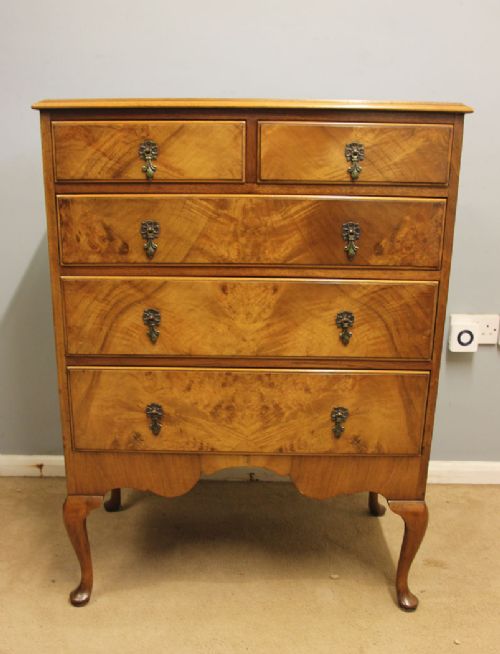
Revival items are pieces made during later periods, such as the Edwardian era or the 1920s and 1930s, which deliberately copy eighteenth-century styles and construction methods. Makers utilised older woods and traditional forms to satisfy demand for period aesthetics.
These later interpretations offer the visual character of earlier furniture while fitting standard twentieth-century room proportions.
How do legs differ?
Cabriole legs feature the characteristic double curve ending in pad feet, while straight legs appear on alternative Georgian chest and table designs. The shaping of the knee and ankle indicates the skill of the maker and the date of manufacture.
Earlier examples display softer, more fluid curves, whereas revival pieces sometimes exhibit stiffer profiles in the timber.