





English Copper Pitcher
An english copper pitcher brings functional warmth to a room, offering tactile weight and deep metallic lustre from the Georgian and Victorian eras.

English Copper Pitcher
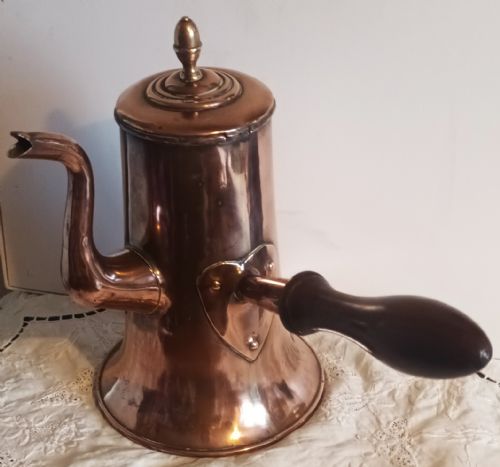
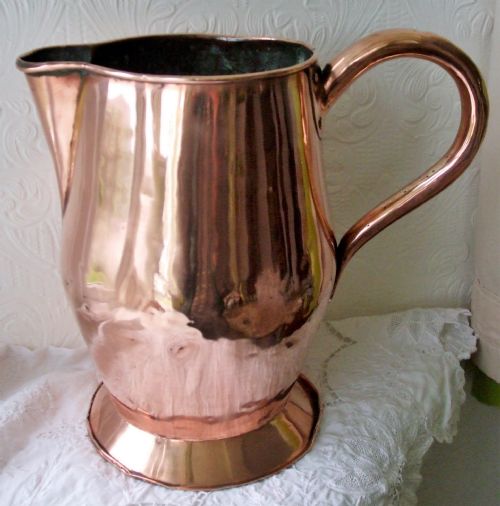
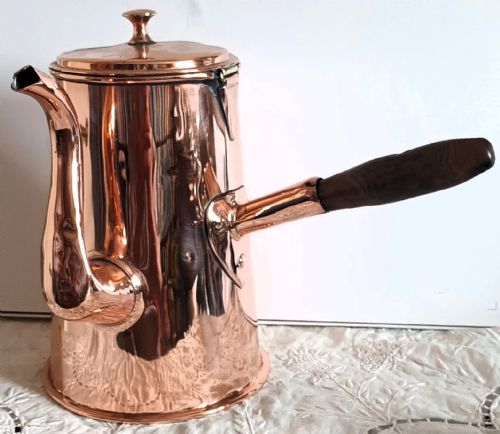
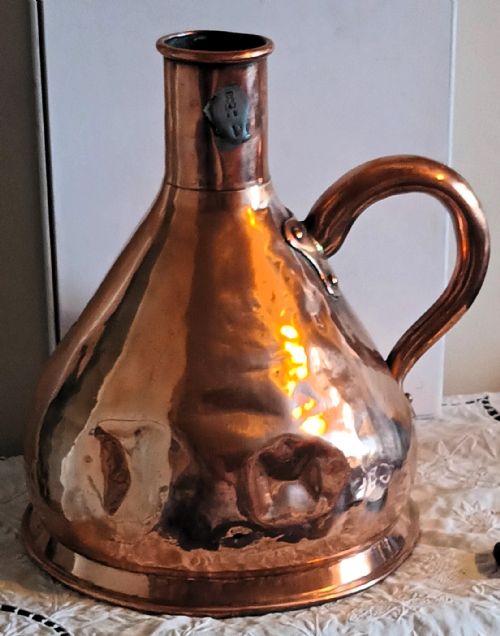
When you search for an english copper pitcher, you are looking at substantial vessels designed for utility, ranging from grand multi-pint liquid measures to tall coffee pots and serving flagons. The pieces available here span the 19th century, drawing heavily from Georgian and Victorian periods alongside Arts and Crafts design.
The most common forms you will encounter are heavy-duty copper jugs holding several pints, often stamped with volume capacities, as well as specialised vessels like George III water jugs and Liverpool measures. These items transition easily from decorative hearth ornaments to functional table centrepieces.
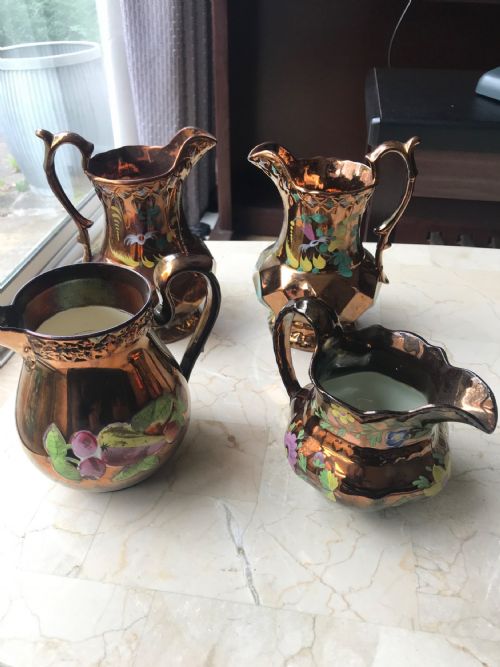
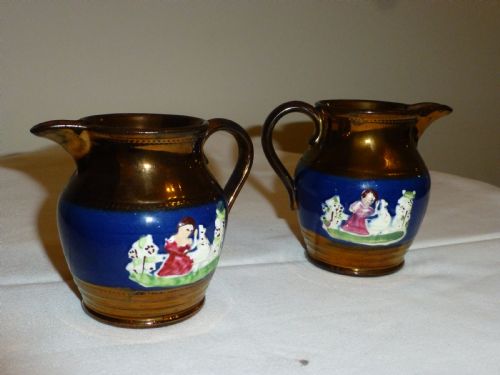
Alongside solid metal vessels, the selection occasionally overlaps with ceramic interpretations featuring copper lustre glaze, earthenware bodies, and ironstone china. Whether formed from hammered sheet metal or cast with brass fittings, each example carries the marks of its original domestic or commercial service.
Construction and materials
Makers constructed these vessels primarily from sheet copper, often joining seams with meticulous dovetailing or brazing to ensure watertight containment for liquids. Handles formed from brass or iron were frequently secured with heavy rivets, adding contrasting metallic tones and structural rigidity to the body.
Surface finishes rely on the natural properties of the metal, polished to a bright shine or mellowed through decades of handling into a deep, warm patina. Where ceramic alternatives appear, artisans applied a copper lustre glaze over earthenware or ironstone bodies before firing.
Some heavy flagons carry capacity stamps from a former life in busy public houses, having poured countless pints before retiring to the mantelpiece.
Assessing quality and character
The distinction between standard utility vessels and finer pieces lies in the crispness of form, the weight of the gauge metal used, and the refinement of subsidiary elements like spouts and handles. Heavier gauges resist denting and maintain structural integrity, whilst hand-forged brass mounts show superior craftsmanship compared to mass-produced replacements.
Maker marks and capacity stamps also elevate an object, with specific retailer signatures or verified London addresses indicating higher workshop standards. The preservation of an unpolished, aged surface with honest signs of period use rather than aggressive modern cleaning further separates a desirable survivor from a stripped piece.
Livesley Powell And Co·S Hancock·Loftus Of Oxford Street
The English Copper Pitcher Glossary
- Flagon
- A large vessel with a handle and spout used for holding and pouring liquids, often holding multiple pints in domestic or tavern settings.
- Liquid Measure
- A standardised container certified for commercial or domestic volume dispensing, frequently marked with capacity indicators.
- Copper Lustre
- A metallic ceramic glaze applied to earthenware or ironstone to simulate the sheen of solid copper.
- Ironstone
- A heavy, durable type of ceramic developed in the nineteenth century as a robust alternative to porcelain.
- Arts and Crafts
- A design movement prioritising traditional craftsmanship, visible construction methods, and simple utility over excessive ornamentation.
English Copper Pitcher: Frequently Asked Questions
How were these copper pitchers used originally?
Many of these vessels served practical roles in domestic kitchens, taverns, or commercial establishments for hauling, boiling, or serving liquids. Large multi-pint jugs and gallon measures acted as standard holding units before modern metric systems.
Finer coffee pots and water jugs were brought directly to the table or used near the hearth to maintain a ready supply of heated water.
Can I use an antique copper pitcher for daily serving?
While solid copper vessels were built for heavy use, antique pieces are generally appreciated today as decorative objects or dry flower containers. Many older vessels feature internal tinning that may have worn thin over generations of use.
If you choose to use one for liquids, ensure the interior is clean and inspect the seams to guarantee it remains completely watertight.
How do I clean and polish old copper?
Most collectors prefer to leave a warm, aged patina on nineteenth-century copper rather than polishing it to a bright shine. Gentle dusting with a dry cloth is usually sufficient for routine maintenance.
If you choose to reduce tarnish, use a mild, non-abrasive metal cleaner specifically formulated for copper, taking care to avoid damaging any vintage surface stamps or brass rivets.
How do I tell a Georgian jug from a Victorian one?
Georgian copper pieces, particularly those from the George III era, often display heavier gauges of metal and simpler, utilitarian forms designed for institutional or heavy domestic service. They frequently feature hand-beaten seams and minimal surface decoration.
Victorian and later Arts and Crafts examples introduce more decorative handle designs, varied spout configurations, and occasional stamped maker details or capacity verifications.