
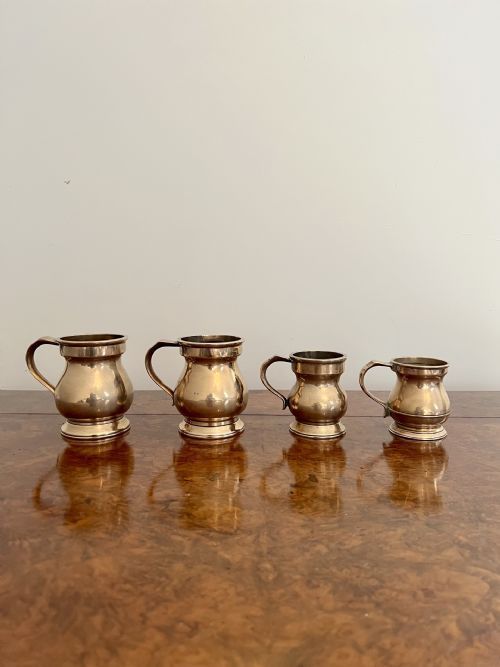


Copper Ale Measure
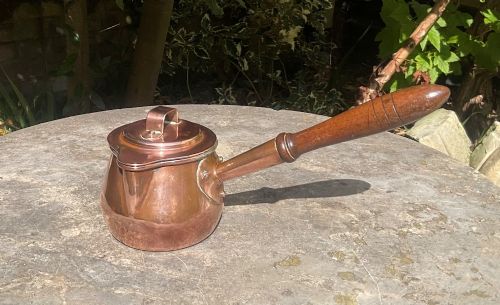
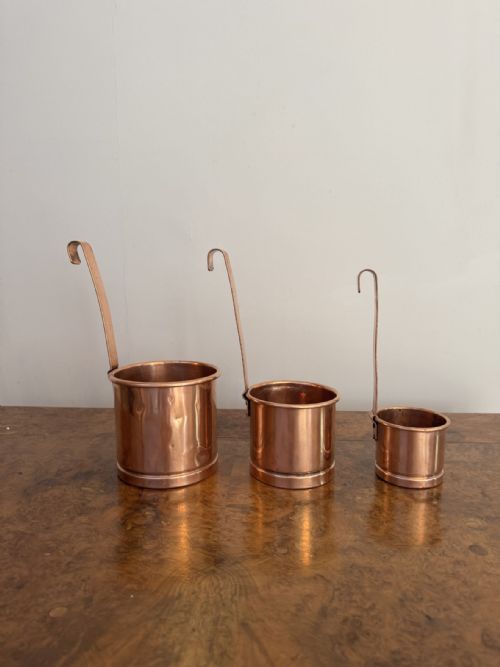
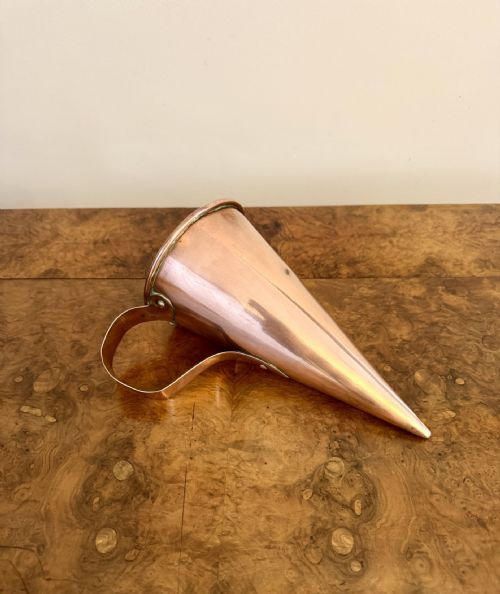
These copper ale measure examples are historic liquid containers prized for their robust utility and warm metallic character.

What a copper ale measure is
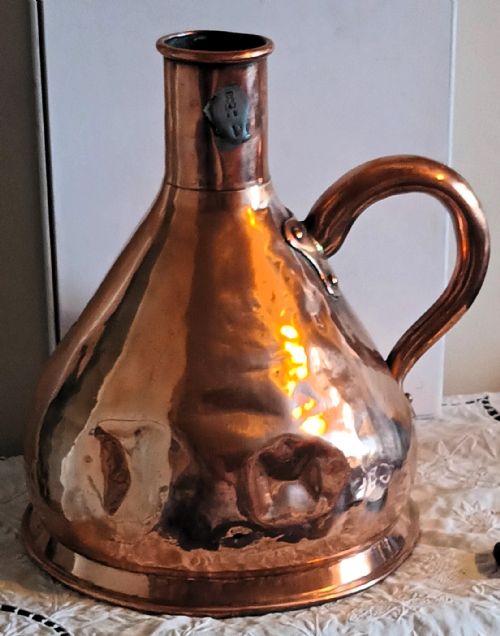
A copper ale measure is a traditional vessel designed for containing and dispensing liquid, often marked for official capacity. These pieces range from standard one-gallon formats to substantial two-gallon and four-gallon examples.
The versions most frequently met on this page span the Georgian and Victorian eras, reflecting the domestic and commercial tavern life of nineteenth-century Britain. They appear in distinct regional and capacity styles such as the haystack form and the Liverpool pattern.
Collectors seek these items for their honest utilitarian origins and the rich patina built up over generations of use in public houses and homes. Each measure records the practical demands of historical hospitality through its form and capacity markings.
Construction and materials
Craftsmen built these measures primarily from sheet copper, joining the sections with visible seams that demonstrate traditional metalworking techniques. Brass and lead components frequently appear on these jugs, utilised for handles, rims, and verification stamps.
The bodies were beaten and shaped to hold precise volumes, often incorporating reinforced collars and sturdy handles to withstand heavy daily use. Seamed construction ensures structural integrity while contributing to the industrial aesthetic of the finished vessel.
The Loftus workshop once equipped London taverns with measures built to endure decades of enthusiastic ale pouring.
Distinctions in quality
The division between standard tavern equipment and superior examples rests upon the crispness of the forming and the presence of official verification marks. Measures bearing clear stamps from makers such as Loftus of Oxford Street London demonstrate higher workshop status.
The integrity of the seamed construction and the preservation of the original surface patination dictate the desirability of a piece. Better examples retain their structural balance and unpolished warmth without excessive repair or distortion.
The Copper Ale Measure Glossary
- Haystack measure
- A distinct regional style of British liquid measure featuring a bulbous body resembling a stacked haystack. This curved profile maximises volume while maintaining stability on a tavern counter.
- Verification mark
- An official stamp applied to capacity measures to guarantee their accuracy for commercial trade. These Crown or VR marks connect the vessel directly to historical weights and measures legislation.
- Seamed
- A method of joining sheet metal where edges are overlapped and secured. In these measures, the visible seams highlight the manual construction methods of nineteenth-century metalworkers.
- Capacity measure
- A vessel constructed to hold a certified volume of liquid for trade or domestic use. These utilitarian objects were essential tools in historical inns and alehouses.
Frequently Asked Questions
What were copper ale measures used for?
These vessels served as standard capacity containers for measuring and serving beer and ale in historic taverns and inns. Publicans relied on them to deliver accurate quantities to customers.
Over time, many gathered dents and surface wear from constant movement behind busy bars. They bridge the gap between industrial utility and traditional hospitality equipment.
How do I identify a Victorian measure?
Victorian examples frequently display royal cyphers such as VR markings to indicate official inspection and legal capacity standards. The manufacturing techniques from this period lean towards robust seamed copper construction.
These pieces often present heavier proportions and standardised forms compared to earlier Georgian items. Examining the stamps and handle attachments helps determine the manufacturing era.
Are these measures safe for holding liquids?
While historically used for storing and pouring ale, antique metal vessels often contain lead solder or protective interior corrosion. Modern collectors generally treat them as display objects rather than functional kitchenware.
Displaying them dry preserves the historic surface patination without risking contamination. Regular cleaning is limited to gentle dusting to protect the aged metal.
How should I display a measure?
These vessels suit kitchen shelving, dining room dressers, or dedicated metalware displays where their warm copper tones are visible. Grouping different capacities creates an authentic tavern arrangement.
Keeping them away from direct moisture prevents further oxidation of the brass and copper surfaces. Proper placement highlights the sculptural quality of the historical forms.