


Antique Pub Vessel
An antique pub vessel brings the heavy metal and earthenware of historic taprooms straight into a modern interior.
Antique Pub Vessel
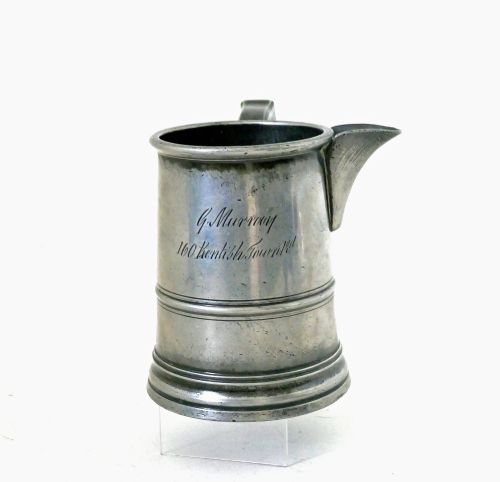
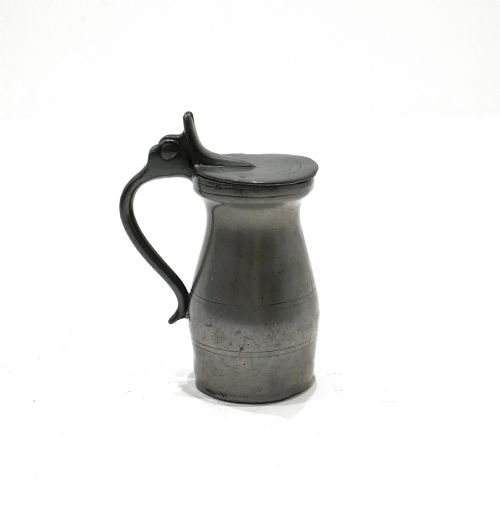
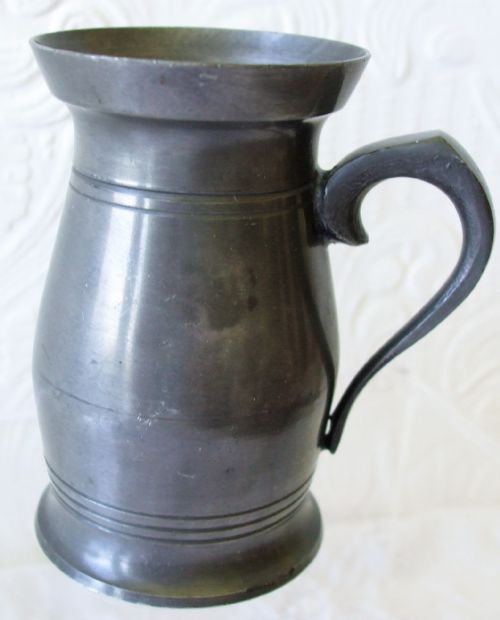
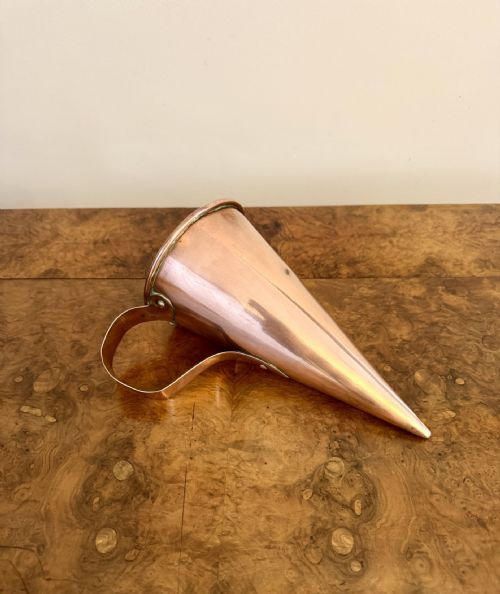
When you search for an antique pub vessel, you encounter the utilitarian drinking vessels and liquid measures that once served ale, spirits, and wine in historic drinking houses. These objects range from heavy metal flagons and copper measures to earthenware tavern jugs and ceramic puzzle jugs used across the seventeenth, eighteenth, and nineteenth centuries.
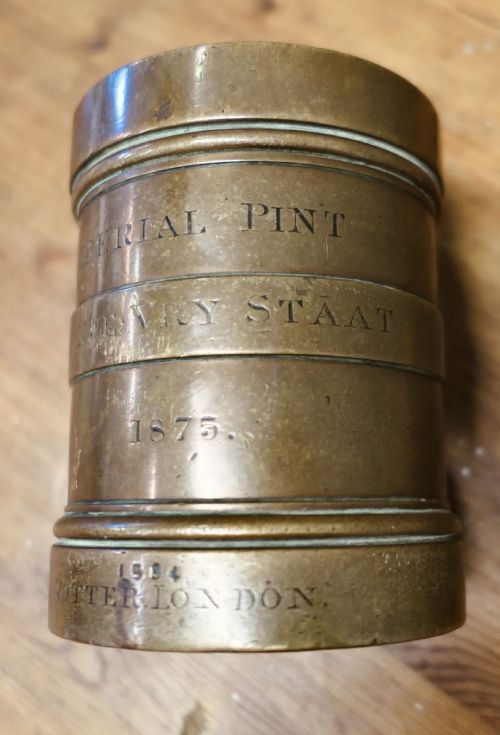
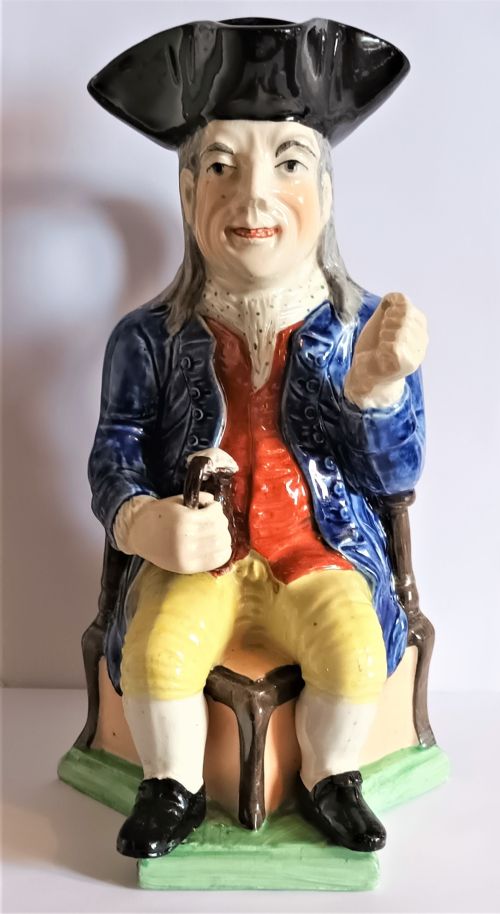
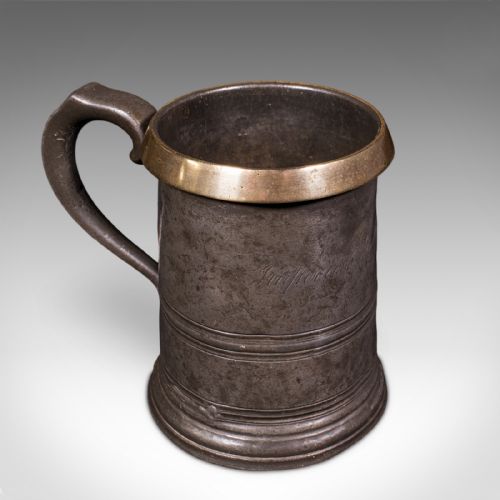
The version you are most likely to meet on this page is the nineteenth-century pewter or copper liquid measure, often bearing touchmarks, capacity stamps, or pub names from its working life. Alongside these metal standards appear Staffordshire pottery figures, salt-glazed stoneware, and oak-coopered vessels built for heavy tavern service.
Materials and construction
Metal vessels rely heavily on pewter, copper, and brass, shaped through hammering, casting, and sometimes coopered wooden construction bound with brass bands. Pewter items utilise lead-alloy casting, while copper measures and flagons feature robust soldered seams and rolled rims designed to withstand daily public house use.
Ceramic forms encompass earthenware, salt-glazed stoneware, and slipware, thrown on the wheel or moulded into character jugs before receiving traditional glazes. These clay bodies demand high-firing techniques to ensure the liquid-holding capacity required for bustling taprooms.
Listings feature metalwork spanning pewter, copper, and brass alongside earthenware ceramics and salt-glazed stoneware from the seventeenth to the twentieth centuries.
Distinguishing quality
Quality in these utilitarian objects rests upon the crispness of maker's marks, verification stamps, and the integrity of the original construction rather than pristine condition. Pieces that retain legible tavern inscriptions, crisp engravings, and unpolished surfaces demonstrate greater authenticity and historical survival.
Heavier gauge metal, well-balanced handles, and thick-walled copper or pewter indicate robust workshop production intended for heavy institutional or public house service. Finer examples show careful attention to proportions and clean casting lines without excessive modern repair.
Potter of London·J Bower·Frederic Sanders·Doulton Lambeth·Doulton of London
The Antique Pub Vessel Glossary
- Pewterware
- Utilitarian items cast from a tin alloy, commonly featuring lead, utilised extensively for drinking vessels and measures in British taverns.
- Haystack measure
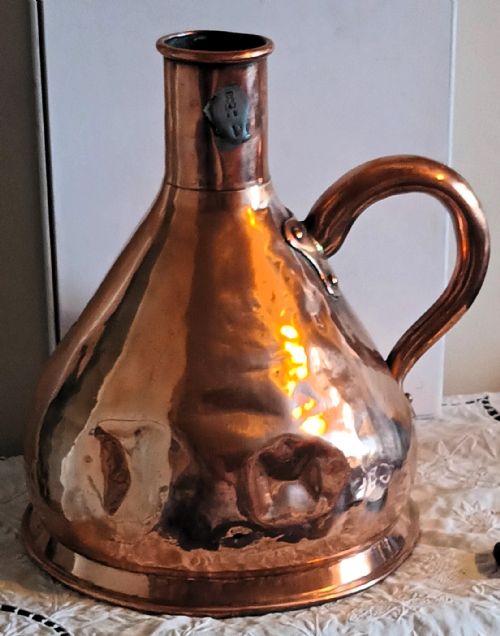
- A distinctively tapered British liquid measure made from copper or brass, possessing a characteristic tall profile resembling a hayrick.
- Puzzle jug
- A ceramic drinking vessel featuring a pierced neck and deceptive spouts that challenge the drinker to consume the contents without spilling.
- Ale muller
- A metal vessel featuring a long handle and a base designed to be placed directly into hot coals to mull spiced ale.
- Spirit measure
- A small calibrated vessel utilised for dispensing precise quantities of spirits in licensed houses before strict metric standardisation.
Antique Pub Vessel: Frequently Asked Questions
What is an antique pub vessel?
An antique pub vessel is any utilitarian drinking container, flagon, tankard, or liquid measure utilised within historic drinking houses and taverns. These objects were produced primarily in metal and ceramic materials to serve and measure alcohol.
They reflect the social history of British public houses and commercial trade before modern standardisation took over hospitality.
How were these measures used?
Liquor measures served to pour and verify precise quantities of ale, spirits, and wine for customers inside busy taverns. They acted as legal standards of measurement to ensure fair trade across English counties.
Tavern jugs and tankards were also handed directly to patrons for drinking at tables or communal benches.
How do I date an old pewter measure?
Dating pewter relies upon examining the touchmarks stamped into the metal, the style of the handle, and the capacity verification marks. Earlier pieces often feature flat lids and broad proportions, while later Victorian items follow strict imperial standards.
Maker's marks and tavern names engraved on the body provide further clues regarding the active period of use.
Are these vessels safe for holding drinks?
Most historic metal vessels, particularly older pewter, may contain lead content that makes them unsuitable for regular consumption of modern acidic beverages. Many collectors prefer to display these items as decorative works of art or historical artefacts rather than functional tableware.
Ceramic jugs with stable salt glazes are generally more inert, though care must be taken with antique surfaces.
What is a haystack measure?
A haystack measure is a traditional British liquid container shaped with a wide base tapering toward the top, resembling a stacked rick of hay. They were constructed from heavy copper or brass and calibrated to hold specific imperial volumes.
These pieces were essential equipment for busy publicans measuring large quantities of ale.