


English China Ornament
When you search for an english china ornament, you discover figures, figurines, and inkstands spanning the eighteenth to the twentieth centuries.
English China Ornament
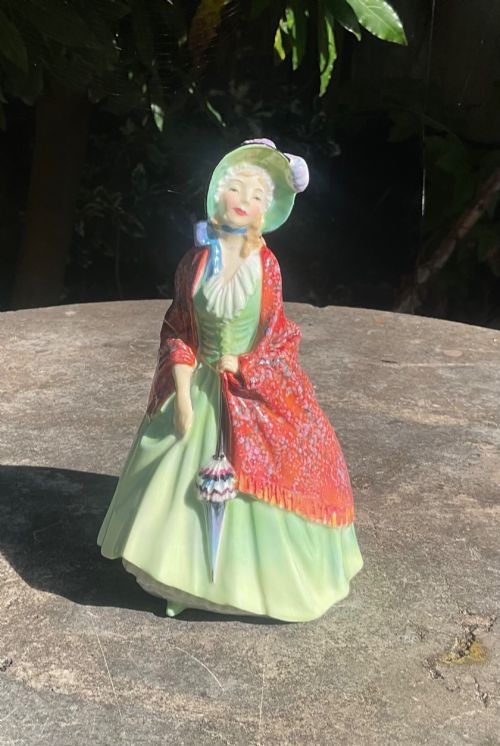
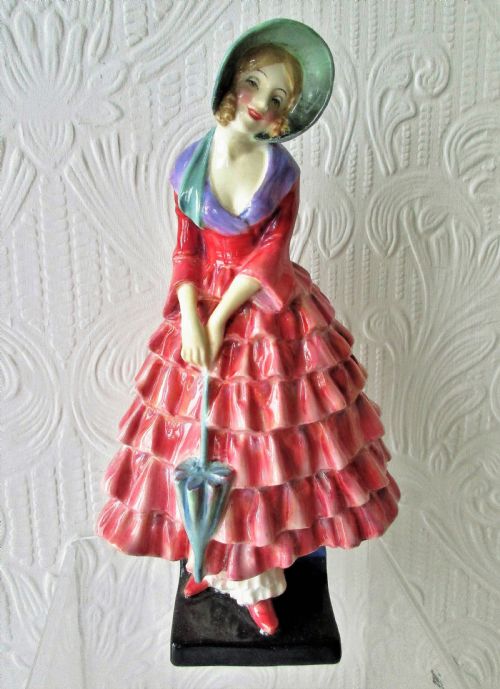
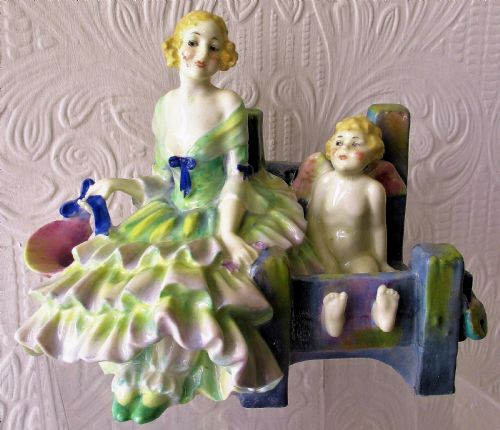
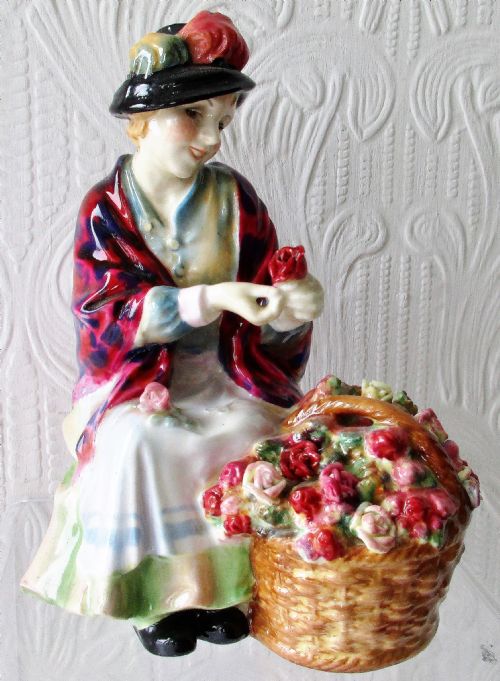
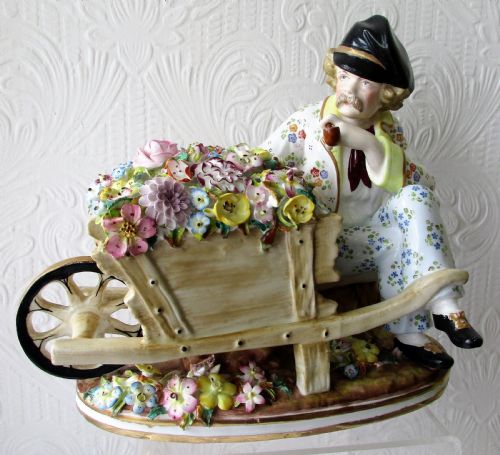
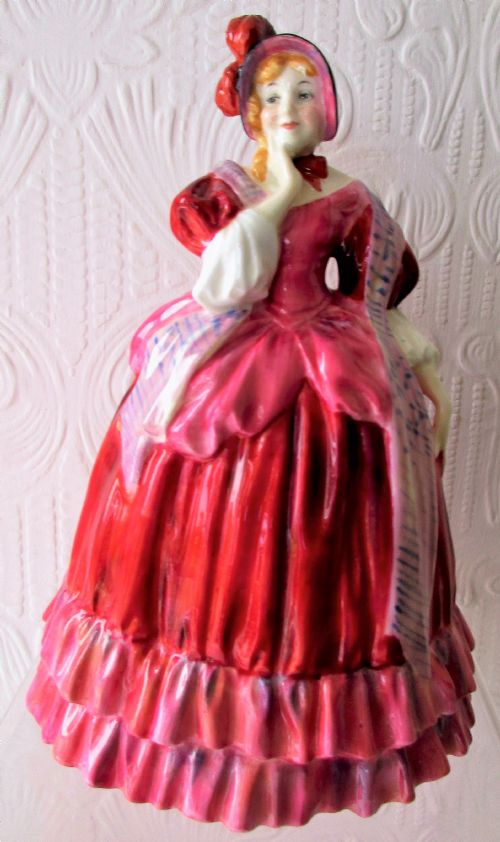
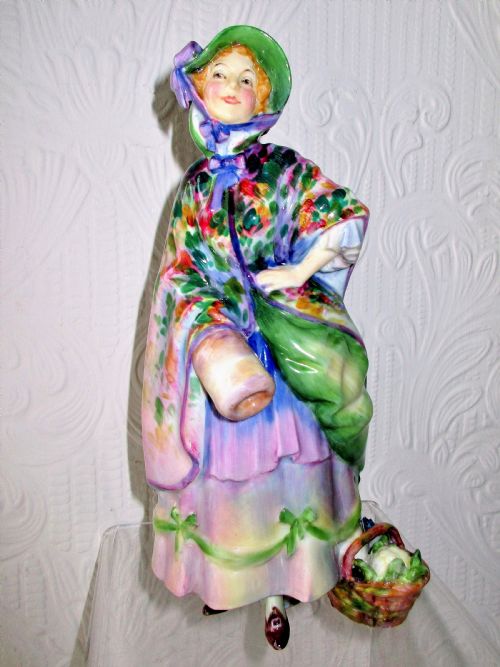
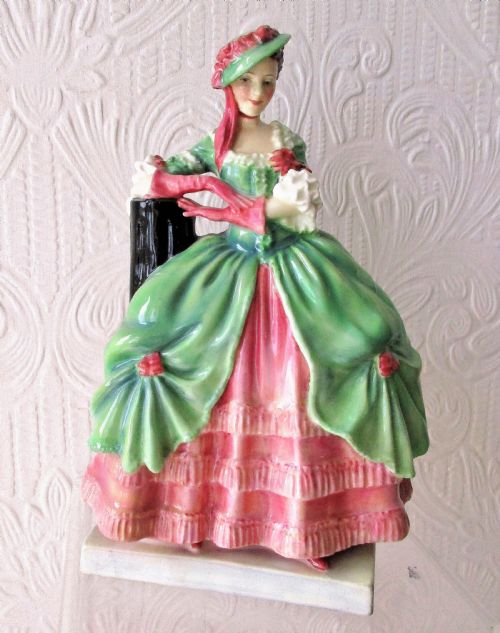
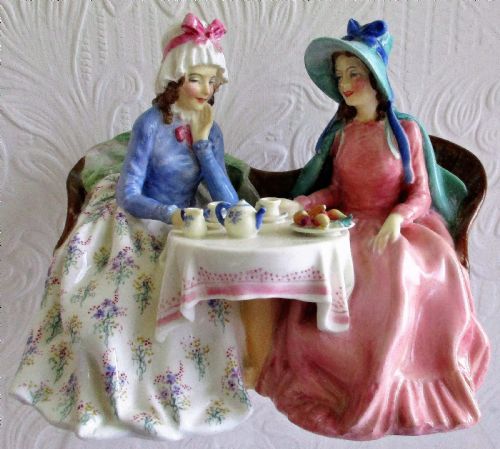
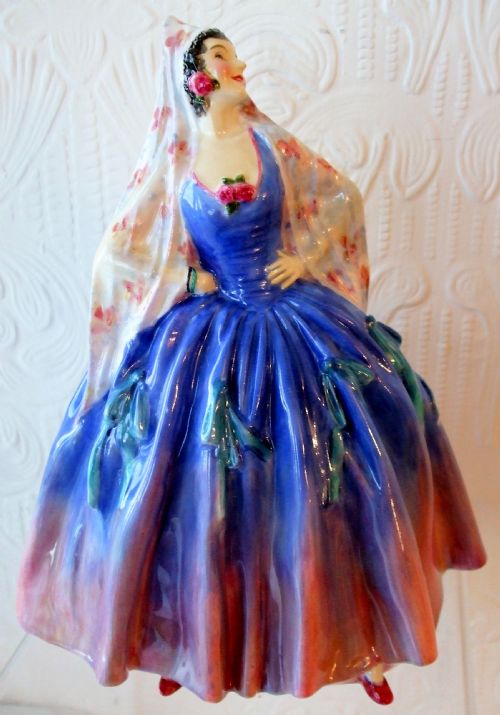
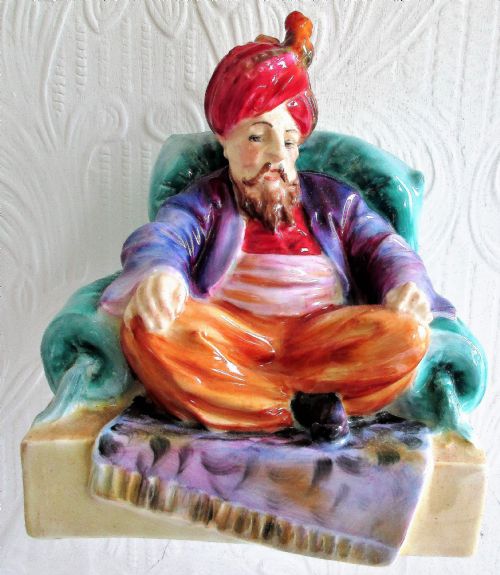
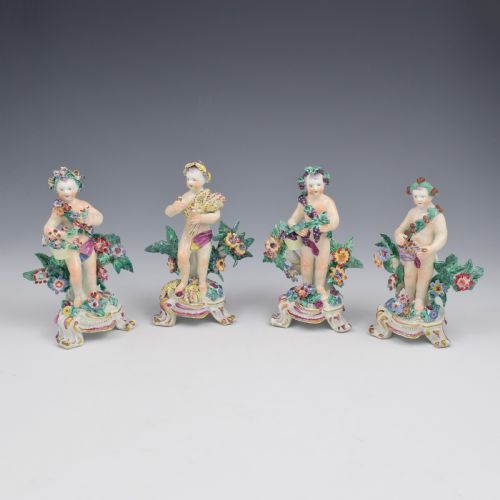
An english china ornament covers a varied range of ceramic and porcelain objects produced across several centuries in England. The selection on this page leans heavily toward twentieth-century figurines by Royal Doulton alongside eighteenth-century figures from Bow and Derby.
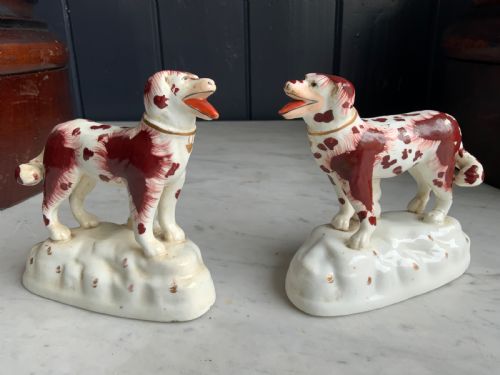
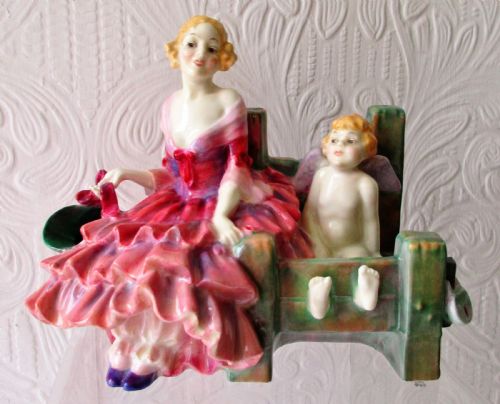
Buyers encounter decorative figures depicting human characters, allegorical subjects, and animals such as Staffordshire dogs. Forms range from freestanding portrait pieces and seasonal personifications to functional inkstands and miniature vases.
Origins stretch from early Georgian soft-paste productions to later bone china models from the Edwardian era and the 1930s. Each piece reflects the sculptural tastes and manufacturing capabilities of its specific period.
How They Were Made
Maker workshops utilised porcelain, soft-paste porcelain, and bone china moulded into intricate sculptural forms. Glazed surfaces often received hand-painted enamel colours and detailed gilding with gold leaf.
Early eighteenth-century pieces relied on soft-paste bodies fired at lower temperatures, whilst later Victorian and twentieth-century works incorporated refined bone china and durable glaze recipes.
Listings feature porcelain, bone china, and soft-paste bodies decorated with enamel and gold leaf across the Georgian and Victorian periods.
What Varies in Quality
Modelling crispness defines the distinction between standard production runs and superior examples. Finer pieces retain sharp facial expressions, delicate hand-modelled foliage, and precise drapery folds.
Enamel painting execution and the subtlety of gold leaf application indicate the skill level of the decorator. Early figures rely heavily on the fidelity of the soft-paste body and the preservation of the original glaze.
Royal Doulton·Bow·Derby·Royal Worcester·Minton·John Bevington·Spode·Staffordshire
The English China Ornament Glossary
- Soft-paste porcelain
- An artificial ceramic composition fired at lower temperatures than hard-paste, common in early English factories like Bow and Derby.
- Bone china
- A type of porcelain containing bone ash, developed to provide increased strength and a bright white body.
- Enamel
- Opaque vitreous colours applied over or under the glaze to decorate ceramic surfaces.
- Gold leaf
- Fine beaten gold applied to porcelain details and borders for enrichment.
- Putti
- Depictions of plump winged infants frequently utilised in eighteenth-century allegorical figure groups.
English China Ornament: Frequently Asked Questions
What is an english china ornament?
An english china ornament is a ceramic decorative figure, figurine, or inkstand produced by English factories across multiple centuries. These objects range from eighteenth-century allegorical porcelain figures to twentieth-century bone china character studies.
Collectors find pieces spanning the Georgian, Victorian, and later periods, reflecting changing sculptural styles and domestic interior tastes. Each item demonstrates the distinct paste recipes and painting techniques of its originating pottery.
How do I date an antique porcelain figure?
Dating relies on examining the paste composition, glaze characteristics, factory marks, and sculptural style. Eighteenth-century pieces often utilise soft-paste porcelain with characteristic glaze pooling, whilst twentieth-century items use bone china.
Stylistic cues such as Georgian rococo bases or 1930s clothing fashions provide further chronological markers. Factory backstamps and model numbers help confirm the exact production era.
Where were these ceramic figures made?
These decorative objects originated in major English ceramic production centres including Derby, Bow, Worcester, and Staffordshire. Individual factories maintained distinct traditions in modelling and enamel decoration.
Regional workshops and urban potteries contributed specific body formulations, from early soft-paste porcelain to refined bone china. Makers often specialised in particular figure types, such as allegorical sets or literary characters.
How do I care for antique china ornaments?
Antique porcelain ornaments require gentle handling and placement away from direct sunlight and areas prone to vibration. Dusting should be performed softly with a dry, clean brush to protect delicate enamel colours and gilding.
Harsh cleaning agents and water immersion should be avoided, particularly on older soft-paste bodies and pieces with gold leaf details. Stable display surfaces ensure these fragile ceramic sculptures remain secure.