


Empire Style Marble Table
An empire style marble table brings architectural dignity and classic proportion to a room.
Empire Style Marble Table
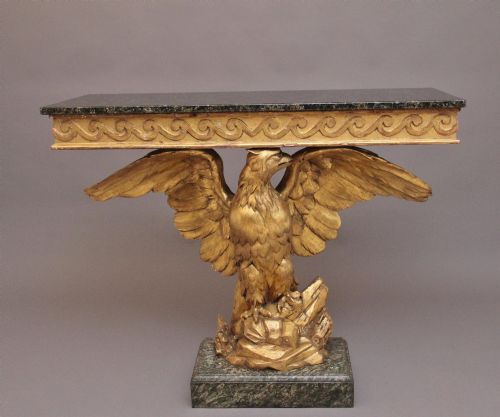
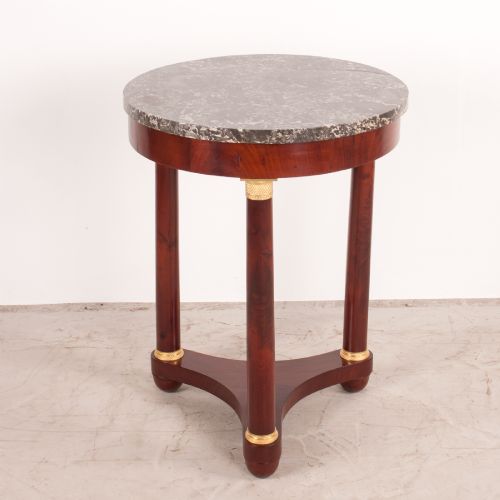
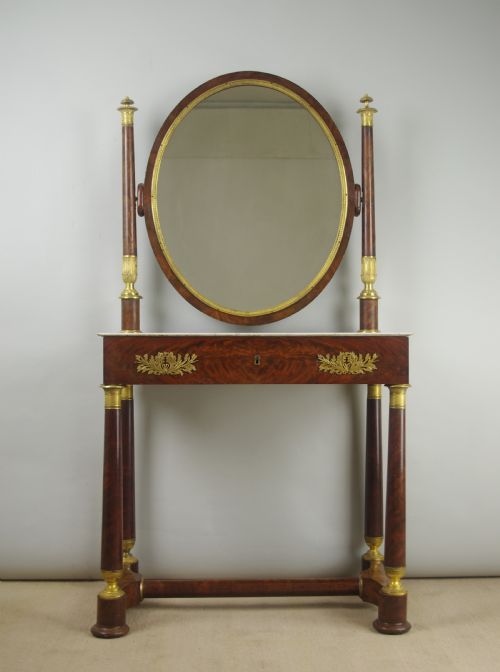
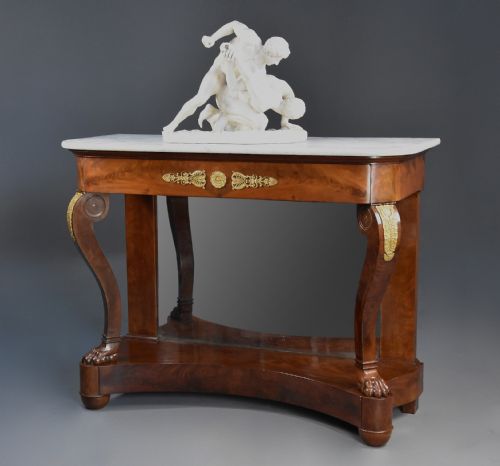
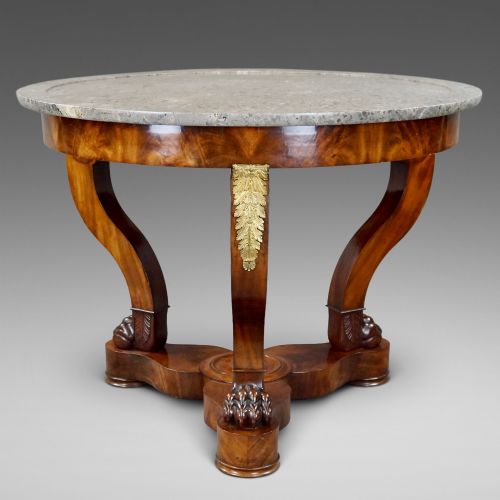
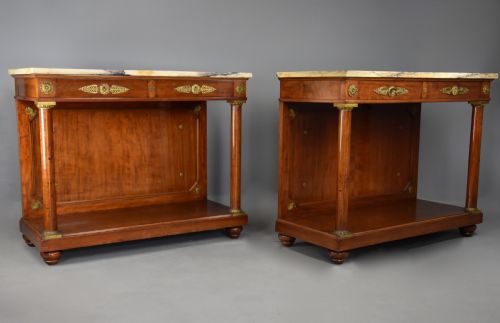
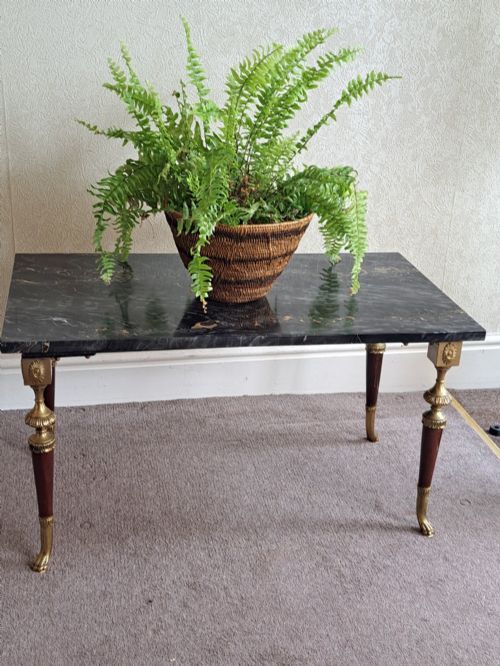
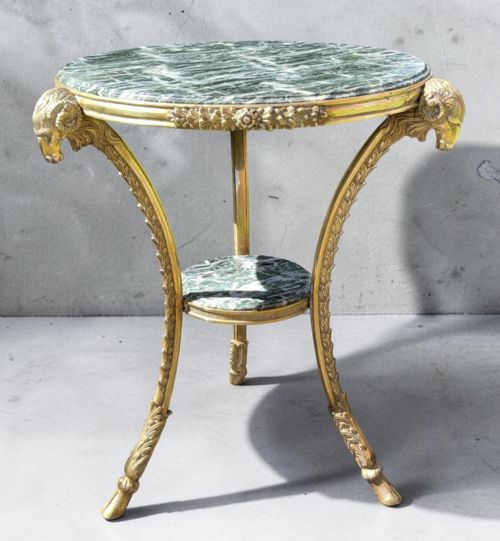
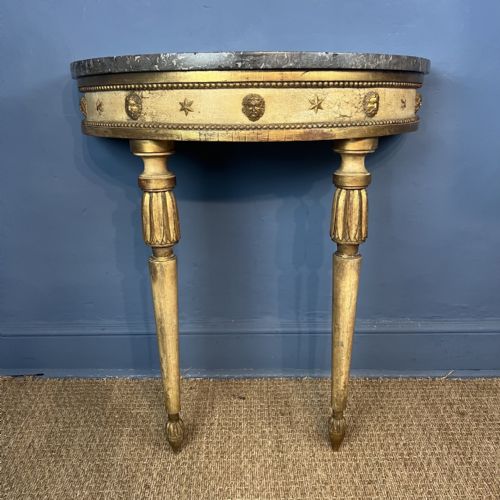
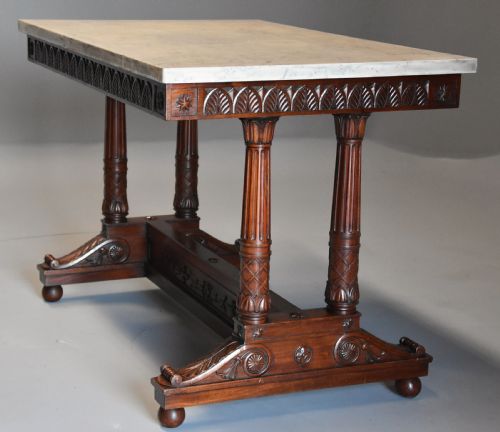
When you search for an empire style marble table, you encounter striking focal pieces designed with classical restraint and heavy stone tops. The selections span grand console tables intended for hallways, circular gueridon centre tables placed prominently in rooms, and smaller occasional or coffee tables.
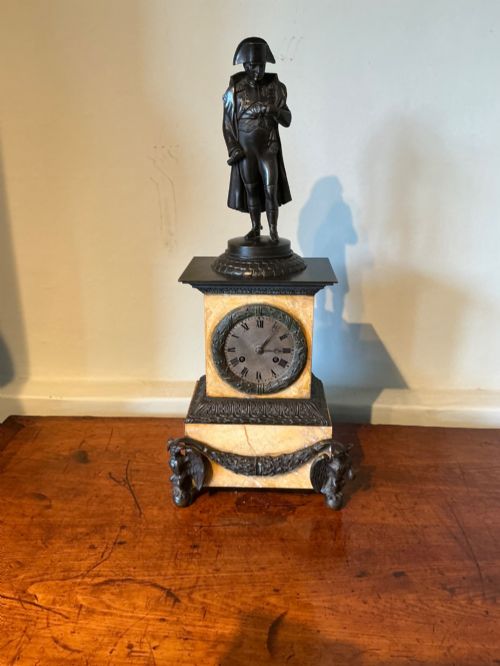
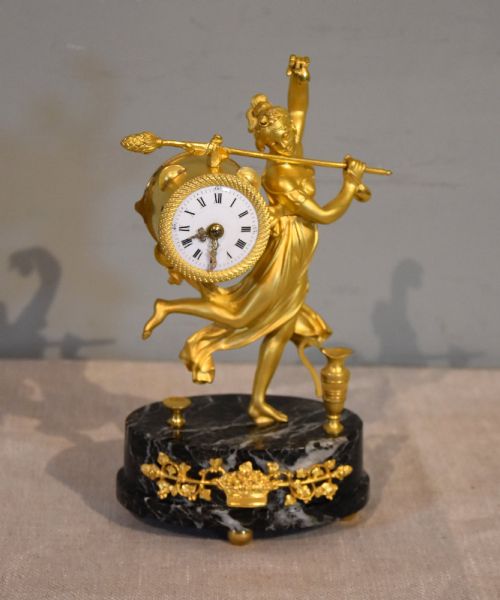
The aesthetic draws heavily on French and Italian neoclassical influences, frequently appearing alongside related forms like mantel clocks and dressing tables. Most examples date from the nineteenth century into the early twentieth century, reflecting revivals of the classic empire vocabulary.
How they were made
Cabinetmakers constructed the foundational carcases from dense timbers such as mahogany, walnut, or ebonised wood, often utilising solid construction alongside carefully selected veneers. Heavy stone slabs form the tabletops, ranging from plain white marble to rich green and red varieties.
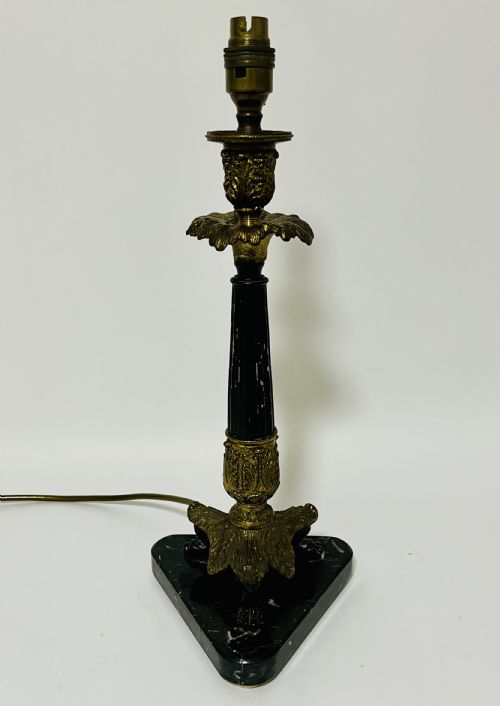
Metal ornament defines the aesthetic, employing cast brass, ormolu, and gilt bronze mounts to accent corners, friezes, and legs. Skilled artisans also applied giltwood, parcel gilding, and silvering to enhance specific architectural details.
Mahogany and marble dominate the material record for these tables, complemented by ormolu, brass, and giltwood accents.
What varies in quality
Quality rests in the crispness of the cast metal mounts and the depth of the timber work. Superior examples display finely chased ormolu and substantial bronze details rather than simple pressed brass.
Makers' stamps from notable workshops elevate the standing of a piece, indicating a higher tier of nineteenth-century French cabinetmaking. The integration between the heavy marble slab and the supporting wooden frame reveals the precision of the original joinery.
Krieger Paris·JACOB·Japy Freres
The Empire Style Marble Table Glossary
- Gueridon
- A small circular table designed to stand in the centre of a room or serve as an occasional surface. These tables often feature a single central pedestal or three supporting legs.
- Ormolu
- Gilt bronze ornament applied to furniture and clocks, created through a mercury gilding process on cast bronze. It provides a rich golden lustre that contrasts with dark mahogany.
- Console table
- A wall-mounted or freestanding table designed to sit flat against a vertical surface, typically topped with heavy marble. They frequently anchor entrance halls or principal reception rooms.
- Neoclassical
- A style reviving classical architectural motifs from ancient Greece and Rome. It prioritises symmetry, straight lines, and classical proportions.
Empire Style Marble Table: Frequently Asked Questions
Where should I place an empire style marble table?
A circular gueridon works effectively in the middle of a room as a focal point for lamps or decorative objects. Rectangular console versions anchor nicely against a hallway or drawing room wall.
The substantial stone top demands a stable floor and enough surrounding space to let the classical proportions breathe without crowding seating arrangements.
How do I care for the marble top?
Clean the stone surface using a damp cloth and mild, neutral soap, avoiding acidic cleaning solutions that can etch the polish. Use coasters under glasses to prevent liquid rings from forming on vulnerable marble.
Waxing the wooden base helps preserve the timber, while the stone requires only gentle wiping to maintain its natural lustre.
How do I distinguish 19th-century pieces from later revivals?
Early nineteenth-century examples often display older construction techniques, hand-cut timber joints, and heavier patination on the wood and metal mounts. Later revivals from the late nineteenth or early twentieth century utilise more standardised machine methods.
Maker stamps and specific regional cabinetmaking traits also help anchor the exact production period.
What woods were commonly used?
Mahogany serves as the primary timber across most surviving examples, providing a dark, dense base for bright metal mounts. Walnut and ebonised woods also appear frequently in both French and Italian iterations.
Secondary woods inside the carcase construction provide clues to the geographic origin of the workshop.