
Elm Country Kitchen Chairs
Solid elm country kitchen chairs combine utilitarian strength with vernacular warmth, offering a durable seating choice rooted in domestic history.
Elm Country Kitchen Chairs
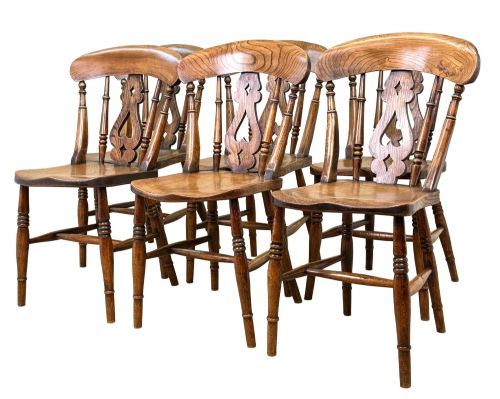
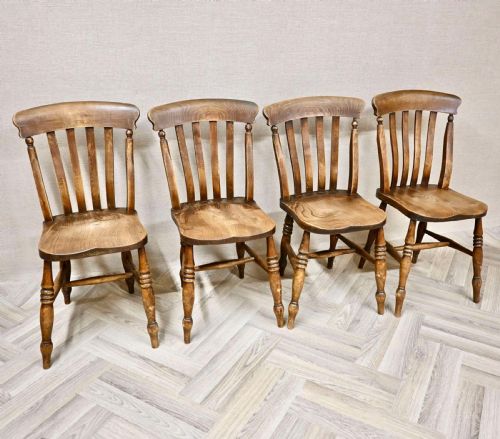
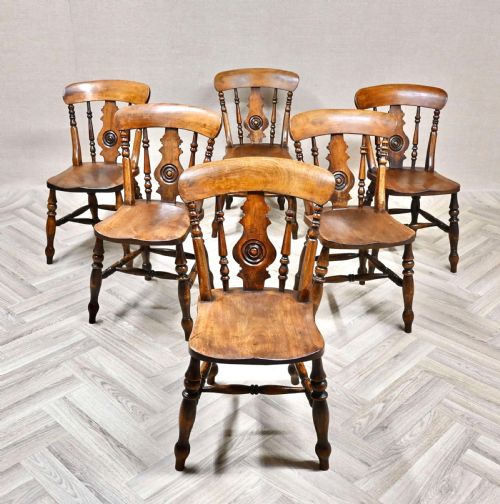
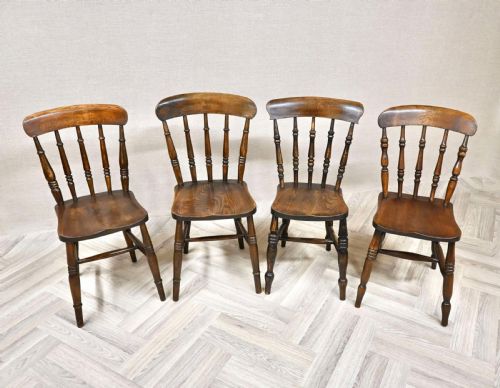
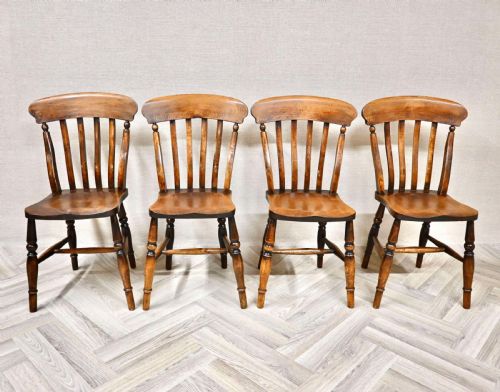
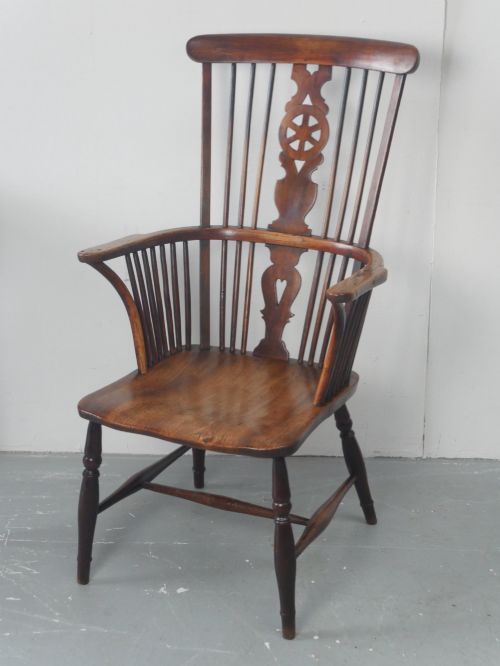
Elm country kitchen chairs encompass practical dining seats and robust armchairs produced for domestic use across rural properties. These items bridge utilitarian purpose and regional vernacular design, drawing on centuries of local woodworking tradition.
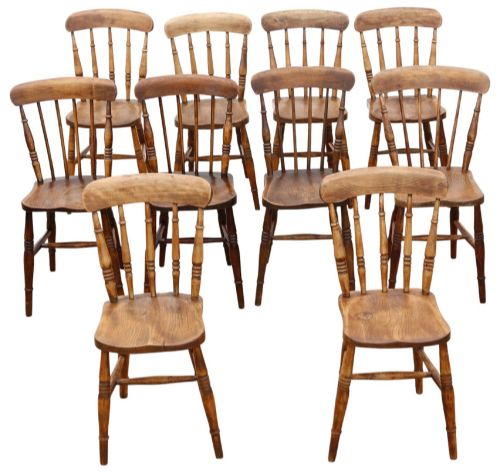
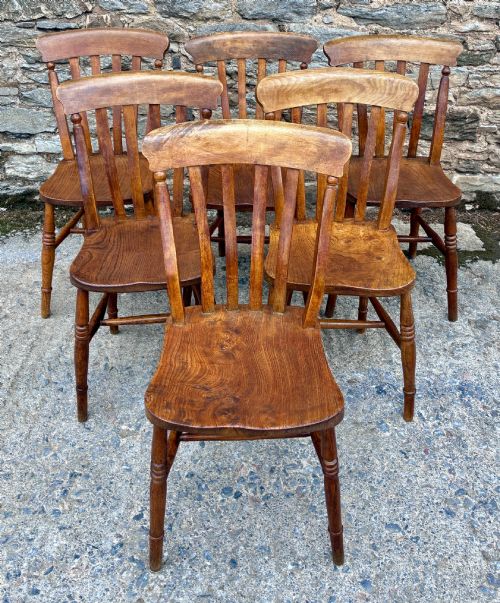
Most examples encountered here originate from the nineteenth century, including Victorian periods and regional production centres such as the Thames Valley. Sets vary from matched dining groups to assembled harlequin collections gathered over time.
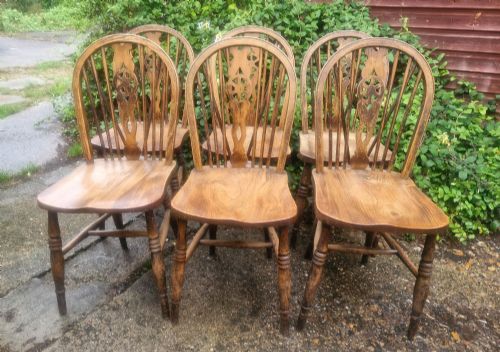
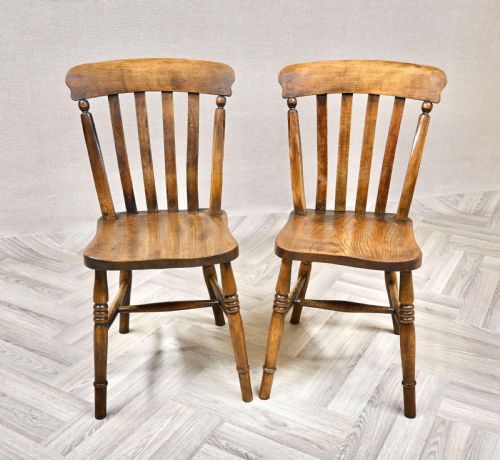
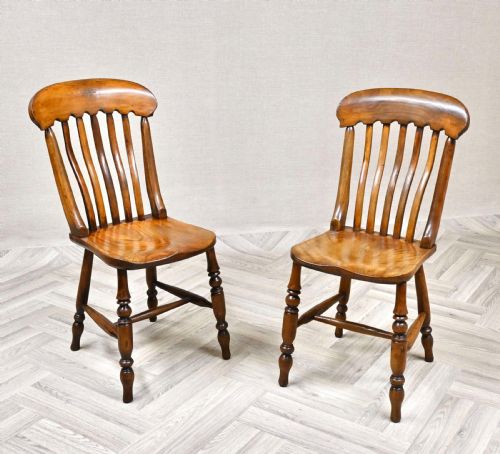
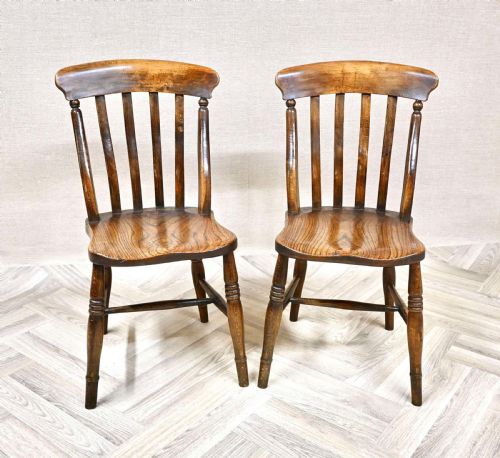
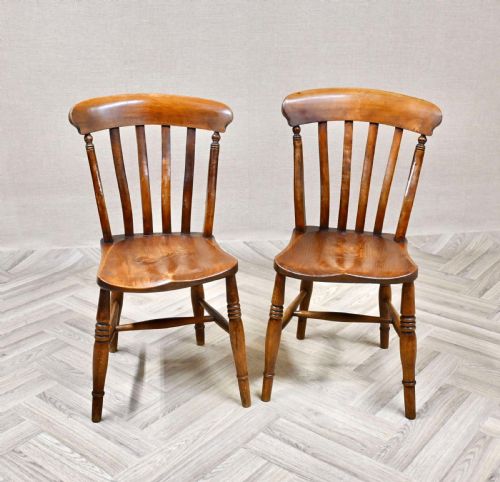
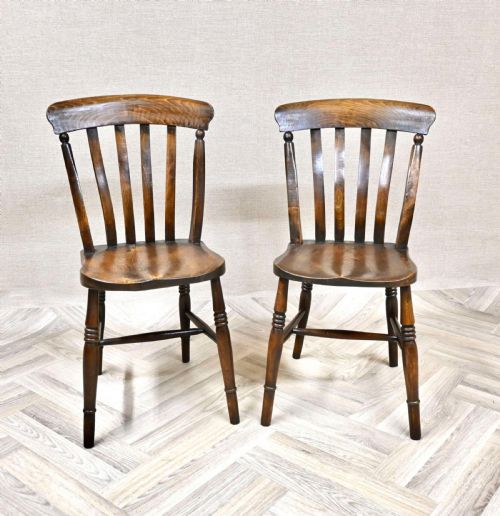
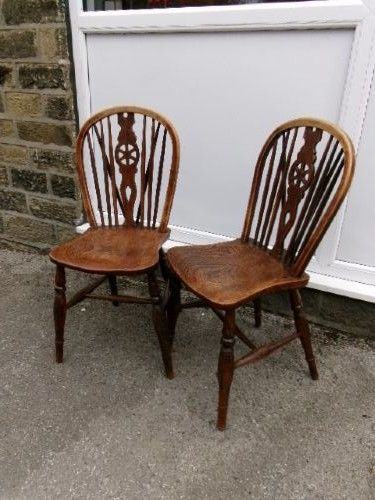
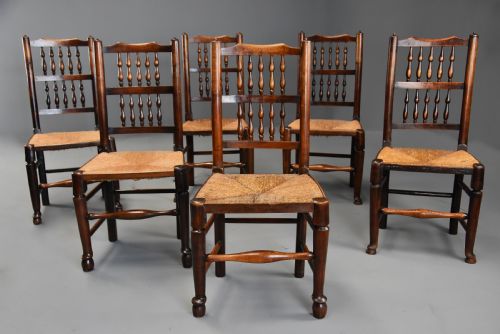
Forms include Windsor variations with hoop, stick, lath, or wheel backs, alongside spindle back and ladder back designs. Timber combinations commonly pair elm seats with beech, ash, or oak frames.
Materials and construction
Makers selected elm for solid seats due to its interlocking grain, which resists splitting when driven with heavy legs and spindles. Spindles and bow frames typically utilise straight-grained ash or beech for structural resilience and flexible bending properties.
Traditional construction relies on wedged tenon joints and steam-bent components shaped over wooden forms. Seats were deeply saddled using adzes and scorps to create ergonomic contours from thick plank timber.
Listings feature nineteenth-century styles including Victorian country, Thames Valley vernacular, and mid-century utility pieces.
Quality variations
The distinction between standard utility seating and superior examples rests on timber selection and sculptural depth in the saddle and arms. Well-preserved patination and minimal timber replacement preserve the integrity of the original construction.
Thames Valley and regional workshop pieces often display finer turning on legs and more generous proportions in the bentwood bows. Balanced proportions across larger sets indicate disciplined workshop production rather than hurried output.
Worksop best model
The Elm Country Kitchen Chairs Glossary
- Windsor chair
- A wooden chair constructed with a thick solid timber seat into which the legs and back spindles are separately inserted. This design developed deep regional variations across British provinces.
- Harlequin set
- A collection of dining chairs sharing a similar style, period, or material but gathered from different origins. Such groupings frequently occur in country houses where sets evolved organically.
- Crinoline stretcher
- A curved under-stretcher linking the legs of a Windsor chair to provide lateral stability. It is often found on earlier examples from the nineteenth century.
- Spindle back
- A chair back constructed from multiple thin turned rods fitted between a top rail and the seat. This arrangement distributes weight evenly while maintaining an open silhouette.
- Patina
- The surface texture and sheen developed by timber over decades of use, cleaning, and exposure to light. This quality reflects the handling history of the piece.
Elm Country Kitchen Chairs: Frequently Asked Questions
How do I care for antique elm seats?
Apply natural beeswax periodically to nourish the dry timber and maintain the surface sheen. Avoid placing wooden chairs near direct heat sources to prevent shrinkage.
Keep humidity levels stable within the room to protect ancient glue joints and prevent the elm planking from splitting.
Are harlequin sets authentic?
Harlequin sets represent historical domestic practice where owners gathered individual chairs of similar vernacular style over many years. Country houses frequently utilised mixed sets around large kitchen tables.
Such groupings share matching wood tones and construction methods even if subtle turning details differ between individual chairs.
What timber combinations are typical?
Elm appears consistently in the solid saddle seats because its interlocking grain resists cracking under heavy daily use. Ash, beech, and occasionally oak provide contrasting rigidity for the steam-bent hoops and turned legs.
Secondary woods indicate regional material availability rather than random assembly by the original provincial makers.
How do I identify a Windsor chair?
Windsor chairs feature distinct construction where legs and back components plug directly into a thick wooden seat. This separates them from framed chairs with mortice and tenon skeletons.
Variations include hoop backs, wheel backs, and lath backs depending on the regional workshop origins.