

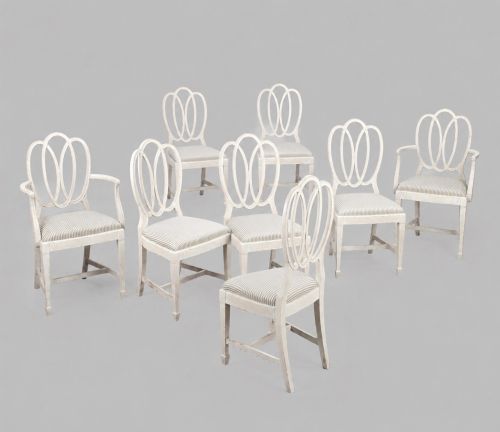
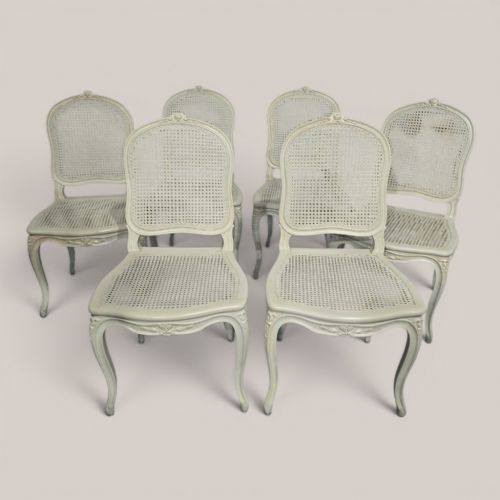
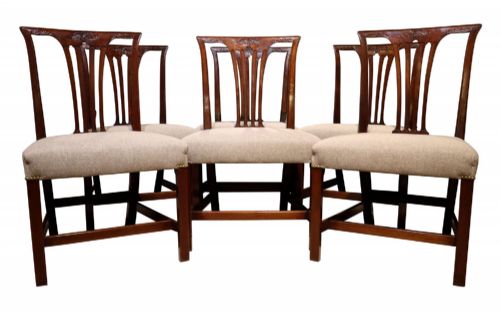
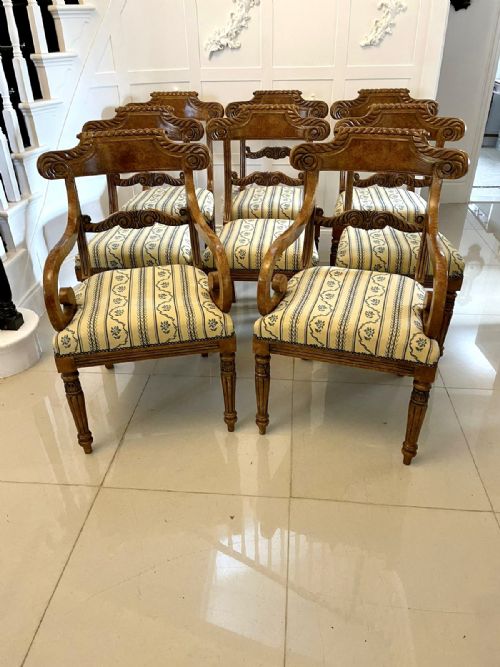
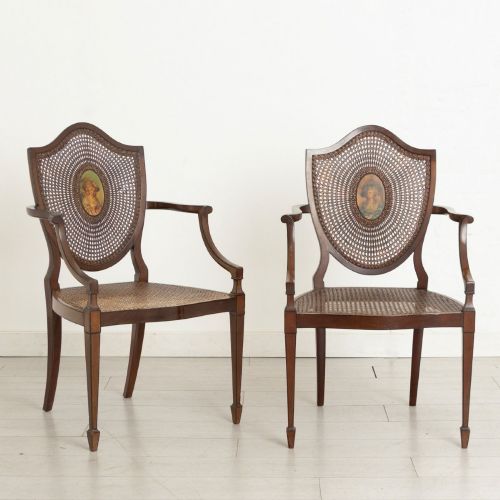
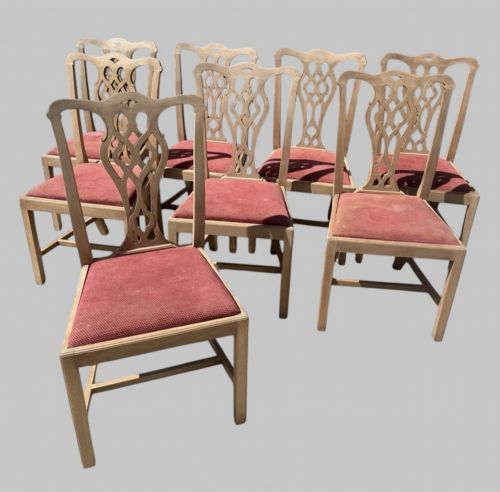

Country Style Dining Chairs
Country style dining chairs bring honest vernacular timber and regional joinery straight to the dining table.
Country Style Dining Chairs
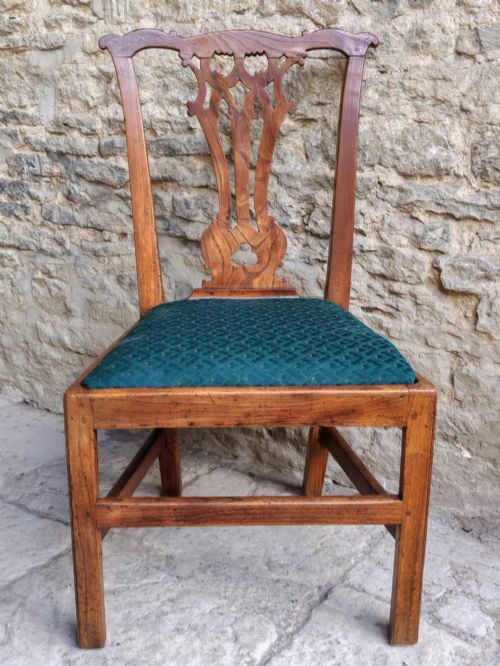
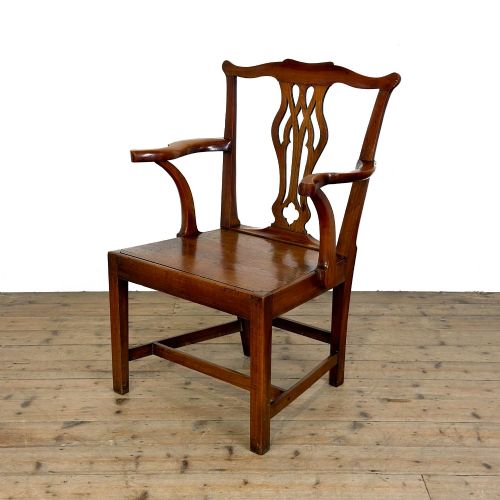
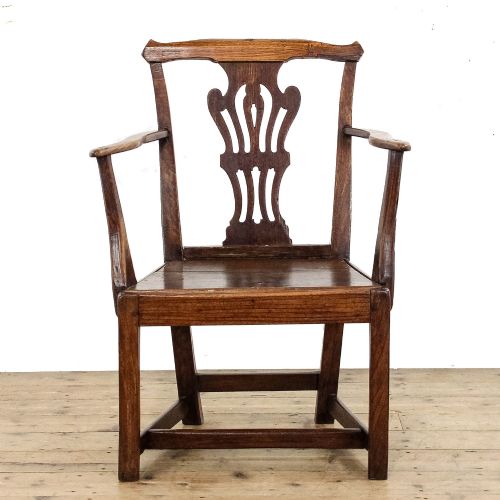
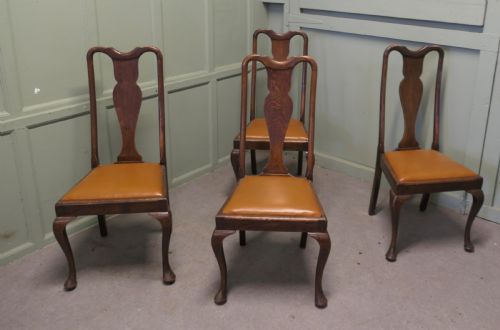
Country style dining chairs encompass unpretentious domestic seating built from local timbers, spanning side chairs, carvers, and armchairs. These pieces draw on vernacular traditions alongside reinterpretations of formal Georgian, Queen Anne, and Chippendale aesthetics adapted for rural life.
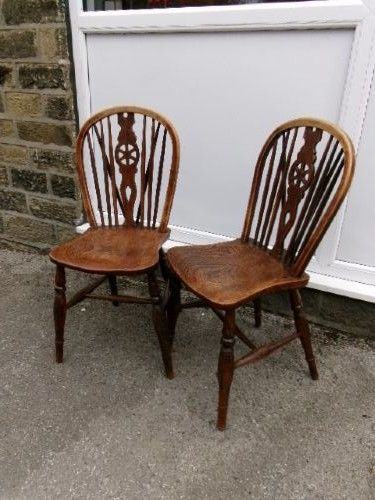
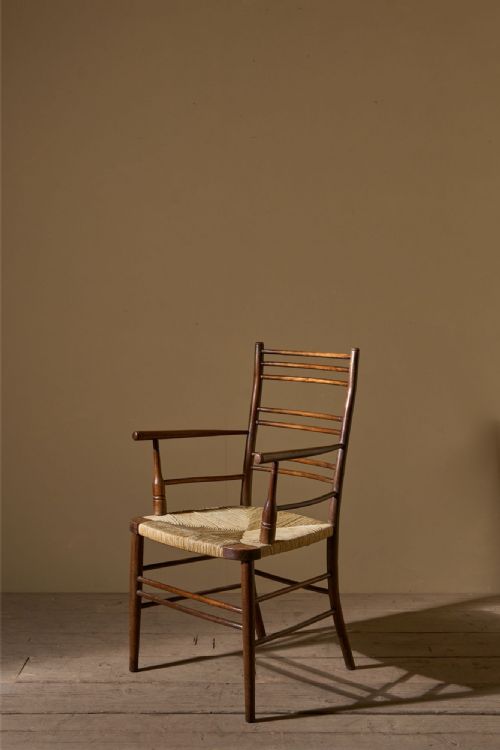
The version most commonly met on this page is the elm or ash Windsor chair, alongside ladderback designs and solid wood dining sets from the eighteenth and nineteenth centuries. These chairs prioritise functional strength and honest construction over courtly ornament.
Makers working in provincial regions often utilised regional idioms, combining spindle backs, comb backs, and rush or wooden seats. Such variations reveal a vernacular lineage distinct from metropolitan cabinet making.
Materials and construction
Makers relied heavily on native hardwoods such as elm, ash, oak, and fruitwood, selecting timbers for resilience and bending strength. Elm provided a tough, interlocking grain ideal for solid shaped seats that resisted splitting under daily use.
Joinery methods combined traditional pegged mortise and tenon joints with turned spindles and steam bent components. Rush seating and fabric or leather squabs introduced softer elements to rigid wooden frames.
Several wheelback chairs retain the distinct saddle hollows shaped by generations of fidgety diners.
Standards of execution
The distinction between ordinary utility seating and superior examples rests in the proportion of the turnings, the selection of figured timber, and the integrity of the original joints. Better chairs exhibit balanced proportions, well sculphed seats, and minimal structural intervention over time.
Subtleties in the rake of the legs, the taper of spindle backs, and the crispness of carved details separate standard vernacular output from ambitious country house commissions.
Wheelers of Arncroach·Edward Gardener
The Country Style Dining Chairs Glossary
- Windsor chair
- A wooden chair featuring a solid moulded saddle seat into which separate legs and back spindles are wedged. This form relies on staked construction rather than a traditional frame.
- Carver chair
- An armchair designed to sit at the head of a dining table, usually matching a set of smaller side chairs. These pieces often feature more substantial arms and wider proportions.
- Ladderback
- A chair back constructed from horizontal arched slats positioned between two upright posts. This regional design dominated vernacular seating through the eighteenth and nineteenth centuries.
- Rush seat
- A woven seating surface created from dried marsh reeds twisted into cords and wrapped around the seat rails. This technique offers a resilient and slightly yielding platform.
- Vernacular
- Objects designed by local tradesmen for everyday use, following regional traditions rather than metropolitan pattern books. These pieces reflect the specific materials available in their immediate locality.
Country Style Dining Chairs: Frequently Asked Questions
What defines country style dining chairs?
These chairs are defined by their use of local timbers like elm, ash, and oak, paired with straightforward regional construction methods. They frequently adapt formal urban styles such as Chippendale or Queen Anne into simpler, sturdier provincial forms.
Unlike metropolitan seating made for formal drawing rooms, country chairs emphasise practical domestic utility, comfort, and honest structural joinery.
How do you tell elm from oak on these chairs?
Elm typically displays a turbulent, interlocking grain pattern that resists splitting, making it the primary choice for solid sculpted saddle seats. Oak exhibits prominent medullary rays and an open, coarser grain structure suited to framed components.
Examining the grain under good light reveals these distinct botanical characteristics, which directly influenced how provincial makers deployed each timber.
Were these chairs originally made in sets?
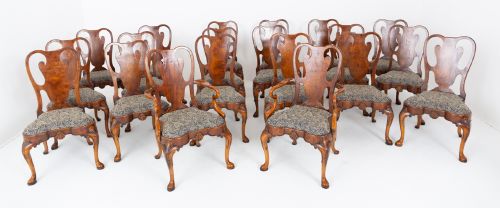
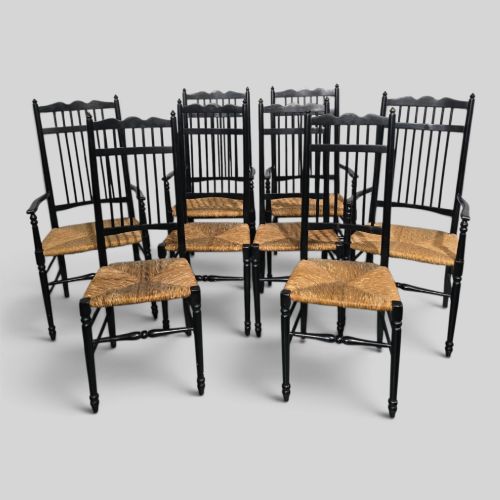
Many early country chairs were produced individually or in small pairs to meet immediate household needs, meaning large matching sets of six, eight, or ten are scarcer. Larger groupings often assembled over time or created for substantial country house dining rooms.
When larger sets do appear, inspecting the timber grain and turning variations helps confirm whether the chairs grew together or started life as a unified commission.
How should rush seats be maintained?
Rush seats require a stable indoor environment with moderate humidity to prevent the dried marsh reeds from becoming brittle and snapping. Avoiding excessive moisture and applying microclimate protection helps preserve the woven fibres.
Regular gentle dusting prevents abrasive grit from lodging between the twisted cords, maintaining the structural integrity of the woven surface.