


Eighteenth Century Writing Desk
An eighteenth century writing desk brings centuries of refined craftsmanship into a room, offering functional workspace alongside rich timber patination.
Eighteenth Century Writing Desk
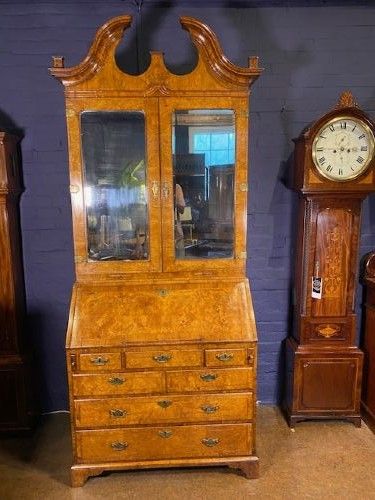
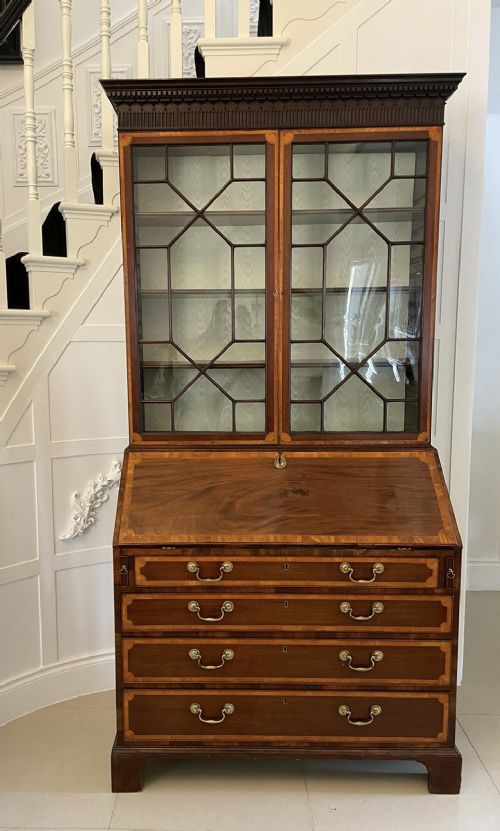
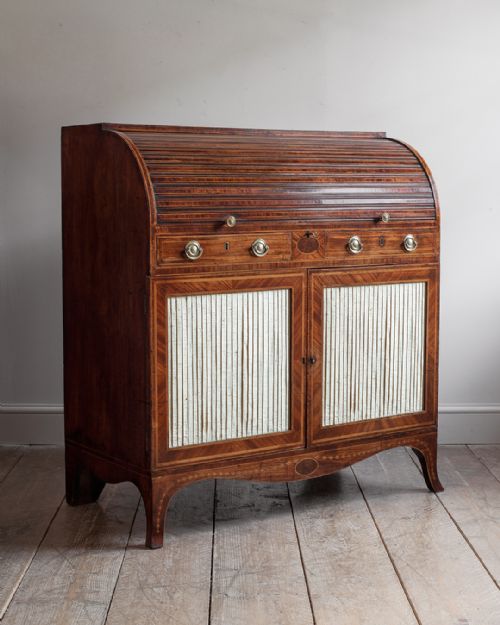
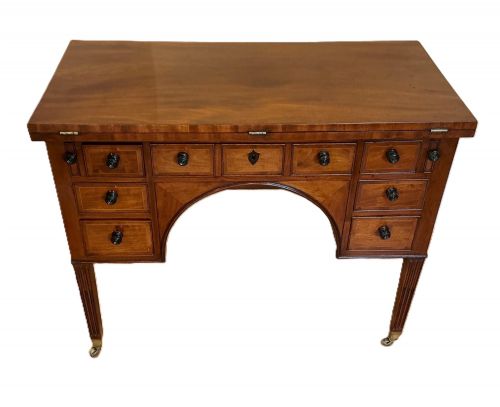
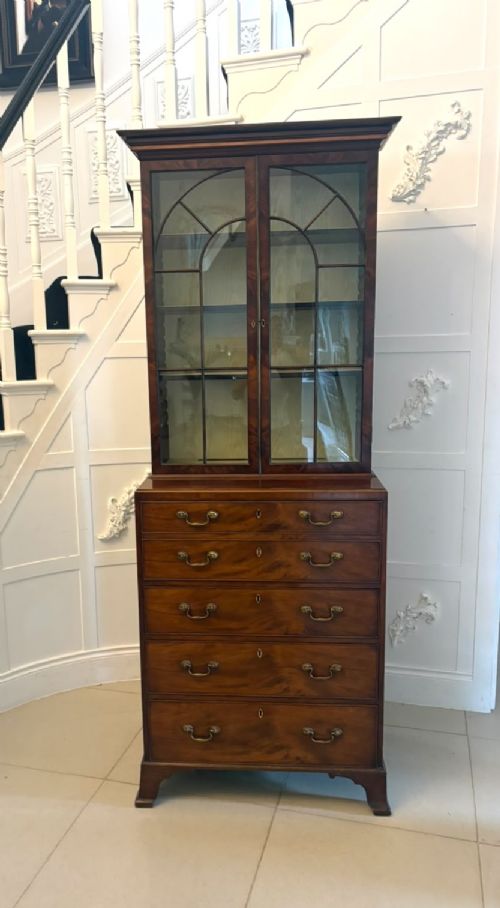
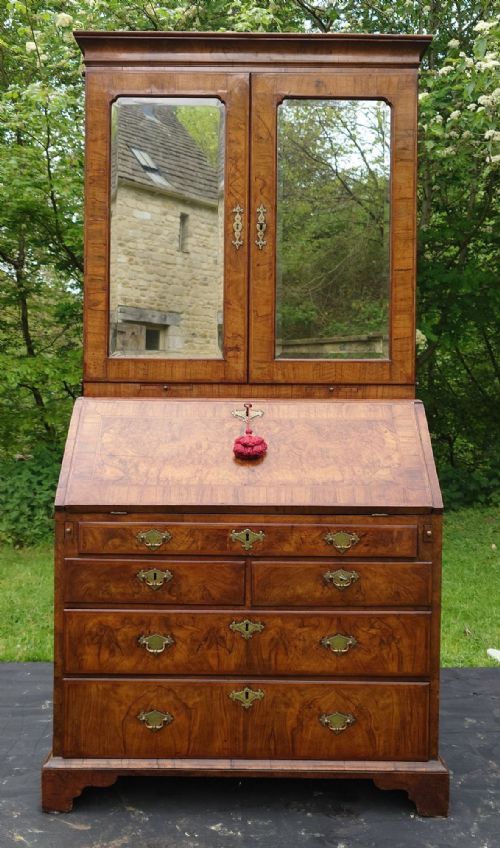
An eighteenth century writing desk encompasses diverse forms including bureaux, bureau bookcases, kneehole desks, and satinwood writing tables rooted in Georgian and earlier traditions. Buyers searching for an eighteenth century writing desk encounter substantial bureau bookcases alongside smaller writing tables and lowboys.
The objects span periods from the seventeenth century through to the nineteenth century, reflecting stylistic evolutions in Georgian, Queen Anne, and Rococo designs. Walnut and mahogany predominate, often enhanced with satinwood, burr walnut, or marquetry details.
Makers and regional workshops across England, Ireland, Italy, Holland, and France produced these pieces using native and exotic timbers. Survivors include compact bonheur du jour writing desks as well as imposing double dome library cabinets.
Materials and construction
Cabinetmakers utilised solid timbers and veneers of mahogany, walnut, and satinwood, often selecting figured varieties to create decorative grain patterns on facades and writing surfaces. Burr walnut and floral marquetry add elaborate surface ornamentation to Dutch and English examples.
Brass handles, escutcheons, and hinges secure drawers and drop-front writing slopes, while glass panels feature in astragal glazed bookcase doors. Pine and oak frequently form secondary framing and drawer linings inside the primary hardwood structures.
Eighteenth Century Writing Desk Retail Price Guide 2026
Typical asking prices for eighteenth century writing desk among the pieces listed under this phrase on Sellingantiques today, from the lower quarter to the upper quarter. They describe what is for sale here now, not the wider market.
Listings feature eighteenth century writing desks in mahogany, walnut, satinwood, and oak, spanning Georgian, Queen Anne, and continental Rococo styles.
Evaluating craftsmanship
Superior examples display meticulous timber selection, where figured mahogany or burr walnut grain aligns seamlessly across drawer fronts and fall-front writing surfaces. Finer pieces incorporate delicate stringing, marquetry, or crossbanding executed with precision.
Internal configuration dictates distinction, separating simple writing tables from elaborate bureau bookcases fitted with secret compartments, pigeonholes, and panelled doors. Original brass hardware and well-preserved structural joinery further elevate a piece.
Gillows·Gamichon A Paris
The Eighteenth Century Writing Desk Glossary
- Bureau
- A desk featuring a sloping hinged writing flap that opens to reveal internal drawers and pigeonholes. These items frequently sit atop a chest of drawer bases.
- Secretaire bookcase
- A tall cabinet combining a writing drawer or drop-front desk section with upper shelving enclosed by glazed or wooden doors. This dual-purpose furniture maximises storage and workspace.
- Kneehole desk
- A compact flat-top writing desk featuring a recessed central cupboard flanked by pedestals of small drawers. This layout allows a seated person to place their legs comfortably underneath.
- Marquetry
- The art of applying decorative veneer pieces in wood, metal, or shell to form elaborate floral or geometric patterns across a surface. Artisans use this technique to adorn cabinet doors and drawer fronts.
- Lowboy
- A small low dressing or writing table fitted with one or more rows of drawers beneath a flat top, typically supported on slender legs. These tables often feature cabriole legs and pad or trilobe feet.
Eighteenth Century Writing Desk: Frequently Asked Questions
What is a bureau bookcase?
A bureau bookcase combines a sloping desk compartment with an upper shelving unit enclosed by doors. It provides both concealed workspace and display storage in one tall item.
Cabinetmakers constructed these pieces in walnut or mahogany, often featuring glazed doors or mirrored panels to showcase books and porcelain.
How do I distinguish walnut from mahogany?
Walnut displays a rich brown colour with darker grain figuring, often showing swirling patterns or burl textures. It dominated earlier pieces before mahogany gained widespread favour.
Mahogany exhibits a reddish-brown tone with straight or interlocking grain that deepens in patina over time. It forms the backbone of later Georgian writing desks and tables.
Where were kneehole desks used?
Kneehole desks served as personal writing and correspondence tables in private parlours or libraries. Their compact footprint allowed them to fit neatly against walls or within smaller rooms.
The recessed central cupboard provided a private space, sometimes housing a concealed shelf or small hidden compartment behind the exterior door.