


Eight Day Clock Movement
An eight day clock movement powers timepieces designed to run for over a week before needing manual winding.
Eight Day Clock Movement
An eight day clock movement represents the mechanical heart of tall case, wall, and table timepieces found across several centuries. When exploring this selection, buyers encounter mechanisms housed within longcase clocks, bracket clocks, and wall clocks spanning the eighteenth, nineteenth, and twentieth centuries. These internal gear trains provide the functional drive for pendulum timepieces and spring driven instruments alike.
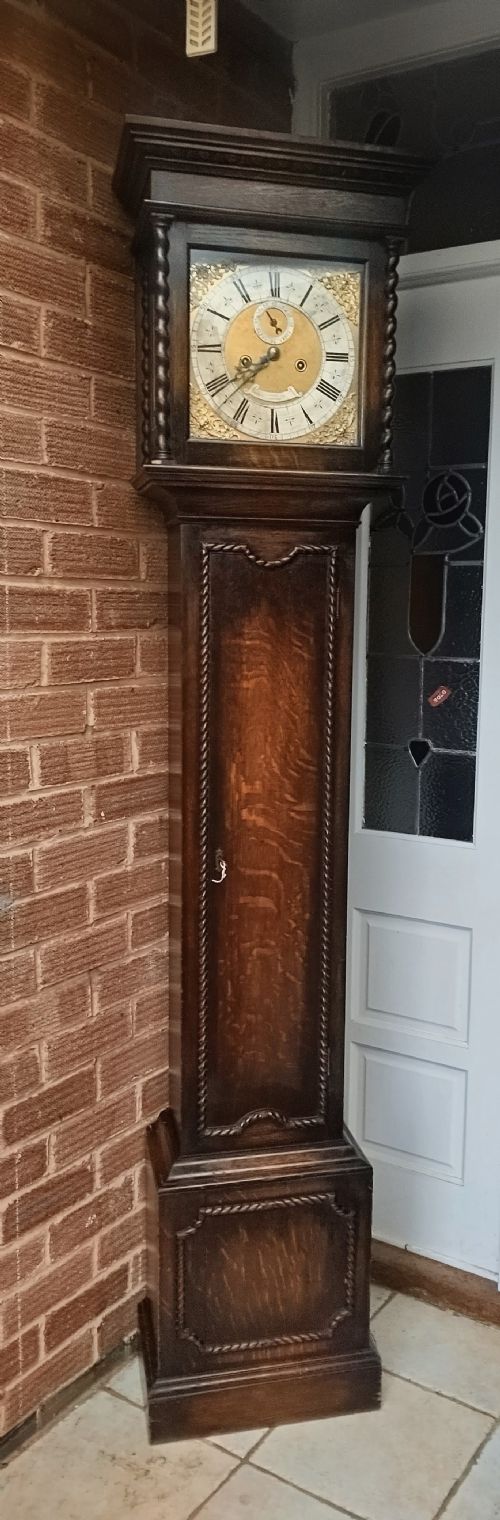
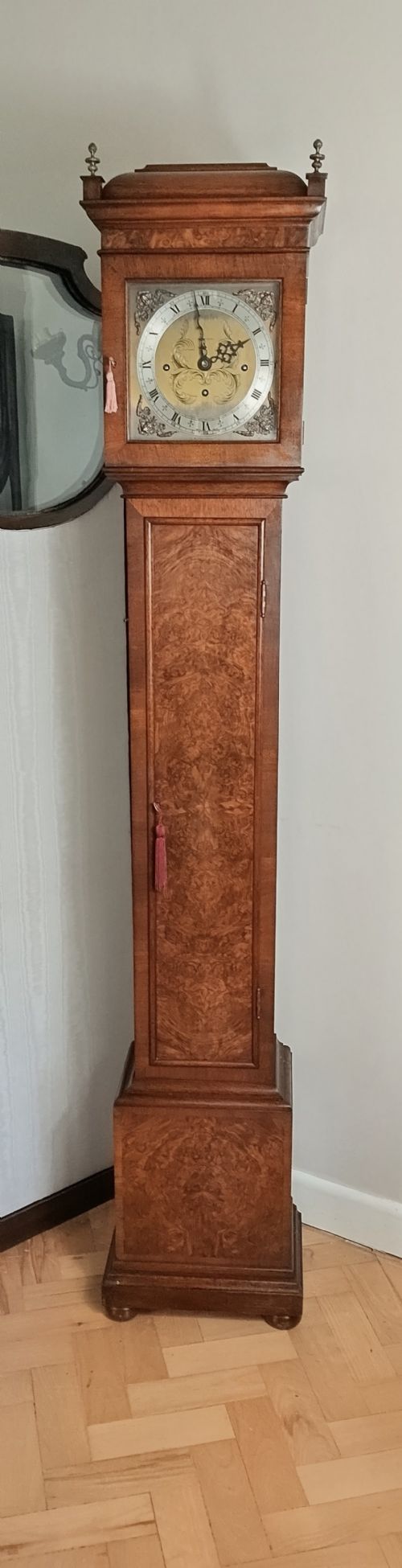
The objects listed here appear in diverse forms, from robust oak longcase clocks to intricate walnut bracket clocks and mahogany drum head designs. Many examples retain their original painted or brass dials, alongside fitted glass panels and timber cases shaped in Georgian, Victorian, Regency, and Arts and Crafts styles. The movements themselves range from simple time and strike configurations to complex musical chiming systems.
Materials and Construction
Clockmakers constructed these movements primarily from brass and steel, utilising durable metal alloys for gear wheels, plates, and escapements. Cases and housings relied on seasoned timbers such as mahogany, oak, burr walnut, and maple, often complemented by glass doors and painted or brass dials. Iron and other base metals appeared in structural weights and internal framing where additional strength was required.
The manufacturing process combined precision metal cutting with traditional cabinet making techniques to house the heavy mechanical gear trains. Fusee chains, barrel springs, and pendulum suspensions required exact calibration to ensure the mechanism maintained consistent tension over its eight day running cycle. Skilled artisans assembled striking and chiming complications by hand, integrating tubular gongs or bells to signal the hours.
Listings feature movements housed in oak, mahogany, and burr walnut cases, spanning Georgian, Victorian, and Arts and Crafts design periods.
Markers of Quality
Superior quality in these mechanisms often rests on the precision of the gear cutting, the presence of maintaining power during winding, and the complexity of the striking or chiming trains. Finer movements feature twin or triple fusee arrangements rather than standard spring barrels, ensuring even force is delivered to the escapement as the weights descend.
Cabinet work and dial execution match the mechanical standard, with hand engraved brass plates, silvered chapter rings, and finely figured timber veneers elevating the piece. Maker signatures inscribed on dial faces or movement backplates frequently indicate workshop pedigree and distinguish standard production items from bespoke master work.
James Harvey of Abergavenny·John McGregor·John Stokes of Bewdley·W B Headlam of Stockton on Tees·WINTERHALDER W & H
The Eight Day Clock Movement Glossary
- Fusee
- A conical pulley used in mechanical clocks to maintain even tension on the gear train as the mainspring unwinds. This device ensures consistent timekeeping throughout the eight day cycle.
- Chapter ring
- The outer ring on a clock dial that bears the hour numerals. These are frequently engraved on brass or painted on iron and wood.
- Mantel clock
- A portable clock designed to sit on a shelf or fireplace mantel. These pieces utilise spring driven movements rather than hanging weights.
- Grandmother clock
- A smaller, more slender version of the traditional longcase clock. They house compact eight day movements suited for lower ceiling heights.
- Bracket clock
- A portable table clock historically designed to be placed upon a wall bracket. They often feature complex striking or musical trains.
Eight Day Clock Movement: Frequently Asked Questions
How often do these clocks need winding?
These timepieces require manual winding approximately once every week to maintain continuous operation. The gear train is engineered to sustain tension for slightly longer than seven full days.
Owners typically establish a routine weekly winding habit to keep the pendulum swinging and the striking train synchronized.
What is the difference between a longcase and a bracket clock?
Longcase clocks stand directly on the floor and rely on hanging weights suspended within a tall wooden trunk to power the movement. They use long pendulums for time regulation.
Bracket clocks are smaller, portable units designed for tables or shelves, utilising internal spring barrels and balance springs or shorter pendulums.
How can I identify the period of a movement?
Stylistic clues on the dial, such as painted floral spandrels, brass arch details, and chapter ring proportions, often reveal the manufacturing era. Cabinet timber choices and construction joints also offer reliable dating evidence.
Inscribed signatures and maker names on the backplate provide direct historical context for the workshop origin.