
Edwardian Wooden Sideboard
An Edwardian wooden sideboard brings solid proportions and fine timber into a dining room or hall.

What an Edwardian wooden sideboard is
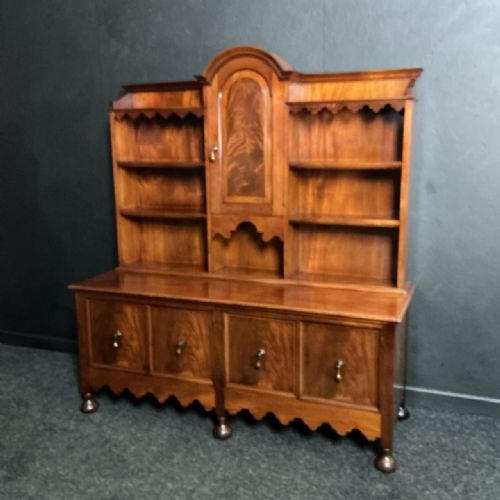
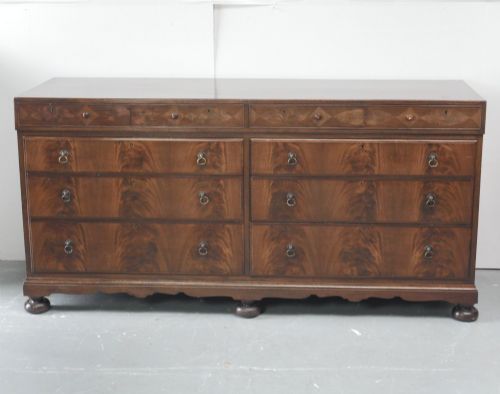
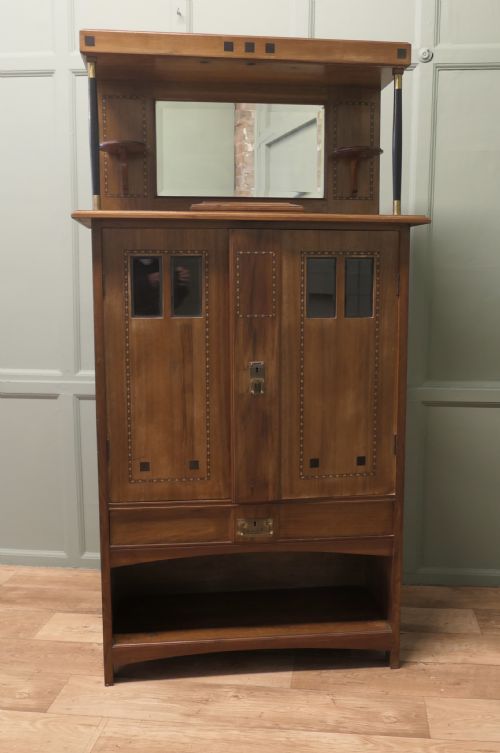
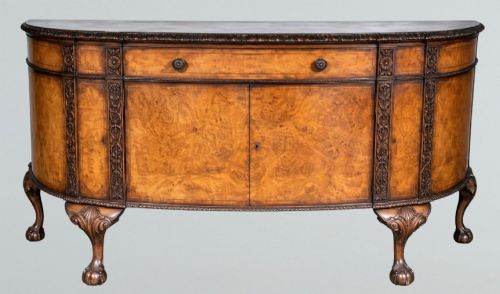
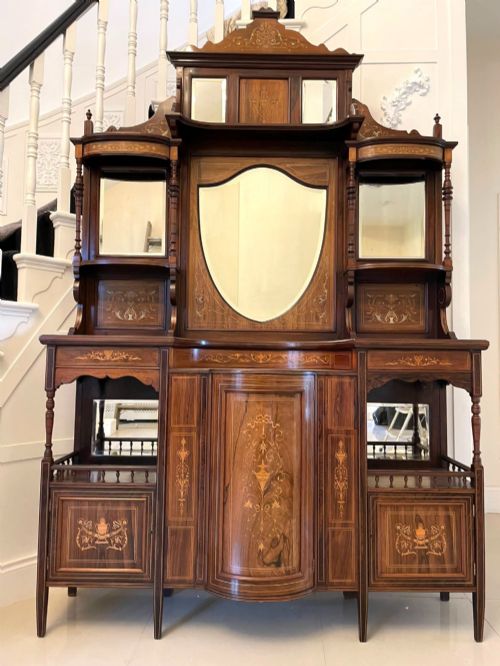
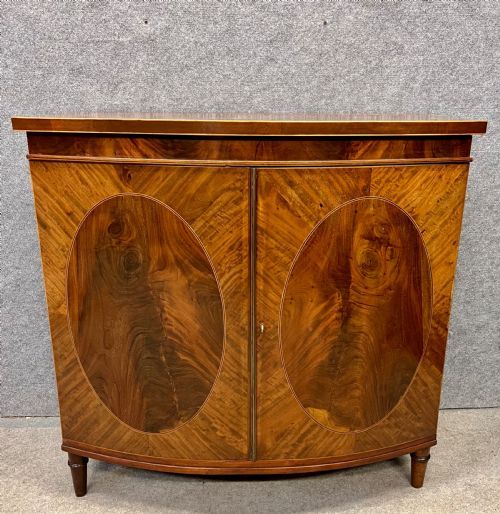
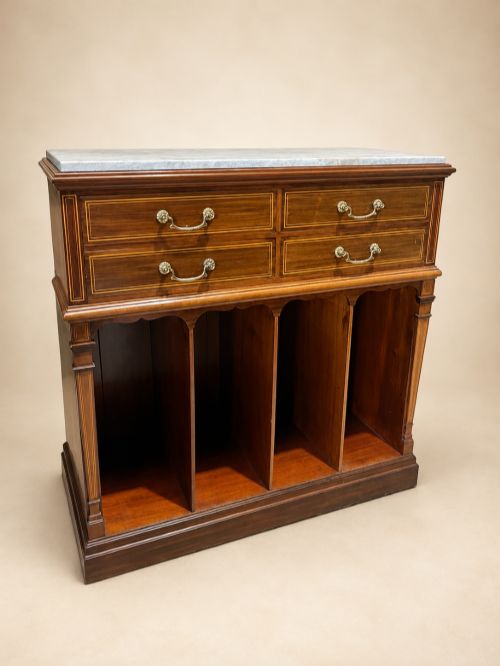
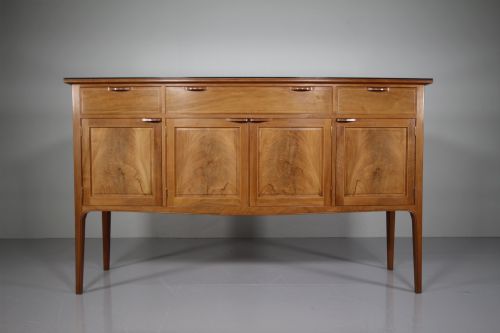
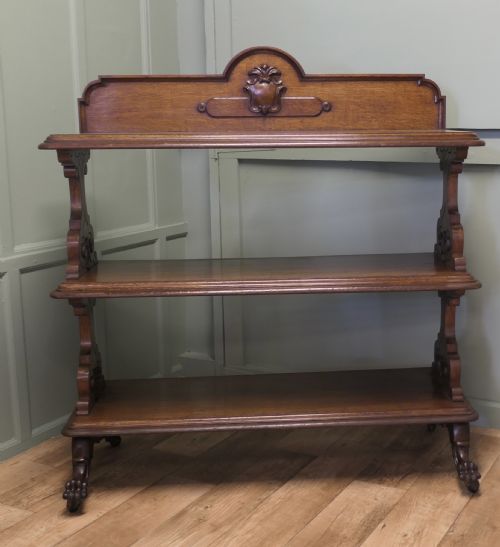
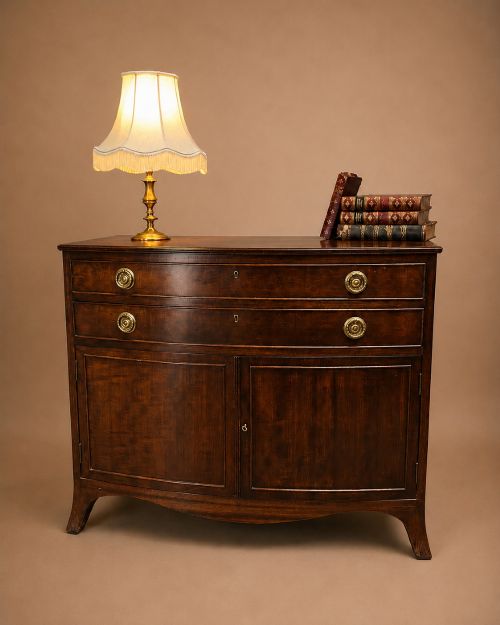
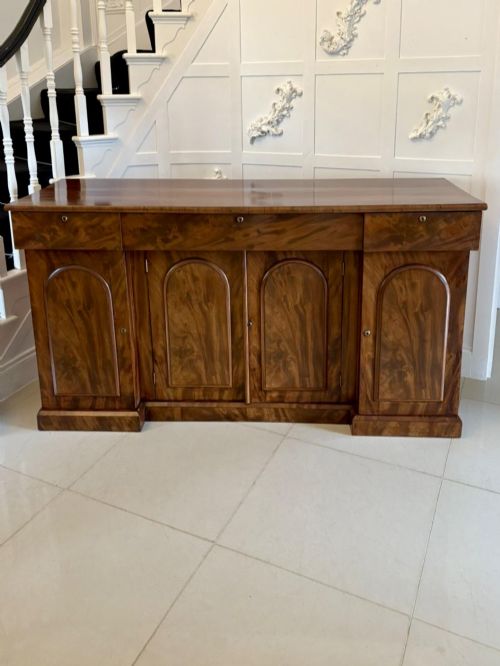
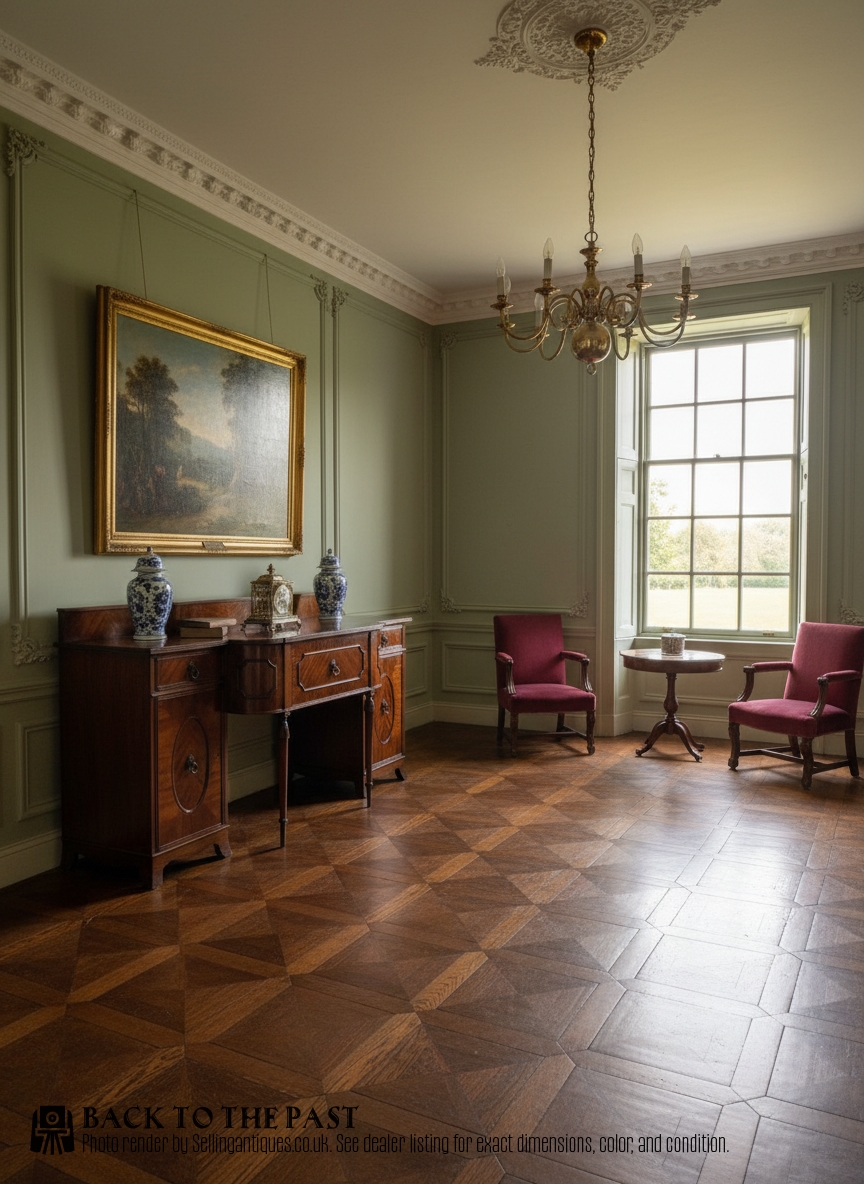
The edwardian wooden sideboard appears in forms such as dressing bases, serving tables, and traditional sideboards with mirrors or banks of drawers. These pieces reflect the varied domestic needs of the early twentieth century, combining storage with display surfaces.
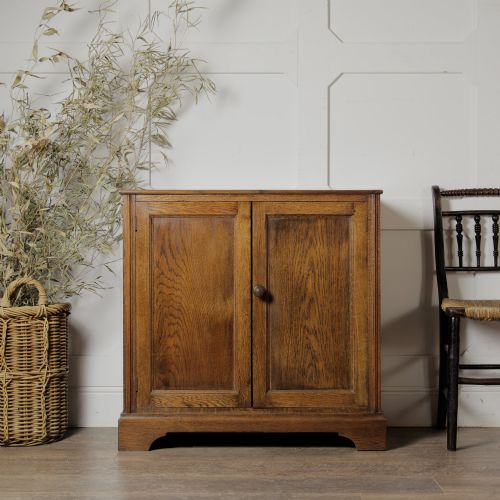
Makers utilised timbers including mahogany, oak, satinwood, and walnut to build these functional items. Pieces date from around nineteen hundred through to nineteen twenty, with Scottish traditions also represented in the selection.
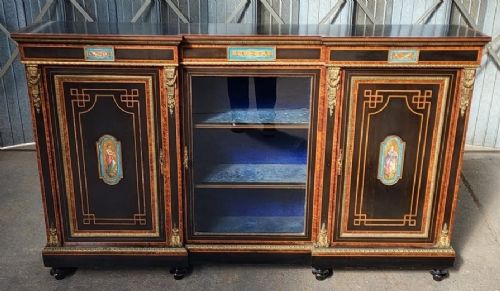
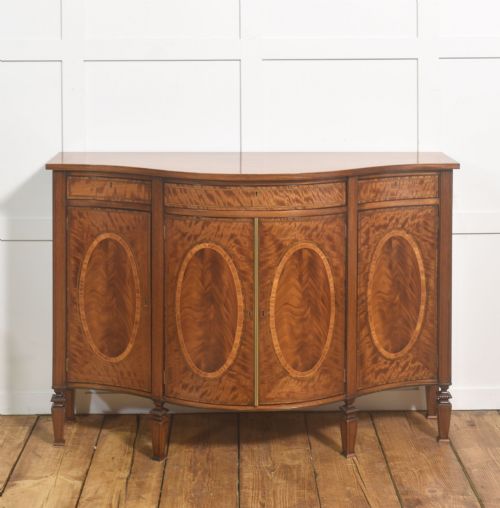
Buyers frequently encounter varieties featuring crossbanding, brass hardware, or mirror backs. Each variation shows the specific stylistic preferences of the period.
Materials and construction
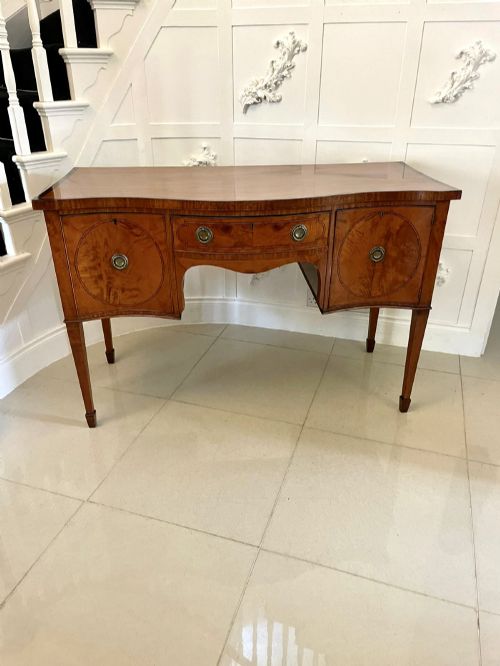
Cabinetmakers worked with solid woods and veneers, applying satinwood crossbanding to mahogany surfaces for contrast. Brass fittings provided functional handles and mounts across the drawers and doors.
Construction methods involved traditional joinery to support heavy timber tops and multiple drawers. Glass was integrated into mirror backs, adding depth and reflection to the larger serving tables.
Retail Price Guide 2026
Typical UK retail prices for edwardian wooden sideboard, calculated from the Sellingantiques database of over a million retail prices indexed since 2003. This retail price guide relies exclusively on Sellingantiques data; no external sources or auction records are used, so the figures do not describe the wider market.
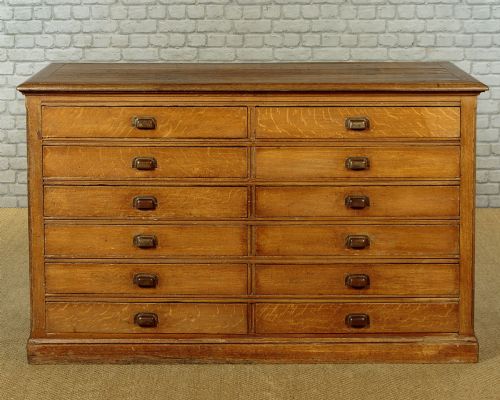
Some serving tables hide a dozen drawers for your silver.
Judgements of quality
Quality rests on the selection of timber figures and the precision of the crossbanding. Finer examples show careful matching of grain patterns across the drawers and top surfaces.
The integration of decorative elements, such as brass hardware and mirror frames, distinguishes standard utility pieces from higher grade workshop production.
Whytock and Reid·Goodall of Manchester
The Edwardian Wooden Sideboard Glossary
- Crossbanding
- A narrow strip of veneer laid border-wise around a panel or drawer front, usually with the grain running at right angles to the surrounding wood.
- Dresser base
- A low cabinet featuring drawers and sometimes cupboards, historically used for serving food and storing tableware.
- Satinwood
- A pale, lustrous timber imported from the tropics, utilised for decorative banding and inlay work.
- Mirror back
- An upright wooden frame holding a glass mirror attached to the rear of a sideboard or serving table.
Frequently Asked Questions
What rooms suit an Edwardian wooden sideboard?
These pieces fit naturally into dining rooms and large hallways where surface space and storage are useful.
Their proportions complement both traditional interiors and simpler modern spaces.
How do I care for mahogany and oak surfaces?
Regular dusting with a soft, dry cloth protects the polished timber from everyday wear.
Applying a traditional wax occasionally helps nourish the wood and maintain its sheen.
What is the difference between a serving table and a sideboard?
Serving tables tend to be lighter in form, often standing on open legs without lower cupboards.
Sideboards generally incorporate banks of drawers and enclosed shelving for heavier storage.
Can I use a bank of drawers as a sideboard?
Tall banks of drawers offer substantial vertical storage while maintaining a compact footprint against a wall.
They serve well in dining spaces for cutlery, linen, and tableware.