


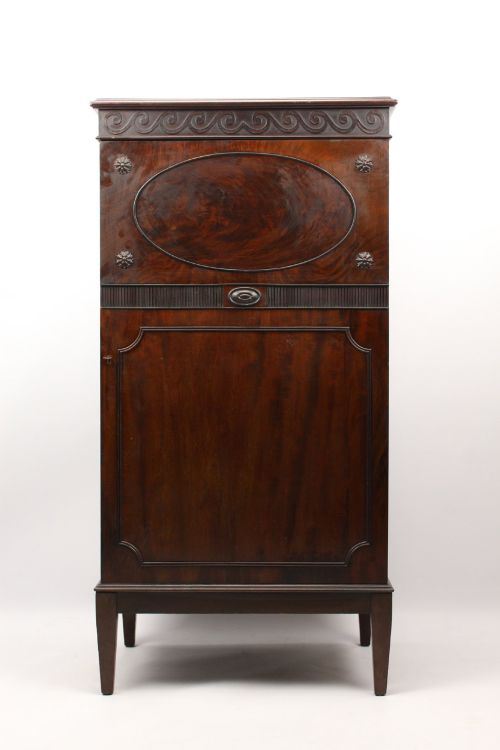
Edwardian Wooden Cupboard
An edwardian wooden cupboard brings practical storage and refined period character into a room through honest craftsmanship and warm timber.
Edwardian Wooden Cupboard
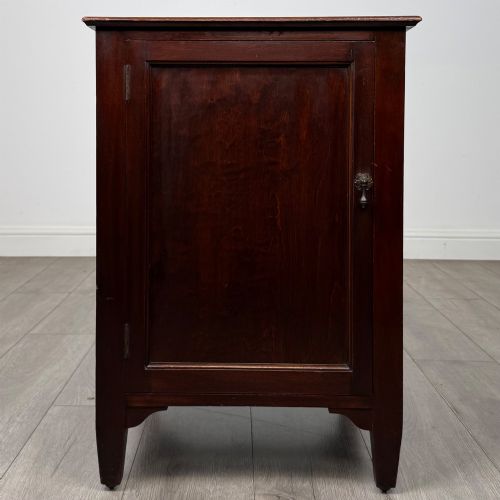
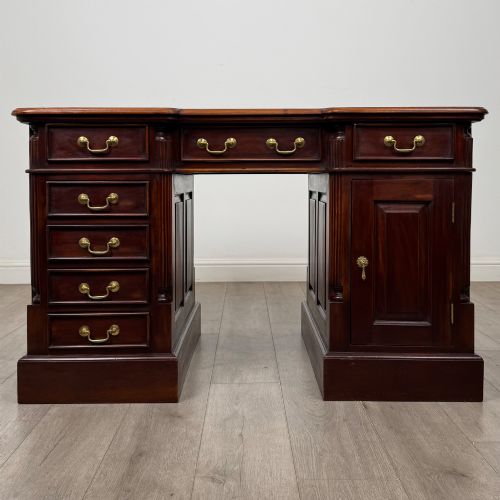
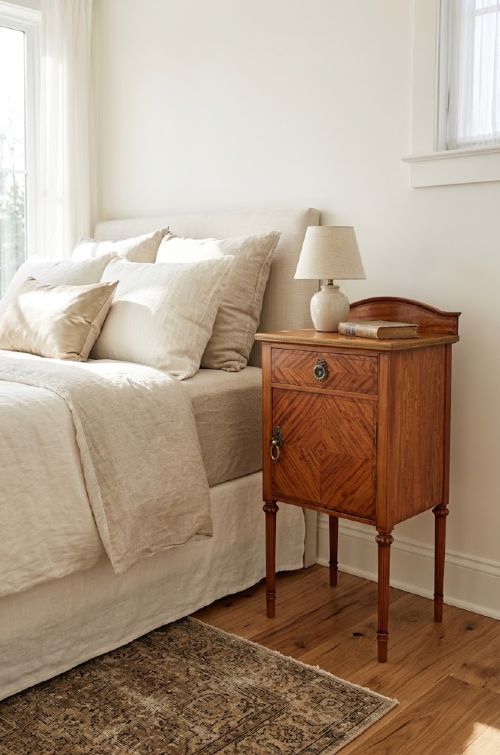
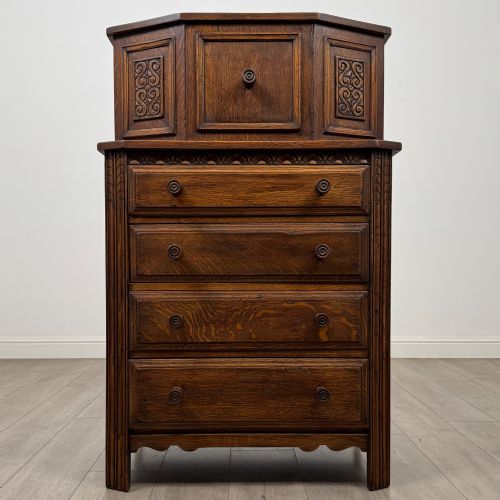
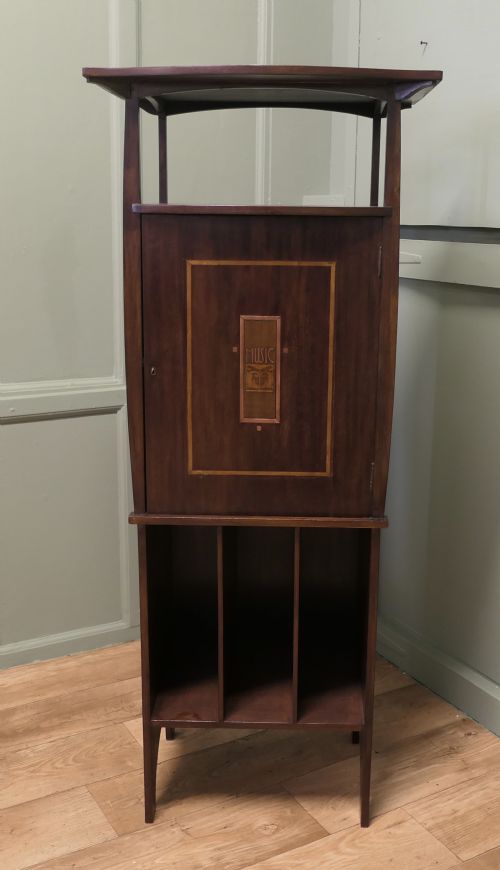
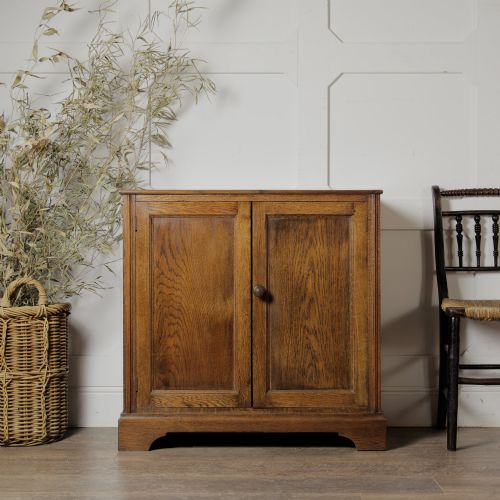
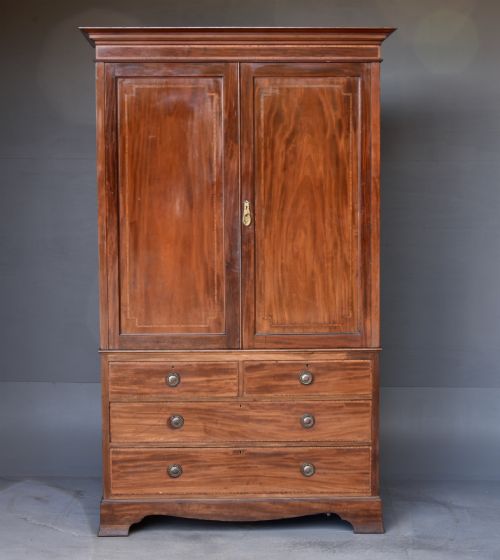
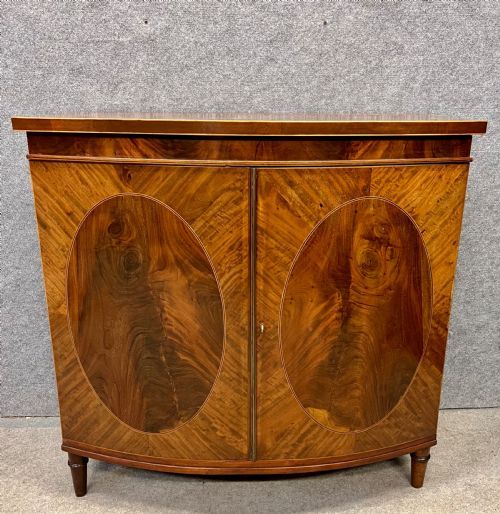
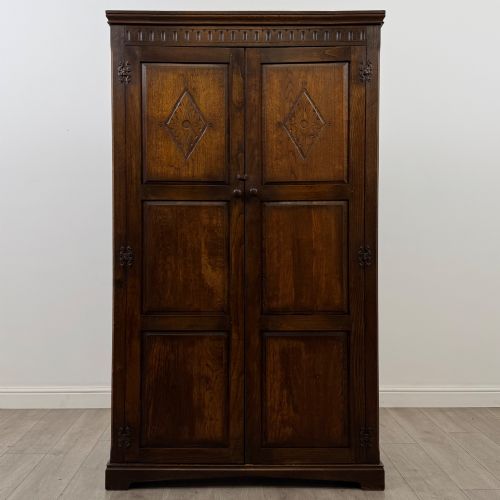
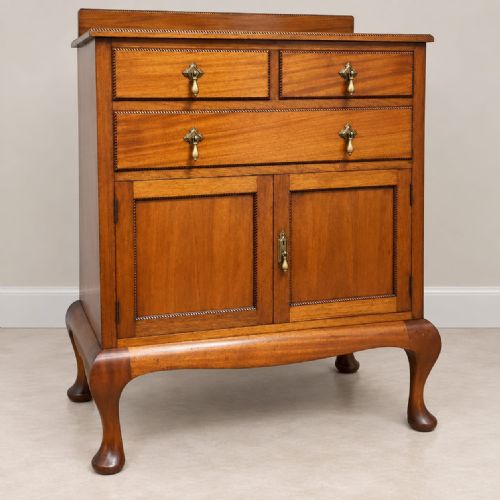
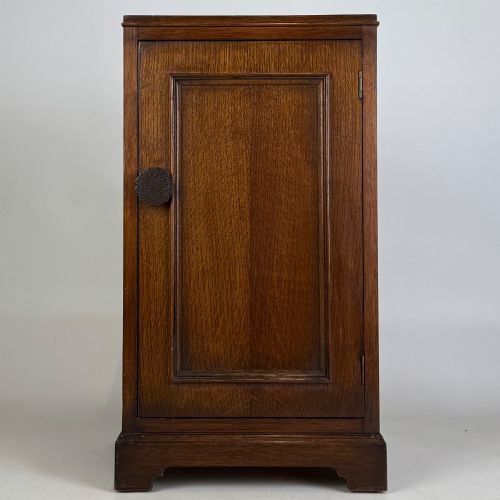
When you search for an edwardian wooden cupboard, you encounter a wide variety of storage furniture designed for the home, ranging from compact bedside cabinets to large wardrobes, sideboards, and music cabinets. The Edwardian period brought lighter proportions to domestic interiors, though makers also drew inspiration from Victorian, Georgian, and earlier styles.
The most common forms on this page include mahogany and oak bedside tables, display cabinets, and tall storage units produced around the turn of the twentieth century. These pieces reflect the functional needs of households from that era, offering dedicated compartments for clothing, books, music, and household linen.
How they were made
Carpenters utilised solid timbers such as oak and mahogany, often pairing them with decorative veneers like satinwood, harewood, and walnut. Construction methods combined sturdy mortise and tenon joints with careful panel work to ensure long-term stability.
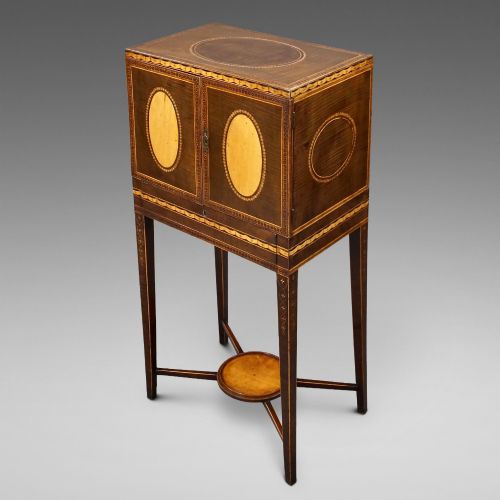
Many examples incorporate inlaid boxwood stringing, carved details, brass hardware, and glass panels. Finishing touches depended on the chosen style, varying from plain waxed surfaces to polished mahogany and painted highlights.
Listings feature woods including mahogany, oak, satinwood, walnut, and ash alongside brass and glass elements.
What varies in quality
The standard of a piece depends heavily on the selection of timber and the precision of its joinery. Superior examples demonstrate thoughtful grain matching, crisp carving, and clean inlay work that remains securely seated in the wood.
Design ambition also separates standard items from exceptional ones. Pieces that incorporate refined period styling, such as Sheraton Revival motifs or distinctive hardware, show a higher degree of workshop skill.
GM Elwood for JS Henry·maples & co·Denby & Spinks
The Edwardian Wooden Cupboard Glossary
- Satinwood
- A pale, dense timber prized for its reflective sheen and smooth texture. Makers utilised it for veneers and delicate line inlay on cabinet doors.
- Inlay
- A decorative technique where contrasting pieces of wood or metal are inserted into recessed cavities on the surface. This method creates geometric patterns or floral motifs.
- Wardrobe
- A tall piece of furniture designed for hanging garments and storing apparel. Edwardian versions frequently feature mirrored doors and internal shelving.
- Sideboard
- A long low piece used for serving food and storing dining accessories. These items often combine drawers and cupboards beneath a broad top surface.
Edwardian Wooden Cupboard: Frequently Asked Questions
What is an Edwardian wooden cupboard?
An edwardian wooden cupboard is a piece of storage furniture made during the Edwardian period, typically constructed from timbers like oak, mahogany, or satinwood. These items were built to serve domestic needs in bedrooms, hallways, and living spaces.
They appear in various forms, including bedside cabinets, music cabinets, wardrobes, and low cupboards, often displaying Sheraton Revival or Arts and Crafts stylistic influences.
How do I identify Edwardian furniture?
Edwardian furniture generally exhibits lighter proportions and simpler lines than heavier Victorian pieces. Makers frequently utilised mahogany and oak, often embellishing surfaces with subtle boxwood stringing or satinwood veneers.
Hardware tends to consist of brass drop handles or knobs, and many designs incorporate decorative inlay inspired by earlier Georgian and Sheraton traditions.
Where were these cupboards used?
Households placed these cupboards in bedrooms, music rooms, hallways, and dining spaces depending on their specific form. Bedside cabinets stood next to sleeping quarters, while music cabinets held sheet music near pianos.
Larger wardrobes and sideboards served primary storage functions in chambers and reception rooms, keeping household items organised out of sight.
How should I care for timber cabinets?
Protect wooden surfaces by keeping them away from direct heat sources and strong sunlight, which can dry out timber and fade polishes. Dust regularly with a soft cloth and apply occasional specialist wax to nourish the grain.
Avoid using harsh chemical sprays or excessive moisture, as these can damage antique finishes and lift delicate veneers.