

Edwardian Wooden Cane
Edwardian wooden cane pieces combine period utility with distinctive materials, offering practical charm for daily use or display.
Edwardian Wooden Cane
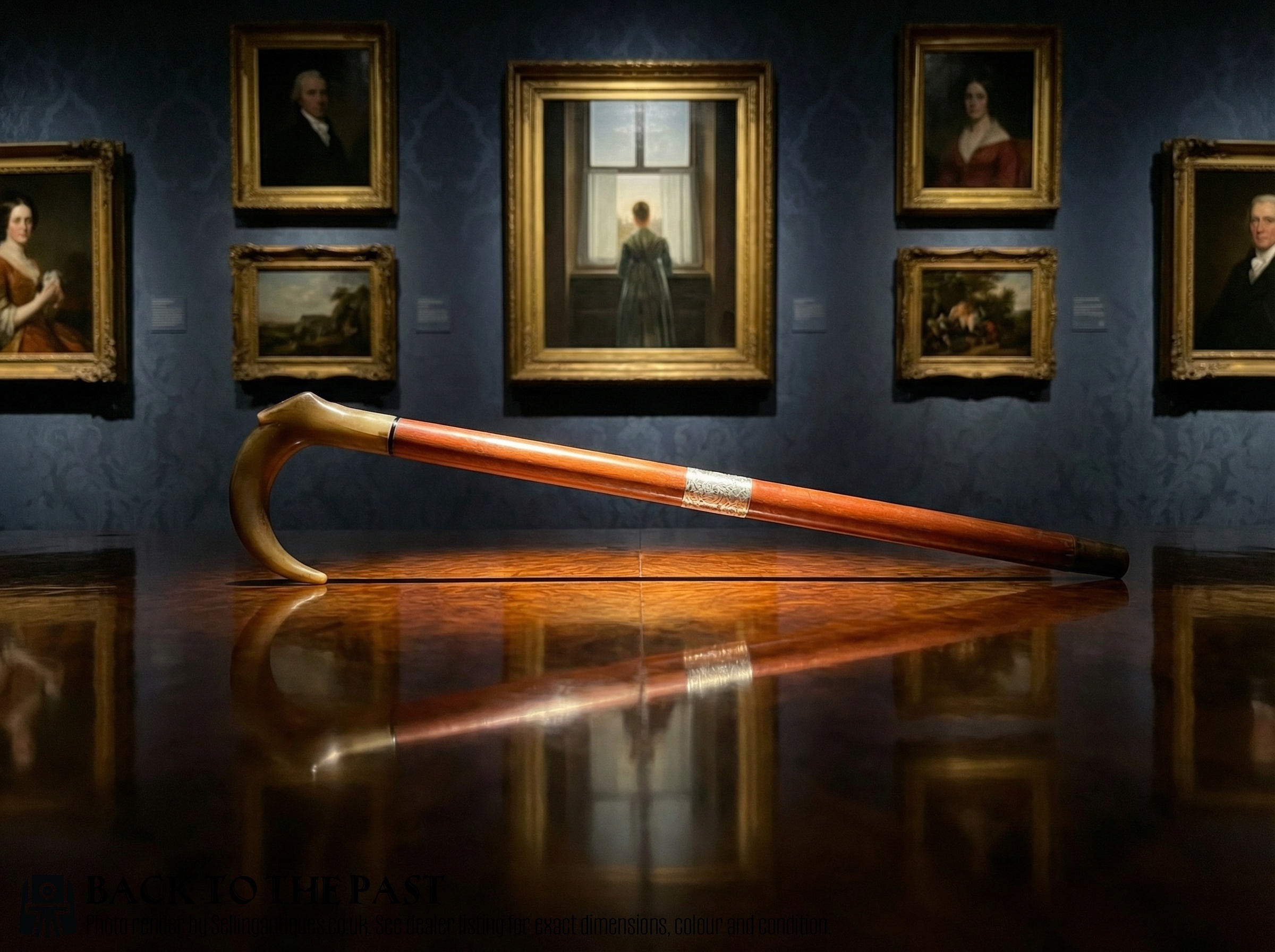
An edwardian wooden cane encompasses walking sticks, sword sticks, and swagger sticks produced during the early twentieth century and surrounding periods. These items served practical walking aids and symbols of status, utilising sturdy shafts and decorative handles.
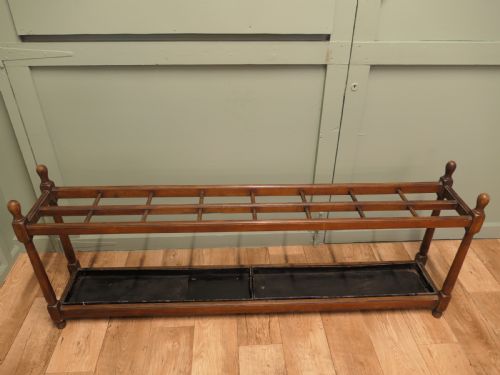
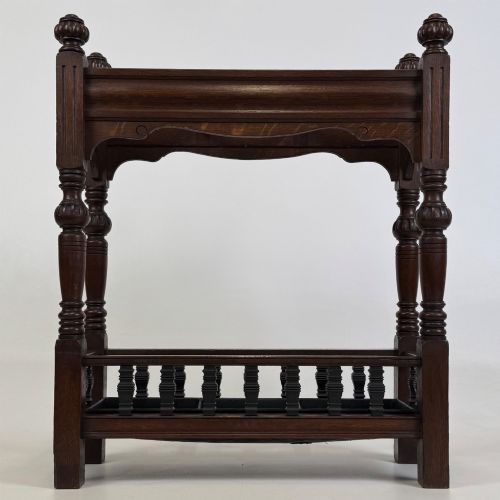
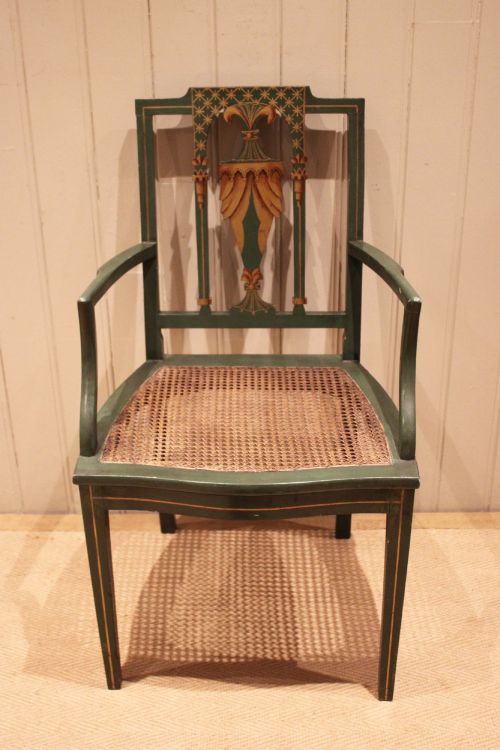
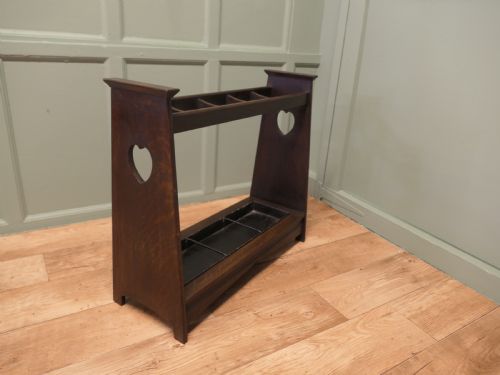
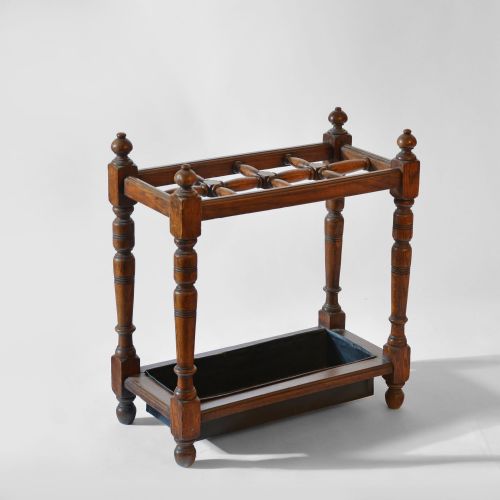
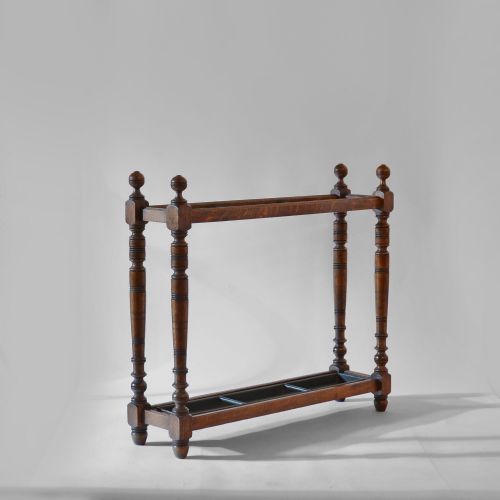
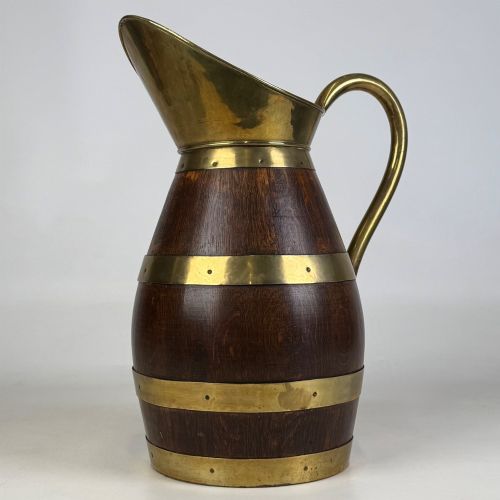
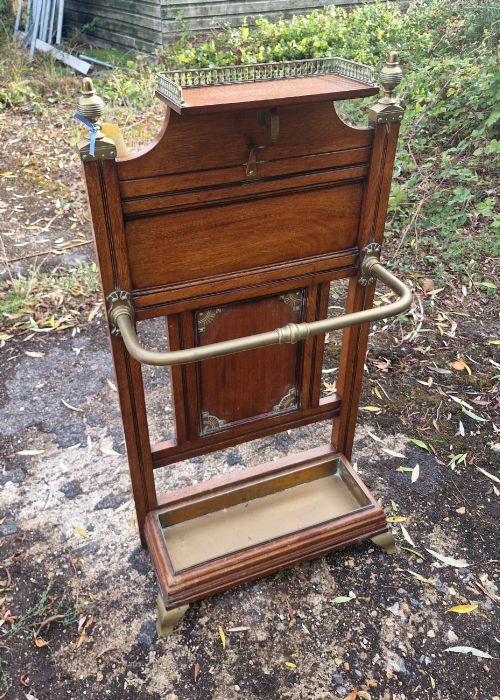
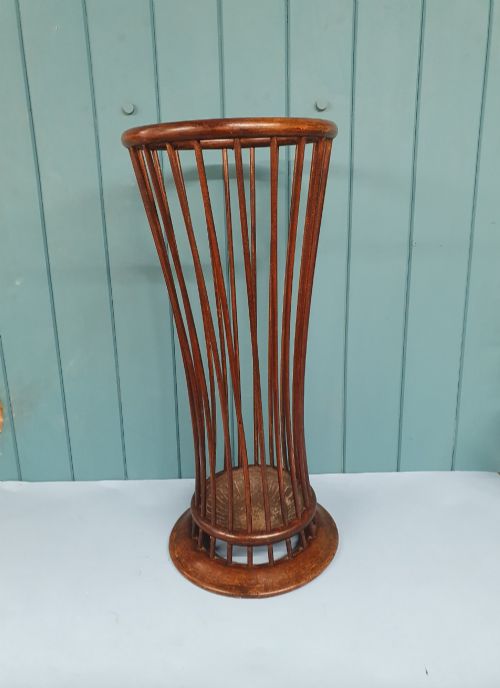
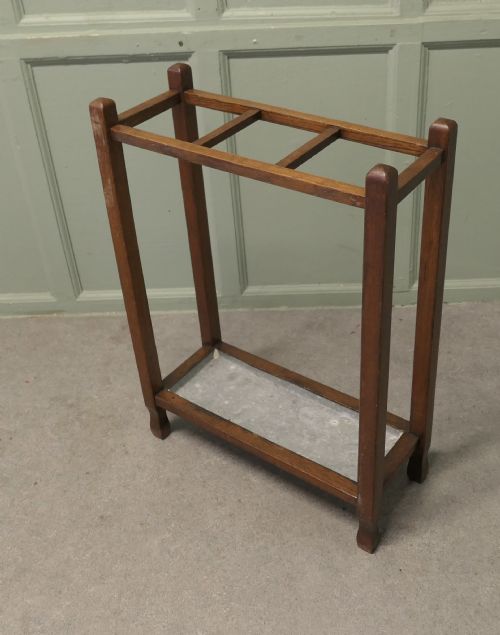
Buyers seeking an edwardian wooden cane will encounter individual walking pieces alongside related hallway furniture such as oak umbrella and stick stands. The selection ranges from plain timber shafts to examples fitted with precious metal mounts and specialised blades.
Origins span late Victorian production through the Edwardian era and into the nineteen-twenties, reflecting the craftsmanship of English workshops. Pieces often incorporate regional timbers and metals typical of domestic manufacture from those decades.
Materials and construction
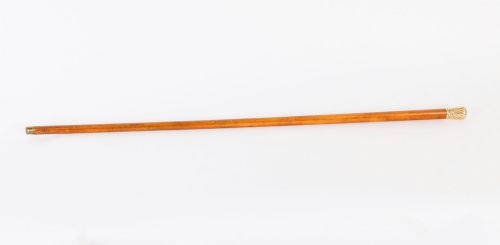
Makers shaped shafts from resilient timbers including oak, hazel, partridge wood, and malacca, often turning the wood on lathes or steaming it to form hooked handles. These natural materials provided the necessary strength and flexibility for daily transit.
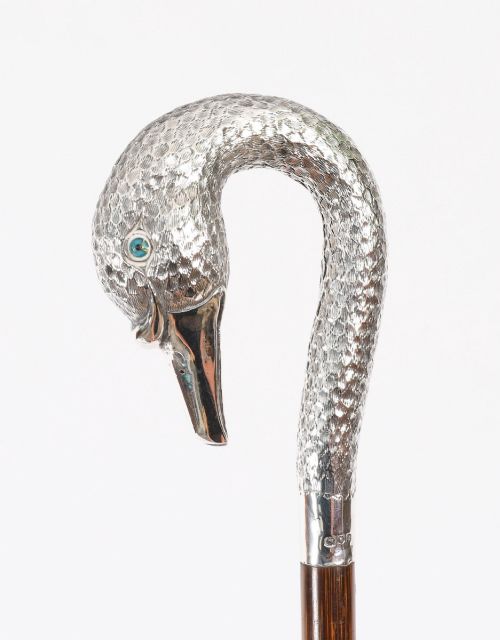
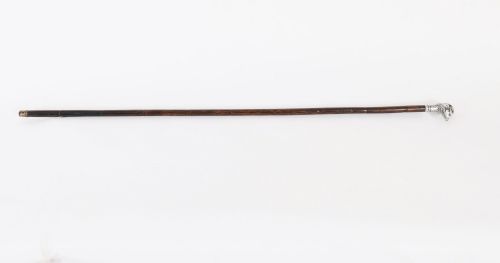
Metal components added reinforcement and decoration, utilising brass bands, steel blades, and sterling silver collars or pommels marked with assay dates. Artisans attached silver duck or swan head handles to timber shafts using secure internal fittings.
Several walking sticks double as secret armouries, housing polished steel blades beneath demure silver duck heads.
Assessing quality and finish
Quality rests in the precision of the handle attachment and the integrity of the timber shaft, where superior examples display balanced weight and smooth turning. Finer pieces incorporate hallmarked precious metals and engraved collars rather than plain base metals.
The sophistication of the mounted handle and the presence of specialised elements, such as Wilkinson or Toledo steel blades, separate standard walking aids from high-grade gentleman's accessories.
Wilkinson·Leveson and Sons
The Edwardian Wooden Cane Glossary
- Pommel
- The rounded handle or knob at the top of a walking stick, frequently cast in silver or gold.
- Sword stick
- A walking cane concealing a functional steel blade within its wooden shaft.
- Collar
- A metal band encircling the cane shaft just below the handle, often bearing silversmith hallmarks.
- Malacca
- A type of rattan stem prized for walking stick production due to its mottled brown finish and natural resilience.
- Swagger stick
- A short cane carried by military officers as a symbol of authority rather than a walking aid.
Edwardian Wooden Cane: Frequently Asked Questions
What is an edwardian wooden cane?
An edwardian wooden cane is a walking stick or specialised blade carrier produced during the early twentieth century. These items were carried daily by gentlemen and officers.
They combine turned wooden shafts with metal handles, silver collars, and fitted blades. Many examples feature hallmarks dating their manufacture to specific English assay offices.
How were sword sticks used?
Sword sticks functioned primarily as walking aids while concealing a steel blade for personal defence. Gentlemen carried them during urban and rural travel.
The concealed blade is released by unscrewing or unlatching the handle from the main wooden shaft.
How do I identify Edwardian periods?
Edwardian items date from the reign of King Edward VII between nineteen hundred and nineteen ten. Makers often incorporated lighter timbers and refined silver mounts compared to earlier Victorian designs.
Assay office marks and date letters stamped on silver collars provide precise manufacturing years for mounted pieces.
What woods were used?
Makers utilised dense hardwoods and resilient natural canes suited for carving and turning. Oak, hazel, partridge wood, and malacca appear frequently across the listings.
These timbers offered the necessary durability to withstand regular pressure during walking.