

Victorian Gentleman Walking Stick
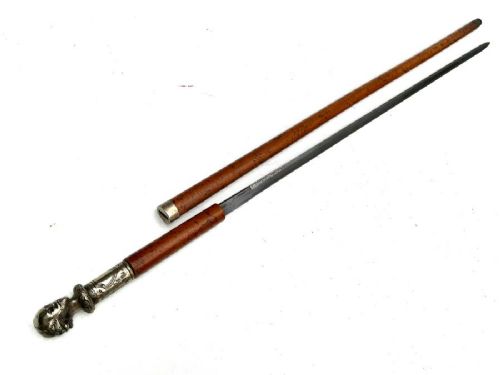
These nineteenth-century pieces range from silver-handled walking canes to concealed sword sticks.
Victorian Gentleman Walking Stick
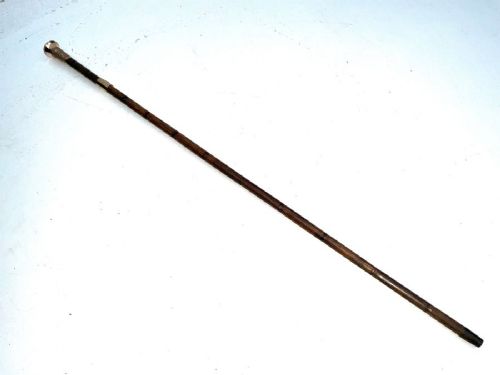
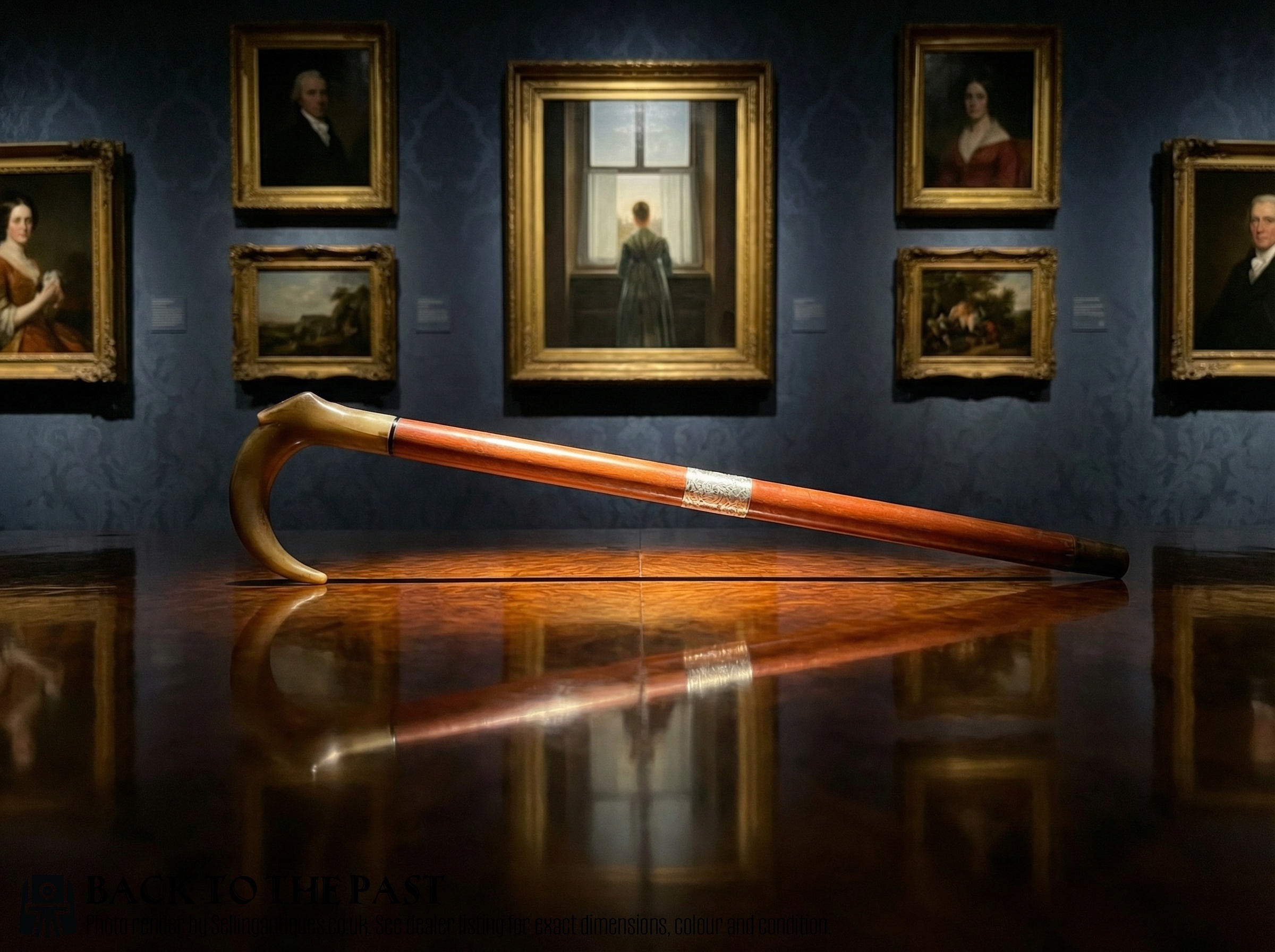
A victorian gentleman walking stick is a functional accessory and status symbol originating from the nineteenth century. These pieces encompass standard walking canes, novelty handle sticks, and concealed sword sticks.
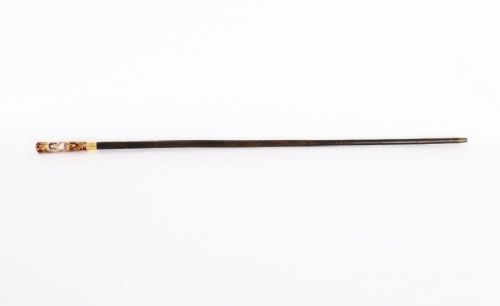
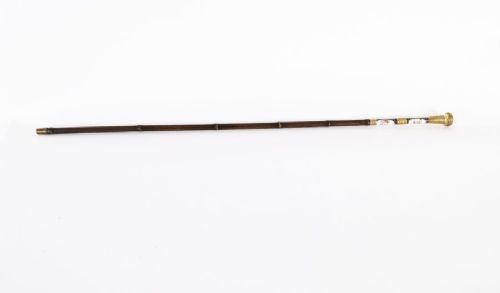
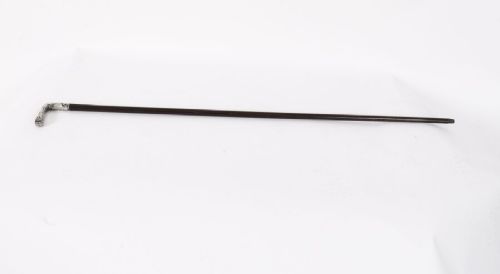
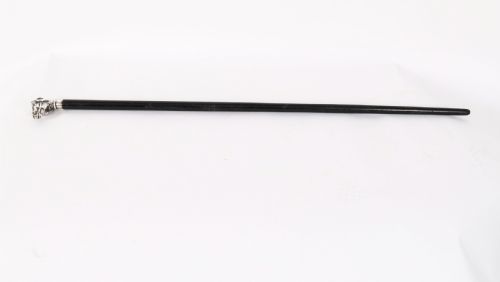
The versions most commonly met on this page include malacca, cherrywood, partridge wood, and ebonised shafts paired with silver, gold, porcelain, or horn handles. Many examples incorporate military, masonic, or equestrian themes.
Origins stretch across British, French, German, and Anglo-Indian makers, reflecting the diverse global influences on nineteenth-century gentlemanly accessories.
Materials and construction
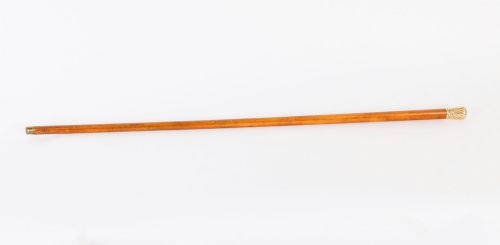
Shafts utilise natural timbers such as malacca, cherrywood, holly wood, partridge wood, rosewood, and ebonised wood, alongside horn and snakeskin coverings. Rigidity and balance were essential for daily support.
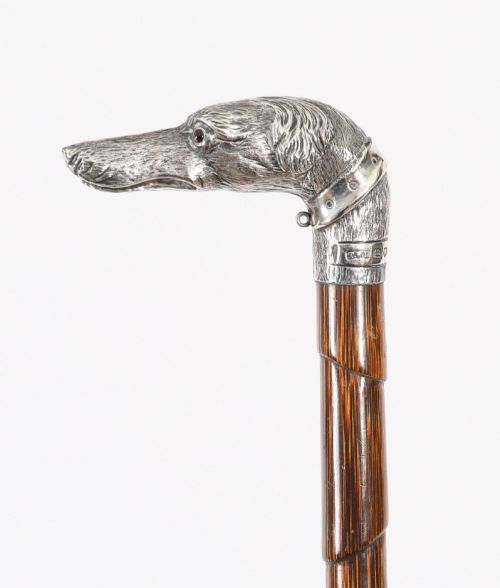
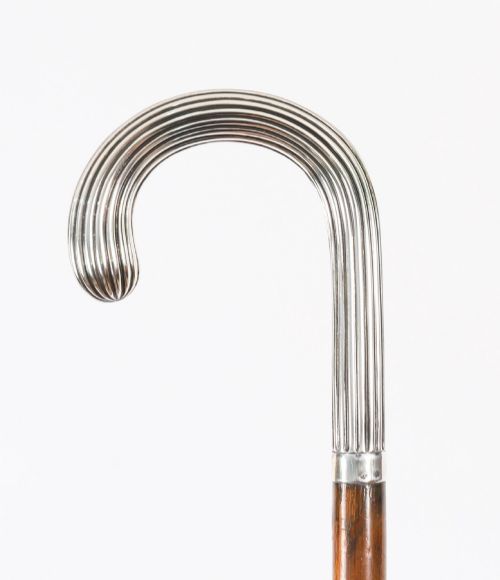
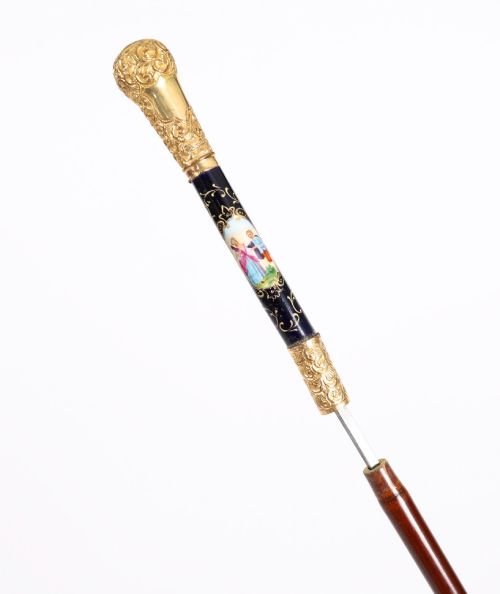
Handles and collars incorporate precious metals like silver, gold, and gold plate, as well as Sevres porcelain, brass, and carved horn depicting animal heads.
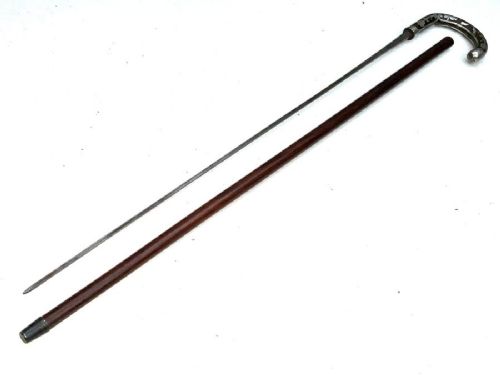
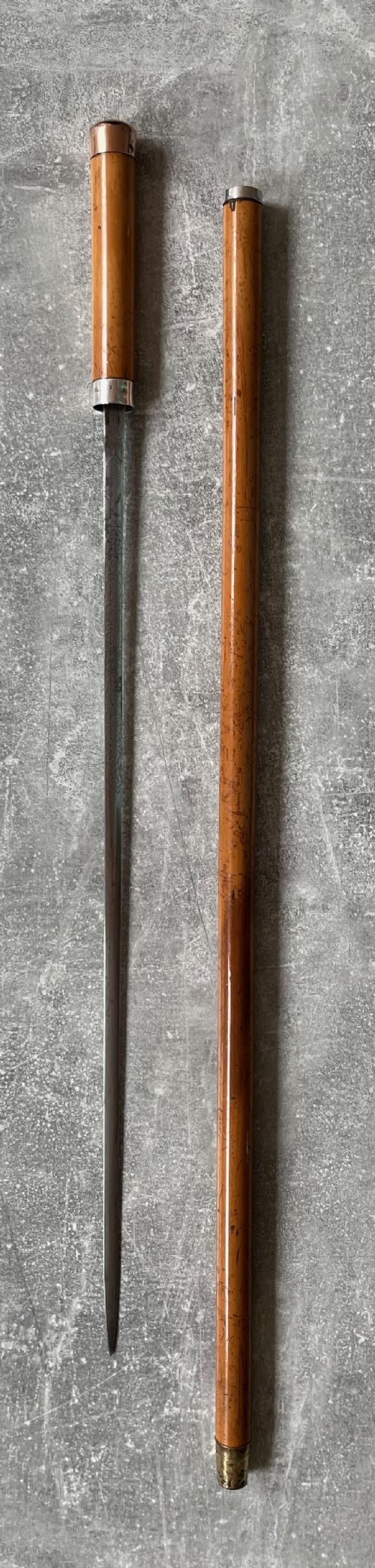
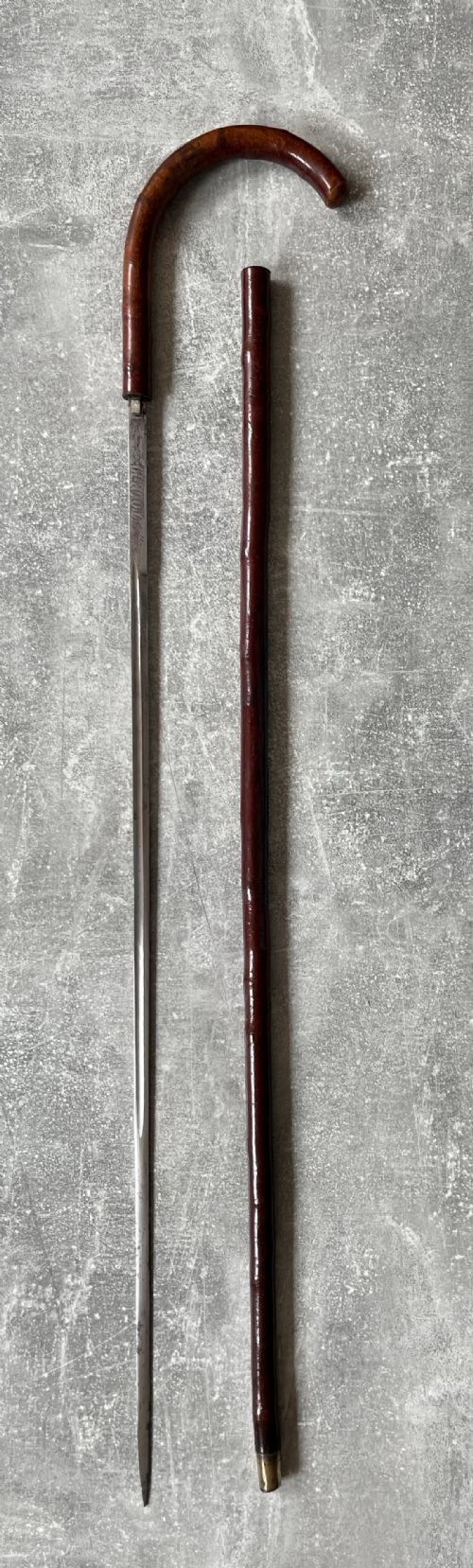
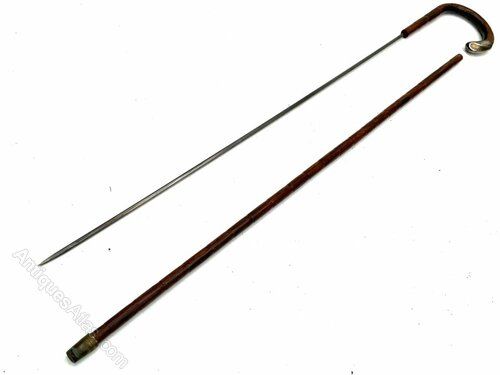
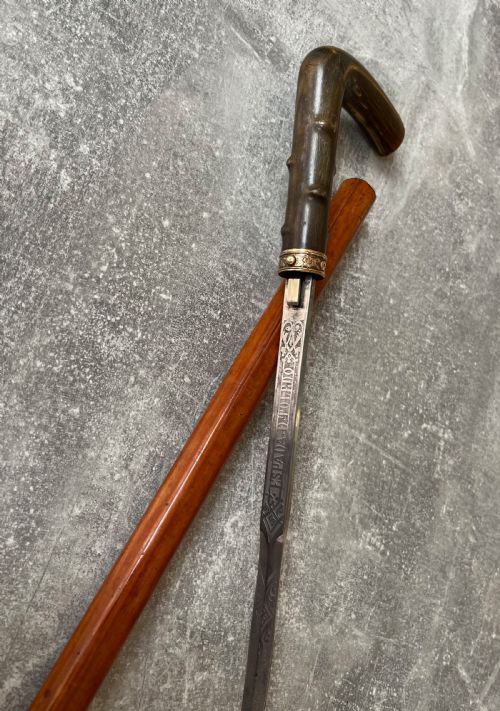
Blades concealed within sword sticks utilise steel, including etched Toledo blades and Wilkinson outputs, secured with button release mechanisms.
One extraordinary walking stick conceals a functional watch inside its handle.
Distinctions in craftsmanship
Quality rests upon the refinement of the handle carving, from detailed silver greyhound and horse heads to hand-painted Sevres porcelain. Simpler turned wood pommels occupy the standard tier.
The integration of concealed elements defines higher-tier pieces, such as button-release mechanisms operating precision steel Toledo blades rather than basic iron shafts.
BRIGG·Wilkinson·Henry Borlase Stevens
The Victorian Gentleman Walking Stick Glossary
- Pommel
- The rounded handle or knob at the top of a walking stick. These were frequently formed from silver, gold, or carved porcelain.
- Sword stick
- A walking cane containing a concealed blade within the wooden shaft. These often feature button release mechanisms.
- Malacca
- A type of rattan cane prized for its mottled brown finish and strength. It served as a primary material for walking stick shafts.
- Sevres porcelain
- A French ceramic material utilised for decorative stick handles. It often featured hand-painted details.
- Ebonised
- Wood treated to imitate ebony. This dark finish was common on nineteenth-century walking canes.
Victorian Gentleman Walking Stick: Frequently Asked Questions
What is a victorian gentleman walking stick?
A victorian gentleman walking stick is a nineteenth-century accessory used for support and fashion. These items range from standard wooden canes to sophisticated sword sticks.
Many examples feature decorative silver or porcelain handles representing animals, military interests, or masonic symbolism.
How were sword sticks used?
Sword sticks functioned primarily as walking aids while providing personal defence. The concealed steel blade remained locked inside the wooden shaft until a button release was activated.
Officers and gentlemen carried them during the nineteenth century as part of everyday attire.
What materials are common?
Shafts are constructed from hardwoods such as malacca, partridge wood, cherrywood, and rosewood. Handles utilise silver, gold plate, porcelain, horn, and steel.
Mounts and collars frequently consist of sterling silver or brass.
How do you date a piece?
Dating relies on stylistic markers, material combinations, and manufacturing techniques recorded across the nineteenth and early twentieth centuries. Victorian and Edwardian periods dominate these designs.
Blade etchings and silver hallmarks provide further chronological indicators.