
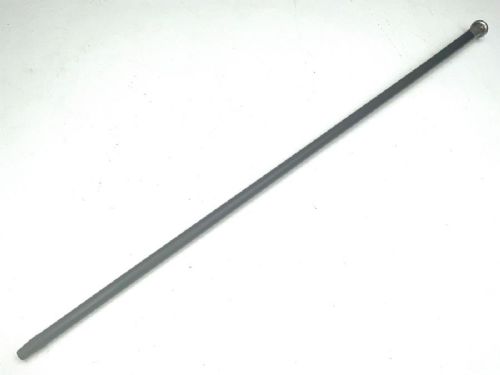
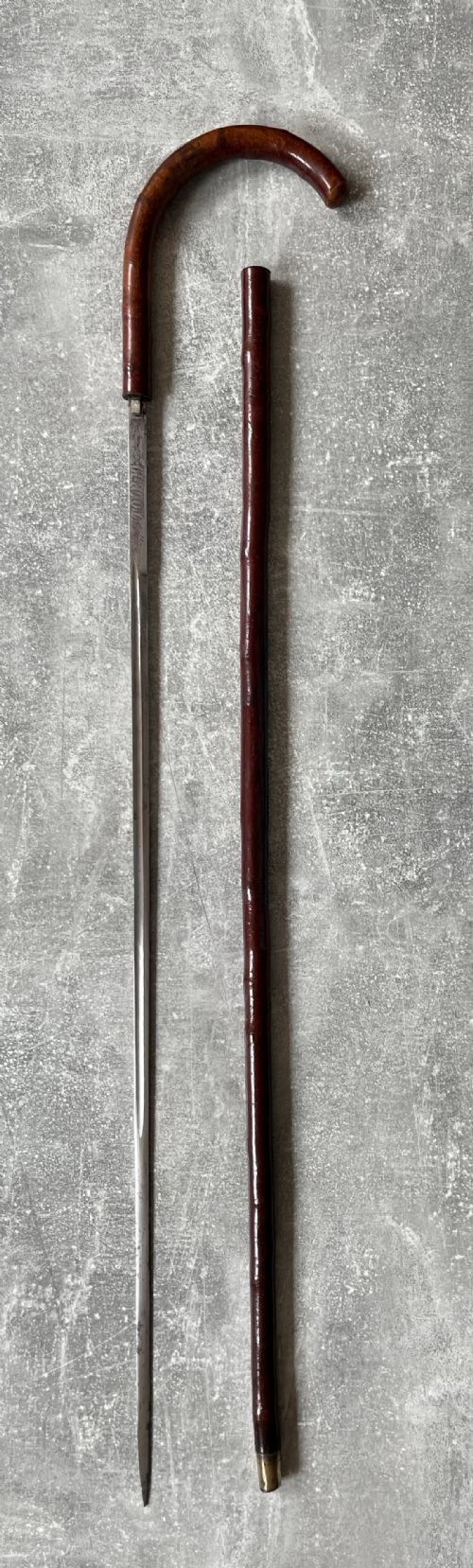
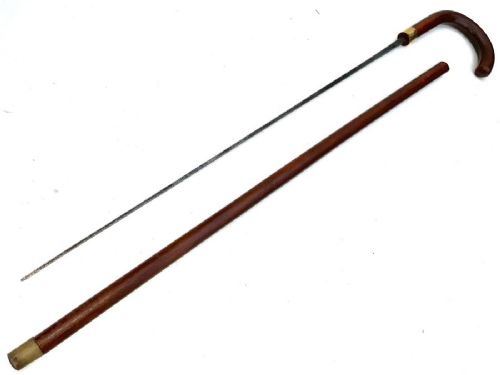
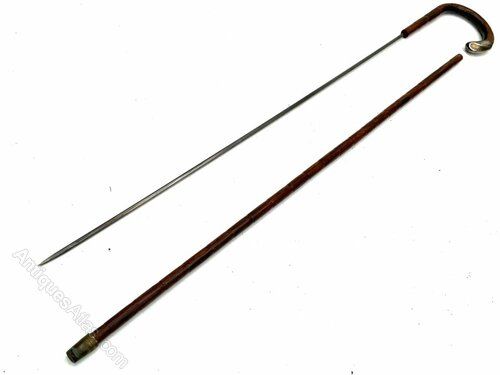
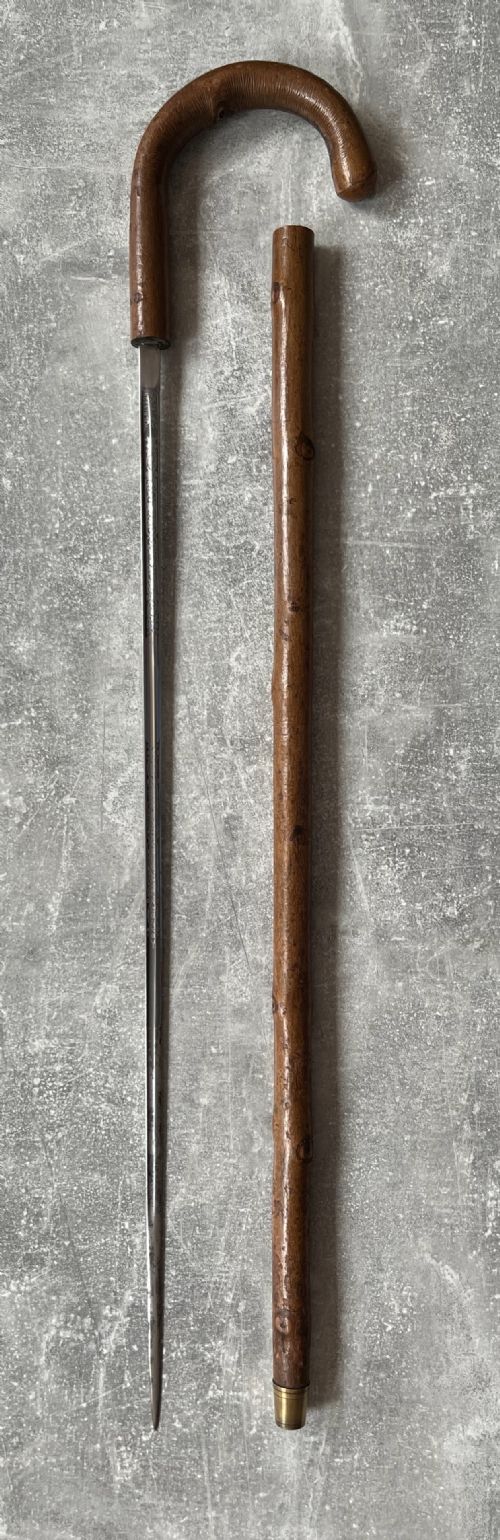
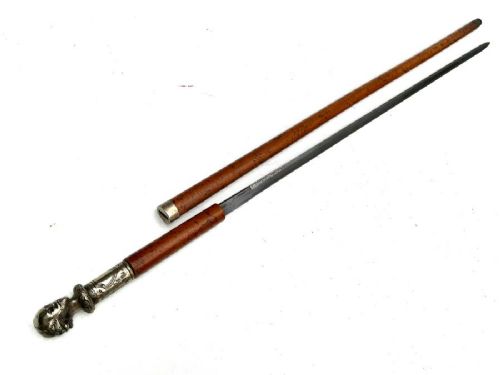
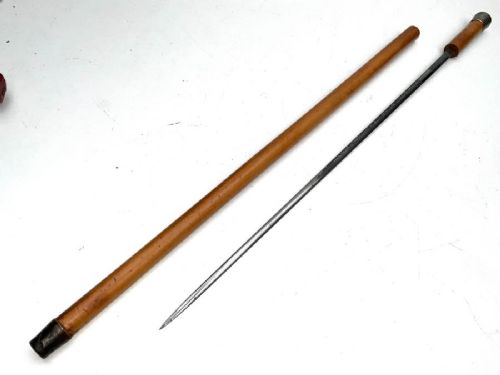
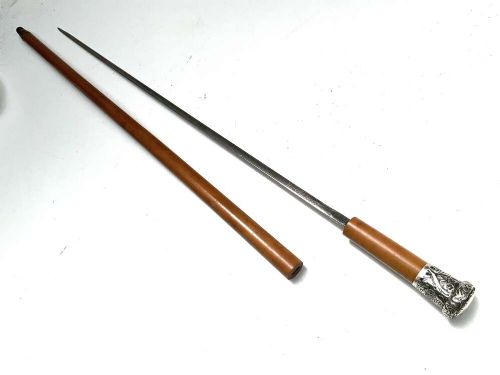
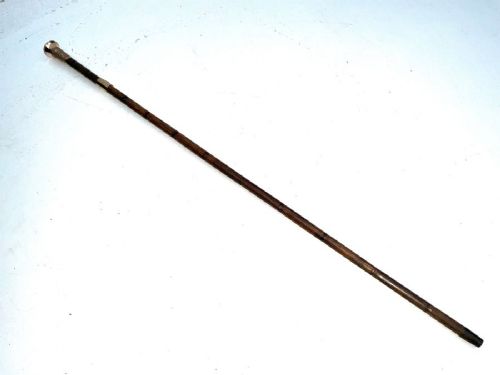


Wooden Concealed Blade Stick
wooden concealed blade stick pieces combine practical walking support with hidden steel defence, offering a fascinating glimpse into personal security from the nineteenth and early twentieth centuries.
Wooden Concealed Blade Stick
A wooden concealed blade stick serves as both an ordinary walking aid and a covert weapon housed securely within the shaft. These historical items emerge predominantly from the Victorian, Edwardian, and early twentieth-century periods.
Makers often catered to specific professions and military personnel, producing pieces marked by regimental history or fraternal organisations like Masonic lodges. The common thread among them is the ingenious mechanism concealing a sharp blade beneath a removable handle.
Materials and Construction
Craftsmen utilised robust natural materials for the shafts, selecting timbers such as cherrywood, partridge wood, hazel, malacca cane, rosewood, and Irish blackthorn. Handles frequently incorporated horn, antler, or root wood for a secure grip during use.
The concealed blades inside these shafts were forged from steel, sometimes bearing signatures from renowned makers like Wilkinson or originating from Toledo. Metal collars in silver or brass frequently reinforced the joint where the handle met the wooden shaft.
Listings span the Victorian and Edwardian eras, featuring materials such as steel, malacca cane, horn, silver, and brass.
Distinctions in Quality
Superior examples display exceptional harmony between the natural grain of the wood and the precision engineering of the concealed blade mechanism. The tightness of the fit when the shaft closes reveals the skill of the original maker.
Materials elevate certain pieces above standard utility items, particularly those featuring detailed silver collars, horn handles, or blades bearing recognised Toledo and Wilkinson provenance. The choice of dense hardwoods like malacca or partridge wood rather than basic timber indicates higher manufacturing ambition.
The Wooden Concealed Blade Stick Glossary
- Swagger stick
- A short cane carried by military officers as a symbol of authority rather than a walking aid. These items often include concealed blades or regimental badges.
- Malacca cane
- A durable plant stem originating from Southeast Asia, prized for its mottled brown surface and flexibility. It forms the slender shaft of many fine walking sticks.
- Toledo blade
- A steel blade produced in a Spanish city renowned for centuries of sword-making expertise. Such blades denote high metallurgical quality in a concealed stick.
Wooden Concealed Blade Stick: Frequently Asked Questions
How do you open a wooden concealed blade stick?
Most pieces release through a simple unscrewing action or a spring catch hidden beneath the handle. Pulling the handle straight out reveals the steel blade housed inside the hollow wooden shaft.
Care is required when operating older mechanisms to avoid damaging the internal wooden channels or the collar seating.
Who carried these wooden concealed blade stick pieces originally?
Gentlemen, military officers, and travellers during the Victorian and Edwardian eras relied on these items for personal protection on dimly lit streets. Civilians valued them as a discreet deterrent against potential attackers.
Members of specific groups, including military regiments and Masonic lodges, also commissioned or carried marked examples to signal their affiliations.
How can I date a wooden concealed blade stick?
Dating relies on examining the timber, the style of the handle, and any metal collars present on the piece. Victorian and Edwardian examples often display distinct decorative motifs or hallmarks on the silver fittings.
Comparing the blade type and wood selection against known military and civilian manufacturing trends helps narrow down the period of production.
Are these sticks suitable for everyday walking support?
While structurally robust, these items are historical artefacts rather than modern medical aids. Regular weight-bearing use can strain the internal locking mechanisms and wear down the antique wooden shafts.
Collectors generally preserve them as historical display pieces rather than relying on them for daily mobility.