
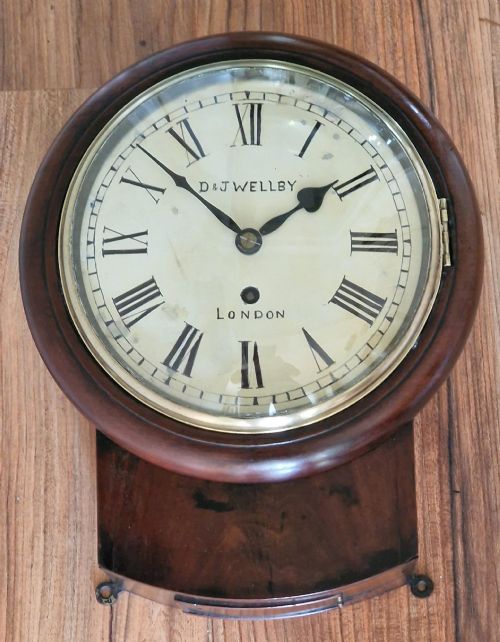
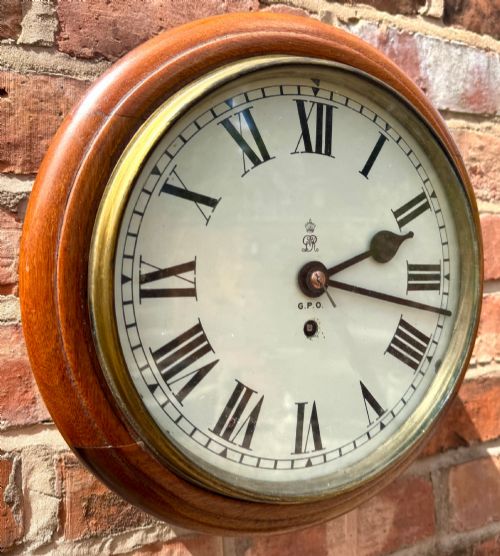
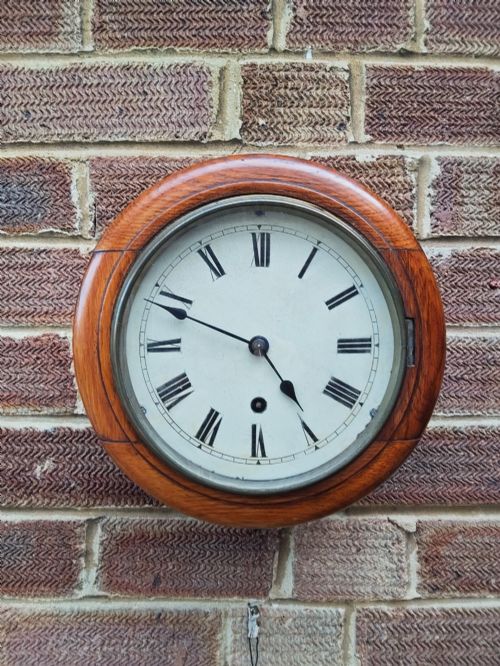
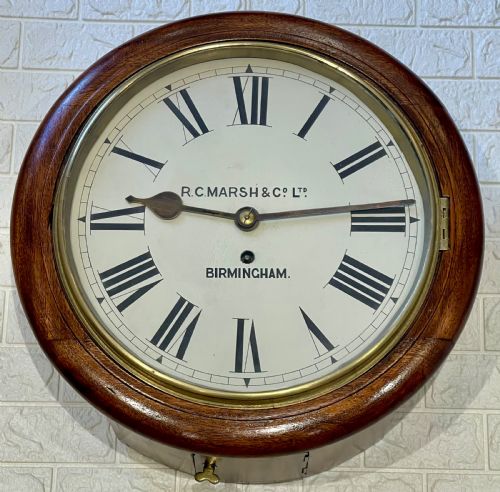

Edwardian Wall Clock
An edwardian wall clock brings crisp dial legibility and warm cabinet timbers into domestic and institutional spaces alike.
Edwardian Wall Clock
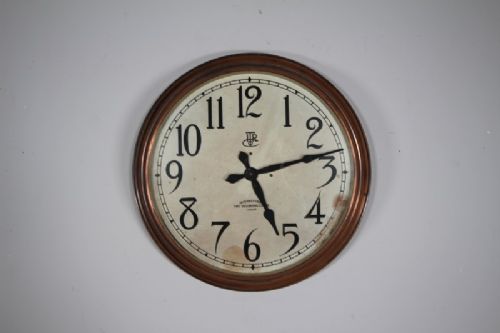
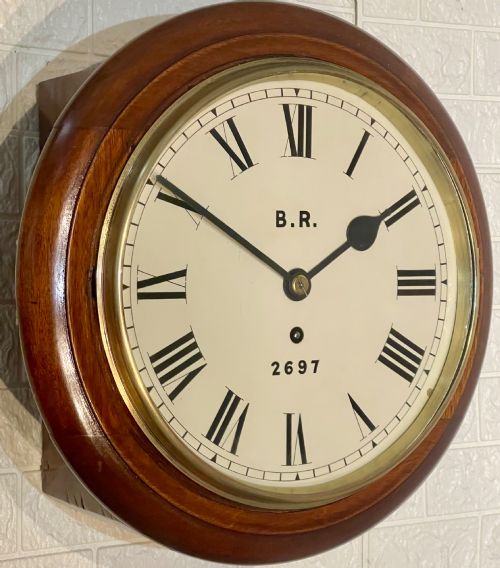
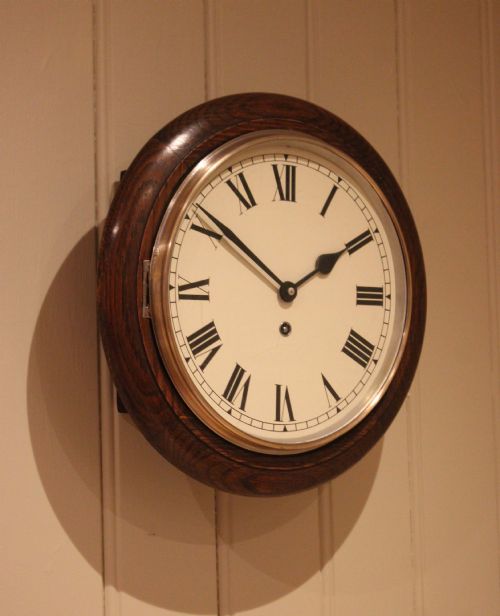
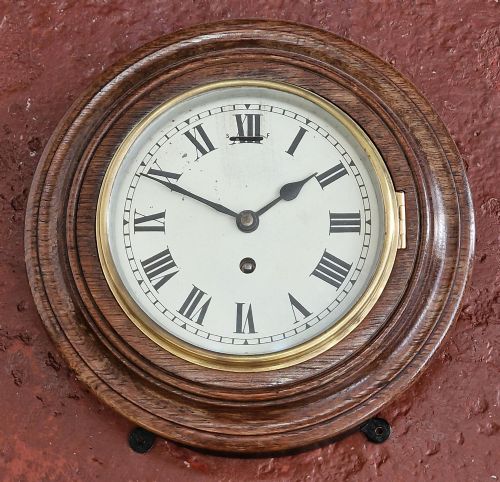
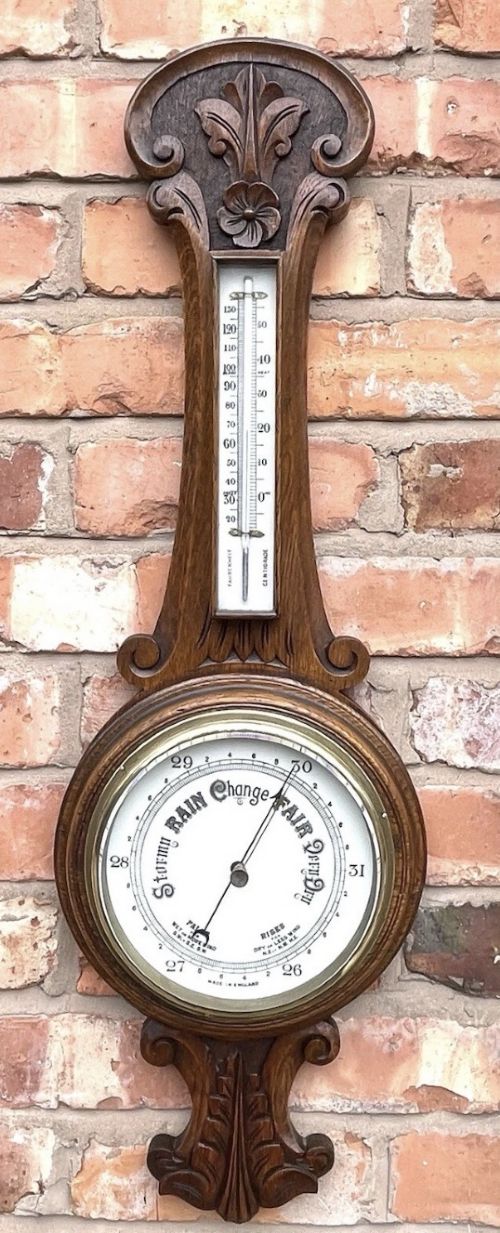
When you search for an edwardian wall clock, you are looking at round dial timepieces, fusee movements and aneroid barometers spanning the turn of the twentieth century. These pieces record the working hours of railways, post offices, schools and homes during the Edwardian period and adjacent decades.
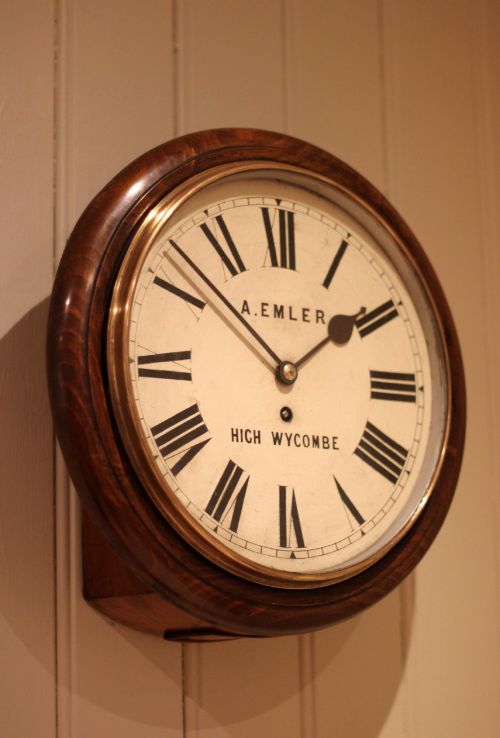
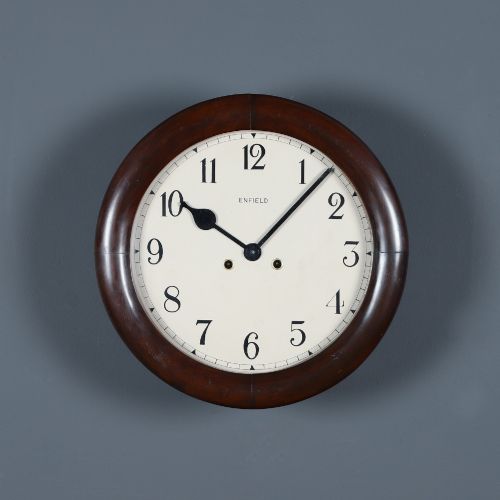
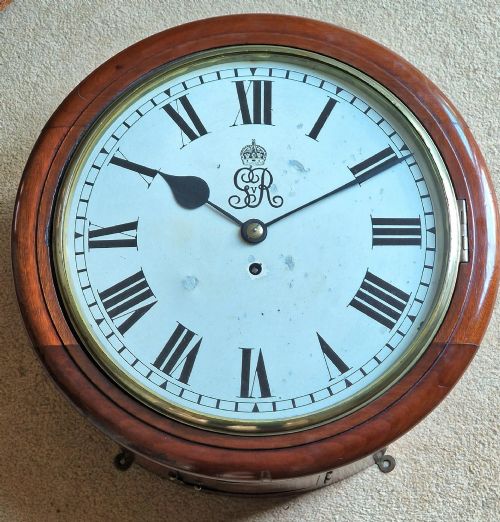
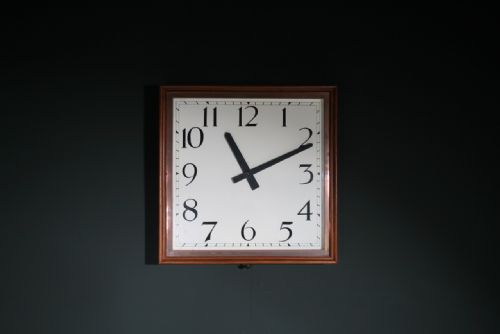
The version you are most likely to meet on this page is the dial clock or drop dial wall clock housed in oak, mahogany or beech. Many retain utilitarian roots with clear Arabic or Roman numerals designed for rapid reading from a distance.
Materials and construction
Cabinet makers utilised dense hardwoods such as oak, mahogany and walnut to house delicate mechanical movements while protecting them from dust and damp. Dial surrounds often feature carved details or simple turned wooden bezels framing flat glass.
Movements rely on brass gears and steel pivots, frequently driven by a fusee chain or cord that equalises the pull of the mainspring as it unwinds. Dials are constructed from painted wood, metal or convex glass over paper markers.
Edwardian Wall Clock Retail Price Guide 2026
Typical asking prices for edwardian wall clock among the pieces listed under this phrase on Sellingantiques today, from the lower quarter to the upper quarter. They describe what is for sale here now, not the wider market.
Regional railway networks including the N.E.R. and L.M.S. supplied many of the sturdy station dial clocks recorded here.
Judging the range
The upper tier of these timepieces displays crisp dial painting, substantial brass bezels and heavy mahogany or carved oak cases bearing the stamps of known retailers or railway companies. Simpler workshop pieces or utilitarian instruments made for military and postal service form the standard working baseline.
Hyde and Sons Sleaford·D and J Wellby London·John Walker·Kelvin White and Hutton London·Anglo Swiss Watch Co·Balbiani Brookley
The Edwardian Wall Clock Glossary
- Fusee
- A conical pulley connected to the mainspring by a chain or gut line, designed to maintain even driving power as the spring runs down. This mechanism is prized by horologists for improving timekeeping accuracy.
- Dial clock
- A wall-mounted timepiece featuring a prominent circular face and a short wooden case below to enclose the pendulum. They were standard fixtures in offices, railway stations and schools.
- Drop dial
- A wall clock configuration where the circular dial sits above an extended wooden box, often with a curved base, which accommodates a longer pendulum swing. This form maximised visual presence in public rooms.
- Aneroid barometer
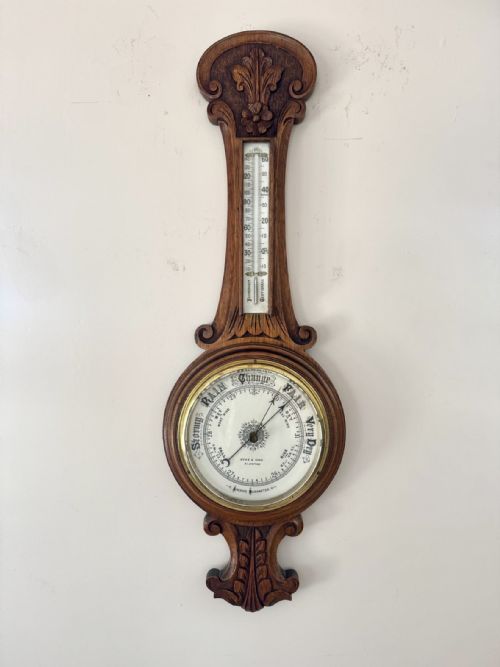
- An instrument measuring atmospheric pressure without liquid, using a flexible metal capsule that expands or contracts with weather changes. Edwardian models frequently match the timber and dial style of companion wall clocks.
- Cartel clock
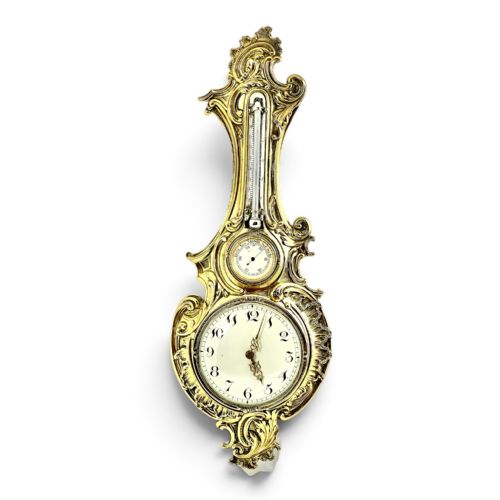
- An ornate wall clock housed in an asymmetrical or scrolling frame made of carved wood or metal. This continental style contrasts with the restrained geometry of British dial clocks.
Edwardian Wall Clock: Frequently Asked Questions
Where were these clocks originally hung?
Railway stations, post offices, schools and military headquarters utilised these round dial clocks for reliable timekeeping in busy public rooms.
Domestic hallways and parlours also accommodated smaller oak or mahogany versions to keep household schedules.
How do fusee movements work?
A fusee movement uses a conical drum and chain to regulate the force delivered from the mainspring to the gear train.
As the spring unwinds and loses tension, the chain rides higher on the cone's wider radius to maintain constant torque.
How do I tell an Edwardian clock from a Victorian one?
Edwardian timepieces generally feature lighter oak cases, simpler carved details and cleaner dial layouts compared to heavily ornamented Victorian designs.
However, makers often retained traditional movement designs across both periods, making style and timber the clearest indicators.
Can I hang a heavy wall clock on plasterboard?
Solid masonry walls or timber studwork provide the necessary support for the substantial weight of hardwood cases and brass movements.
Secure fixings into structural points ensure the heavy pendulum and case hang safely without shifting.