




Edwardian Vanity Seat
Edwardian vanity seat forms are low, upholstered perches designed for the dressing room, offering practical comfort alongside period craftsmanship.
Edwardian Vanity Seat
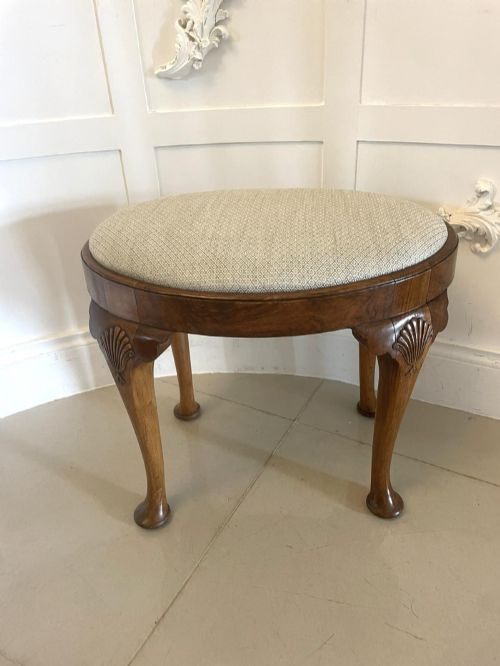
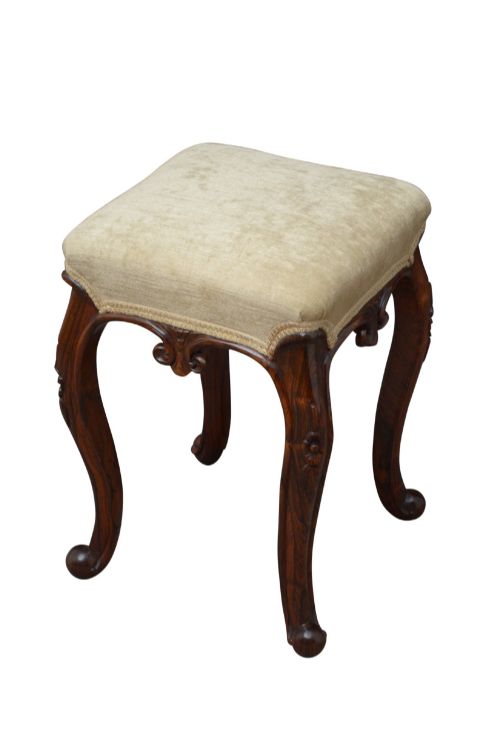
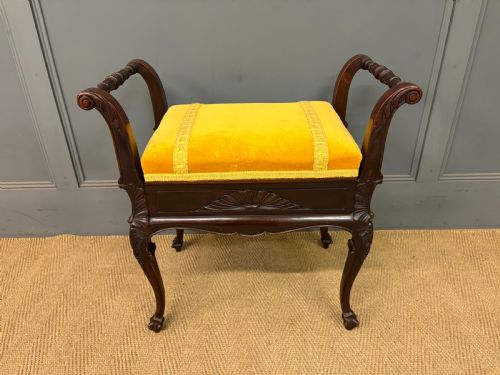
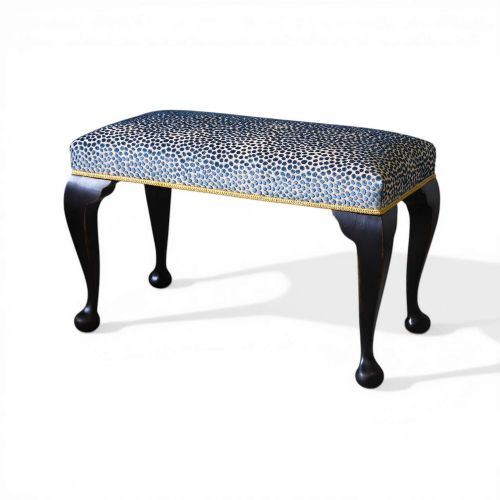
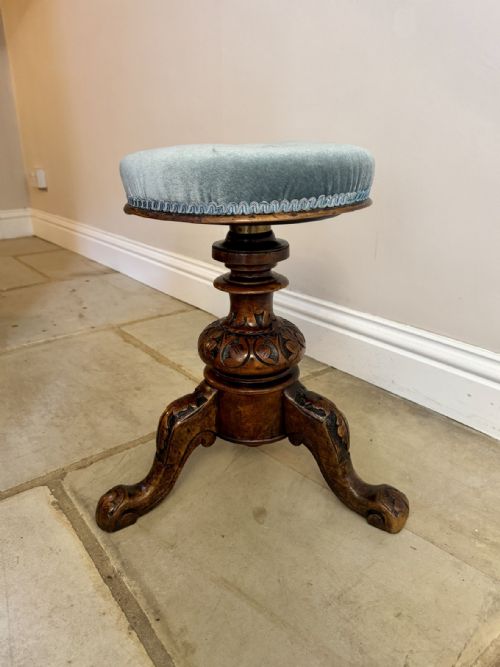
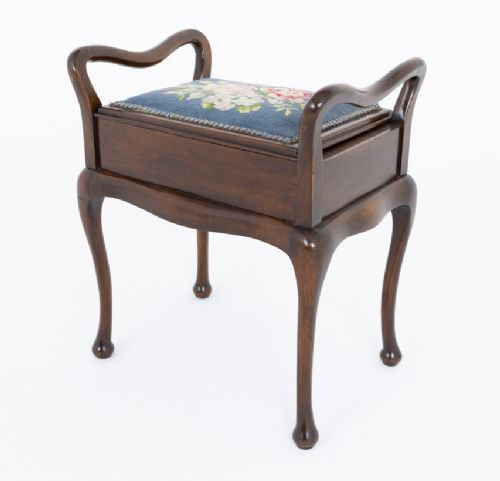
An edwardian vanity seat is a low-slung piece of furniture typically found in bedrooms or dressing areas, designed to sit comfortably in front of a dressing table. The selections here include piano stools, nursing chairs, slipper chairs, and dressing stools spanning the Victorian and Edwardian eras.
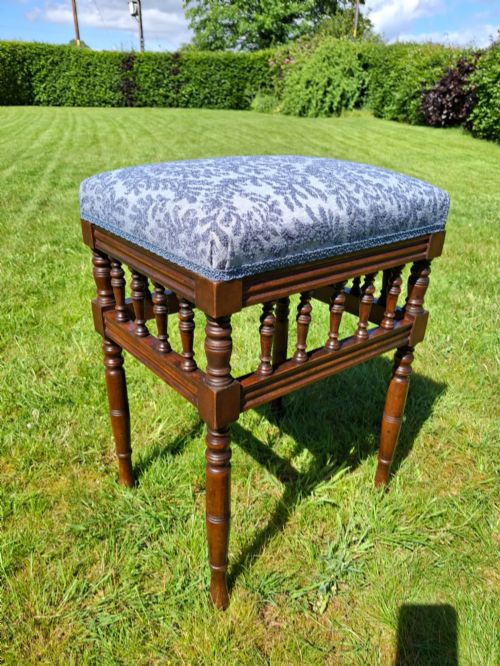
The dominant material frames are constructed from timbers such as mahogany, walnut, and oak, while seating surfaces feature various textiles including velvet, tapestry, fabric, and leather. Forms range from simple turned leg stools to sophisticated inlaid mahogany pieces and revival styles.
How they were made
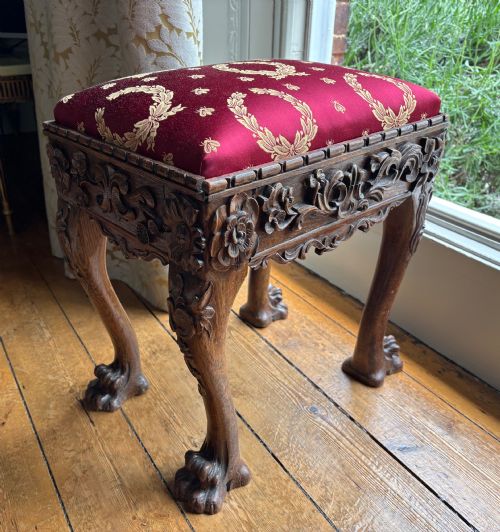
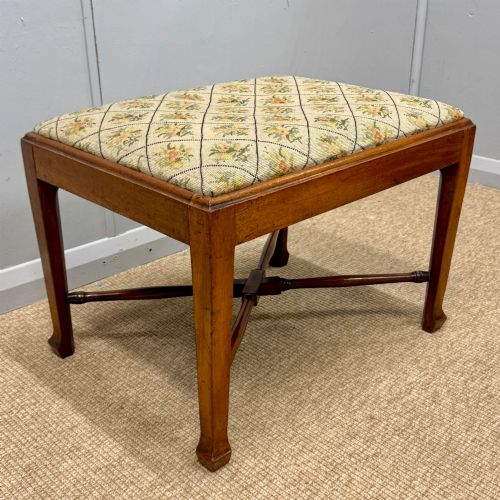
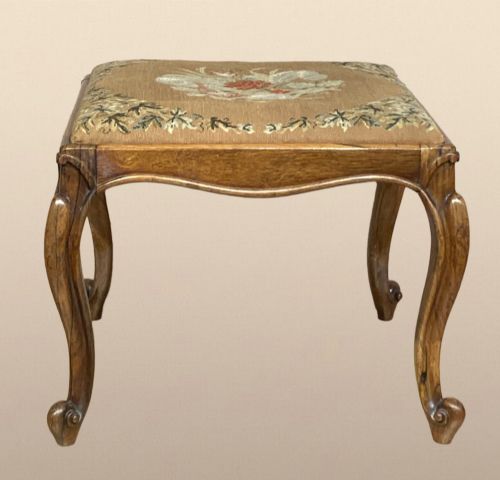
Makers utilised solid timbers like mahogany, walnut, oak, satinwood, and goncalo alves wood for structural frames, employing carved cabriole legs, twisted rope supports, and cross stretchers for stability. Joinery techniques relied on traditional mortise and tenon methods alongside detailed wood carving and inlay work.
Upholstery involved heavy textiles such as velvet, damask, tapestry, and leather stretched over padded seats. Some variants incorporated mechanical lifting mechanisms for adjustable piano stool heights.
Listings feature items from the Edwardian and Victorian periods, constructed primarily in mahogany, walnut, and oak.
What varies in quality
The distinction between standard and superior pieces rests upon the choice of timber figure, the crispness of hand carving on cabriole legs, and the sophistication of marquetry inlay. Dense hardwoods like walnut and mahogany command attention when grain patterns display rich natural depth.
Structural integrity depends on the rigidity of the frame joints and the quality of historical restoration. Pieces retaining original upholstery materials sit alongside examples reupholstered in tweed or modern textiles.
Jas Shoolbred·James Shoolbred
The Edwardian Vanity Seat Glossary
- Cabriole leg
- A furniture leg that curves outward and then tapers inward, mimicking an animal's curving leg. This design appears frequently on walnut and mahogany dressing stools from the Victorian and Edwardian periods.
- Piano stool
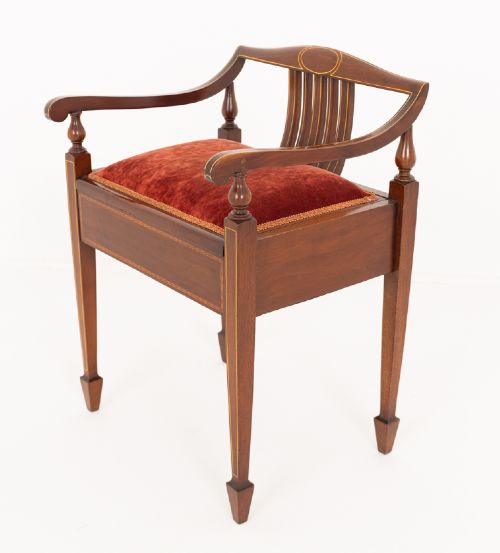
- A seat designed specifically for keyboard players, sometimes featuring a rotating top or a lift-up upholstered seat for sheet music storage. Many examples from this selection date to the Edwardian era.
- Nursing chair
- A low-seated chair traditionally utilised for nursing infants, possessing a supportive back and upholstered frame. These pieces often feature exposed wooden legs in mahogany or walnut.
- Sheraton Revival
- A late nineteenth and early twentieth century design movement replicating the lighter, neoclassical furniture styles of Thomas Sheraton. Pieces in this style often incorporate delicate mahogany frames and inlaid details.
- X-frame stool
- A seating form supported by intersecting diagonal legs forming an X shape, reminiscent of Neoclassical designs. This architectural base provides robust support for padded upholstery.
Edwardian Vanity Seat: Frequently Asked Questions
What is an edwardian vanity seat?
An edwardian vanity seat is a compact, upholstered stool designed for use at a dressing table or vanity mirror. These pieces combine decorative timber frames with comfortable padded seating.
They serve as functional bedroom furniture while reflecting the refined aesthetic tastes of the early twentieth century.
How do I use a vanity stool?
These seats fit neatly beneath dressing tables, low chests, or bedroom desks. Their compact dimensions allow them to be tucked away when not in use.
They also function well as piano seats or occasional accent chairs in living spaces.
How do I identify an edwardian piece?
Edwardian furniture typically displays lighter timbers such as mahogany and satinwood, often decorated with subtle inlay work. The construction favours refined proportions over heavy Victorian ornamentation.
Many pieces also feature turned legs and period upholstery fabrics like velvet or tapestry.
What materials are used?
Frames are constructed primarily from hardwoods including mahogany, walnut, oak, and satinwood. Brass hardware and decorative wood inlays appear on select models.
Seating surfaces utilise textiles such as leather, velvet, damask, and woven tapestry.