

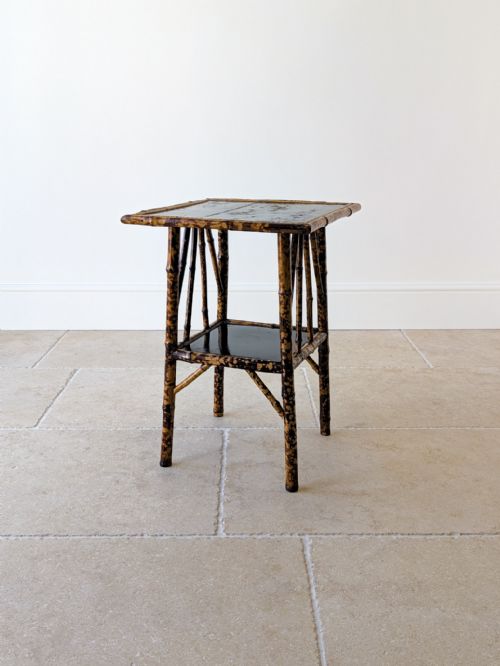
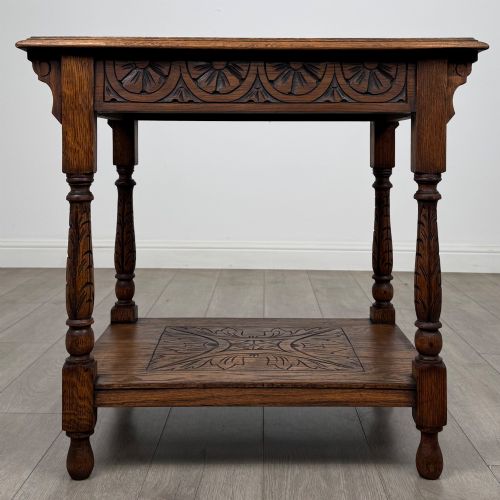
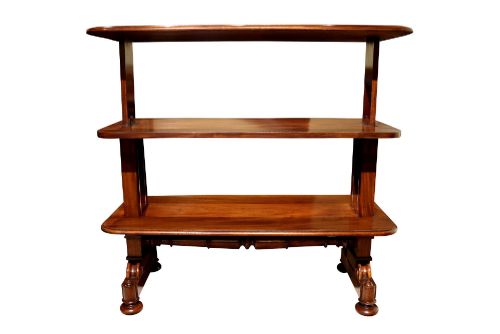
Edwardian Tiered Table
An edwardian tiered table offers multi-level surface space with distinct period character, making it a practical addition to any period interior.
Edwardian Tiered Table
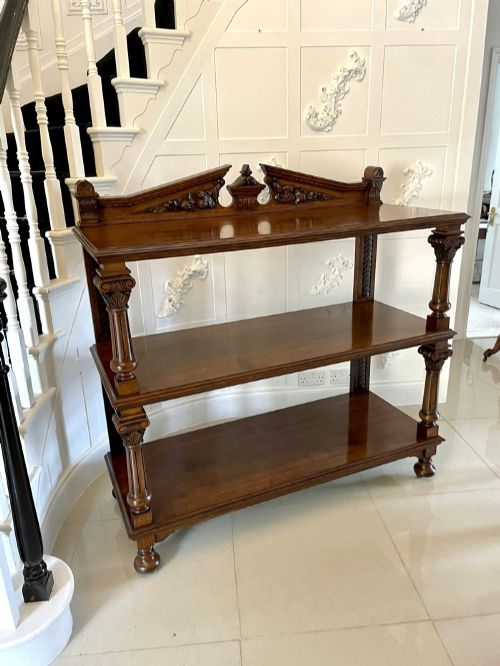
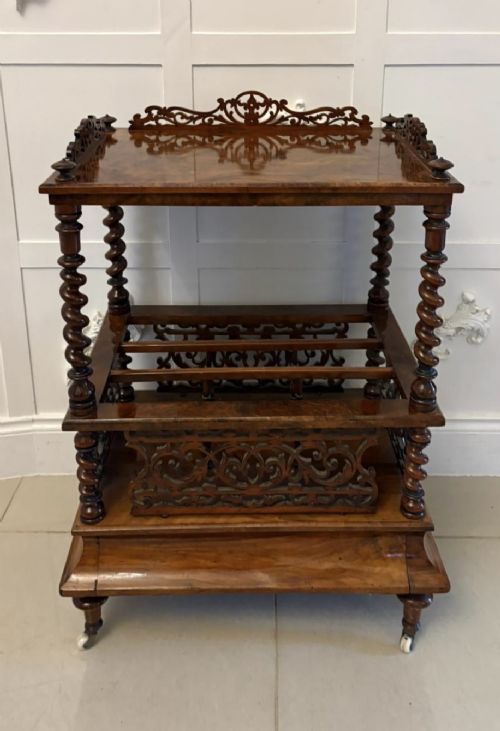
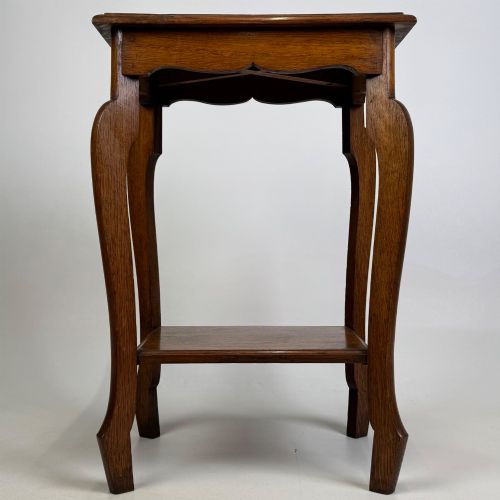
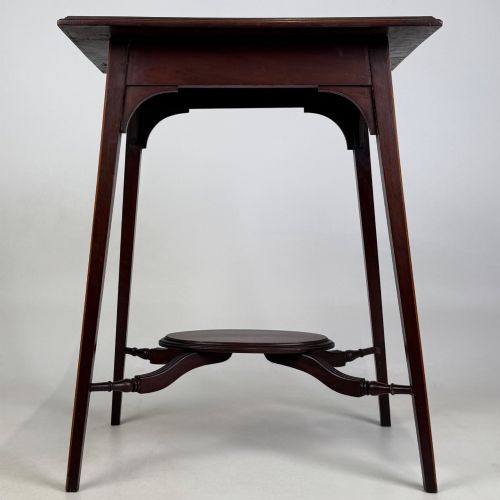
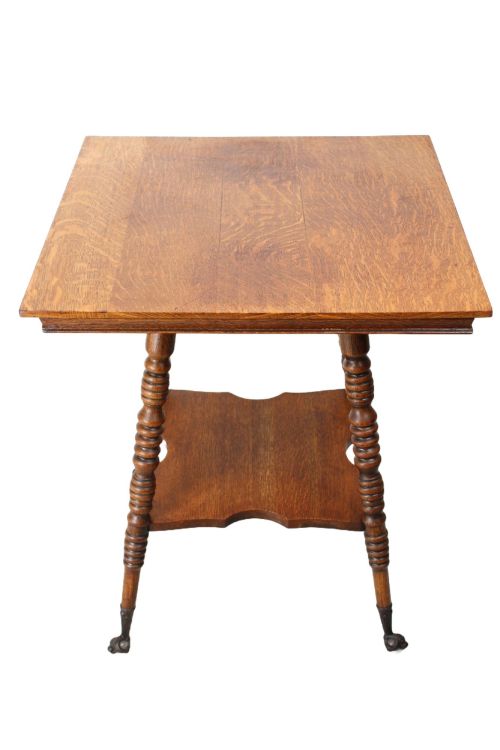
An edwardian tiered table provides multiple horizontal surfaces arranged vertically to maximise display and storage area within a room. These pieces appear frequently in mahogany and oak, often featuring two or more distinct tiers linked by slender supports or turned columns.
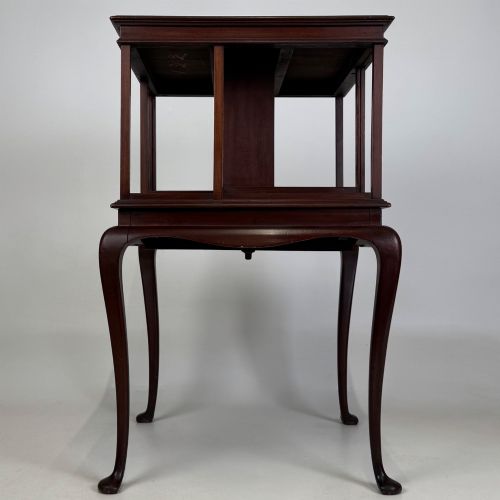
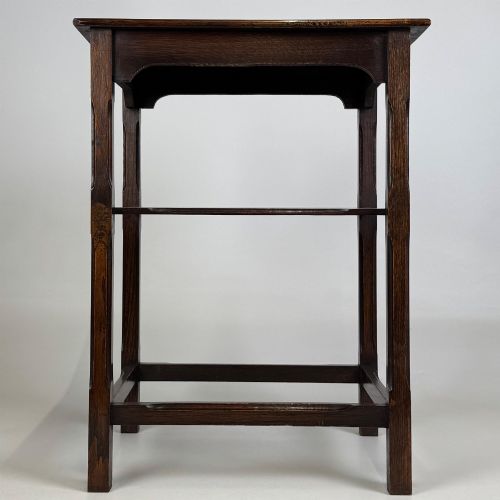
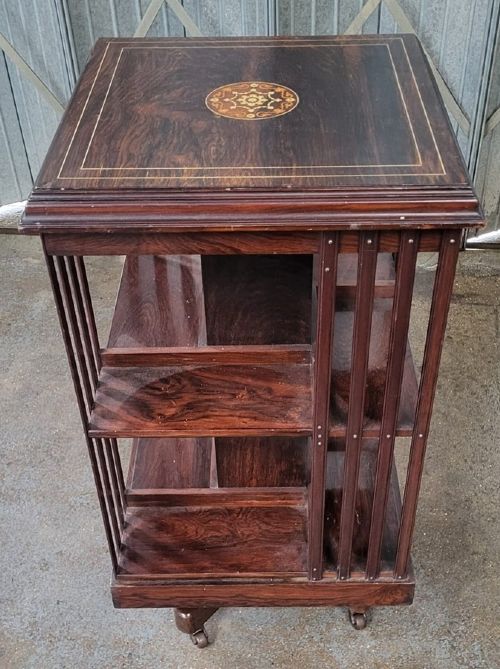
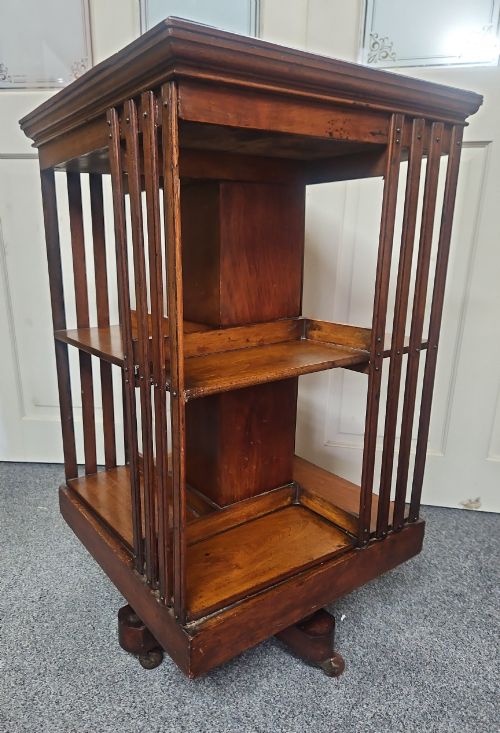
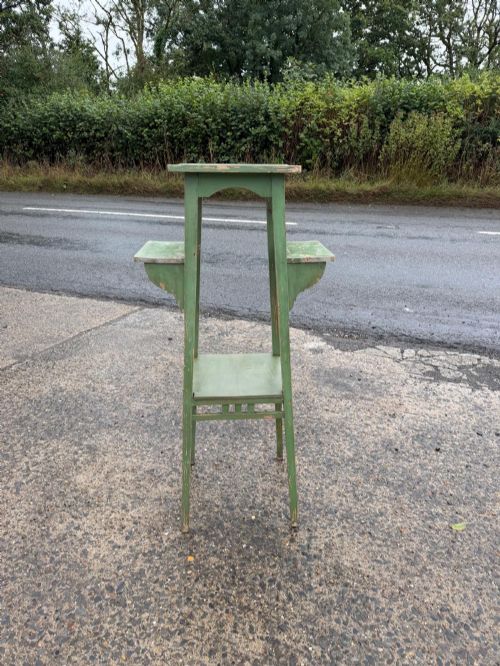
The selections on this page span the Edwardian period alongside related Victorian, Arts and Crafts, and early twentieth-century examples. Forms range from simple two-tier side tables and plant stands to rolling trolleys and revolving bookcases.
Makers of the era utilised various timbers to suit both formal drawing rooms and simpler domestic spaces. Buyers encountering these objects will find rectangular, square, and occasionally circular formats designed for practical daily use.
How they were made
Cabinetmakers constructed these multi-level pieces using solid timbers and decorative veneers such as mahogany, oak, walnut, and rosewood. Joinery relied on traditional techniques like mortise and tenon joints to ensure stability across multiple load-bearing shelves.
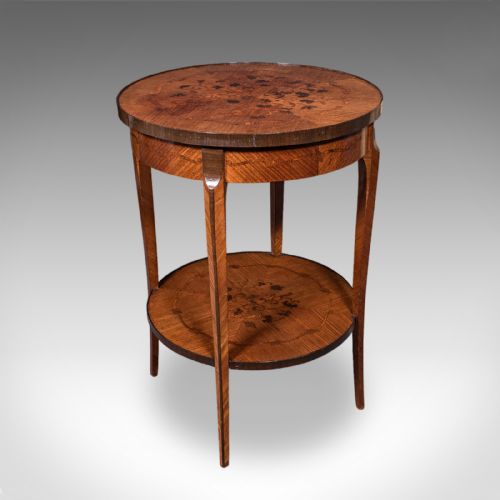
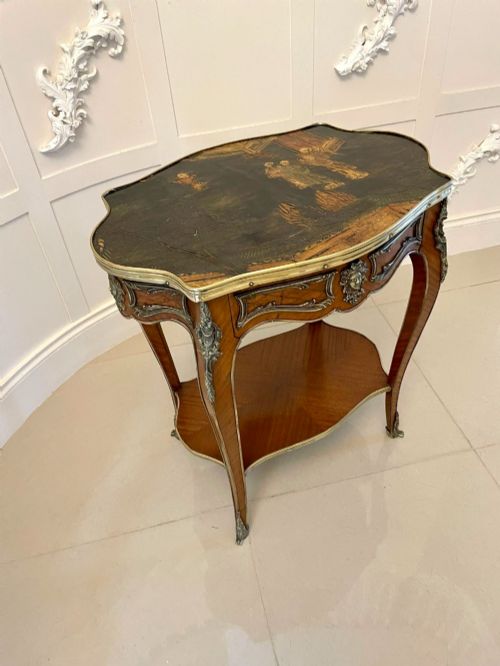
Surface ornamentation often included delicate boxwood inlay, marquetry, or carved details characteristic of the Edwardian and Arts and Crafts movements. Brass fittings, castors, and rails appeared frequently on trolley and revolving variants to aid mobility and daily function.
Some revolving bookcases spin so freely you can test your childhood carousel dreams while tidying the evening reading.
What varies in quality
The distinction between standard domestic pieces and finer examples rests upon timber selection and the precision of the cabinetwork. Heavier secondary woods, crisp carving, and well-executed inlay separate exceptional items from basic utility pieces.
Structural integrity across multiple tiers determines longevity, particularly in revolving bookcases and trolleys where moving joints experience regular friction. Original surface patination and intact hardware further influence the overall character of a piece.
The Edwardian Tiered Table Glossary
- Tiered table
- A small piece of furniture featuring two or more stacked surfaces connected by vertical supports. These designs allow for compact display and storage.
- Etagere
- A set of open shelves or tiers used for displaying small objects and ornaments. This French form became popular in various British revival styles.
- Revolving bookcase
- A freestanding tiered bookcase mounted on a rotating spindle base. Users can access books from multiple angles without moving the unit.
- Inlay
- A decorative technique where contrasting strips or shapes of wood like boxwood are set flush into the primary surface. This adds linear detail to table tops and tiers.
- Marquetry
- Elaborate veneer work forming pictorial or geometric patterns using various coloured woods. It appears frequently on more decorative Edwardian occasional tables.
Edwardian Tiered Table: Frequently Asked Questions
What is an edwardian tiered table used for?
These pieces served multiple functions in domestic interiors, holding lamps, books, tea services, and decorative plants across their various levels. Their stacked surfaces provided extra display space without requiring a larger footprint in smaller rooms.
Today, owners utilise them as bedside stands, lamp tables, or corner display units. Their versatile proportions allow them to fit easily beside seating or in hallways.
How do I identify an Edwardian tiered table?
Edwardian examples typically date from the period between eighteen ninety-nine and nineteen ten, showing lighter proportions than heavy Victorian predecessors. They frequently employ mahogany or oak, sometimes enhanced with subtle inlay or simple crossbanding.
Examining the underside, secondary timbers, and joinery style helps confirm the period. Later reproductions often lack the timber density and subtle patination found in genuine pieces.
Are these tables sturdy enough for daily use?
Quality construction using traditional joinery ensures these multi-level pieces remain stable for everyday household tasks. However, the upper tiers are generally intended for lighter items like books, lamps, or small ornaments rather than heavy loads.
Checking the tightness of the vertical supports and leg joints will confirm if a table is ready for regular placement in a busy room.
How do I care for mahogany and oak tiers?
Routine maintenance involves dusting with a soft, dry cloth to prevent particulate buildup on the polished timber surfaces. Applying occasional quality beeswax helps preserve the moisture and natural grain of the wood.
Keeping these items away from direct heat sources and strong sunlight prevents the timber from warping or the polish from fading over time.