

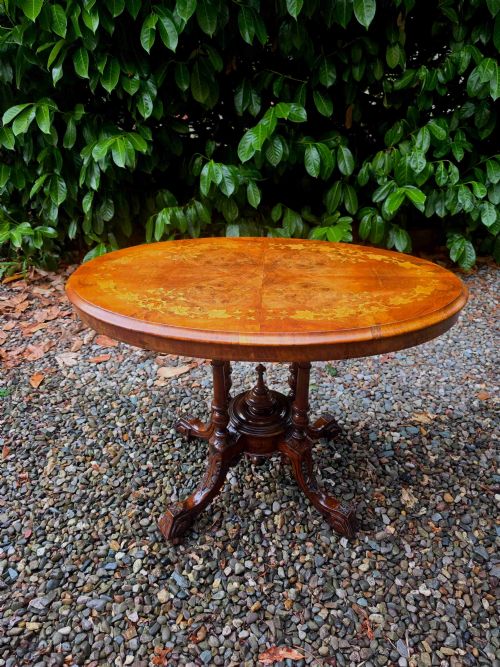
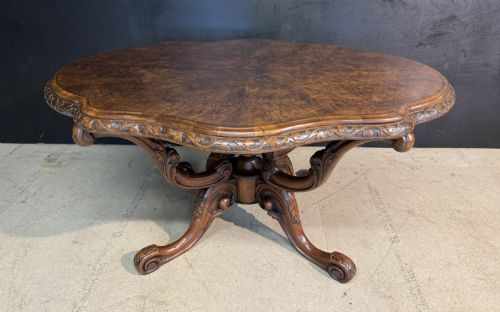
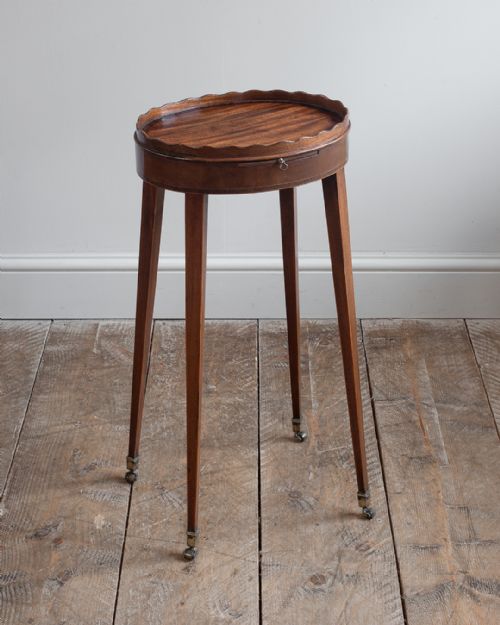
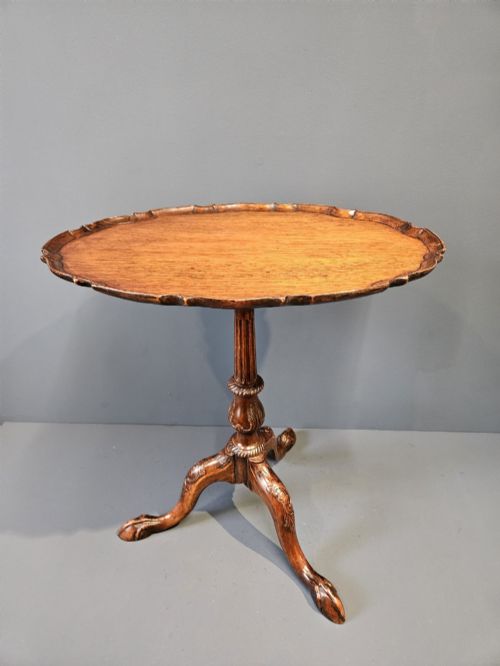


Oval Top Tea Table
An oval top tea table brings a refined silhouette into a room, offering a distinct alternative to standard rectangular or round surfaces.
Oval Top Tea Table
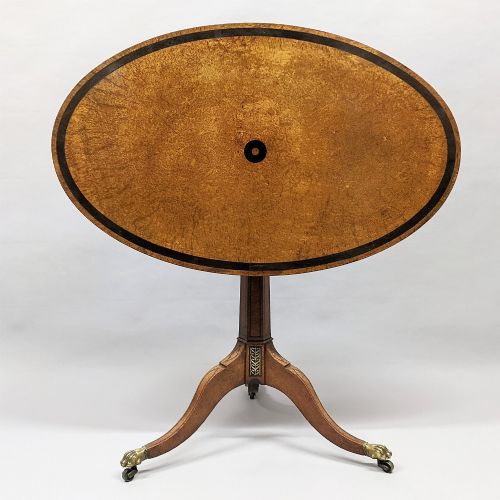
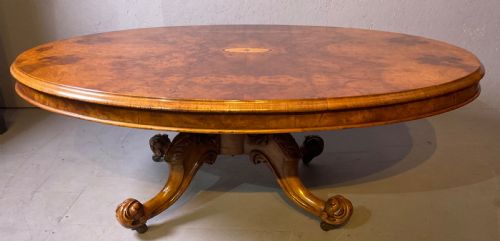
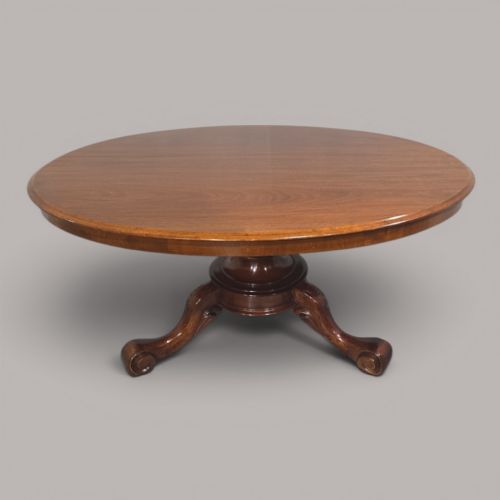
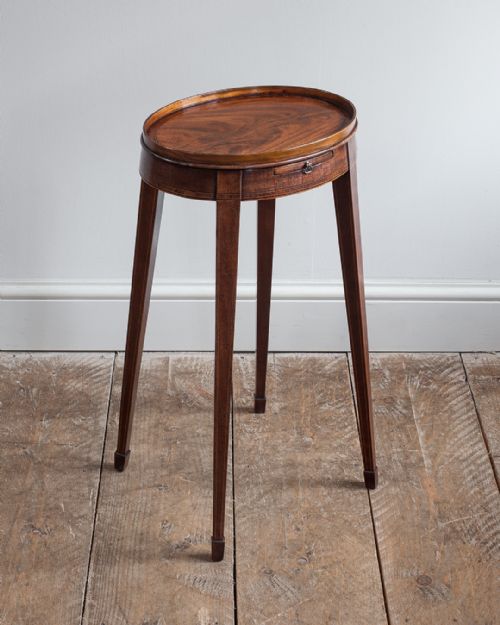
When you search for an oval top tea table, you encounter a variety of periodic iterations spanning the eighteenth, nineteenth, and early twentieth centuries.
The selections range from Georgian mahogany urn stands and tripod tables to Victorian burr walnut centre tables and Edwardian occasional pieces.
Makers utilised these curved tops for specific domestic functions, including serving tea, displaying ornaments, or providing compact surfaces in a window bay.
Materials and construction
Cabinet makers constructed these tables using dense timbers such as mahogany, rosewood, walnut, and amboyna, frequently applying decorative burr veneers to the top surface.
Many examples incorporate hand-carved foliate details, inlaid stringing, or pie crust edges, supported by tripod legs, pillar pedestals, or traditional four-leg frames.
The listings demonstrate a strong presence of nineteenth-century walnut and eighteenth-century mahogany, alongside Edwardian mahogany and satin birch variations.
Assessing craftsmanship
Quality reveals itself in the selection of the timber, particularly where figured burr veneers or exotic woods display rich grain patterns across the oval surface.
The precision of the joinery, stability of the central pillar or tripod base, and crispness of any hand-carved foliate decoration separate standard production items from superior workshop output.
Gillows
The Oval Top Tea Table Glossary
- Burr walnut
- A prized timber taken from the growth growths of the walnut tree, showing complex, swirling grain patterns that make each table top unique.
- Tilt top
- A mechanism allowing the table surface to swivel and fold flat against the pedestal for storage when not in use.
- Pie crust edge
- A raised, carved rim around the perimeter of the table top, shaped with undulating curves resembling pastry work.
- Tripod base
- A supporting structure consisting of three spreading legs radiating from a central pillar column.
Oval Top Tea Table: Frequently Asked Questions
How were oval top tea tables used?
These tables served primarily for the formal serving of tea in domestic parlours during the eighteenth and nineteenth centuries.
Over time, their roles expanded to include display surfaces for ornaments, game tables, and occasional furniture in reception rooms.
How do I identify a Victorian table?
Victorian examples frequently utilise rich burr walnut or rosewood veneers, often featuring elaborate inlay, hand-carved foliate borders, or heavy pedestal bases.
They span the mid to late nineteenth century, reflecting the period's preference for dark, highly figured timbers and decorative ornamentation.
What is a tilt top mechanism?
A tilt top incorporates a catch and block hinge beneath the surface, allowing the oval top to pivot into a vertical position.
This practical nineteenth century design enabled the furniture to stand compactly against a wall when the room was cleared.
Where should I place one at home?
An oval top table fits effectively beside a sofa or within a window bay where its curved edges soften the geometric lines of a room.
Smaller tripod versions suit corners or tight spaces, while larger centre tables anchor the middle of a parlour or study.