
Edwardian Table Lighting
Edwardian table lighting encompasses brass, glass, and wood table lamps, candlesticks, and oil lamps designed to illuminate interiors during the early twentieth century.
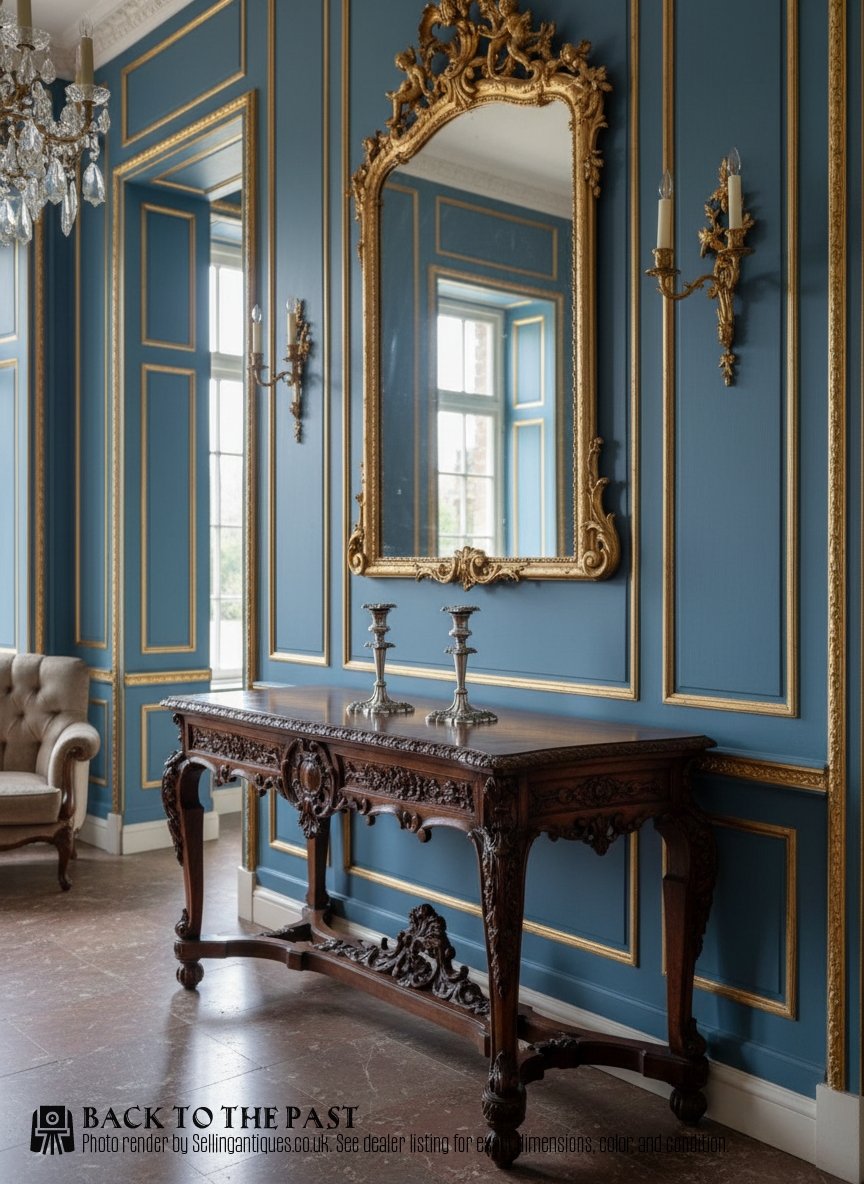
Edwardian Table Lighting
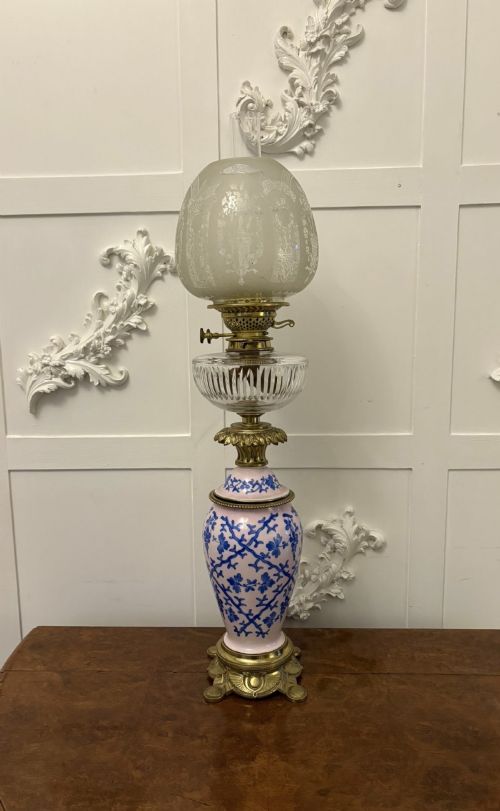
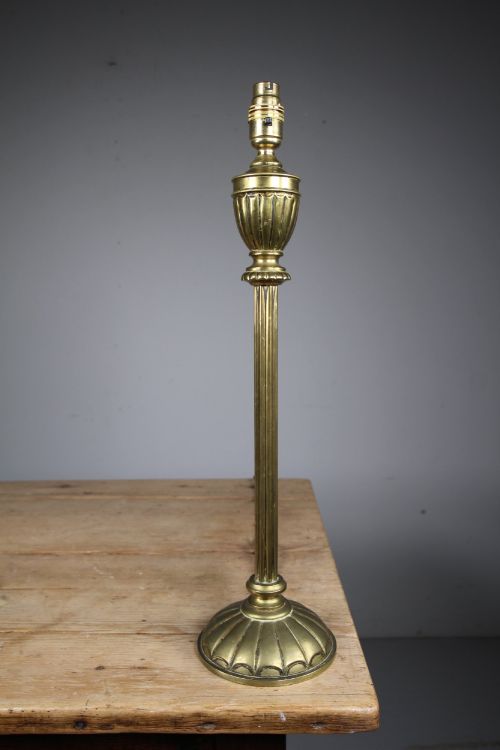
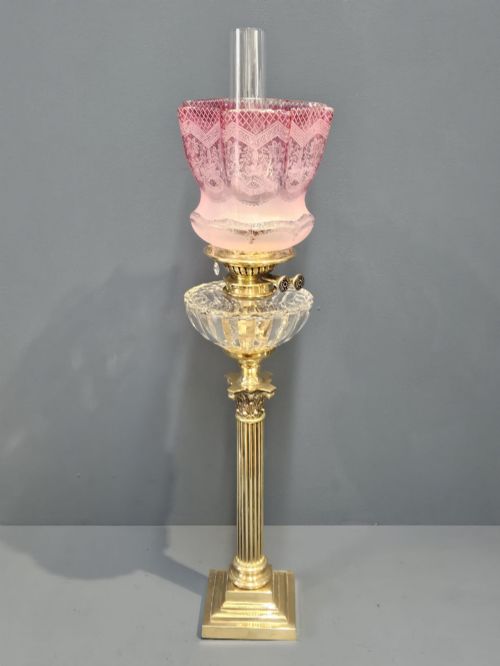
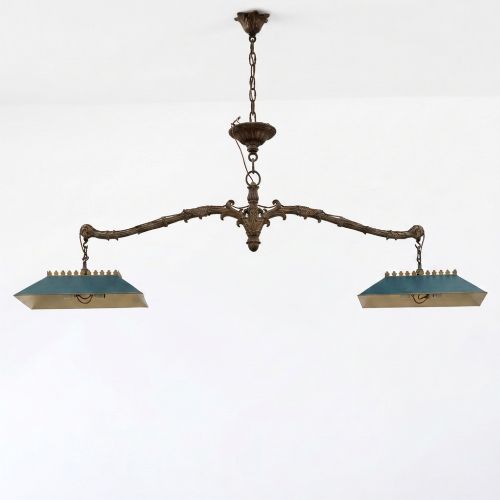
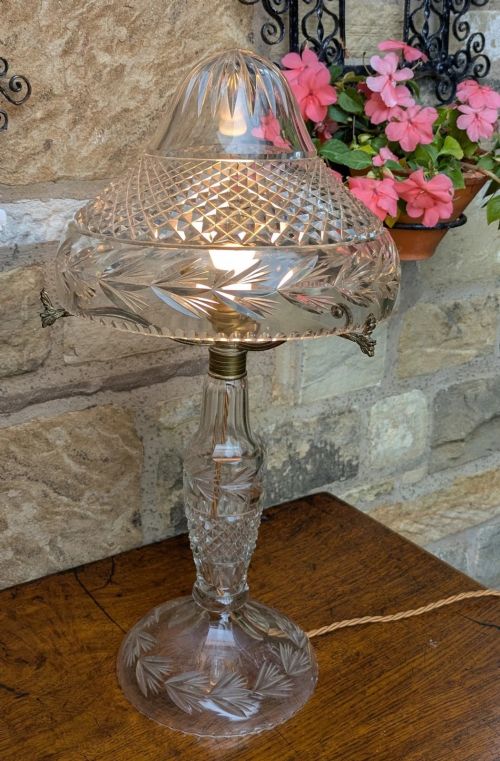
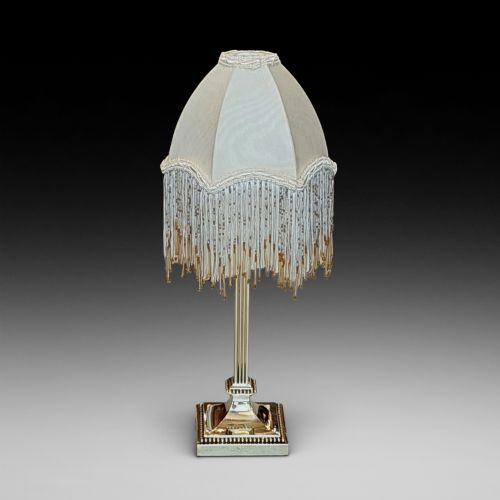
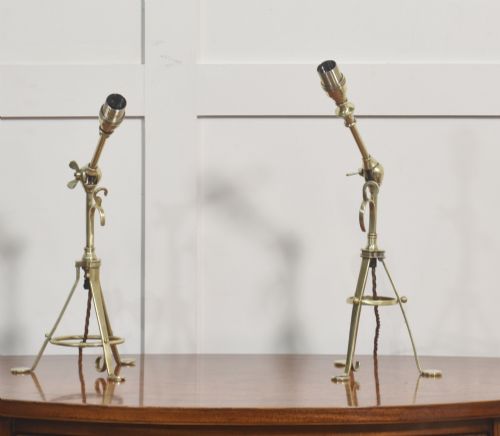
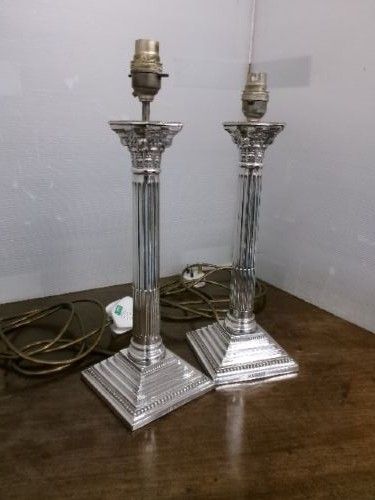
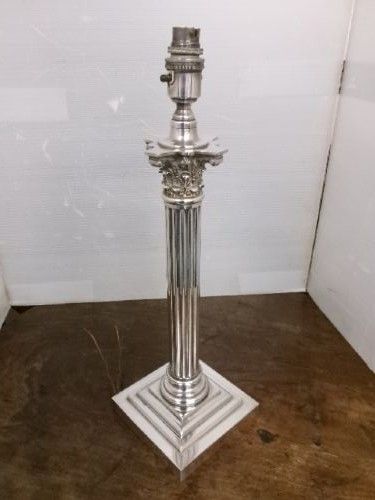
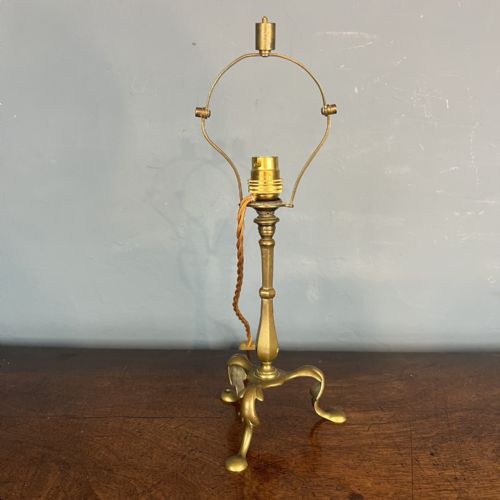
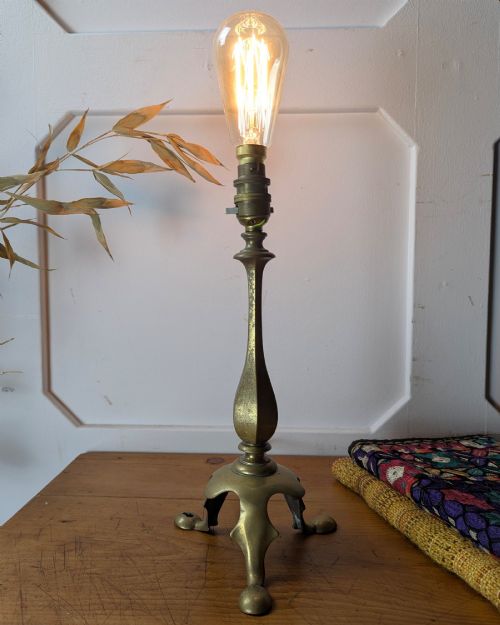
When searching for edwardian table lighting, buyers encounter a selection of period illumination pieces spanning the late nineteenth and early twentieth centuries. The offerings on this page include tall brass columns, adjustable reading lights, crystal cut fittings, and converted oil lamps.
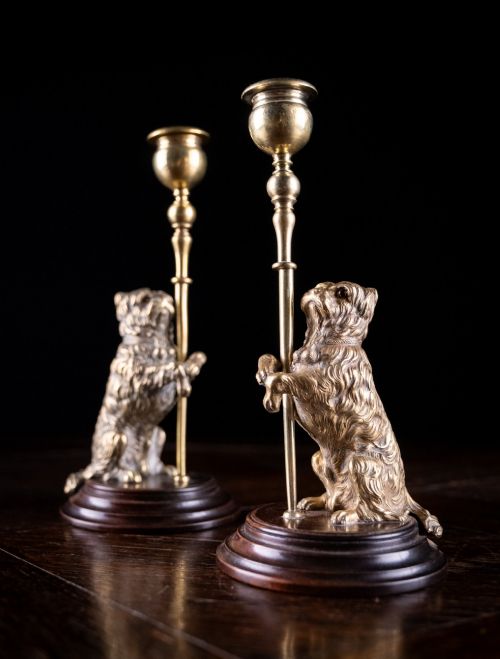
The most common forms are table lamps and candlesticks cast in brass or silver plate, alongside functional desk lamps and bedside lighting in oak or mahogany. Makers also produced designs influenced by Neoclassical Revival, Arts and Crafts, and Rococo styles during this era.
While many pieces date strictly from the Edwardian period, listings also incorporate Victorian survivals and early twentieth-century interpretations in metal and glass. These items reflect the domestic lighting technology and interior design preferences of homes around nineteen hundred.
Materials and Technique
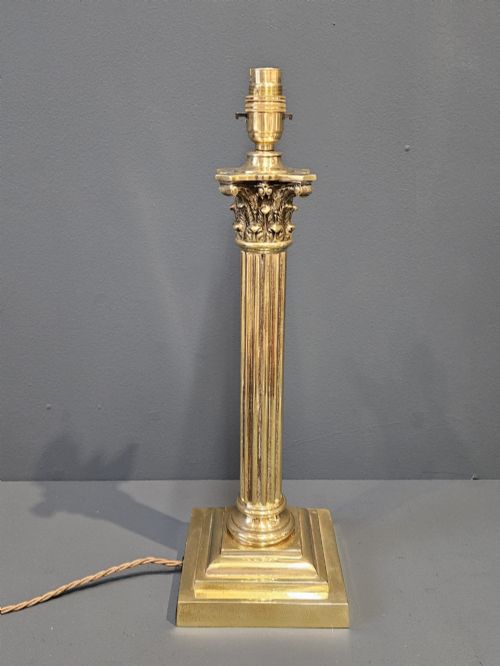
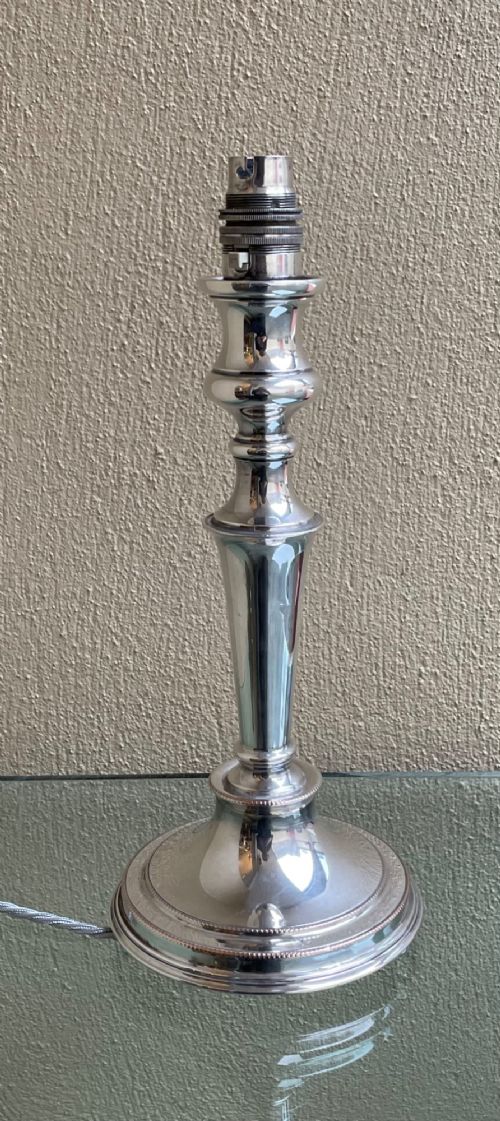
Metals form the foundation of much edwardian table lighting, with brass utilised for cast columns, spun bases, and adjustable reading arms. Silver plating provides a bright finish on column lamps, while gilt bronze and ormolu adorn French examples.
Listings incorporate brass, glass, oak, silver plate, and gilt bronze across table lamps, candlesticks, and oil lamps.
Evaluating the Range
The standard of edwardian table lighting depends upon the crispness of casting detail in metal elements and the weight of the base materials used. Superior examples display precise fluting on column shafts, secure joints, and high-grade materials such as solid brass or heavy cut crystal.
Proportion and decorative harmony separate finer studio pieces from standard commercial production. Works incorporating specialised mechanisms, such as adjustable reading angles or coordinated pairs of shades, demonstrate greater ambition in their original manufacture.
W.A.S. Benson·Royal Worcester·Shapland & Petter·Heals of London
The Edwardian Table Lighting Glossary
- Corinthian column
- A classical architectural column form frequently adapted for the shafts of heavy metal table lamps.
- Opaline glass
- An opaque, milky glass commonly blown to form decorative lamp shades during the early twentieth century.
- Ormolu
- Gilded bronze mounted onto decorative bases and decorative fittings, often seen on French lighting pieces.
- Pullman lamp
- A compact lighting fixture originally designed for railway carriages, later adapted for domestic desk use.
- Refectory
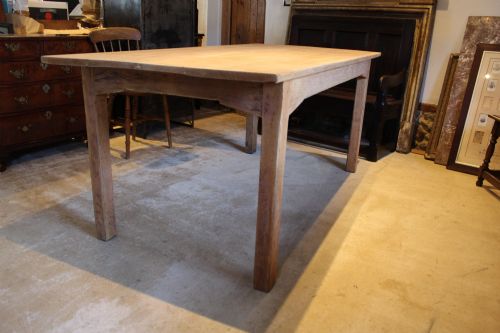
- A long dining table style utilised in early twentieth-century interior arrangements alongside matching illumination.
Edwardian Table Lighting: Frequently Asked Questions
What defines edwardian table lighting?
These pieces comprise lamps, candlesticks, and desk lights produced around the early twentieth century, combining metal, glass, and wood construction.
They reflect the transition from oil-burning predecessors to electrical illumination in domestic spaces.
Were these lamps originally electrical?
Many surviving examples began as oil lamps or gas fittings before receiving later conversions to electricity.
Some period pieces were manufactured specifically for early domestic electrical systems.
How do I identify period materials?
Authentic pieces rely on traditional materials including solid brass, heavy glass shades, silver plate, and hardwoods such as oak and mahogany.
Weight and surface patination help distinguish period manufacture from modern reproductions.
Where were these lights used?
Households placed them upon desks, side tables, dining surfaces, and bedside cabinets to provide task and ambient illumination.
Adjustable variants suited reading and writing tasks in studies and libraries.