
Edwardian Table Centrepiece
An edwardian table centrepiece brings height, weight, and presence to a dining table.
Edwardian Table Centrepiece
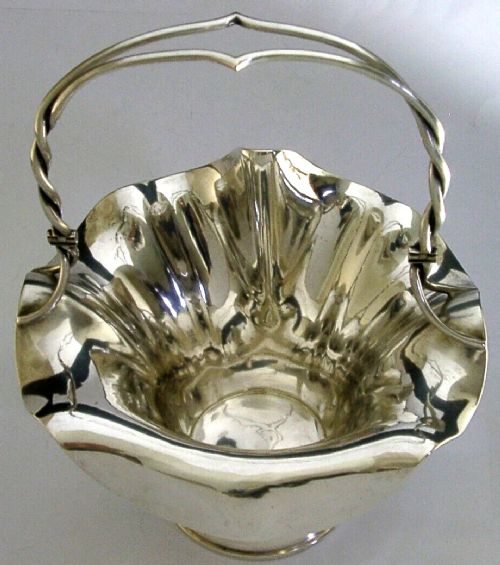
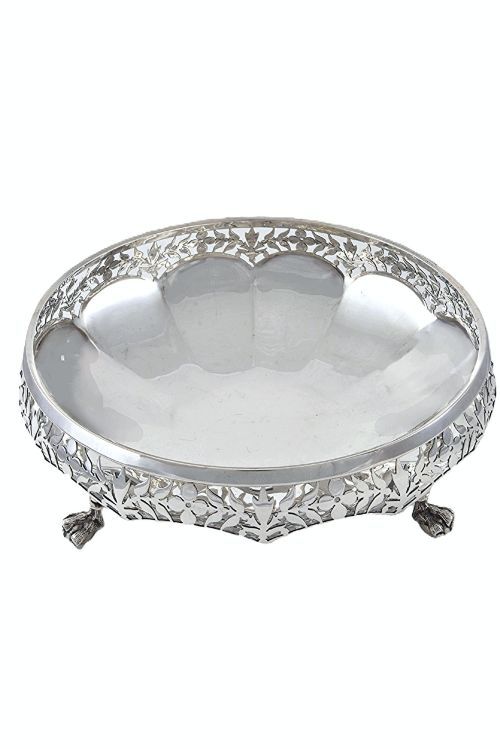
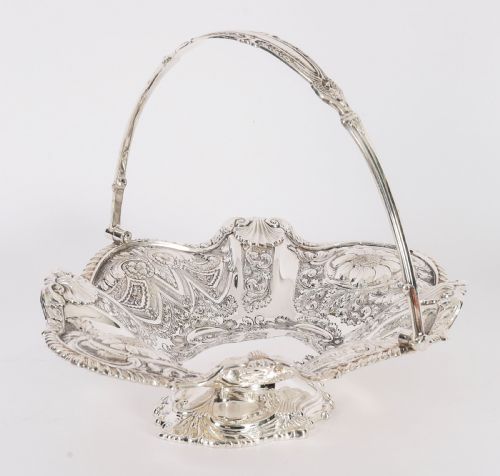
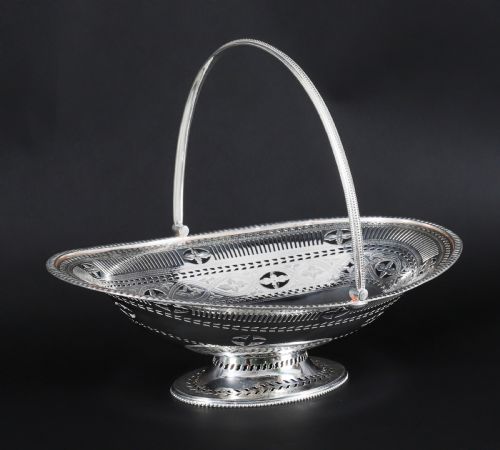
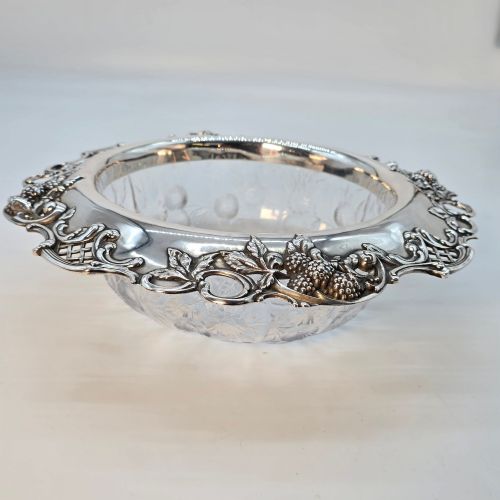
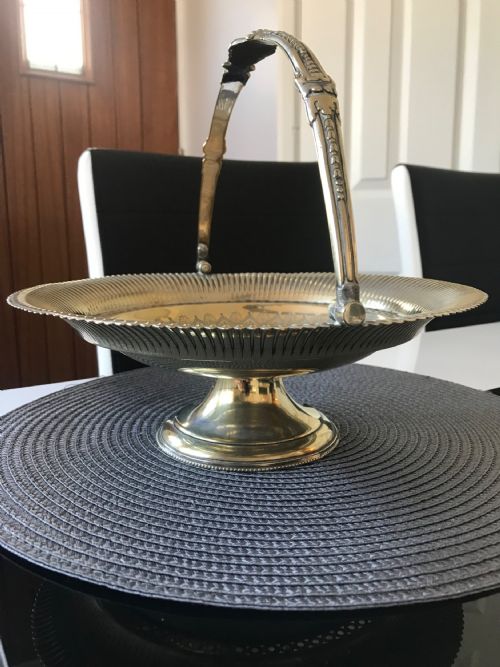
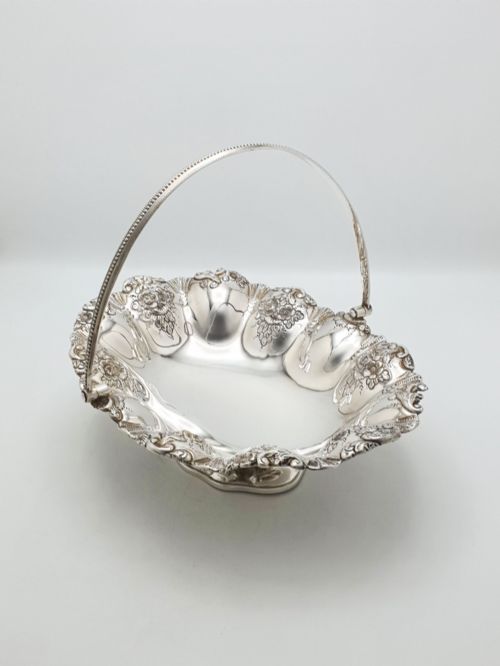
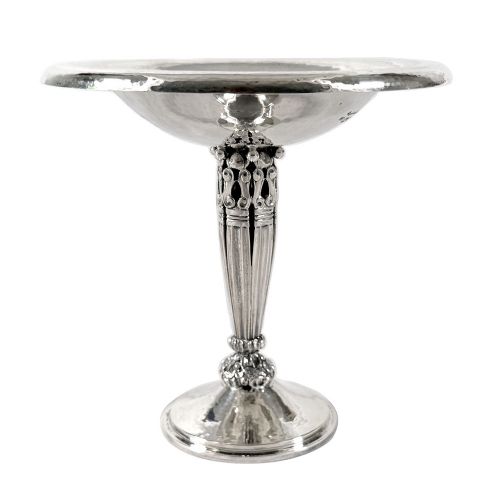
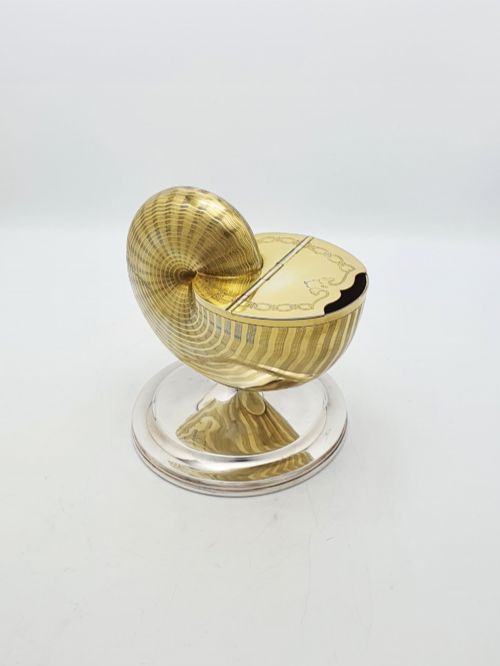
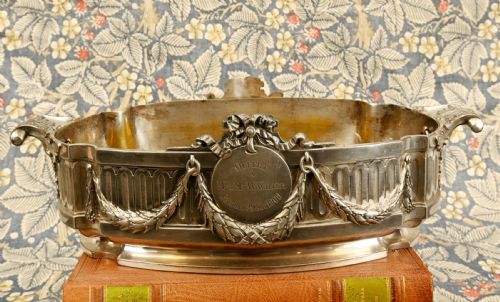
When searching for an edwardian table centrepiece, buyers encounter a variety of forms designed to anchor a dining table or sideboard. The selection spans structural sterling silver bowls, elaborate baskets with swing handles, and multi-light candelabra. Pedestal dishes and tazze also appear frequently, often raised on circular bases.
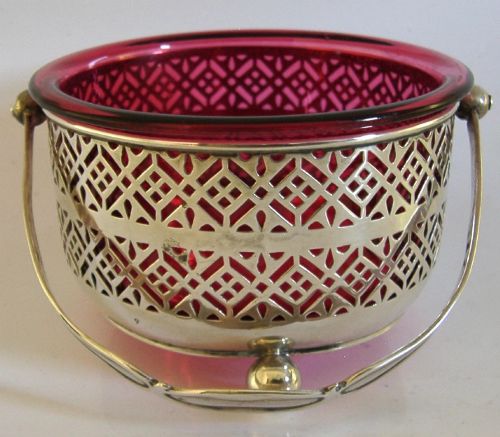
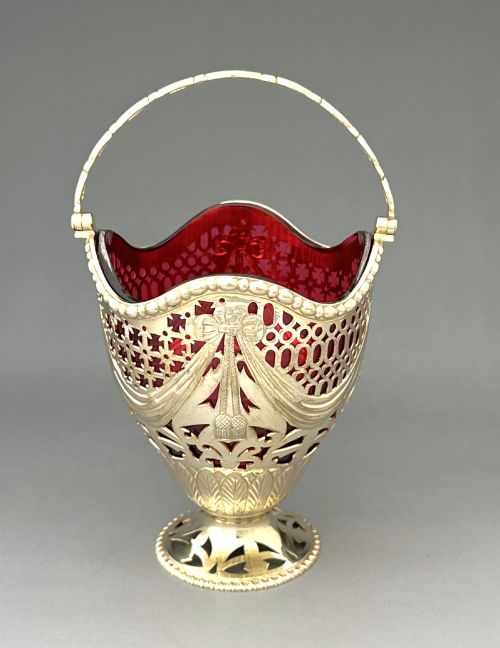
Materials divide broadly into solid sterling silver and silver plate, frequently combined with coloured glass liners in ruby, cranberry, amber, or vaseline hues. While many pieces date directly to the Edwardian period and the early 1900s, related examples stretch back into the Victorian era or forward into the 1920s and 1930s with Art Deco lines.
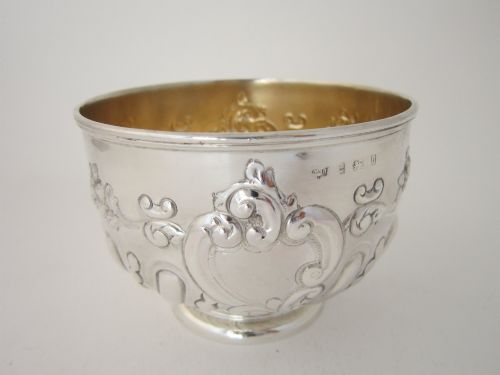
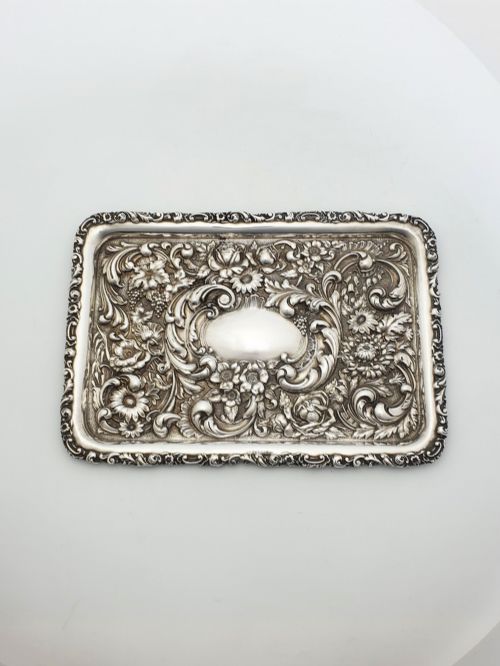
Decorative styles draw heavily on earlier design vocabulary, mixing Rococo floral repoussé with Neo-Classical pierced borders and sweeping Art Nouveau organic curves. Whether utilising crystal, ormolu, or heavy silver plate, these objects were constructed to dominate the centre of the room.
Materials and Construction
The physical weight of these objects relies on heavy gauge sterling silver or a substantial base metal foundation coated in silver plate, EPNS, or electroplated nickel silver. Smiths shaped these metals through hammering, casting, and spinning, then applied detailed ornamentation by hand.
Glass elements - ranging from clear cut glass to vibrant cranberry and ruby glass liners - were mouth-blown and wheel-cut to fit securely within pierced metal baskets and frames. Gilt highlights, champlevé enamel, and ormolu mounts occasionally supplement the silver and glass combinations.
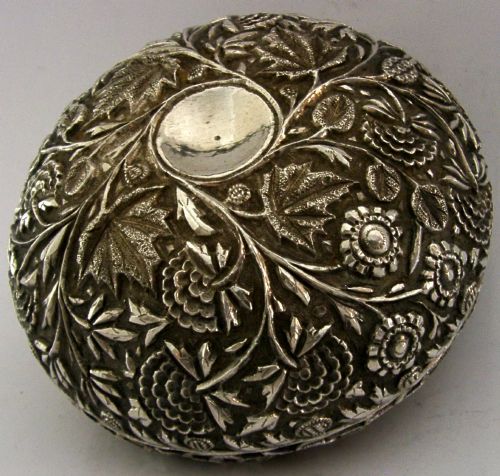
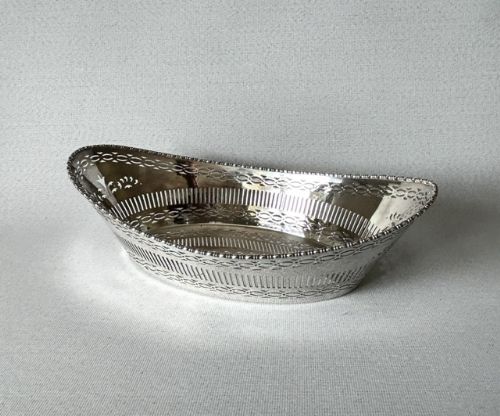
Piercing and repoussé work required meticulous skill to punch decorative lattice patterns into thin metal sheets or push the design out from the reverse side without tearing the surface. Handles, feet, and rims were cast separately and soldered or riveted firmly to the main body.
Distinctions in Quality
The division between standard production and the top of the range rests on the thickness of the metal and the crispness of the hand-chased ornament. Heavier gauge silver and deep, sharply defined repoussé work indicate a workshop that expended more labour on the piece.
The integration of materials also defines the grade of the work, particularly the clarity and weight of associated cut glass liners and the purity of the metal alloys used. Makers who invested in heavy cast mounts and substantial crystal rather than thin pressed glass produced objects that held their structural integrity better over time.
George W. Scott & Sons Ltd·Tiffany & Co·Mappin & Webb·Charles Boyton·Thomas Bradbury·Joseph Rodgers
The Edwardian Table Centrepiece Glossary
- Repoussé
- A metalworking technique where the artisan hammers the design from the reverse side to form raised ornamentation on the front. This method creates tactile, high-relief floral and scroll patterns on bowls and baskets.
- Epergne
- A large table centrepiece featuring a central dish with multiple branching arms supporting smaller hanging baskets or trumpet vases. They were traditionally utilised for holding fruit, sweets, or flowers.
- Tazza
- A low-profile pedestal dish or shallow bowl raised on a central foot. These pieces were frequently used on dining tables for serving cakes, bonbons, or fruit.
- EPNS
- Electroplated Nickel Silver, a composite material formed by applying a thin layer of pure silver over a nickel-silver base via an electrical current. It became the standard method for producing durable domestic tableware.
- Comport
- A decorative stand or pedestal dish designed to hold fruit or sweetmeats in the centre of a dining table. They share a similar elevated form to tazze and large pedestal bowls.
Edwardian Table Centrepiece: Frequently Asked Questions
What was an edwardian table centrepiece used for?
These pieces served as the visual focal point of formal dining tables, holding arrangements of fresh fruit, bonbons, or decorative flowers during meals.
They were also placed on sideboards or buffets when not in active use on the dining table, adding height and reflective surface to the room.
How do I clean silver plate safely?
Use a soft, non-abrasive cloth and a dedicated silver polish designed specifically for plated items to avoid wearing through the thin silver layer.
Wash glass liners separately in warm soapy water and dry them thoroughly before placing them back into their metal frames.
How can I tell sterling silver from silver plate?
Examine the piece closely for hallmarks, which include stamps indicating the standard of sterling silver, such as a lion passant for British manufacture.
Silver plate items often display stamped maker marks denoting electroplate or EPNS, and may show base metal shining through areas of heavy wear.
Are glass liners original to the metal frames?
Original glass liners fit snugly into the contours of the pierced metal baskets and match the specific period manufacturing techniques and colour palettes.
Replacements often sit unevenly or display modern glass characteristics that differ from the wear patterns on the surrounding silver.