



Antique Silver Flower Epergne
These antique silver flower epergne pieces bring towering centrepiece drama to a dining table.
Antique Silver Flower Epergne
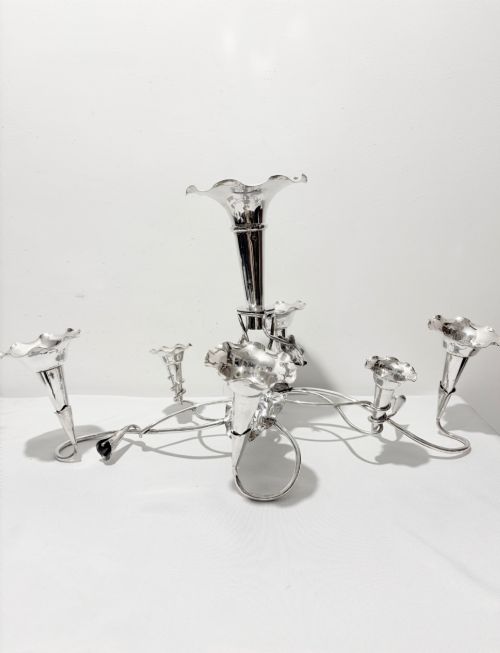
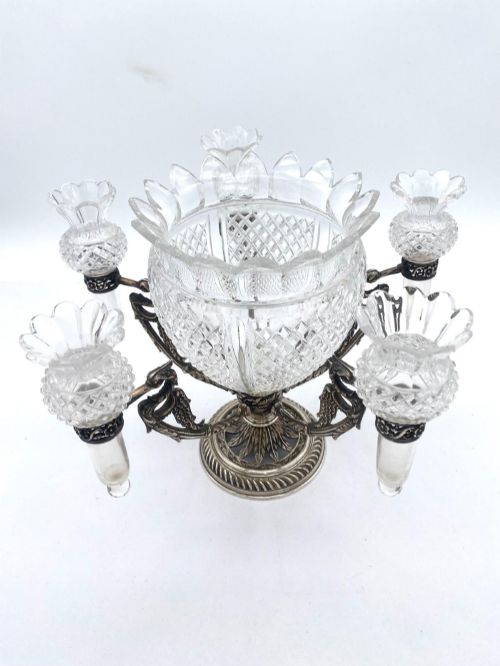
An antique silver flower epergne serves as a dramatic centrepiece for tables, featuring multiple trumpets or flutes held by a central stand. When searching for an antique silver flower epergne, buyers encounter multi-branch table vessels designed to hold floral arrangements.
The examples available range from Victorian silver plated and etched glass constructions to Edwardian twin fluted pieces. Makers utilised sterling silver or silver plate alongside glass components to create these multi-tiered floral displays.
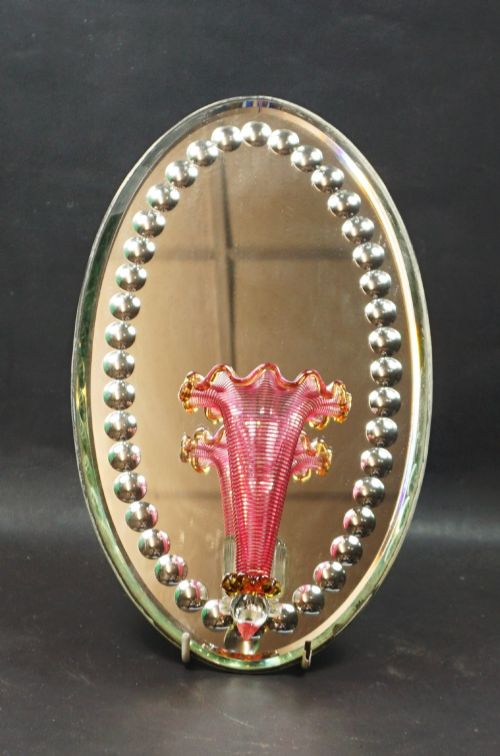
Forms extend beyond traditional table stands to include posy vases, wall mirrors with flower vases, and flower pot stands with Royal Worcester pots. These variations offer different ways to display stems in domestic settings.
How they were made
Silversmiths and manufacturers combined metals with blown or cast elements, mounting sterling silver or silver plate bases with glass flutes. Etched glass and cut glass techniques provided decorative texture to the vessels.
Makers integrated specialised glass types such as cranberry glass and vaseline glass into the designs, often pairing them with mirrored bases or silver plated frames. The manufacturing process required balancing heavy metal mounts with delicate glass trumpets.
Antique Silver Flower Epergne Retail Price Guide 2026
Typical asking prices for silver flower epergne among the pieces listed under this phrase on Sellingantiques today, from the lower quarter to the upper quarter. They describe what is for sale here now, not the wider market.
Listings span the Victorian and Edwardian periods, featuring materials such as sterling silver, silver plate, cranberry glass, vaseline glass, and mirror.
What varies in quality
The sophistication of the glasswork distinguishes finer examples, particularly where cutting, etching, or coloured glass varieties like cranberry and vaseline are employed. Superior pieces show crisp detailing in the metal mounts and harmonious proportions between the central stand and the branching flutes.
The integrity of the structural branches and the retention of matching original glass inserts significantly impact the standing of a piece. Larger proportions and established workshop attributions further elevate the stature of an epergne.
Osler·Walker and Hall·Royal Worcester
The Antique Silver Flower Epergne Glossary
- Epergne
- A large table centrepiece featuring multiple detachable dishes, baskets, or trumpets for holding fruit, sweetmeats, or flowers. These vessels dominate the centre of a dining table.
- Silver Plate
- A base metal coated with a thin layer of silver, commonly utilised for Victorian and Edwardian household goods. This technique provided the appearance of solid silver at a lower cost.
- Vaseline Glass
- A type of glass coloured with uranium dioxide, glowing green under ultraviolet light and popular in Victorian decorative objects. It frequently appears in posy vases and epergne flutes.
- Cranberry Glass
- A pinkish-red glass created by adding gold chloride to the molten batch during the nineteenth century. This material added rich colour to ornamental vases and mirrors.
- Posy Vase
- A small vessel designed to hold a short bunch of flowers rather than a large arrangement. These often accompany mirrors or stand independently on furniture.
Antique Silver Flower Epergne: Frequently Asked Questions
What is an epergne used for?
An epergne served as a grand table centrepiece during formal meals, holding displays of fruit, sweetmeats, or cut flowers. Hosts used them to decorate dining tables and impress guests.
Over time, these pieces transitioned into purely decorative objects for sideboards and parlour tables. Their multi-branch design allowed for elaborate botanical arrangements.
How do I clean an antique epergne?
Cleaning requires separating the glass components from the metal frame to prevent damage to silver plate or sterling surfaces. Warm soapy water and a soft cloth suit the glass elements.
Silver parts need appropriate polish applied gently to avoid wearing thin plating. Care must be taken with delicate etched or coloured glass flutes.
Are epergne flutes interchangeable?
Flutes are typically made to fit specific sockets within the metal frame, though variations occurred during hand manufacturing. Replacements can be difficult to source due to individual sizing.
Matching glass colours and etchings across all branches indicates a unified original set. Mixed flutes often suggest later replacements.
How do I date a silver epergne?
Dating relies on stylistic clues, manufacturing techniques, and any hallmarks stamped onto the silver or silver plate. Victorian pieces often feature heavier ornamentation and vaseline glass.
Edwardian examples tend towards lighter frames and refined Edwardian glass flutes. Comparing the form against documented maker output helps narrow the period.