

Vintage Silver Plated Centrepiece
A vintage silver plated centrepiece anchors a dining table with reflective metal and sculptural presence, bringing period craftsmanship into modern rooms.
Vintage Silver Plated Centrepiece
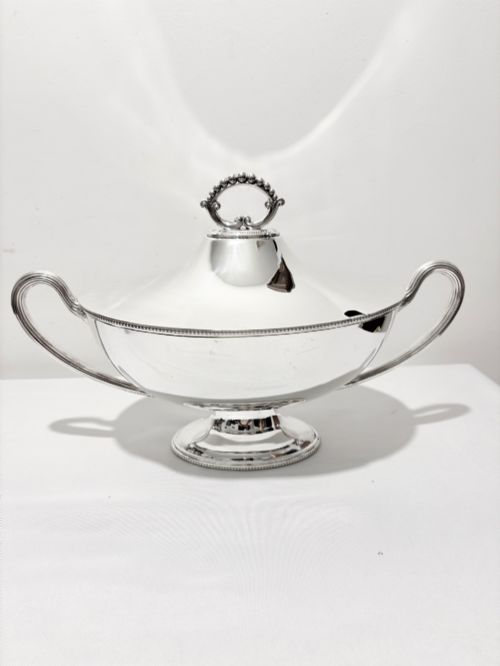
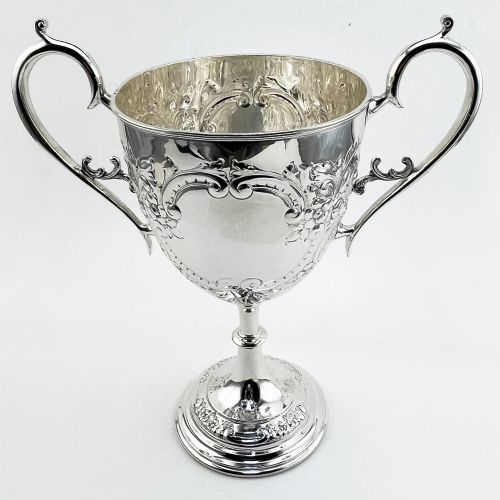
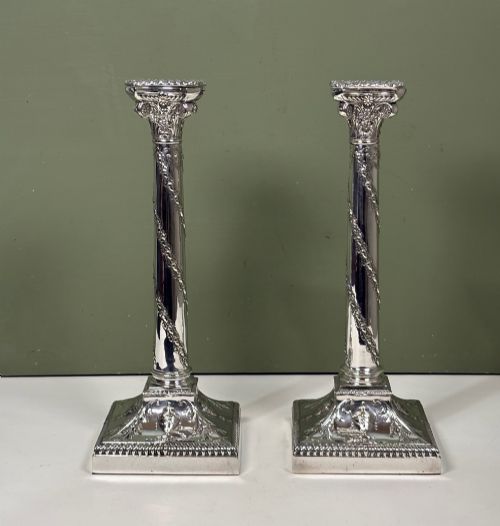
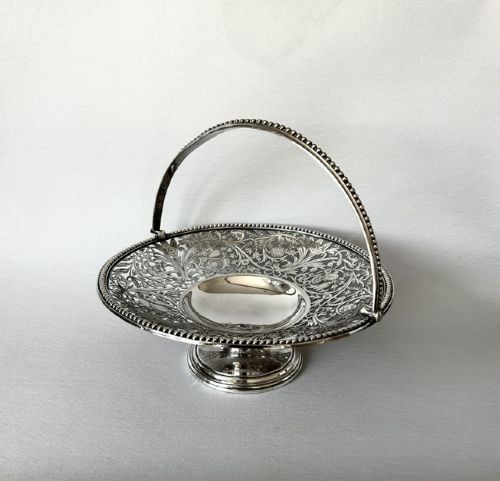
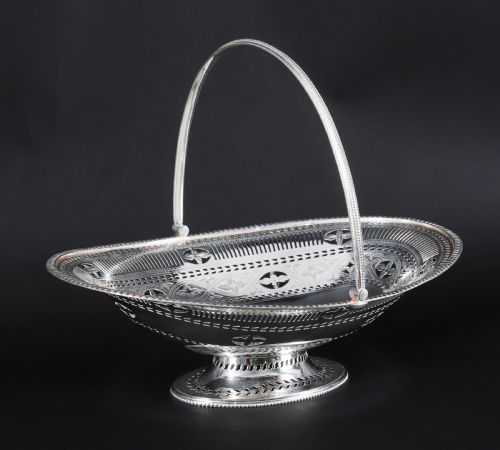
The objects span multiple decades of British and European metalwork, emerging in forms ranging from pierced fruit baskets with floral repoussé rims to palm tree dishes and monumental soup tureens. Makers utilise sturdy base metals like copper or nickel silver, coated in a layer of silver to achieve the appearance of solid bullion at a fraction of the cost. These pieces reflect the dining customs of the nineteenth and early twentieth centuries, where elaborate tables demanded visual height and intricate ornamentation.
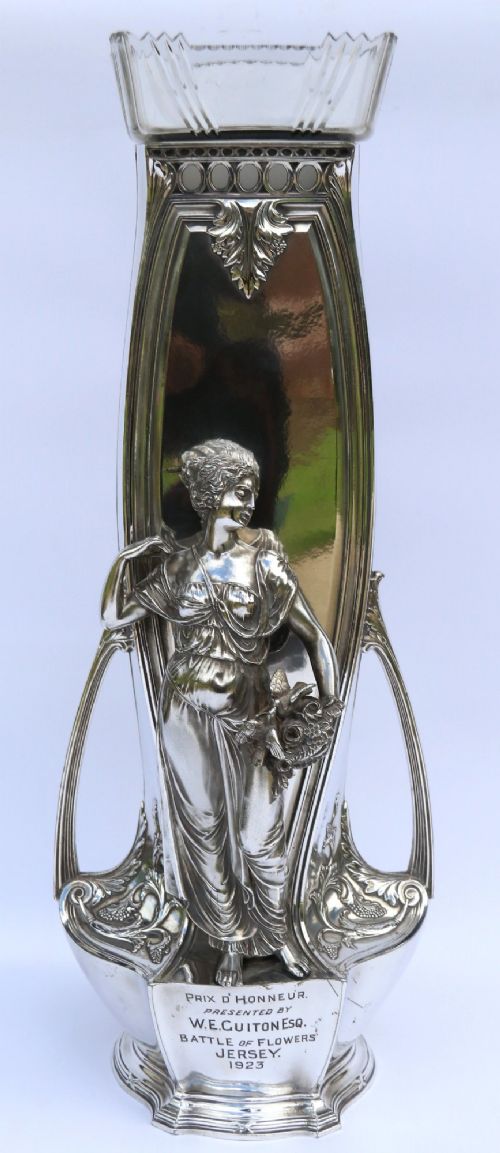
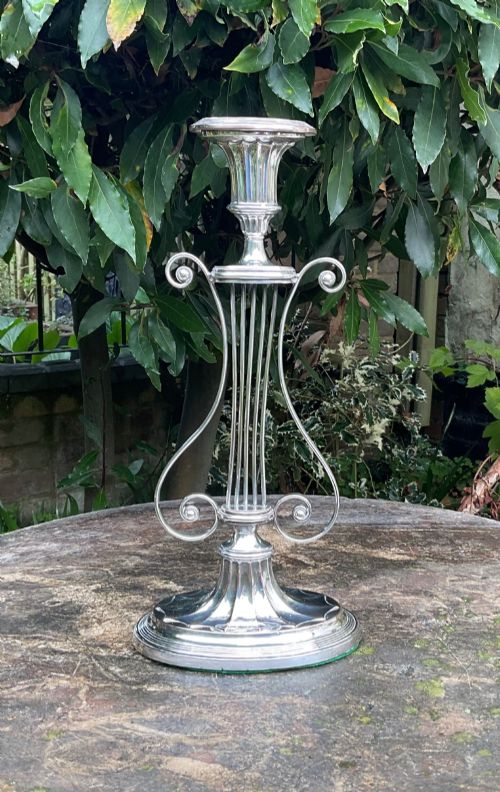
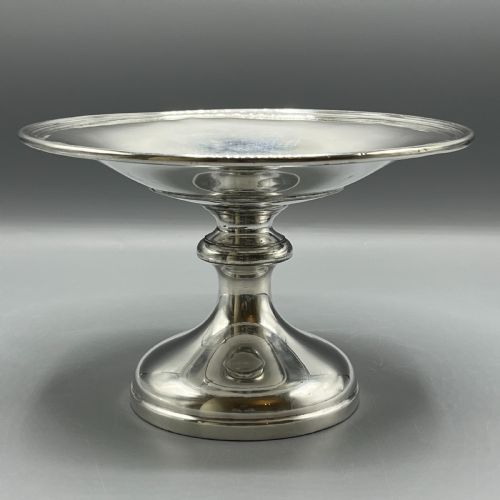
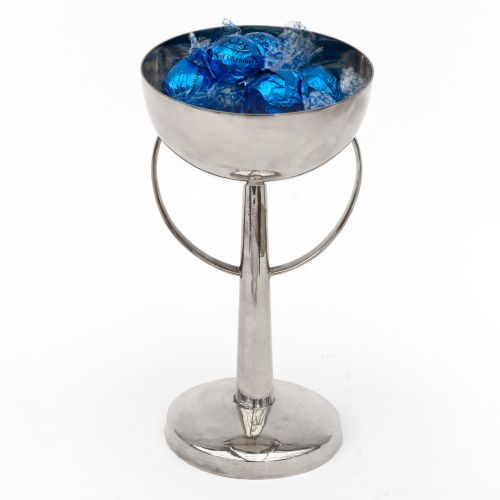
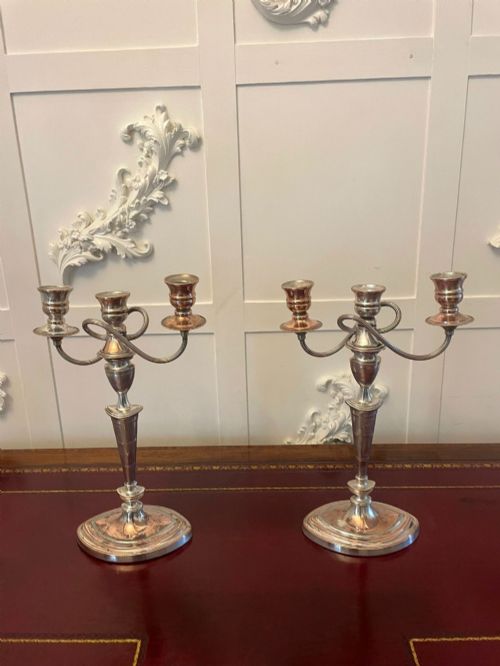
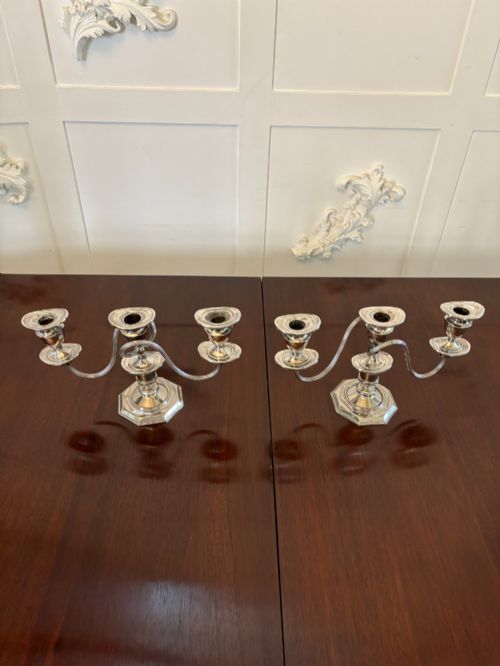
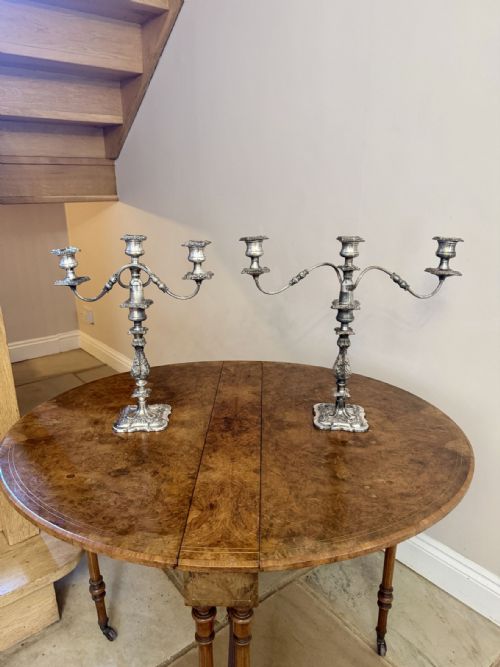
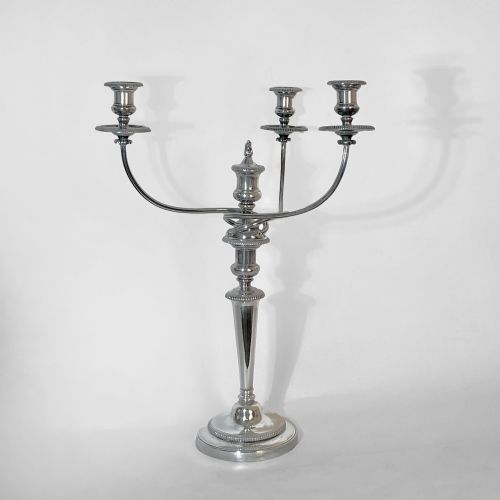
Victorian and Edwardian examples dominate the available styles, often showing Neoclassical, Rococo Revival, or organic Jugendstil influences. Structural variations include pedestal tazzas, swing-handled baskets, and convertible candelabras that shift from single candlesticks to multi-arm light fittings. Buyers find both monumental presentation pieces and smaller bon bon dishes suited to intimate settings.
Materials and Technique
Makers produced these items by applying a thin layer of silver over a base metal, utilising either the older fusion method of Old Sheffield Plate or the later chemical process of electroplating nickel silver (EPNS). The base metals typically comprise copper, brass, or nickel alloys, chosen for their structural rigidity and ability to hold complex shapes.
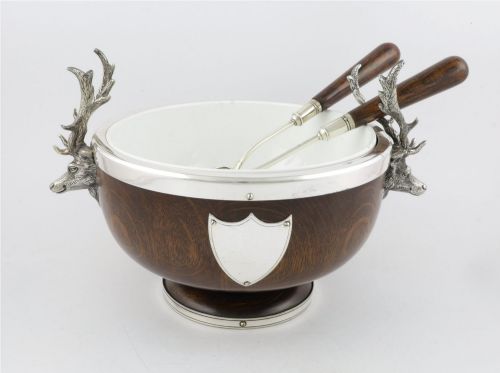
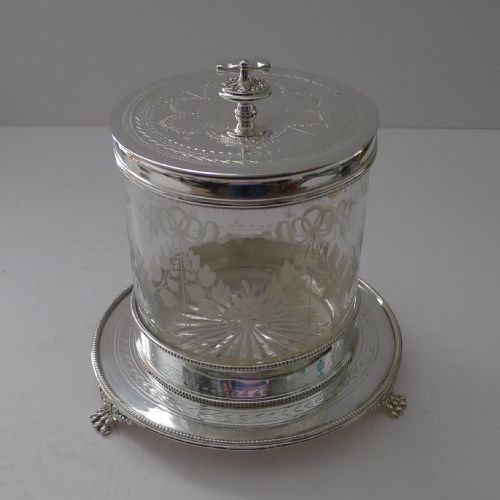
Craftsmen shaped the metal through hand-hammering, spinning, and casting, frequently adding decorative elements via repoussé work, piercing, and applied cast mounts. Many centrepieces incorporate secondary materials such as cut glass liners, English oak inserts, or brass components to provide contrast and functional utility.
Vintage Silver Plated Centrepiece Retail Price Guide 2026
Typical asking prices for vintage silver plated centrepiece among the pieces listed under this phrase on Sellingantiques today, from the lower quarter to the upper quarter. They describe what is for sale here now, not the wider market.
Some centrepieces feature palm tree stems and swan motifs, bringing unexpected botanical and avian drama directly onto the dining table.
Distinctions in Quality
Quality rests upon the weight of the base metal, the thickness and durability of the silver plating, and the crispness of the chased or cast ornament. Pieces that retain their original silver layer without extensive base metal showing through demonstrate superior initial manufacture and careful preservation.
Artisanal execution separates standard production items from exceptional workshop output, visible in the depth of floral repoussé work, the stability of joints on multi-arm candelabras, and the integration of cast handles and feet. The presence of clear maker marks or specific town hallmarks indicates a higher standard of production from established firms.
Daniel and Arter·Mappin and Webb·Barker Ellis
The Vintage Silver Plated Centrepiece Glossary
- Electroplated Nickel Silver (EPNS)
- A base metal alloy of copper, nickel, and zinc coated with a layer of silver via an electrical current. This technique became the industry standard in the nineteenth century for producing durable silver-coated wares.
- Old Sheffield Plate
- An early method of fusing a thin sheet of sterling silver to a thicker copper core by heat and pressure. Pieces made this way often reveal faint streaks of copper along exposed edges and seams.
- Repoussé
- A metalworking technique where the artisan hammers the design from the reverse side to form raised ornamentation on the front. This method creates tactile floral and scroll motifs on baskets and bowls.
- Epergne
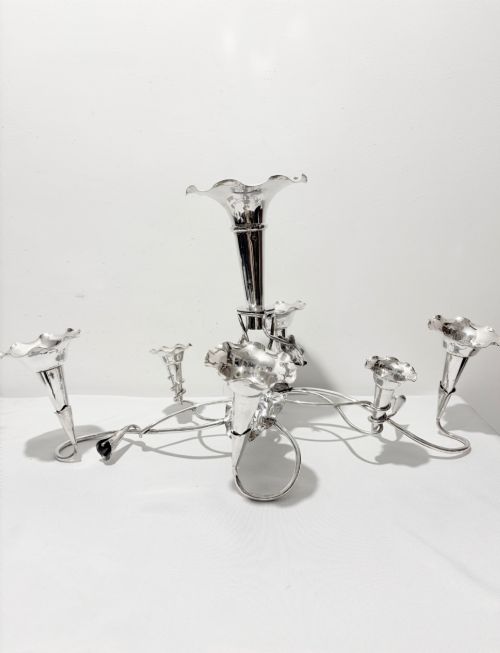
- A large ornamental centerpiece featuring a central dish surrounded by multiple branching arms holding smaller baskets or flutes. Victorians used these tiered structures for fruit, sweetmeats, and floral arrangements.
- Tazza
- A shallow saucer or bowl mounted on a central foot or pedestal. These elevated dishes serve fruit or confections and provide vertical accentuation on a dining table.
Vintage Silver Plated Centrepiece: Frequently Asked Questions
How were centrepieces used originally?
Dining traditions of the nineteenth and early twentieth centuries dictated that large tables required a commanding focal point to anchor the room's visual weight.
Hosts utilised these vessels to serve fruit, nuts, and sweetmeats, or simply to display fresh flowers and candlelight during formal meals.
What is the difference between Old Sheffield plate and EPNS?
Old Sheffield plate involves physically fusing a sheet of silver to a copper core under high heat before rolling them into sheets. This method creates a distinct edge where the base copper shows through subtly over time.
Electroplated nickel silver relies on an electrical charge to bond silver particles to a white metal alloy base, a process introduced around the middle of the nineteenth century.
How do I date a silver plated centrepiece?
Stylistic clues offer the most reliable dating method, as Victorian pieces often display heavy Rococo Revival scrolls, while Edwardian items lean toward lighter Neoclassical garlands and Art Nouveau curves embrace flowing organic lines.
Maker marks, registration numbers, and the specific composition of the base metal or plating technique also narrow down the manufacturing decade.
Can I use these pieces for serving food today?
Many silver plated bowls, baskets, and dishes function adequately for serving dry foods like fruit, nuts, or confectionery during gatherings.
Items fitted with original glass liners provide a protective barrier for holding moist foods or floral foam without risking contact with the underlying metal.