


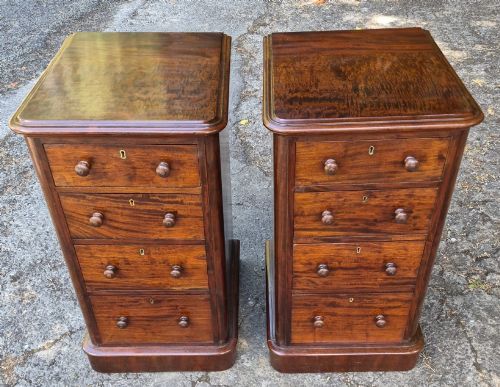
Edwardian Style Drawers
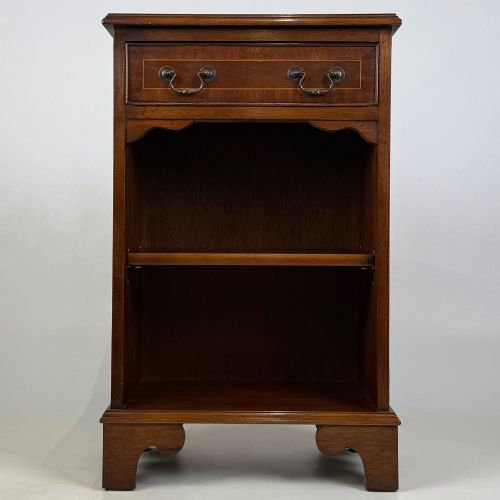
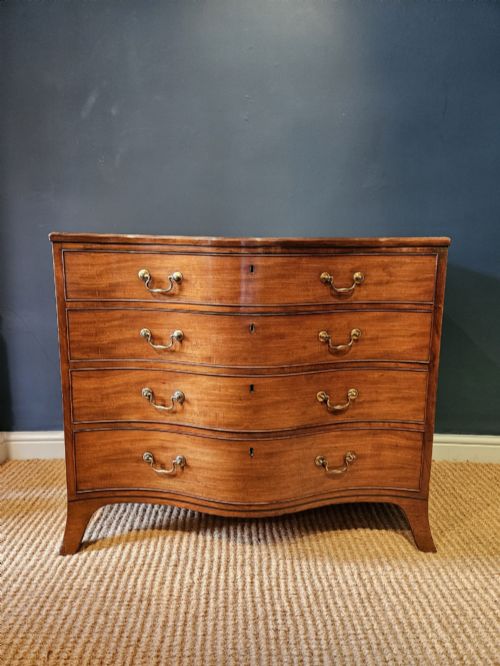
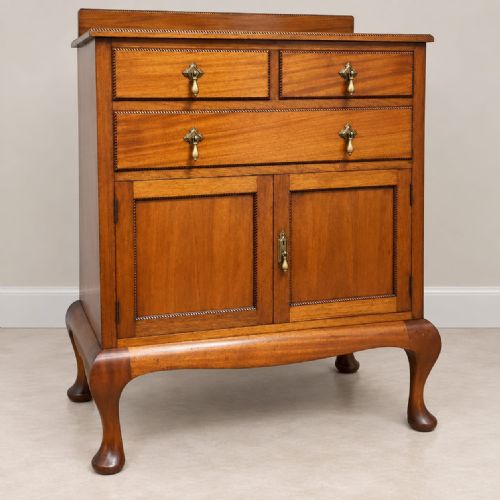
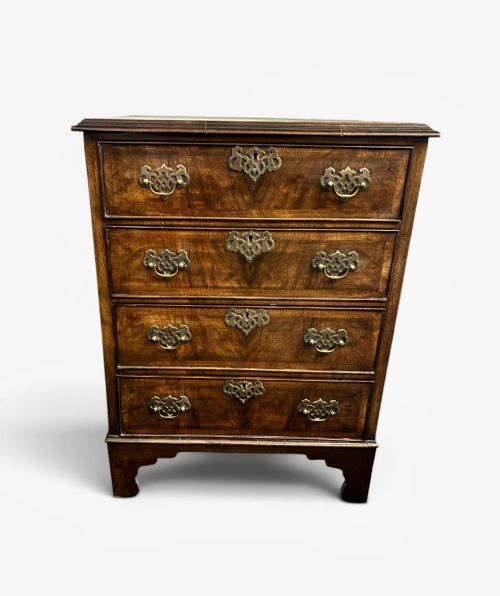
Edwardian style drawers bring sturdy timber and polite revival styling together, offering sensible storage rooted in the early twentieth century.
Edwardian Style Drawers
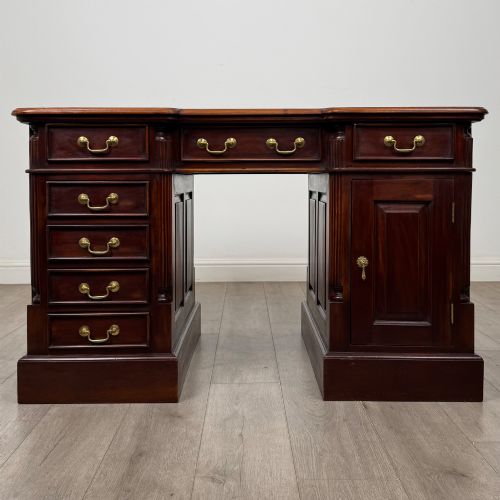
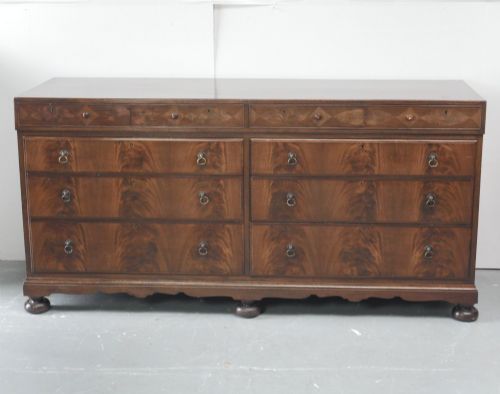
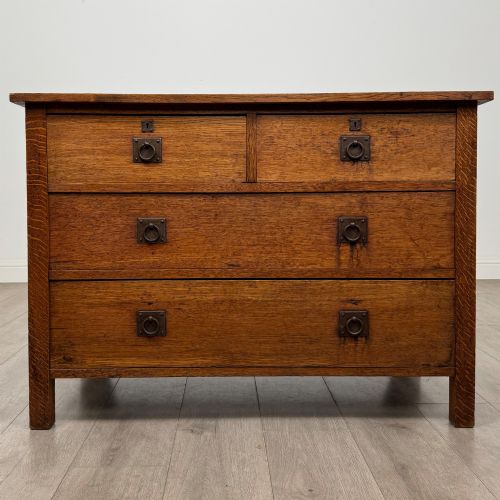
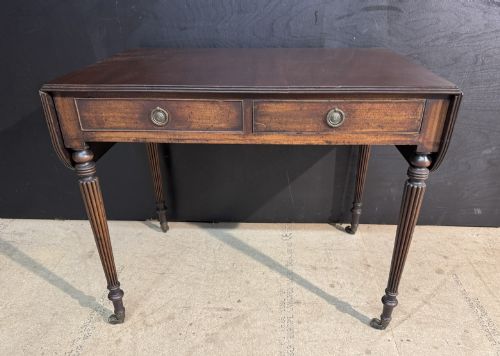
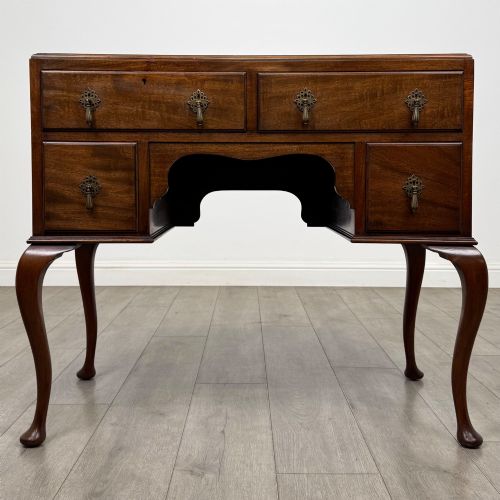
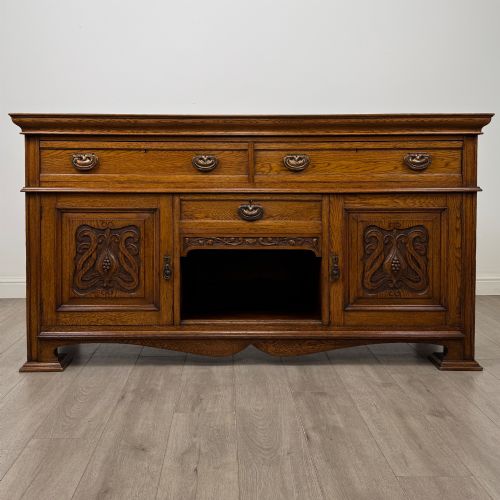
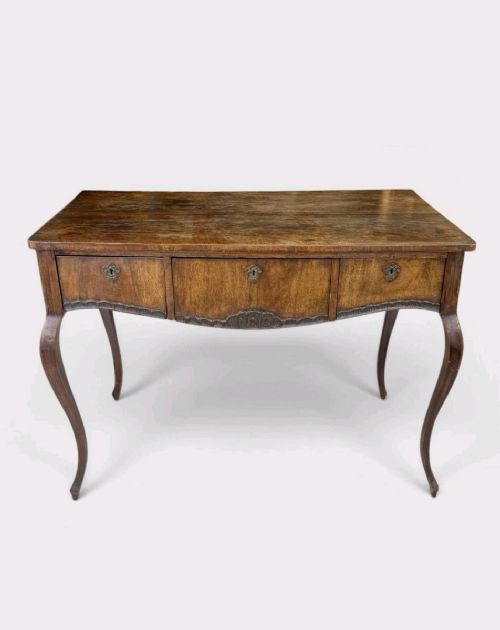
When you search for edwardian style drawers, you meet chests, tallboys, and dressing tables built around the turn of the twentieth century alongside later revivals. The form takes inspiration from earlier Georgian and Jacobean shapes, often scaled down for smaller domestic spaces.
Most examples you encounter rely on mahogany, oak, or walnut, sometimes enhanced by burr figuring or satinwood inlay. Makers of the period drew heavily on past centuries, producing Georgian style chests and Jacobean revival pieces that sit comfortably in modern rooms.
What varies in quality
The distinction between standard commercial output and finer workshop pieces rests on the choice of timber and the precision of the grain matching. Burr walnut and figured mahogany demand careful selection by the cabinet maker to create balanced panels across drawer fronts.
Secondary detailing, from the crispness of carved mouldings to the weight of cast brass hardware, separates utilitarian furniture from superior examples. Interior construction reveals the same standard, with solid drawer linings and tidy dovetailing marking out better work.
Several pieces include secret compartments tucked discreetly behind unassuming drawers.
Whytock and Reid·Gillows·Beresford and Hicks·Hubert Simpson of Kendal·Druce and Co·Heals
The Edwardian Style Drawers Glossary
- Tallboy
- A tall chest of drawers, often comprising a chest base with a smaller chest or cupboard stacked on top.
- Dresser base
- A low sideboard or serving table fitted with drawers along the upper section, originating in earlier centuries but common in revival forms.
- Burl
- A woody growth on a tree that produces intricate, swirling patterns when sliced into thin veneers for furniture surfaces.
- Crossbanding
- A narrow strip of veneer laid around the border of a drawer front or tabletop with the grain running at right angles to the central panel.
- Dovetail
- A joint formed by interlocking wedge-shaped fingers, used primarily to secure drawer corners with lasting strength.
Edwardian Style Drawers: Frequently Asked Questions
How do I identify Edwardian drawers?
Edwardian pieces often combine lighter construction with stylistic references to Georgian or Jacobean furniture. Look for figured mahogany, walnut, or oak combined with period brass hardware.
Drawer linings and backboards provide further clues, as softwoods typical of the early twentieth century usually replace the older timbers found on genuine eighteenth-century chests.
Are these drawers suitable for daily use?
These pieces were built for practical domestic storage and remain robust enough for everyday bedrooms and living spaces. Traditional dovetailing and solid timber frames ensure the drawers slide smoothly when maintained properly.
Placing them away from direct heat sources protects the polished surfaces and prevents the timber veneers from lifting over time.
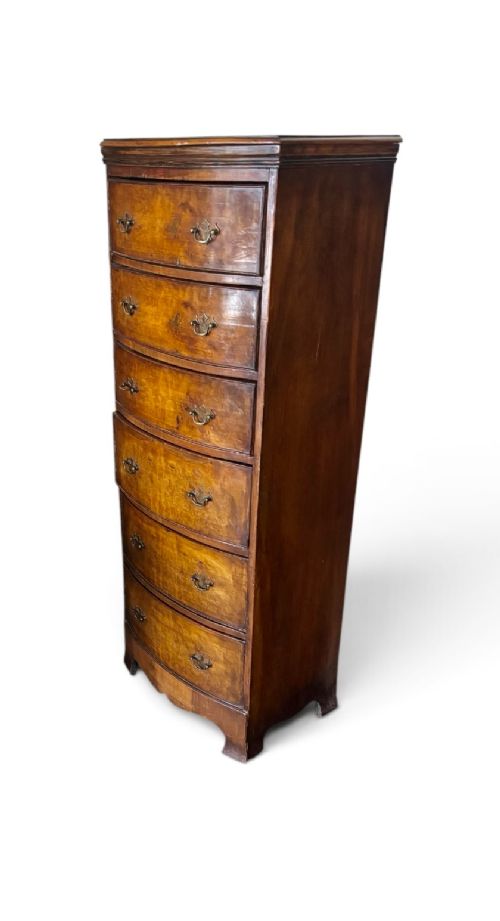
What is a tallboy?
A tallboy is a high storage unit combining multiple drawers in a vertical format, designed to maximise storage while occupying a small floor footprint. They became popular for bedrooms where wall space was limited.
Makers often used figured walnut or mahogany for these pieces to draw the eye upward and highlight the grain.
Why do some Edwardian pieces look Georgian?
Edwardian cabinet makers frequently revived earlier historical styles, particularly the elegant proportions and mahogany veneers associated with the Georgian period. Demand for traditional aesthetics led workshops to reproduce these classic silhouettes faithfully.
Inspect the internal construction timbers and hardware fixings to distinguish these revival pieces from genuine eighteenth-century antiques.