

Edwardian Sterling Silver Holders
Edwardian sterling silver holders bring refined utility to the dining table and pocket, uniting delicate craftsmanship with the distinct elegance of the early twentieth century.
Edwardian Sterling Silver Holders
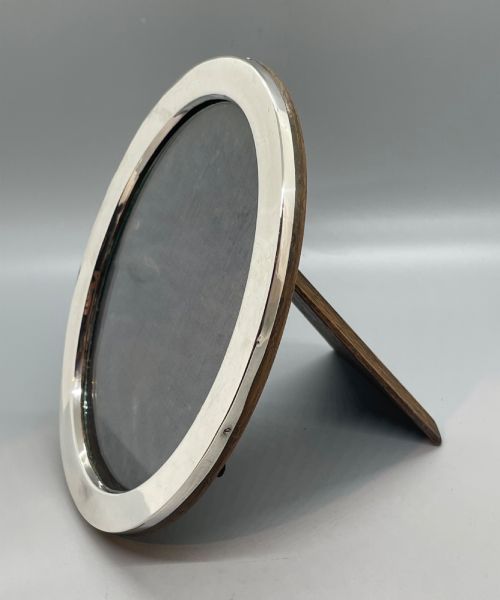
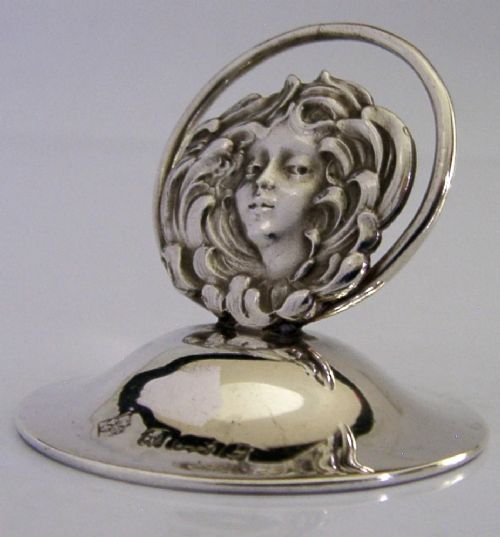
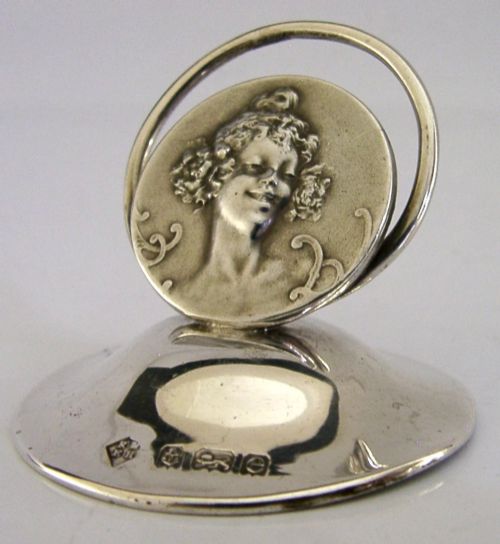
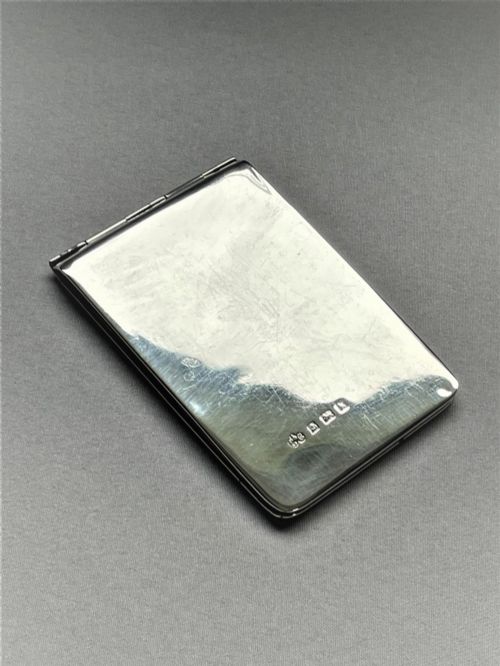
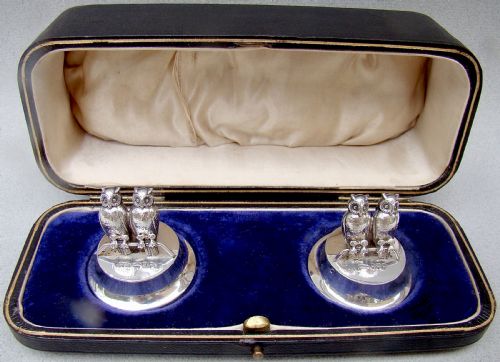
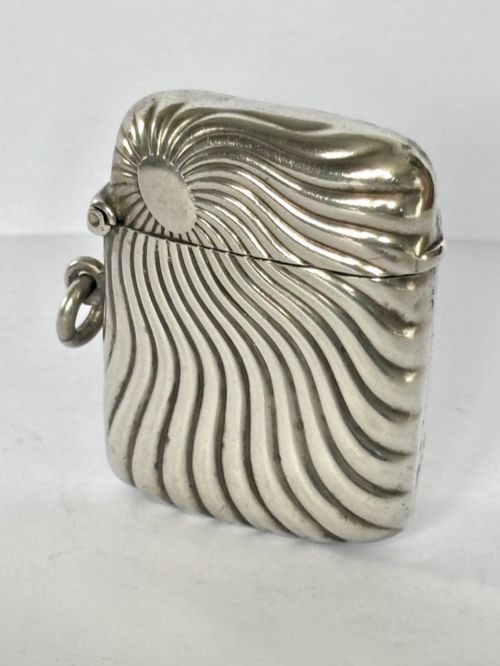
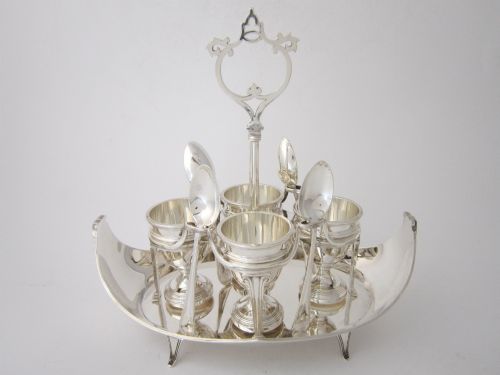
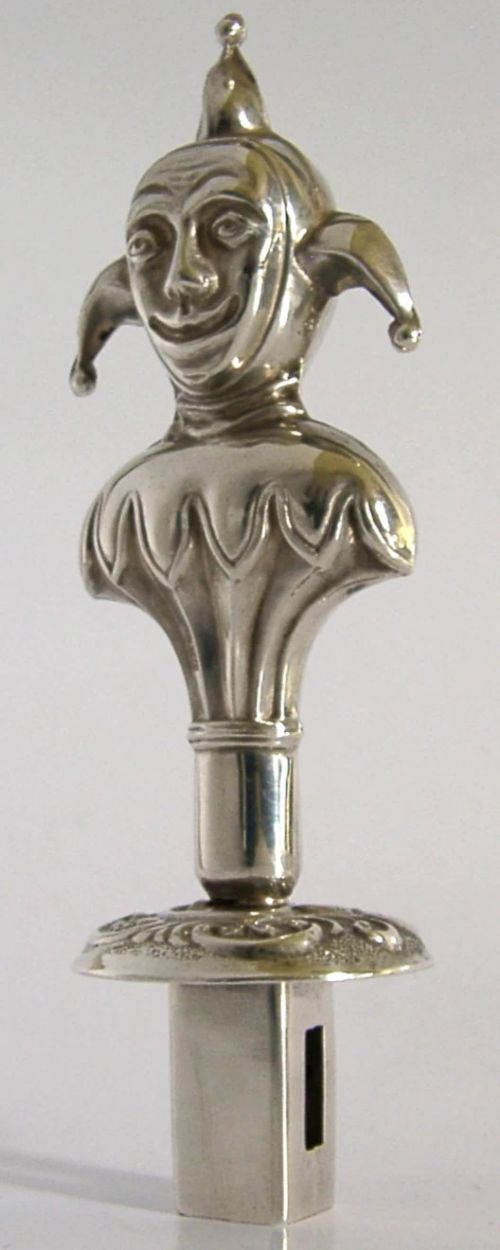
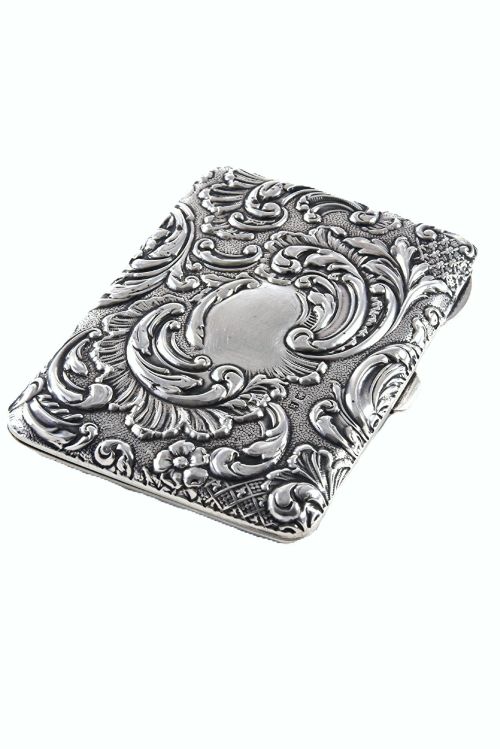
Edwardian sterling silver holders encompass a diverse array of functional items designed for dining, correspondence, and personal carriage. Collectors encounter specialised pieces such as menu holders, place card holders, vesta cases, and photograph frames originating predominantly from the Edwardian period alongside adjacent Victorian and George V eras.
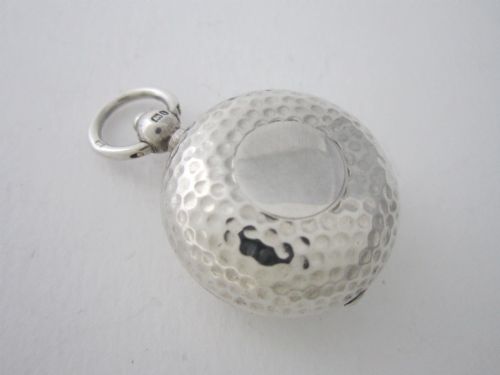
The objects serve specific domestic and social rituals of the early twentieth century, ranging from table settings featuring figural animals and laurel wreaths to pocket-sized sovereign cases, card cases, and stamp wallets. The selection reflects both formal dining customs and the portable conveniences demanded by Edwardian society.
Evaluating the Pieces
The integrity of the construction and the legibility of the hallmarks further differentiate the pieces. Items retaining their original fitted cases, paired elements, or complete sets demonstrate higher preservation and craftsmanship.
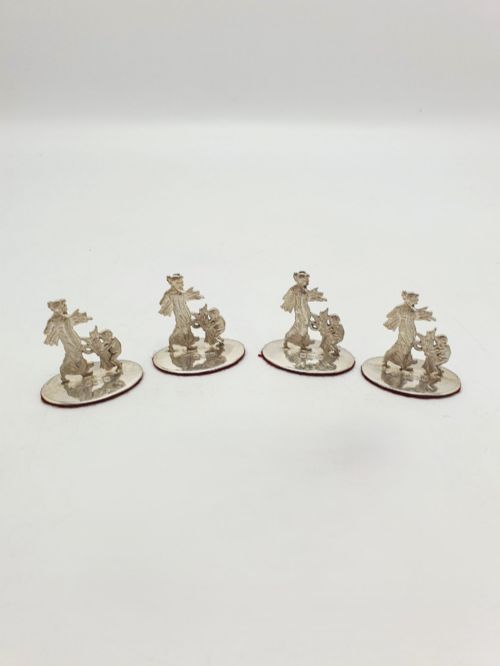
Some menu holders portray a monkey playing drums.
Aaron Lufkin Dennison·Levi and Salaman·Robert Chandler·A. Wilcox·Willian Aitken·William Comyns·Grey and Co
The Edwardian Sterling Silver Holders Glossary
- Sterling silver
- An alloy comprising 92.5 percent silver and 7.5 percent other metals, typically copper, chosen for durability in decorative and functional objects.
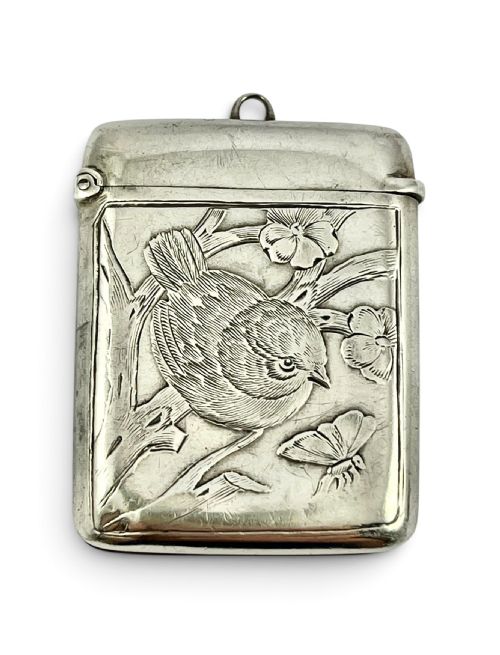
- Vesta case
- A small portable box designed to hold matches, often featuring spring-loaded lids and striker grooves on the base.
- Menu holder
- A small desk or table accessory featuring a vertical slot or clip to display dining menus or place cards.
- Assay office
- An official body responsible for testing the purity of precious metals and stamping them with requisite hallmarks.
- Repoussé
- A metalworking technique where the artisan shapes the metal from the reverse side by hammering to form a raised design on the front.
Edwardian Sterling Silver Holders: Frequently Asked Questions
What are menu holders used for?
Menu holders were placed on dining tables during formal meals to display the evening's courses to guests. They often matched the theme of the dinner or the season.
Over time, these small silver items transitioned from functional dining accessories to collectible display pieces appreciated for their miniature sculptural qualities.
How do I identify Edwardian silver?
Identifying Edwardian silver involves locating the hallmarks stamped directly onto the metal. These marks typically include a standard purity mark, an assay office symbol, and a date letter.
King Edward VII reigned from 1901 to 1910, and date letters corresponding to these years confirm the period of manufacture alongside stylistic cues like Art Nouveau influences.
What is a vesta case?
A vesta case is a small pocket container engineered to hold matches securely before the widespread adoption of safety matches and lighters. The base usually incorporates a serrated surface for striking.
These cases were heavily ornamented with engravings, figural shapes, or combinations with stamp wallets and sovereign holders for personal convenience.
How do I care for sterling silver?
Sterling silver benefits from gentle cleaning using a soft cloth and specialised silver polish to remove natural tarnishing caused by atmospheric sulfur. Avoiding abrasive materials preserves the underlying engraving and hallmarks.
Storing pieces in dry, tarnish-resistant linings or velvet-lined boxes helps maintain the polished finish over years of handling.