
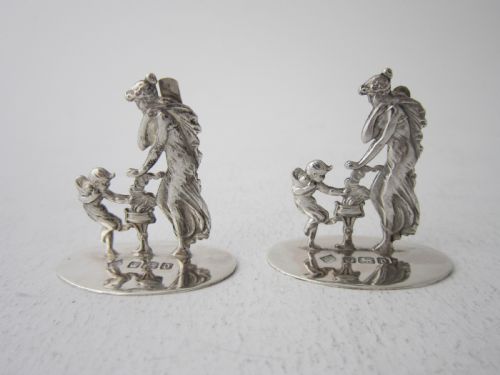


Edwardian Silver Place Markers
Edwardian silver place markers are small table accessories designed to hold cards or menus, combining utility with miniature sculpture.
Edwardian Silver Place Markers
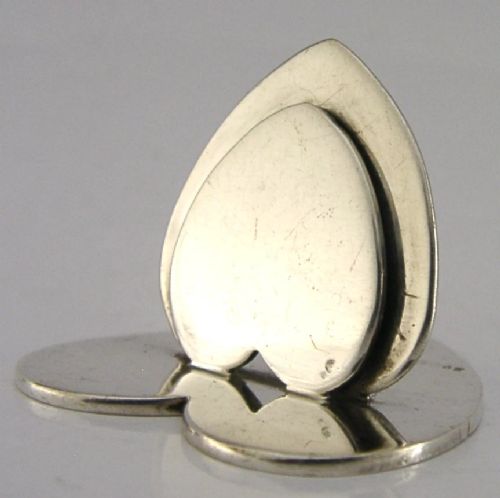
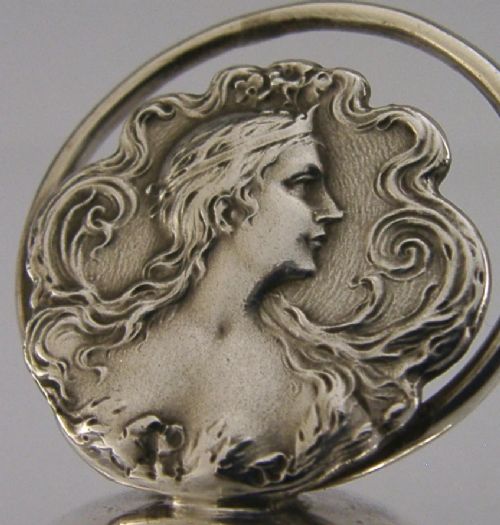
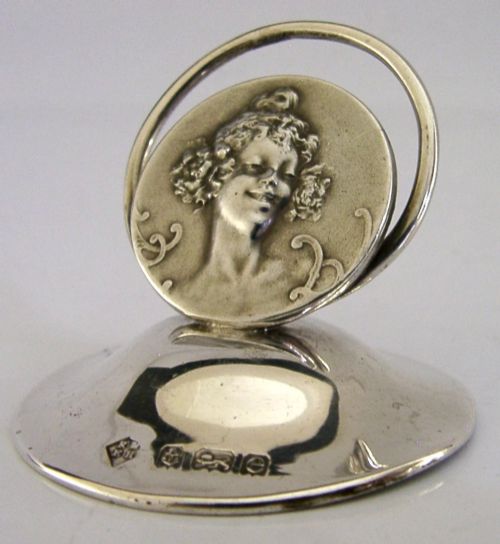
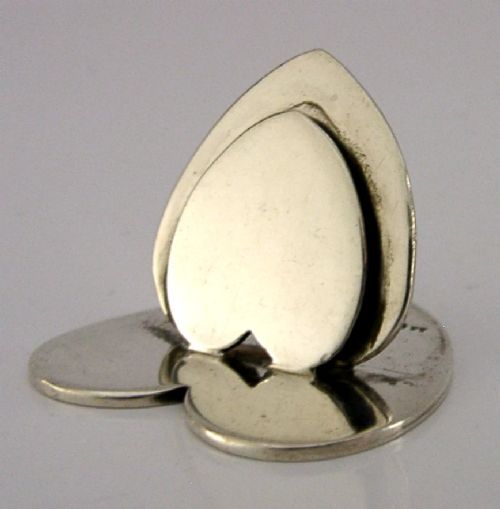
When searching for edwardian silver place markers, buyers encounter table ornaments intended to designate seating or display menu choices at formal dinners. These small objects take the form of figural subjects, geometric holders, and framed clips designed to sit beside a place setting.
The versions most frequently met on this page include menu holders and place card holders made from sterling silver. They span periods from the Edwardian era into later decades, reflecting diverse design movements from the early twentieth century.
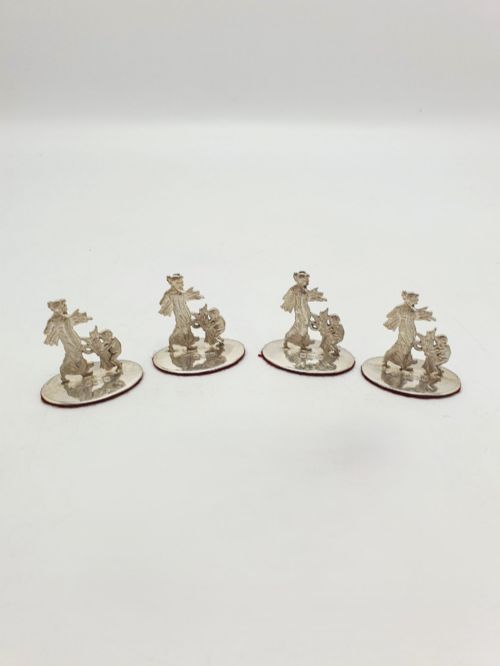
Makers produced these pieces in matching sets or as single items for dining tables. Their primary purpose was to organise seating while adding a decorative element to table settings.
Materials and construction
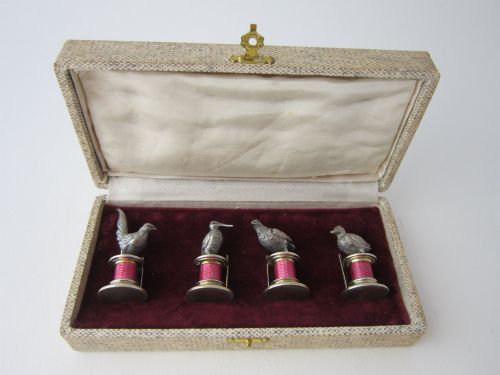
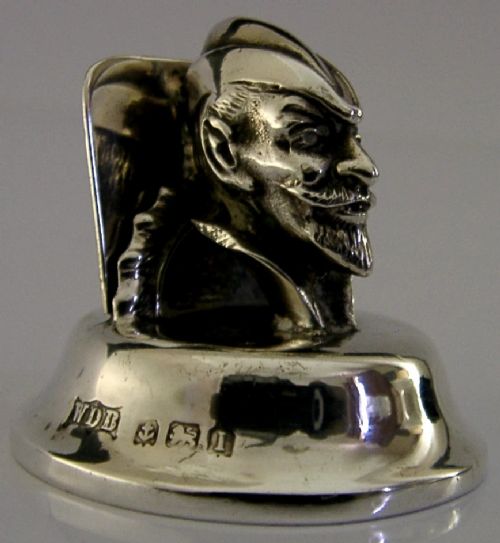
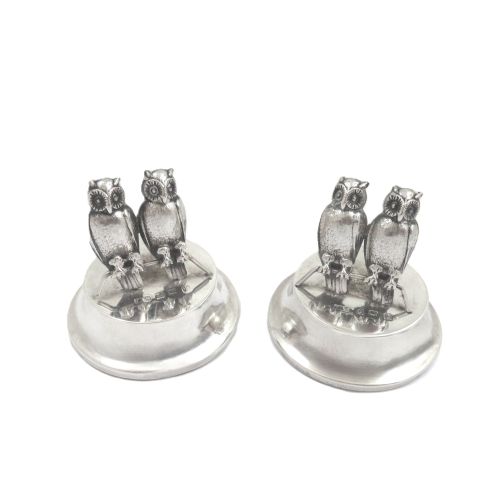
These items are constructed from sterling silver, often employing casting and stamping techniques to shape detailed figures such as owls, grouse, and human subjects. Silversmiths worked metal into rigid frames and weighted bases to ensure stability on dining tables.
Selected pieces incorporate applied coloured elements such as guilloche enamel or gemstones to highlight specific details on the silver surface. Interior components sometimes utilise velvet, silk, or leather within fitted presentation boxes or backing panels.
Current listings feature sterling silver combined with enamel, velvet, silk, gemstone, and leather across multiple design styles.
Variations in quality
The presence of specialised decorative techniques, such as translucent guilloche enamel or complex figural designs by known makers, separates standard production items from superior pieces. The integrity of the weighted base and the secure movement of the holding clip also influence overall execution.
Sampson Mordan·Liberty
The Edwardian Silver Place Markers Glossary
- Guilloche enamel
- A decorative technique involving precise mechanical engraving beneath translucent enamel layers. It creates repeating geometric patterns that catch the light.
- Menu holder
- A tabletop stand designed to display the evening bill of fare. These items match the aesthetic of associated place card markers.
- Sterling silver
- An alloy consisting of silver and other metals, typically copper, standardised for durability and strength. It forms the primary material for these dining accessories.
- Place card holder
- A small desk or table accessory intended to display a guest's name. They prevent cards from blowing away and maintain table order.
Edwardian Silver Place Markers: Frequently Asked Questions
What are silver place markers used for?
These items served a practical function at formal dinner parties by holding cards that indicated seating arrangements or listed the courses being served.
Hosts placed them beside each setting to guide guests to their designated chairs and inform them of the menu.
How do I clean antique silver markers?
Cleaning requires a soft cloth and a specialised silver polish formulated to remove tarnish without abrading the metal surface.
Care must be taken around enamel or inset stones to avoid harsh chemical exposure.
Are these items sold as sets?
They appear both as individual pieces and as matched groups, such as pairs or sets of four and twelve.
Matching sets command particular interest for formal table displays.
What styles influence these designs?
Design influences span Art Nouveau, Arts and Crafts, and Scottish Revival movements alongside traditional Edwardian aesthetics.
Animal figures and architectural motifs appear frequently across the different design periods.