
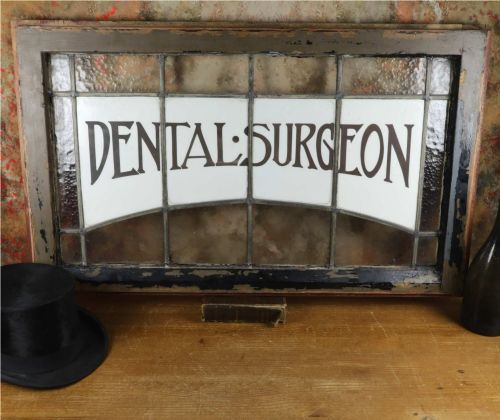
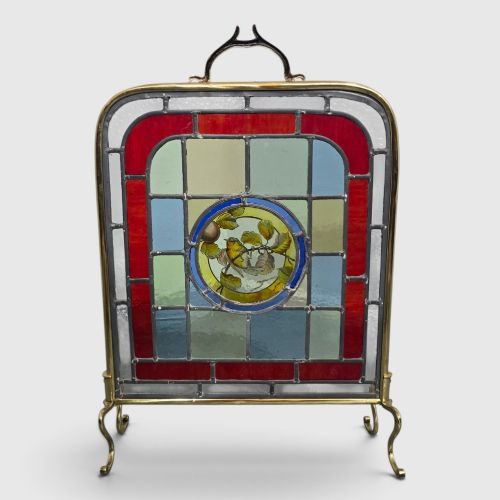
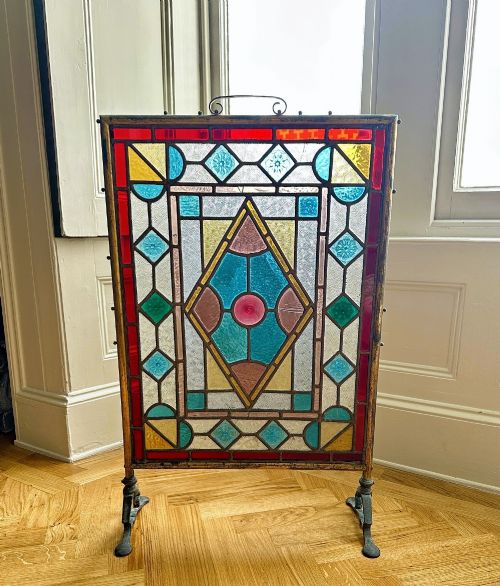


Edwardian Stained Glass Panel
An edwardian stained glass panel brings rich coloured light and domestic charm to a room.
Edwardian Stained Glass Panel
When you search for an edwardian stained glass panel, you find architectural salvage and decorative windows originating from the late nineteenth and early twentieth centuries. The selection includes standalone glazed panels alongside pieces mounted as firescreens on iron or timber stands.
Most examples date from the Edwardian era and 1900, with related Victorian and 1920 pieces appearing regularly. Designs span botanical motifs, birds, hand painted countryside scenes, and abstract bullseyes.
How they were made
Glass panels are constructed by joining pieces of coloured glass within lead cames, supported by wooden timber frames made from pine or brass and iron mounts. Many panels incorporate hand painted details, etching, and amber bullseyes.
Makers combined traditional leaded techniques with pictorial painting to depict castles, knights, and landscape scenes directly onto the glass.
Edwardian Stained Glass Panel Retail Price Guide 2026
Typical asking prices for edwardian stained glass panel among the pieces listed under this phrase on Sellingantiques today, from the lower quarter to the upper quarter. They describe what is for sale here now, not the wider market.
A surprising number of Edwardian windows feature hand painted knights in full armour peering out from domestic living rooms.
What varies in quality
Quality depends upon the complexity of the hand painted pictorial design and the variety of glass types used, such as textured bullseyes and flashed glass. The artistic merit of hand painted scenes like birds and countryside views sets finer panels apart.
The integrity of the lead cames and the accompanying timber or iron framing also determine the overall solidity and preservation of the piece.
The Edwardian Stained Glass Panel Glossary
- Came
- A grooved strip of lead used to hold pieces of glass together in a window. These pliable strips form the structural grid of the design.
- Bullseye
- A circular roundel of glass formed during the glassblowing process. They often appear as central accents within leaded windows.
- Architectural salvage
- Building materials and fixtures rescued from demolished or remodelled structures. These items are repurposed for interior decoration.
- Firescreen
- A decorative screen placed in front of a fireplace when not in use. Many incorporate stained glass panels mounted on stands.
Edwardian Stained Glass Panel: Frequently Asked Questions
How do I hang a stained glass panel?
Panels can be hung securely in front of an existing window using strong brackets fixed to the window frame. This allows natural light to pass through the glass.
Alternatively, mount the panel on a wall with backlighting to display the colours without relying on direct sunlight.
Were these panels meant for interior doors?
Many panels served as windows or transoms in domestic properties of the period. They divided interior spaces while permitting light to flow between rooms.
Some examples also functioned as freestanding firescreens or decorative architectural elements.
Can I clean stained glass safely?
Clean the glass gently using a soft cloth and mild soapy water. Avoid harsh chemicals that might damage the painted surfaces or corrode the lead.
Support the panel firmly while cleaning, as the lead cames can flex under pressure.
What styles are common in these panels?
Edwardian and Art Nouveau styles dominate, alongside Arts and Crafts and Victorian Gothic Revival influences. Floral motifs, birds on branches, and pastoral landscapes are typical.
Geometric patterns and amber bullseyes also frequently appear in the designs.