


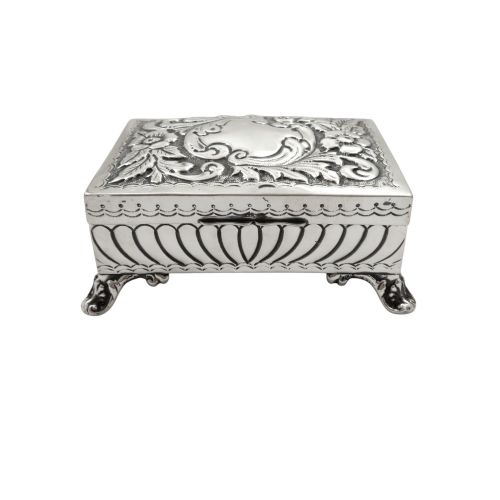
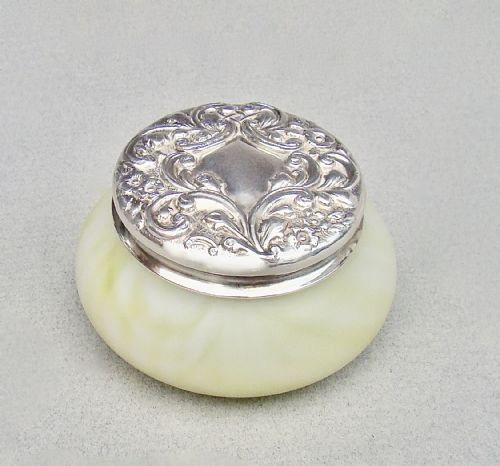
Edwardian Silver Trinket Box
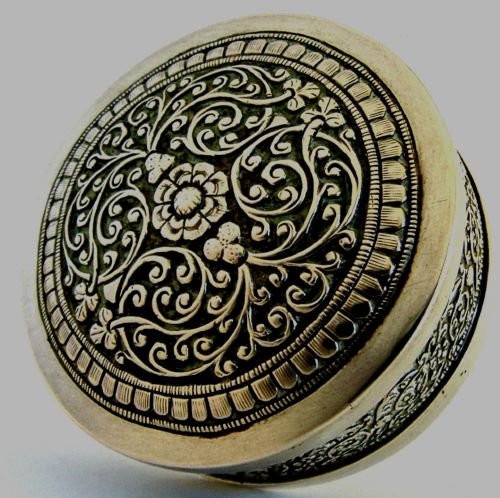
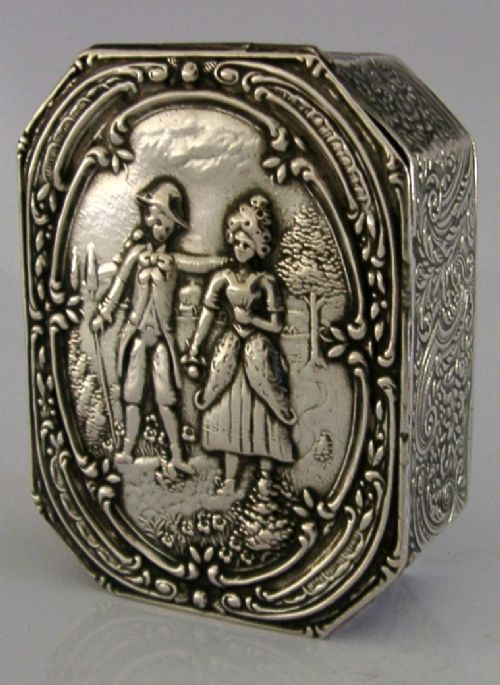
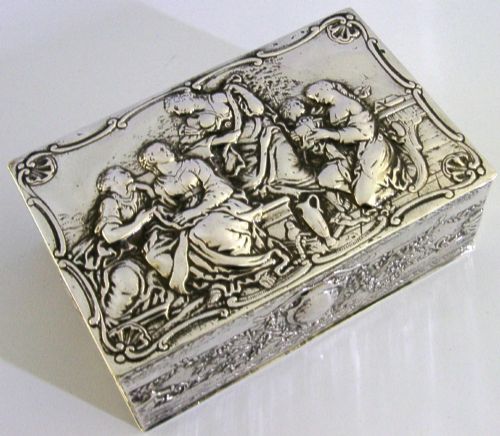
An edwardian silver trinket box holds dressing table pins, small keepsakes and rings, combining practical storage with the decorative metals and glass of the early twentieth century.
Edwardian Silver Trinket Box
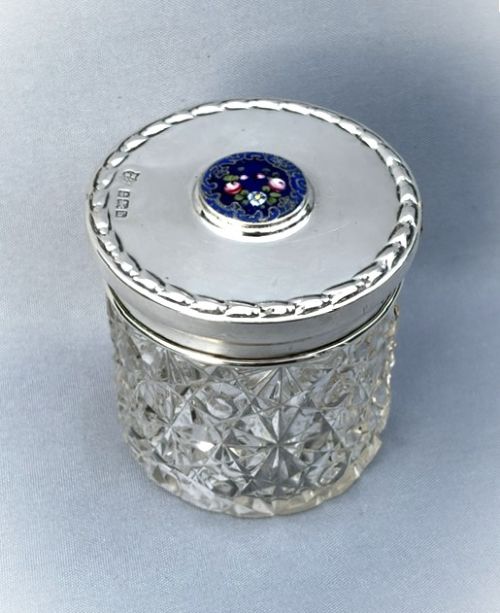
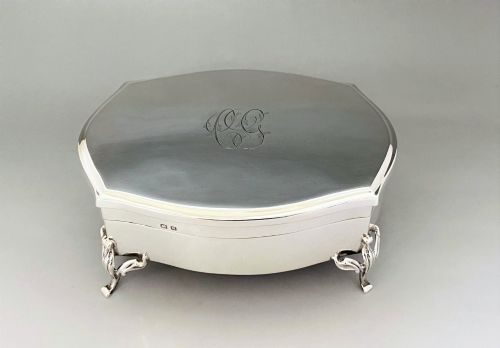
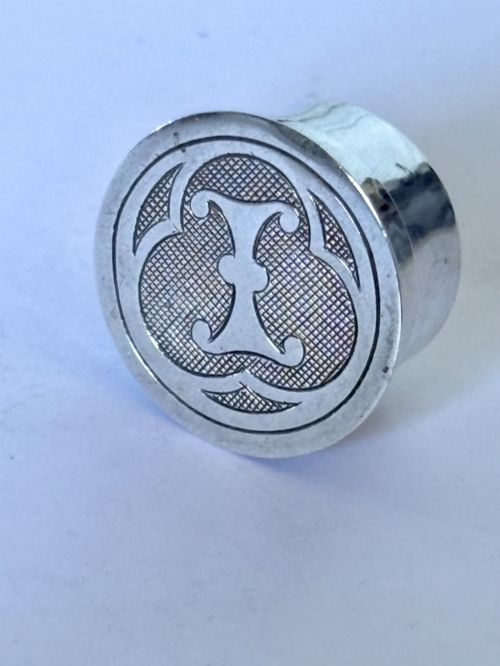
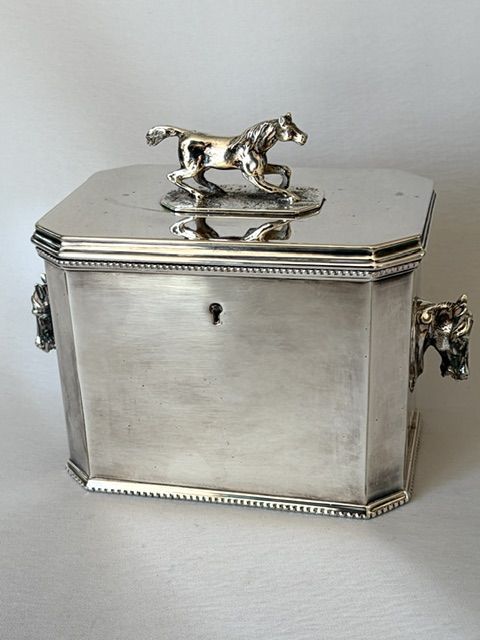
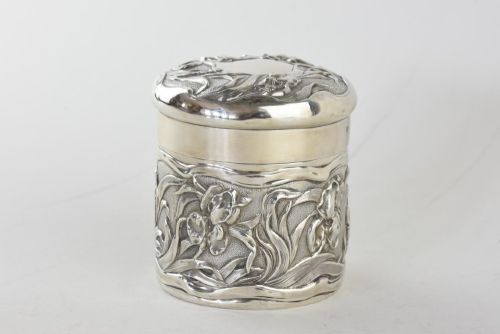
An edwardian silver trinket box encompasses small lidded containers produced primarily during the early twentieth century, designed for dressing tables and desks to hold jewellery, pins, and small valuables. These items appear in various forms including heart shapes, chests, ring boxes with interior velvet cushions, and larger dressing table jars.
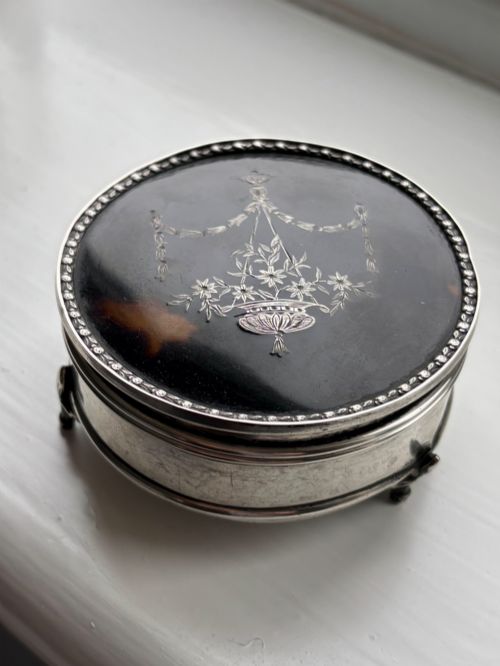
Makers utilised solid sterling silver alongside contrasting materials such as tortoiseshell, cut glass, enamel, and oak mounts. Many examples survive from Birmingham and Chester assay offices, dating between the late Victorian era and the George V period.
How They Were Made
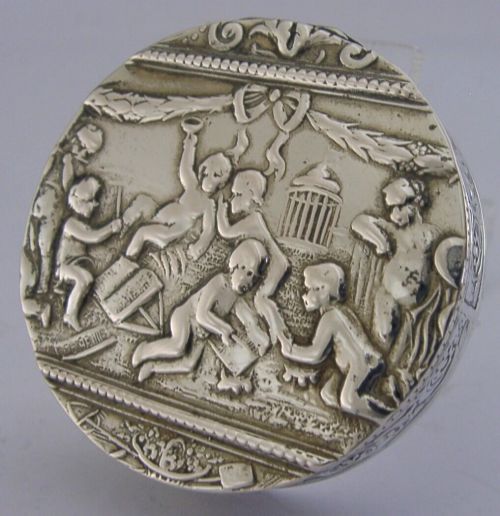
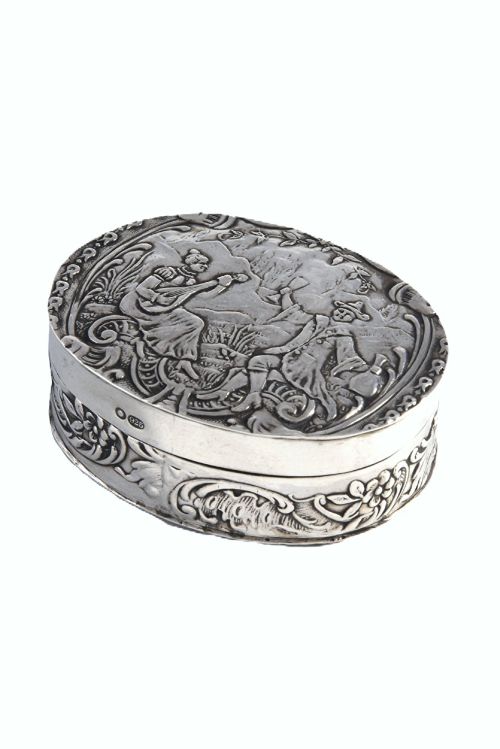
Silversmiths formed the bodies of these boxes using sterling silver sheet, often embellishing the lids with repousse embossing, chased cherub scenes, or pierced openwork patterns. Interiors were frequently lined with velvet or gilt washed to provide a finished contrast to the exterior metalwork.
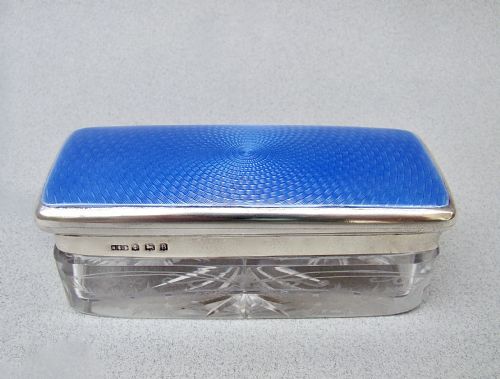
Combinations with organic and mineral materials required specialist assembly, such as silver mounts fitted to cut glass jars, hinged wooden bodies made from oak or Karelian birch, and translucent guilloche enamel fused onto silver bases.
Edwardian Silver Trinket Box Retail Price Guide 2026
Typical asking prices for edwardian silver trinket box among the pieces listed under this phrase on Sellingantiques today, from the lower quarter to the upper quarter. They describe what is for sale here now, not the wider market.
Cherubs peer perpetually from repousse silver lids, keeping watch over generations of misplaced pins and forgotten buttons.
What Varies in Quality
Quality rests in the weight of the metal and the crispness of the chased or repousse decoration upon the lid, where deeper hand-worked detailing indicates superior craftsmanship compared to thin press-moulded panels. The integrity of secondary materials also dictates standard, seen in the smooth operation of box hinges, the clarity of cut glass, and the preservation of delicate tortoiseshell or enamel panels.
Pieces bearing marks from established retailers or prominent silversmiths demonstrate higher tier production, reflecting careful assembly of internal velvet linings and secure fittings that maintain alignment over time.
Ollivant and Botsford·Henry Clifford Davis·Goldsmiths and Silversmiths Company·A Bromet and Co·Fleetwood Varley·Walker and Hall·William Comyns·Nathan and Hayes
The Edwardian Silver Trinket Box Glossary
- Repousse
- Metalworking technique where the design is hammered into relief from the reverse side. This creates tactile, three-dimensional decorative scenes on the lids of boxes.
- Guilloche
- Decorative engine-turned engraving beneath translucent enamel. It produces geometric, repeating wave patterns across the surface of the metal.
- Pyx
- A small circular container traditionally used to hold sacramental bread. In secular forms, these small silver boxes serve as pill or trinket holders.
- Pique
- The art of embedding tiny gold or silver pins into tortoiseshell or ivory to form delicate patterns. This technique appears on luxury dressing table boxes.
- Pierced
- Metalwork perforated with openwork designs using a saw or piercing tool. It creates lattice and floral patterns across the sides of silver baskets and boxes.
Edwardian Silver Trinket Box: Frequently Asked Questions
How do I clean an edwardian silver trinket box?
Use a soft microfiber cloth with a specialist silver polish to gently remove tarnish from sterling surfaces. Avoid getting liquid polish onto delicate inset panels like tortoiseshell, enamel, or velvet interiors.
Store the box in a dry environment away from direct sunlight to prevent the enamel from fading and the silver from tarnishing rapidly.
What were these small boxes originally used for?
These containers held vanity items such as hairpins, rings, cufflinks, and small brooches on dressing tables and boudoir desks. Specialised versions served as pill boxes, snuff boxes, or pocket cigar holders.
Interior velvet cushions were specifically designed to secure rings and hatpins upright when the lid was opened.
How can I tell the date of a silver box?
English silver boxes feature hallmark stamps on the base or rim, which include a town mark, a lion passant indicating sterling standard, and a date letter corresponding to the assay year. Comparing the stylistic cues like Art Nouveau curves or Edwardian floral chasing helps narrow the production period.
Makers' marks stamped alongside the hallmarks point directly to the silversmith or manufacturing firm.
Are tortoiseshell and enamel boxes fragile?
Tortoiseshell and enamel panels require careful handling because impact can cause the organic shell to split or the glass enamel to chip. Keep them away from extreme temperature fluctuations and moisture to preserve the material.
Displaying them out of direct sunlight prevents the coloured enamels and tortoiseshell from degrading over time.