

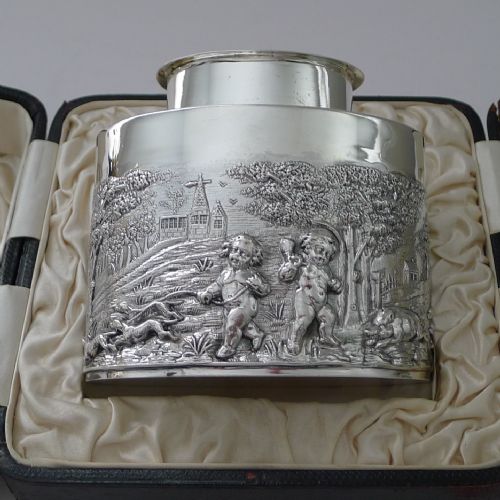


Edwardian Silver Tea Box
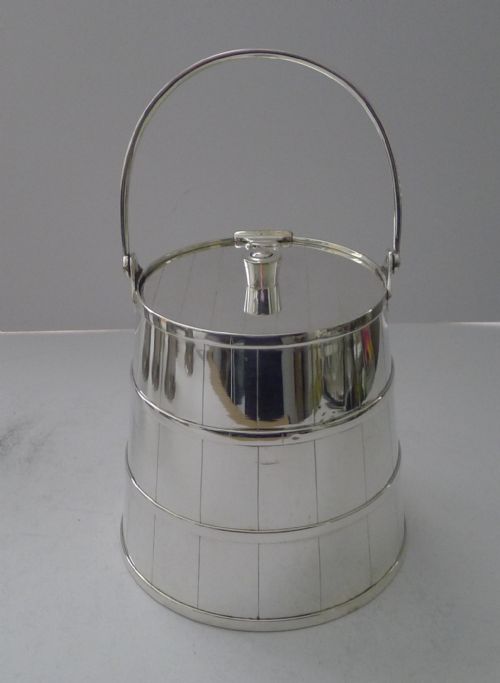
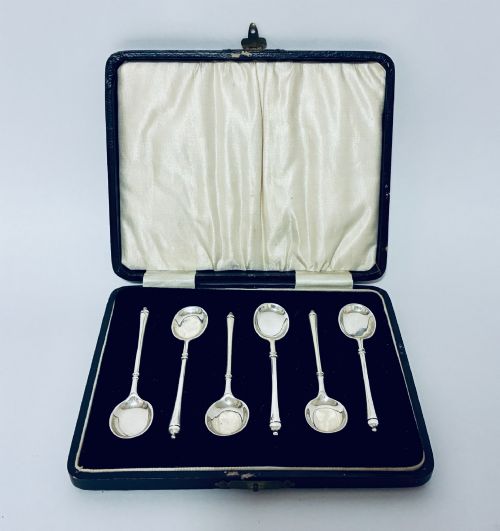
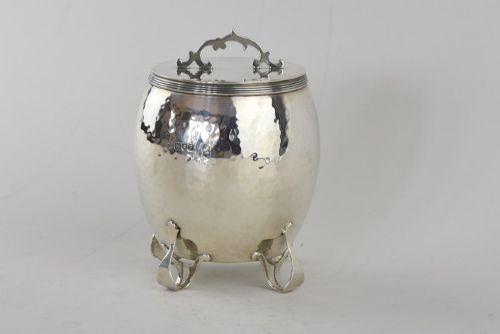
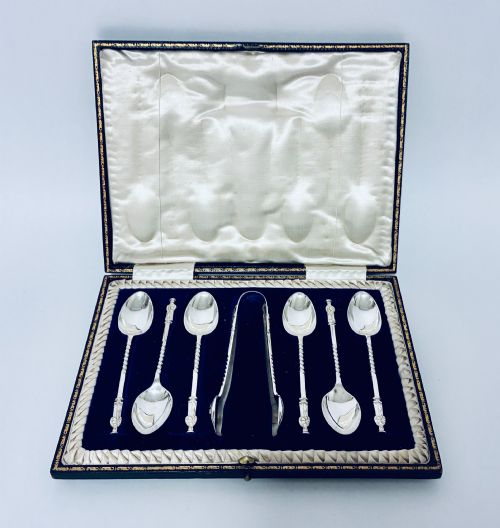
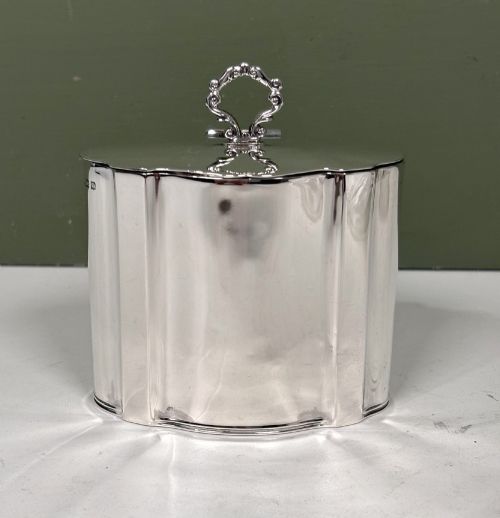
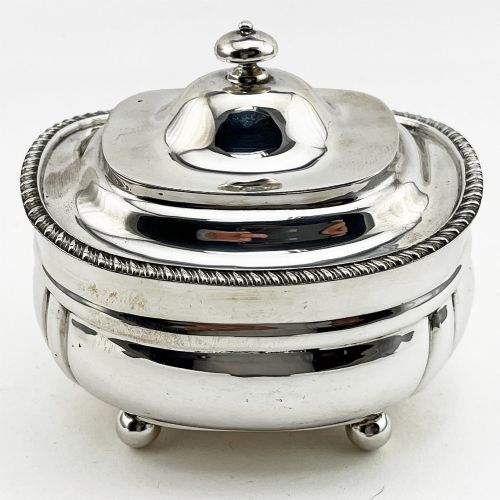
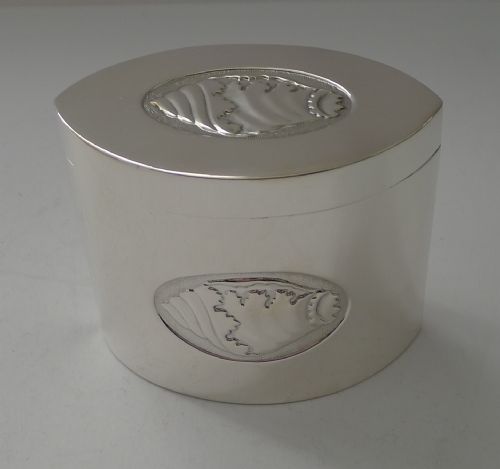
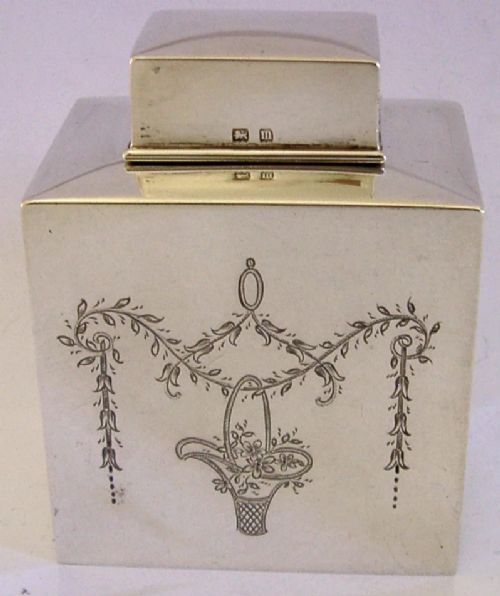
An edwardian silver tea box brings domestic silver to the table, housing dried leaves with substantial weight and bright metal.

Edwardian Silver Tea Box
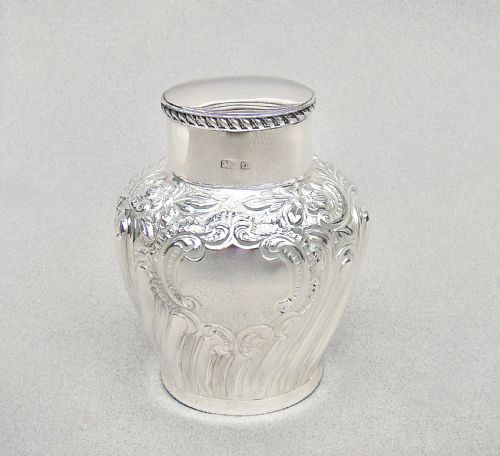
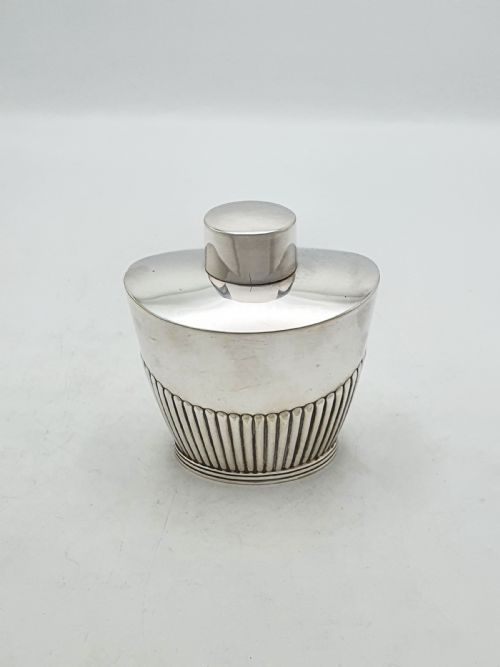
The edwardian silver tea box represents a period of refined domestic metalwork, primarily appearing in solid sterling silver and silver plate across early twentieth-century examples.
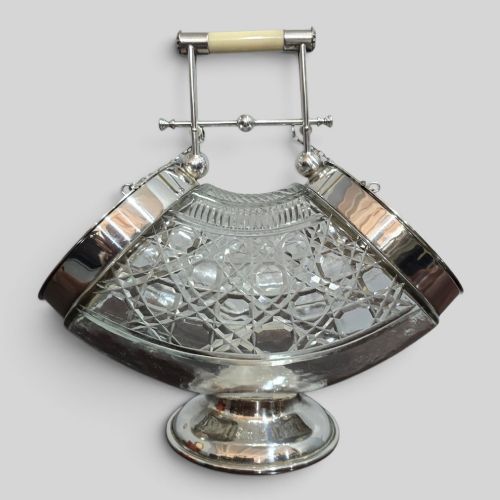
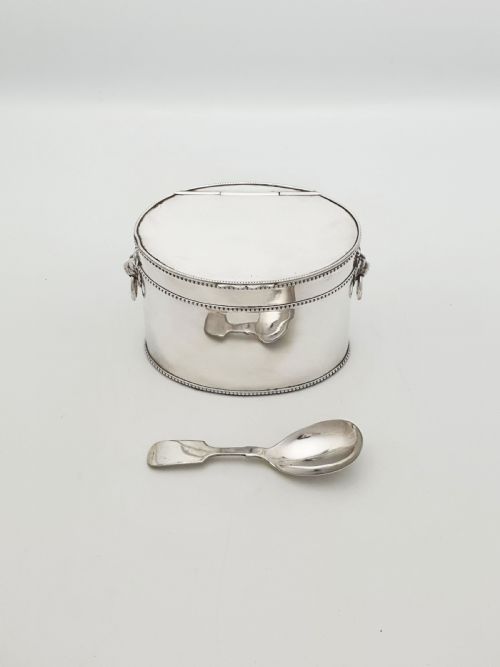
Buyers encounter standalone canisters, hexagonal boxes with panelled bodies, and novelty forms echoing Georgian knife boxes or tiffin vessels.
Most pieces date from the Edwardian decade itself, alongside related George V production and occasional Victorian precursors utilising similar craftsmanship.
Materials and Construction
Silversmiths utilised sterling silver and durable silver plate, often shaping the metal through traditional hammering, piercing, or casting techniques.
Interior elements frequently incorporated fitted compartments lined with silk, velvet, or leatherette to protect delicate leaf storage.
Decoration relied on structural geometry, lion mask handles, and hand-chased panels rather than excessive surface ornamentation.
Some biscuit boxes take the cheerful form of a physical weight.
Assessing Craftsmanship
Quality rests in the gauge of the metal and the crispness of the hallmarks, where heavier weight denotes substantial manufacturing investment.
The integrity of hinged lids, secure closures, and interior linings separates standard domestic vessels from master silversmith output.
Maker attribution to notable firms elevates the standing of a piece above anonymous production.
Charles Edwards·Zimmermann·Thomas Hayes·Mappin and Webb·William Hutton and Sons Ltd·John Grinsell and Sons·Harry Atkin·Edward Barnard and Son
The Edwardian Silver Tea Box Glossary
- Sterling silver
- A standard alloy consisting of ninety-two point five percent silver by mass, ensuring durability and brightness for domestic objects. This composition forms the basis of the finest caddies.
- Hallmark
- An official stamp applied by an assay office indicating metal purity, origin city, and date of manufacture. These marks provide precise historical context.
- Silver plate
- A layer of silver fused to a base metal core, offering the visual appeal of solid silver at a different manufacturing scale. Makers employed this technique widely for large containers.
- Caddy
- A small container designed originally for storing dry tea leaves securely away from moisture. Collectors prize these vessels for their sculptural variety.
- Chasing
- A metalworking technique where the smith depresses the front surface to form a raised design without removing material. This method creates tactile depth on panels.
Edwardian Silver Tea Box: Frequently Asked Questions
What is an edwardian silver tea box?
These pieces are lidded metal containers created during the early twentieth century to hold loose tea leaves in domestic settings. They reflect the formal hospitality practices of the period through decorative metalwork.
Most examples use solid sterling silver or silver plate, frequently featuring fitted interiors and structural hallmarks from major assay offices.
How were these boxes used?
Households used these vessels to store dry tea leaves safely on dining tables or in drawing rooms before infusion. The secure lids protected the contents from humidity and loss of aroma.
Hostesses often unlocked the container themselves during afternoon tea service as a social ritual of hospitality.
How do I date an edwardian silver tea box?
Dating relies on reading the stamped assay office marks, date letters, and maker symbols located on the body or lid of the object. These official stamps record the exact year and city of manufacture.
Stylistic cues such as hexagonal panels, hammered surfaces, or lion mask handles also help place the piece within the correct decade.
How do I care for silver tea boxes?
Silver surfaces require gentle cleaning with a soft cloth and specialised polish to maintain the metal shine without wearing away fine details. Keeping the piece away from damp environments protects any internal velvet or silk linings.
Regular handling prevents tarnish accumulation in recessed chased areas and preserves the integrity of the metal.