

Edwardian Silver Pocket Watch
An edwardian silver pocket watch brings mechanical precision to the waistcoat, pairing sterling cases with white enamel dials.
Edwardian Silver Pocket Watch
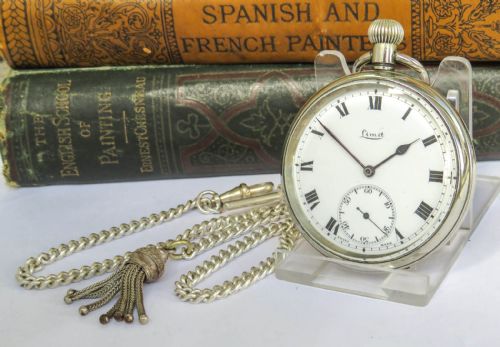
An edwardian silver pocket watch represents an era of refined horology, housing mechanical movements inside polished sterling silver cases. These timepieces served as daily essentials for gentlemen and travellers, often accompanied by matching silver chains and fobs.
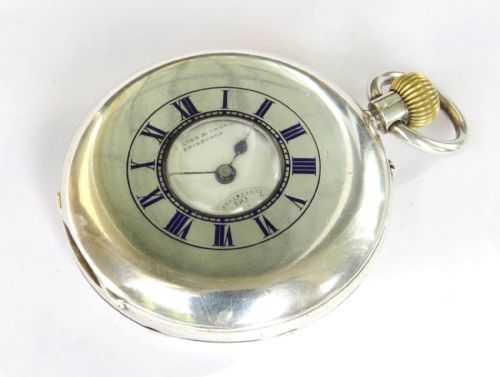
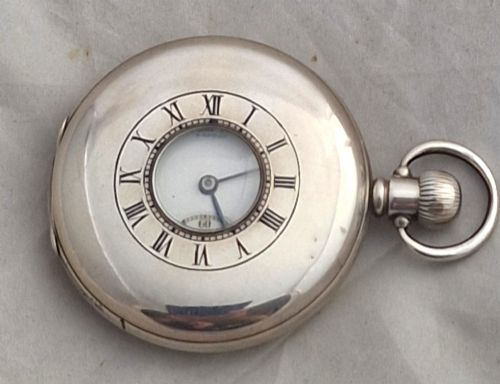
The pieces appearing on this page span the Edwardian period alongside late Victorian and early twentieth-century examples. Alongside standard pocket watches, the selection includes half hunter designs, travel clocks, and sovereign cases tied to the daily habits of the period.
Most examples hail from English workshops, bearing hallmarks from Birmingham and London assay offices. The form ranges from slim lever watches to heavy railway timepieces and eight-day desk models.
Materials and Construction
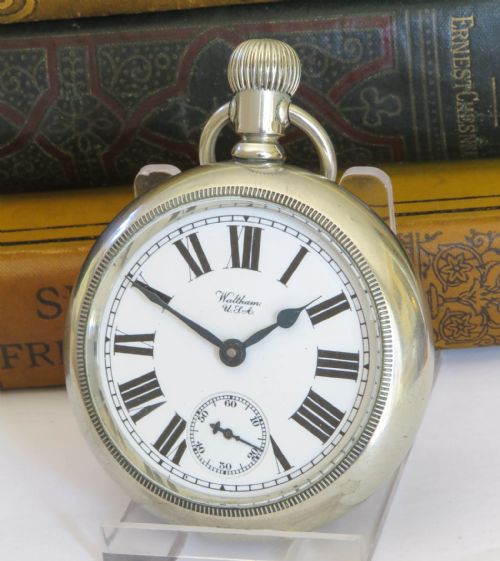
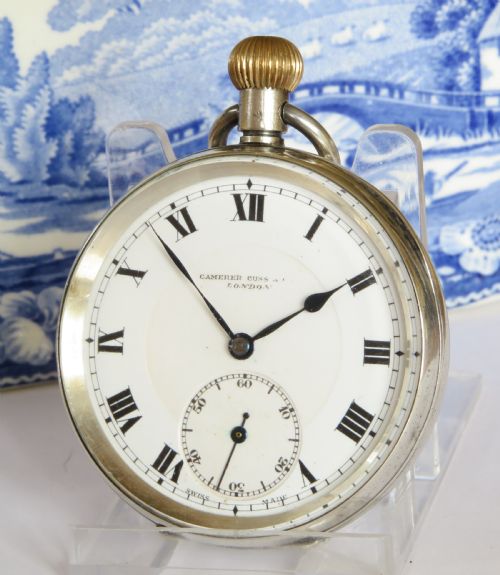
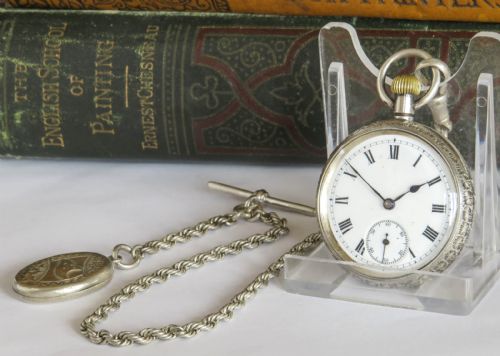
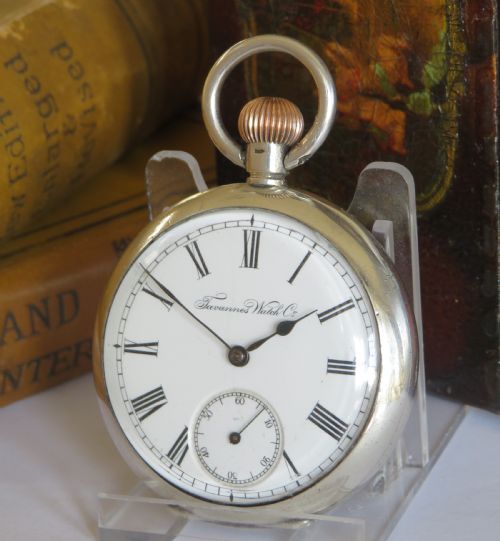
Sterling silver forms the primary housing for these watches, shaped into hinged cases that protect the delicate internal mechanism. Many dials utilise white enamel with black painted numerals and subsidiary seconds, sometimes paired with gold accents or niello decoration.
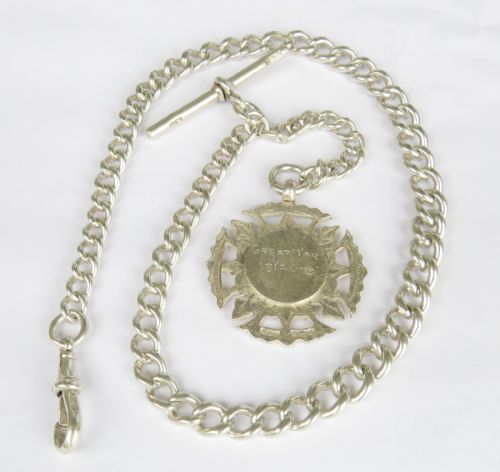
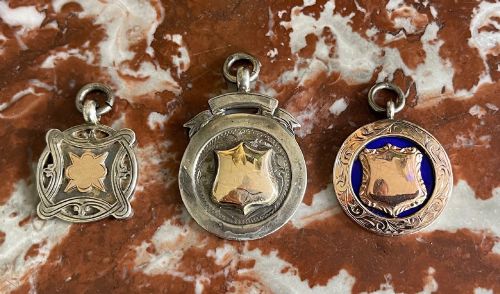
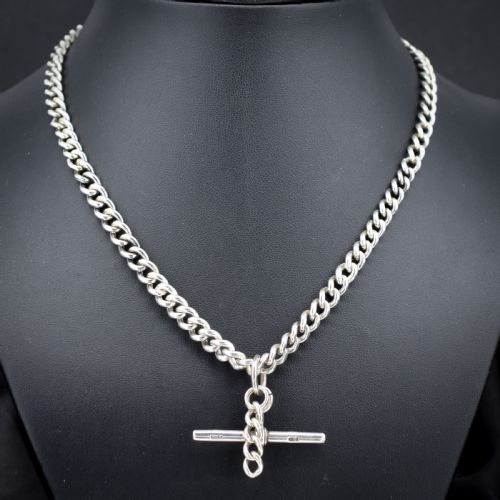
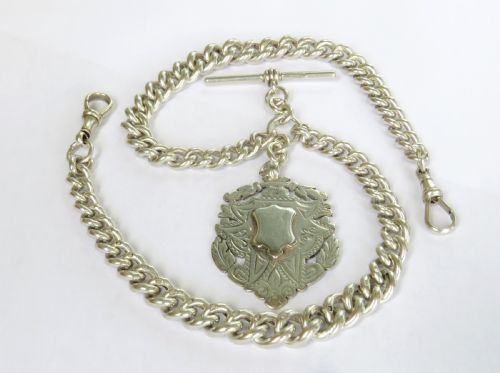
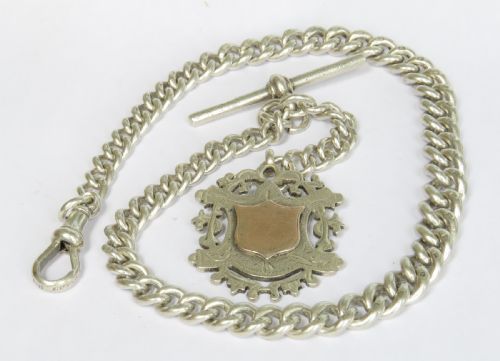
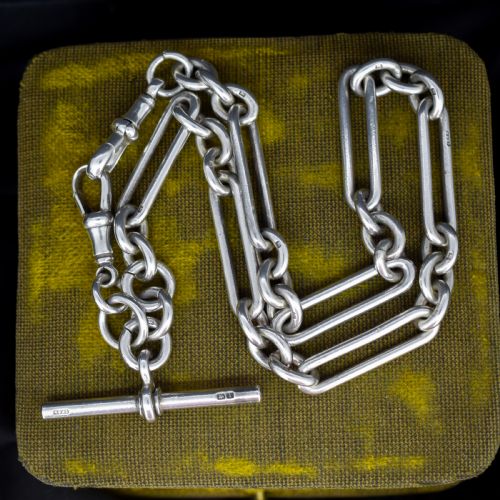
Internal mechanics rely on steel and brass components assembled by hand to ensure accurate timekeeping. Chains utilise solid sterling silver links, incorporating dog clips, T-bars, and decorative seals or fobs.
Edwardian Silver Pocket Watch Retail Price Guide 2026
Typical asking prices for edwardian silver pocket watch among the pieces listed under this phrase on Sellingantiques today, from the lower quarter to the upper quarter. They describe what is for sale here now, not the wider market.
Some watches ran for eight days without winding, freeing busy Edwardians from the daily ritual of adjusting their timepieces.
Markers of Quality
Quality rests in the precision of the movement and the crispness of the case hallmarks. Maker reputations, such as Waltham, Hamilton & Inches, or Camerer Cuss, elevate certain pieces above anonymous factory output.
The integrity of the enamel dial heavily influences the character of a watch, where hairline cracks detract from the visual harmony. Weight and gauge of the sterling silver in both the watch case and associated albert chains also separate standard items from heavier, premium examples.
Hamilton & Inches·Hinds London·Camerer Cuss·Aaron Lufkin Dennison·Mappin & Webb
The Edwardian Silver Pocket Watch Glossary
- Half Hunter
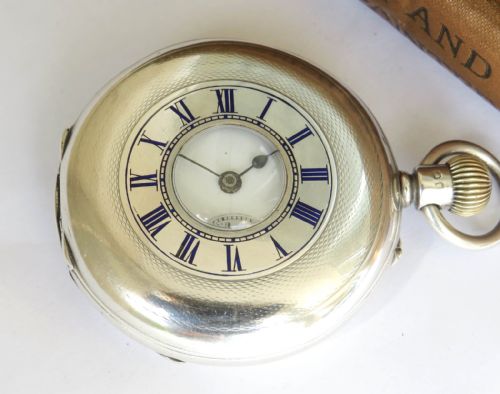
- A pocket watch case featuring a glass-covered central aperture on the outer lid that allows the user to read the hands without opening the case.
- Albert Chain
- A silver chain attached to a pocket watch and secured through a buttonhole with a T-bar.
- Hallmark
- Official stamps pressed into the sterling silver indicating the metal purity, assay office, and year of manufacture.
- Sovereign Case
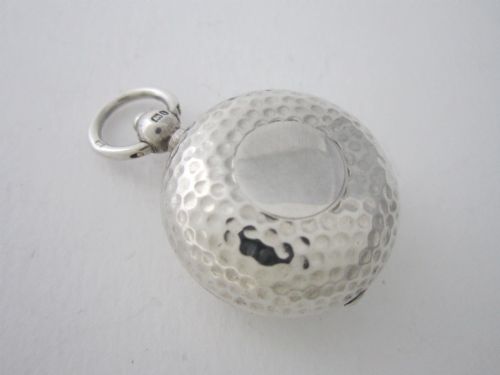
- A small circular silver container designed to hold British gold sovereign coins securely in the pocket.
- T-bar
- The crossbar attached to the middle of a watch chain used to anchor the chain firmly in a waistcoat buttonhole.
Edwardian Silver Pocket Watch: Frequently Asked Questions
How do I wind an edwardian silver pocket watch?
Most pocket watches from this era feature a stem-winding mechanism where the crown is rotated clockwise until resistance is felt. Care must be taken not to overwind the mainspring.
Some specialised eight-day models require a key or specific internal winding process depending on the movement manufacturer.
Can I wear a pocket watch daily?
These mechanical timepieces function reliably when handled with care and kept away from strong magnetic fields and moisture. Pairing the watch with a secure albert chain ensures safe attachment to a garment.
Regular servicing by a professional horologist keeps the internal brass and steel gears running smoothly.
What is the difference between an open face and a half hunter?
An open-face watch exposes the glass and dial directly without any protective metal cover over the front. A half hunter protects the dial behind a solid silver lid pierced with a glazed viewing window.
Both styles were common during the Edwardian period, chosen according to personal preference for speed of reading versus case protection.
How do I identify the date of a silver pocket watch?
Assay office hallmarks stamped inside the silver case provide a specific letter code corresponding to the year of testing. Movement serial numbers can also be cross-referenced against historical maker records to narrow down the production date.
Additional clues appear in the style of the typography on the enamel dial and the ornamentation of the outer case.