
Silver Mechanical Pocket Watch
A silver mechanical pocket watch offers tangible craftsmanship from the Victorian, Edwardian, and mid-century eras, prized for intricate movements and precious metal cases.
Silver Mechanical Pocket Watch
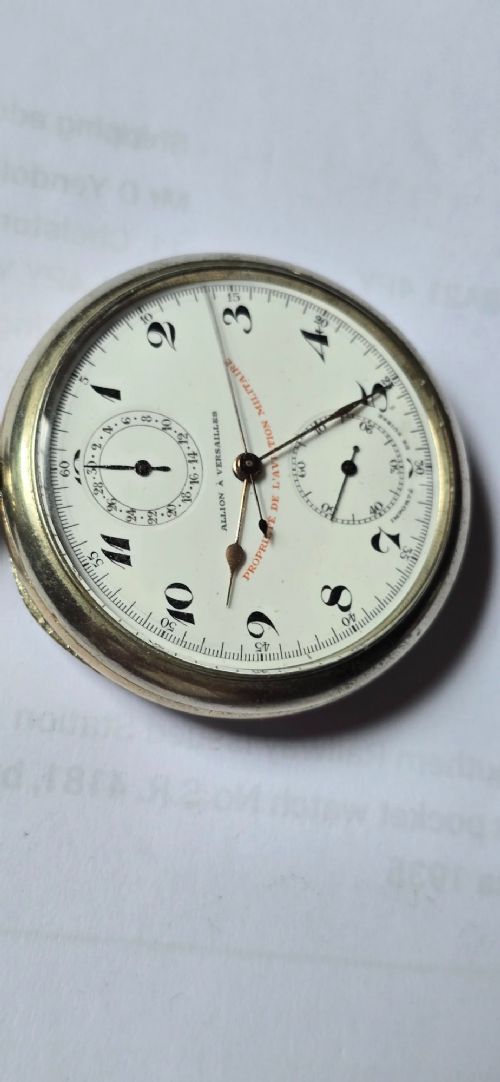
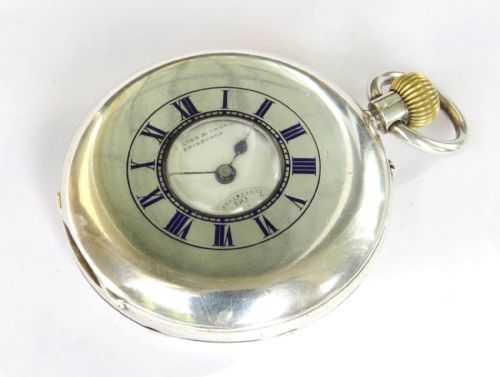
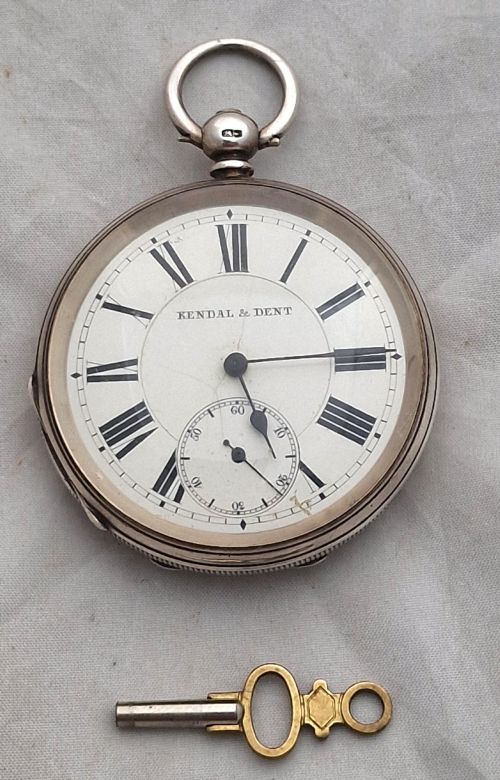
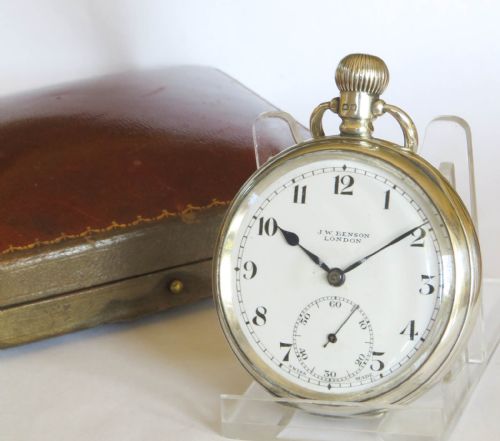
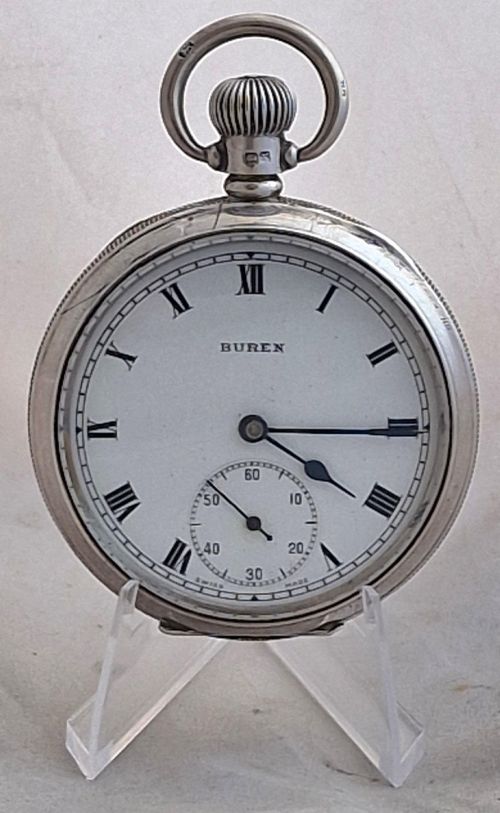
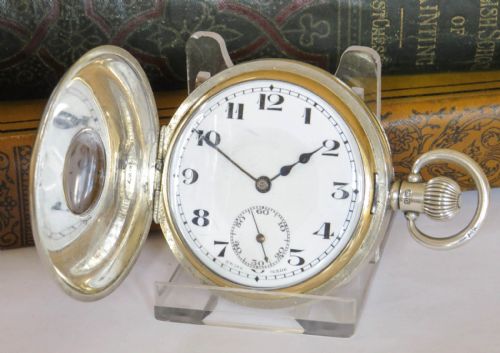
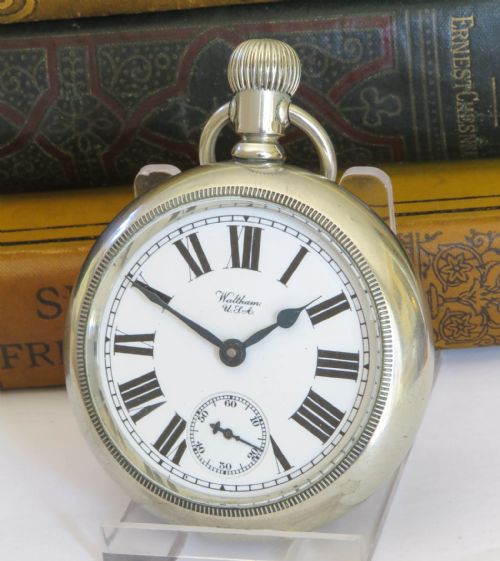
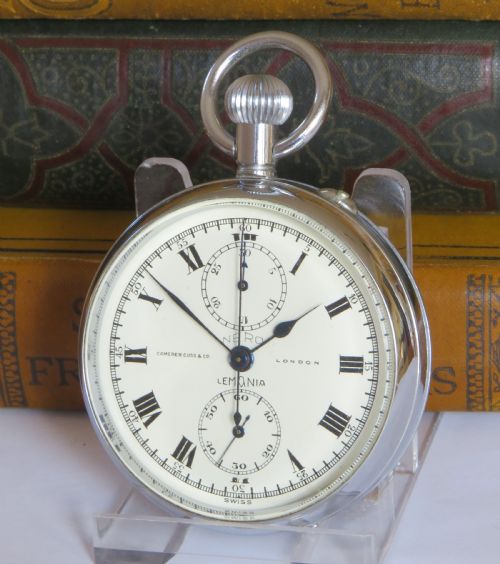
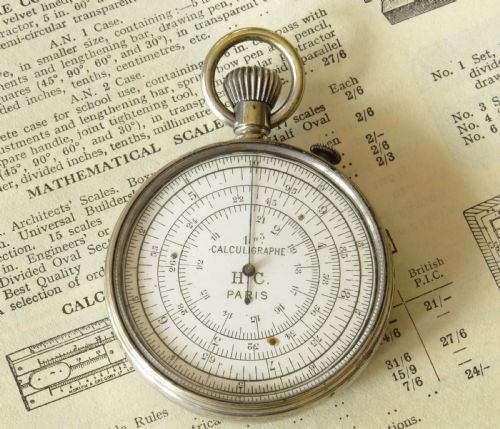
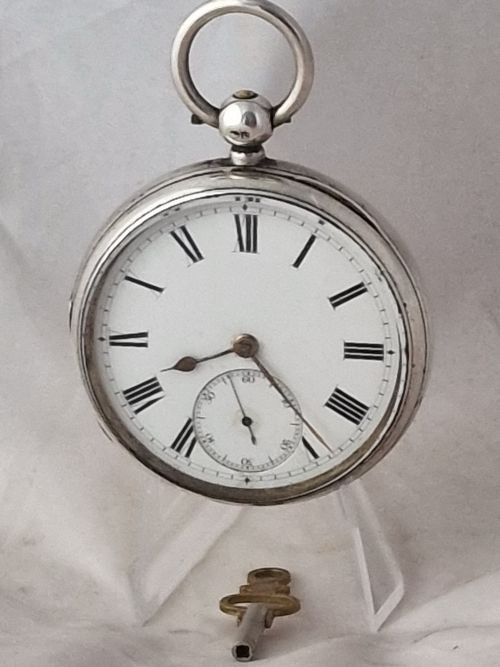
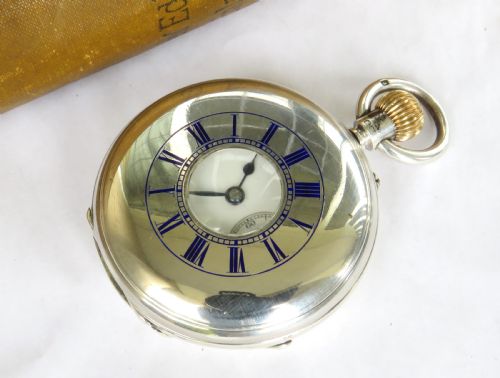
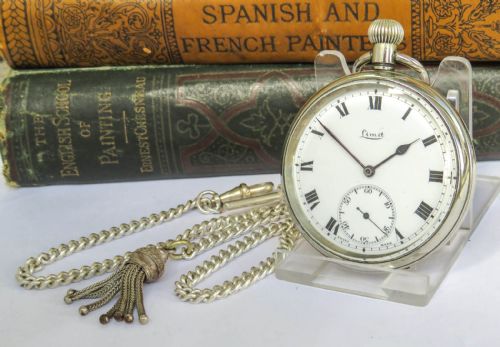
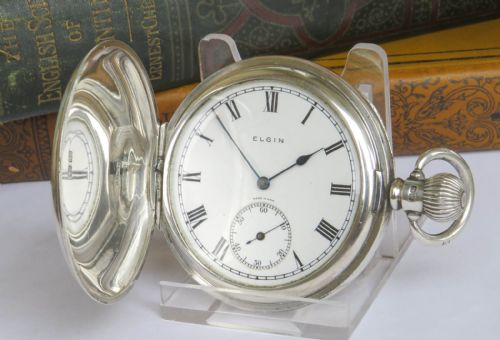
When you search for a silver mechanical pocket watch, you encounter portable timepieces spanning the late nineteenth century through to the nineteen-fifties. These instruments range from railway timekeepers and chronograph models to half hunter and full hunter designs enclosed in sterling silver or standard silver cases.
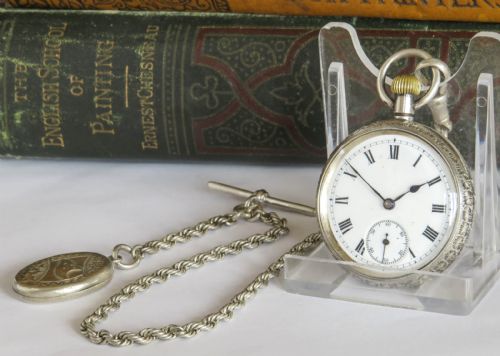
The pieces appearing on this page originate across various decades, including the nineteen-twenties and nineteen-thirties, alongside Victorian and Edwardian examples. Many retain their original chains, while others display specialised dials or inscriptions marking specific railways and awards.
How they were made
Cases utilise silver, sterling silver, and nickel, frequently paired with glass crystals and enamel dials featuring distinct numerals. Internal mechanisms rely on brass, steel, and mechanical gear trains assembled by hand.
Specialised variations incorporate eight-day movements, chronograph functions, or niello decoration on the outer casing, reflecting the technical standards of period workshops and manufacturers.
Listings span the Victorian era through to the 1950s, featuring silver, nickel, brass, and enamel components.
What varies in quality
The refinement of the internal movement distinguishes standard pocket watches from sophisticated chronographs and eight-day calibres. Superior examples often bear the names of renowned watchmaking firms and demonstrate complex mechanical engineering.
Case finish and dial preservation also influence the character of each piece. Crisp enamel dials, well-preserved silver hallmarks, and intact subsidiary complications set finer items apart from utilitarian railway or everyday pieces.
Hamilton and Inches·Kendal and Dent·J W Benson·Waltham·Guinand·Lemania·Tavannes·Cyma·Longines·Omega·Silvana
The Silver Mechanical Pocket Watch Glossary
- Hunter pocket watch
- A timepiece featuring a spring-loaded metal cover that protects the glass dial from damage. This style requires the user to press a crown button to flip the lid open.
- Half hunter pocket watch
- A case design with a glass or open window in the centre of the outer cover, allowing the user to view the hands without opening the watch.
- Chronograph
- A watch equipped with an independent sweep second hand that can be started, stopped, and returned to zero for precise timing measurements.
- Fusee
- A conical pulley device inside older mechanical watches designed to equalise the diminishing power of the mainspring as it unwinds.
- Niello
- A black metallic alloy used as an inlay to fill engraved designs on silver surfaces, creating stark visual contrast on decorative cases.
Silver Mechanical Pocket Watch: Frequently Asked Questions
How do eight-day pocket watches work?
Eight-day pocket watches utilise an oversized mainspring barrel and specialised gear ratios that allow the movement to run continuously for over a week on a single wind. They are bulkier than standard timepieces.
Such watches were particularly useful for desk placement or travellers who wanted to reduce the frequency of winding.
What distinguishes a railway pocket watch?
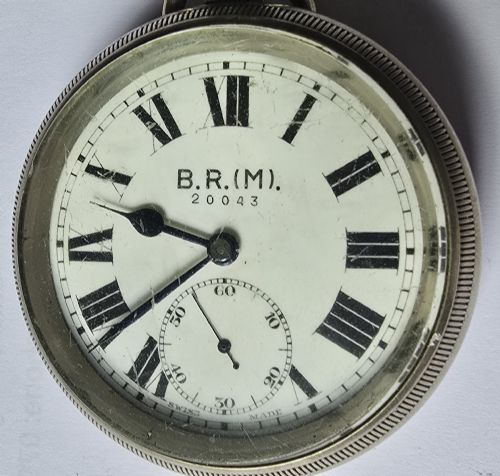
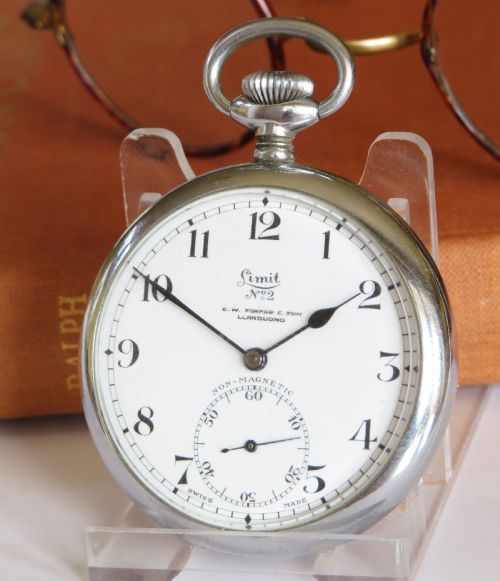
Railway pocket watches were built to meet strict official timekeeping regulations for transport workers, prioritising absolute legibility, high-grade movements, and robust metal cases.
Many bear specific regional railway markings or company names directly on the enamel dial or reverse casing.
How are pocket watch chains worn?
Pocket watch chains, often called albert chains, secure the timepiece to a waistcoat buttonhole or belt loop using a T-bar fitting, while the watch rests safely in the pocket.
Shorter fob chains attach to smaller decorative seals or medals rather than full garments.