


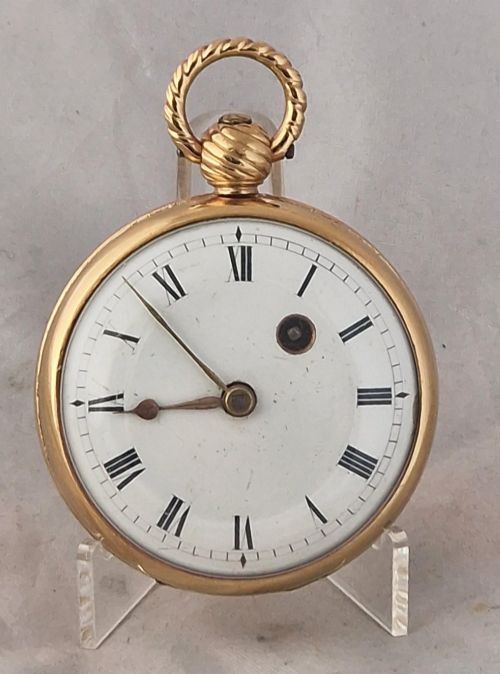

Vintage English Pocket Watch
A vintage english pocket watch is a pocket-worn mechanical timepiece that brings quiet, tactile weight and traditional horology to daily life.
Vintage English Pocket Watch
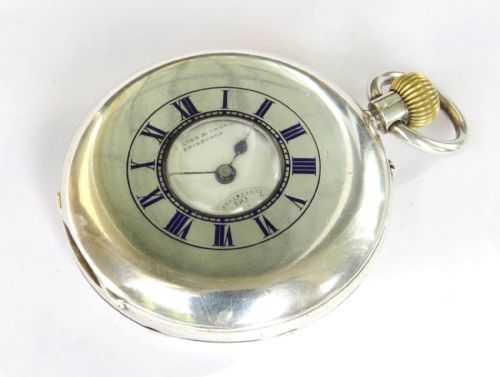
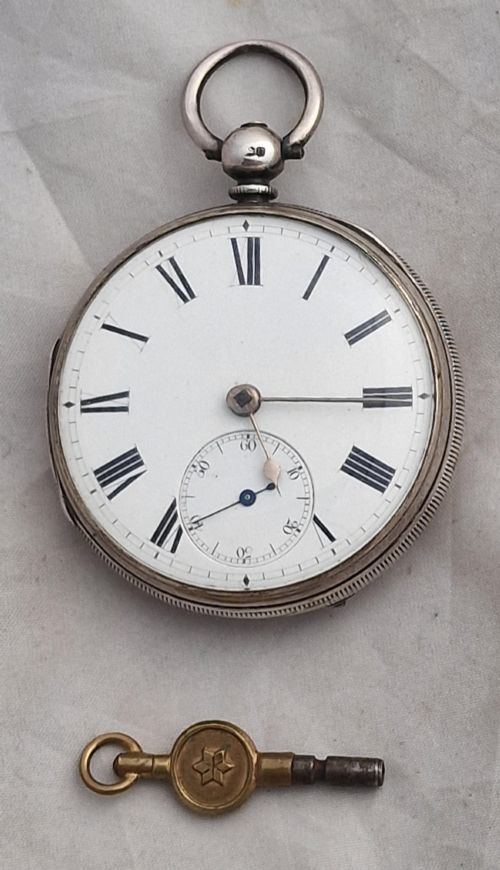
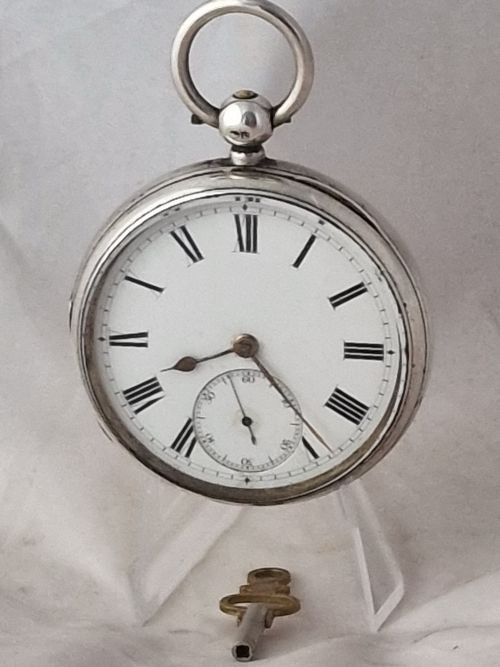
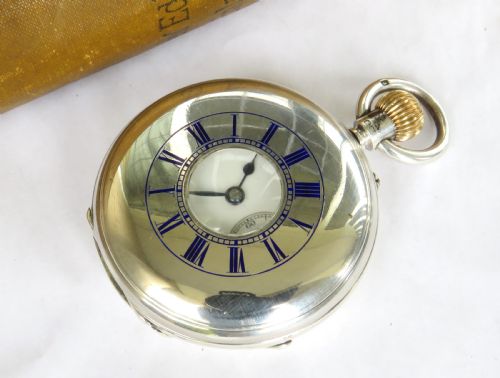
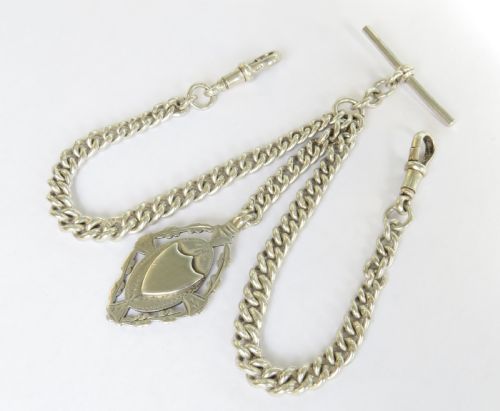
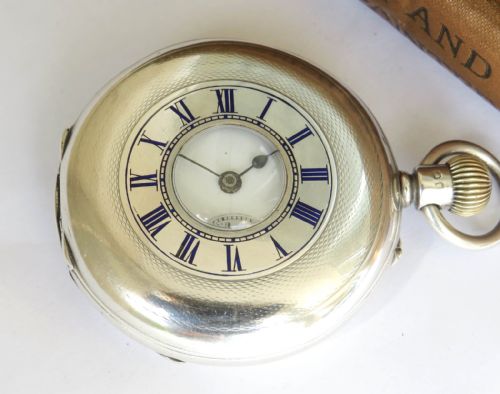
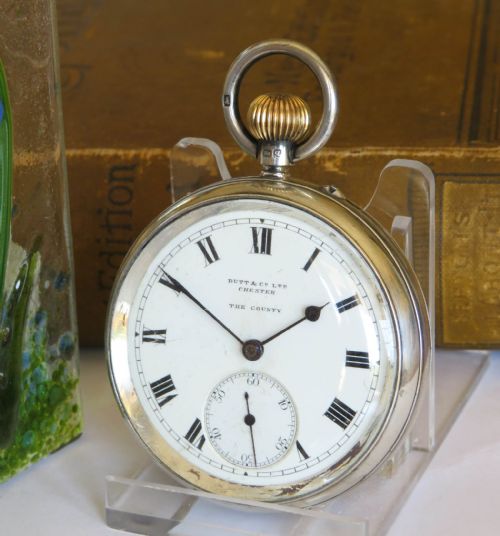
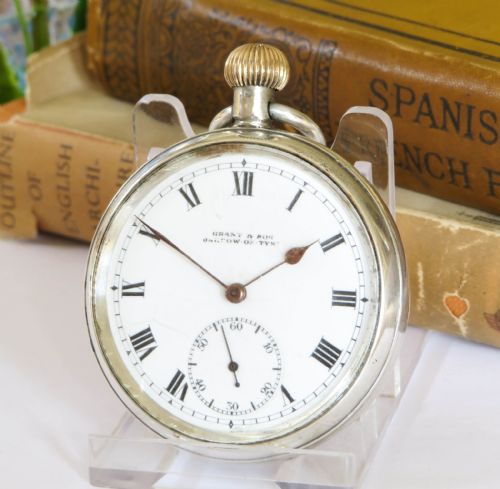
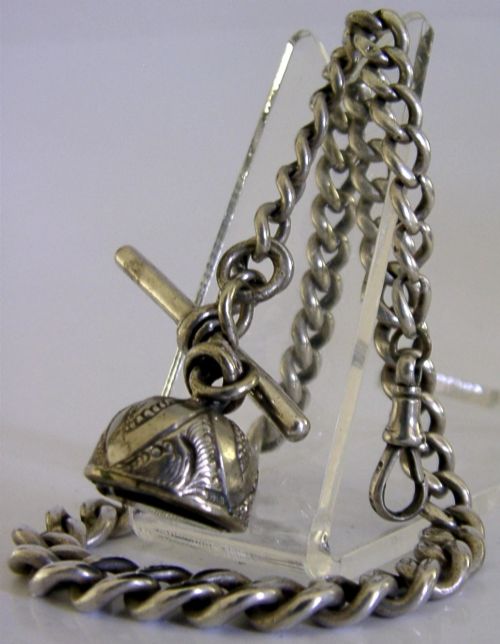
A vintage english pocket watch spans from the Georgian era through Victorian, Edwardian, and Art Deco periods into the mid-twentieth century. Buyers encounter silver hunter and half hunter cases, fusee movements, and solid sterling silver watch chains with fob seals.
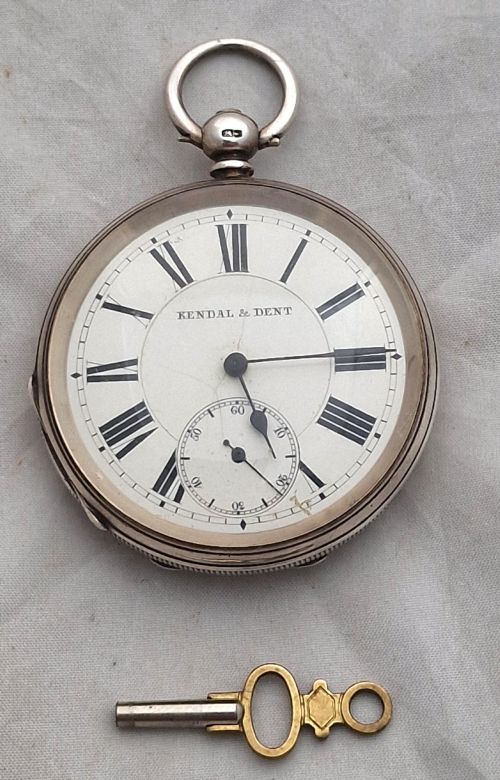
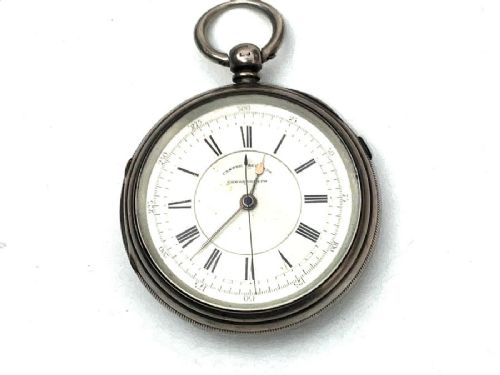
Forms extend beyond simple timepieces to include specialised chronographs, military-issued compasses, night watch holders, and paired display domes. Makers ranging from provincial watchmakers to renowned retailers like J W Benson and Hamilton & Inches stamp these items with regional British character.
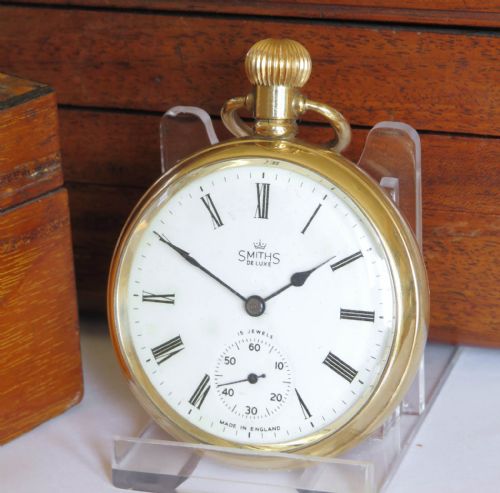
Most pieces on this page utilise silver, sterling silver, gold plate, brass, and steel, often paired with enamel dials and glass covers. Alongside watches, associated items like capstan inkwells and watch chains appear frequently in the listings.
Materials and construction
Cases rely on solid sterling silver, brass, steel, and gold plate, enclosing intricate internal gear trains and fusee mechanisms. Enamel provides crisp, durable white dials marked with delicate Roman or Arabic numerals.
Glass protects the delicate face while polished brass and steel form the mechanical heart of the movement. Mahogany, beech, and blown glass appear in associated items like watch holders and display domes.
Listings feature periods spanning from the Georgian era and the 19th Century through Victorian, Edwardian, 1930s, and 1940s British examples.
Judging quality
Quality rests upon the precision of the movement, the crispness of the hallmarking on silver cases, and the legibility of the enamel dial. Maker reputation and the presence of original boxes or matching watch chains elevate an example.
Case materials range from gold plate and base metals to heavy solid sterling silver, altering the substantial feel in the hand. The complexity of the mechanism, such as fusee movements or chronograph functions, separates standard timepieces from finer works.
Hamilton & Inches·Kendal & Dent·Bickley London·Richardson·Smiths·Cyma·JW Benson·J Lyndsey·J G Graves Sheffield
The Vintage English Pocket Watch Glossary
- Hunter
- A pocket watch with a spring-loaded metal cover that protects the glass dial. Pressing the crown pops the cover open.
- Half Hunter
- A pocket watch featuring a metal outer case with a central glass or open window. This allows the wearer to read the hands without opening the front cover.
- Fusee
- A conical pulley used in older mechanical watches to maintain even driving force as the mainspring unwinds. It ensures consistent timekeeping across the power reserve.
- Verge escapement
- An early mechanical escapement using a crown wheel and a vertical rod with pallets. It represents traditional watchmaking construction.
- Silver hallmarking
- Official stamps pressed into precious metal items by an assay office. They indicate purity, the maker, and the year of testing.
Vintage English Pocket Watch: Frequently Asked Questions
How do I wind a mechanical pocket watch?
Most pocket watches wind via the crown at the top, while older fusee models may require a small key applied to the dial or back plate.
Turn the key or crown gently until you feel firm resistance, stopping immediately to avoid damaging the internal spring.
Can I wear a pocket watch daily?
These timepieces suit regular wear provided you handle them with care and secure them safely in a waistcoat or trouser pocket.
Pairing the watch with a solid sterling silver watch chain helps prevent accidental drops while carrying it.
What is the difference between silver and gold plate?
Silver pieces utilise solid sterling silver marked with official British hallmarking, offering lasting precious metal substance.
Gold plate applies a thin layer of gold over a base metal core, providing a warm golden appearance without solid gold cost.
Where should I keep my watch at night?
A wooden night watch holder or a small glass display dome keeps the timepiece safe and visible when not worn.
Place the watch securely on its stand away from direct sunlight, moisture, and extreme temperature shifts.