



Edwardian Silver Plated Caddy
An edwardian silver plated caddy brings period dining room elegance to the tea table through bright metalwork and careful proportion.
Edwardian Silver Plated Caddy
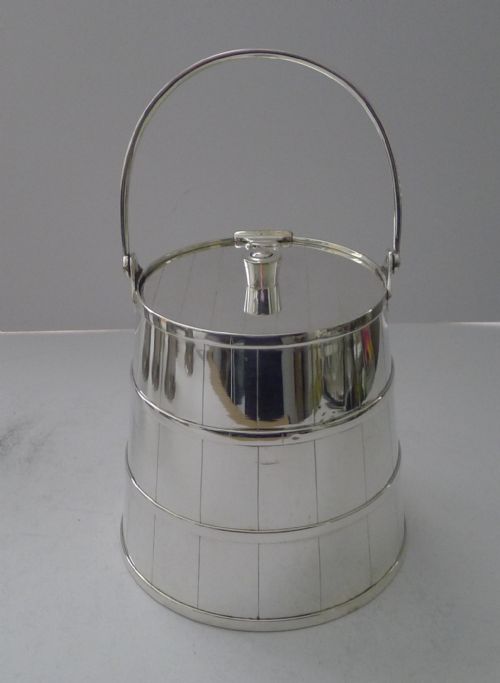
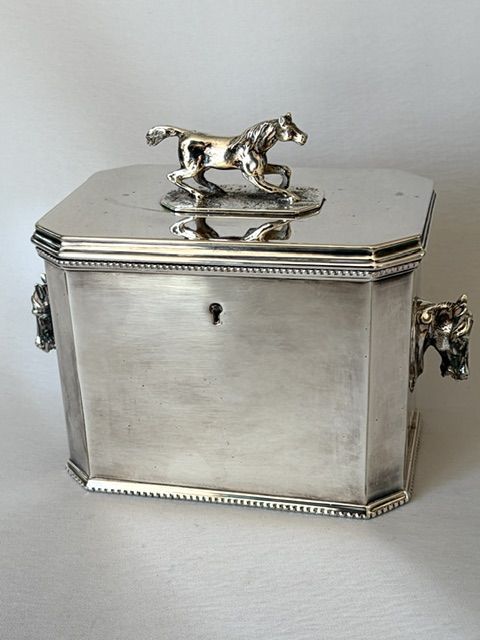
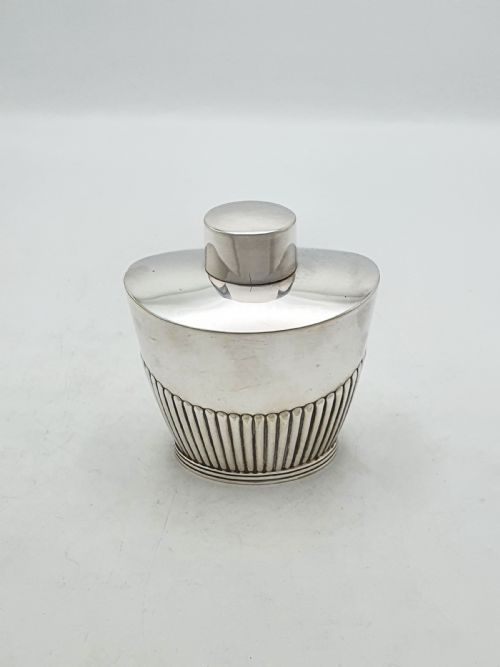
When searching for an edwardian silver plated caddy, buyers encounter small tea canisters and storage vessels produced around the turn of the twentieth century. These pieces frequently appear in octagonal, urn, or drum forms, often accompanied by matching spoons for dispensing loose leaves.
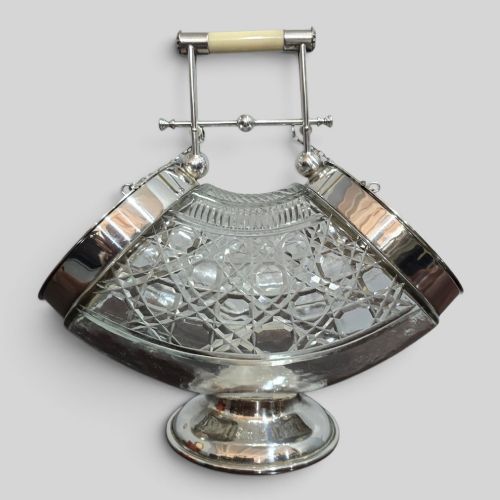
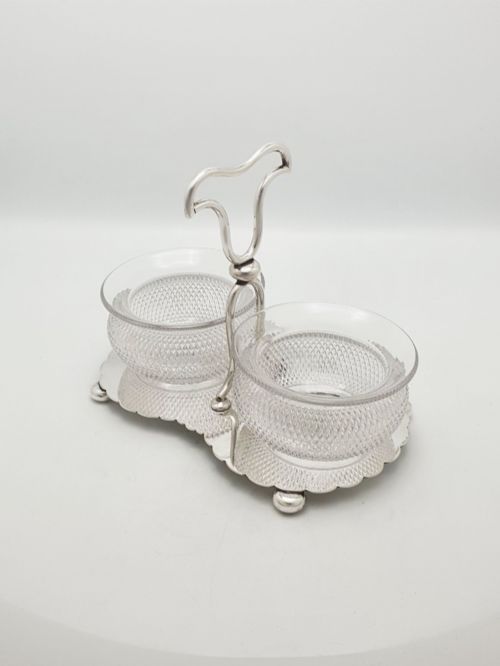
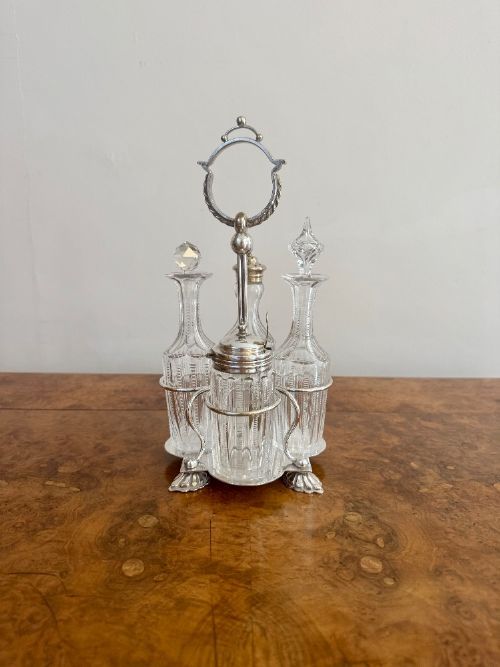
Beyond tea storage, the wider category spans related table items like biscuit barrels, cruet sets, and toast racks from the Edwardian period, Victorian era, and the 1920s. Makers applied silver plate over base metals, sometimes incorporating glass liners or oak bodies to create durable vessels for the dining room.
How they were made
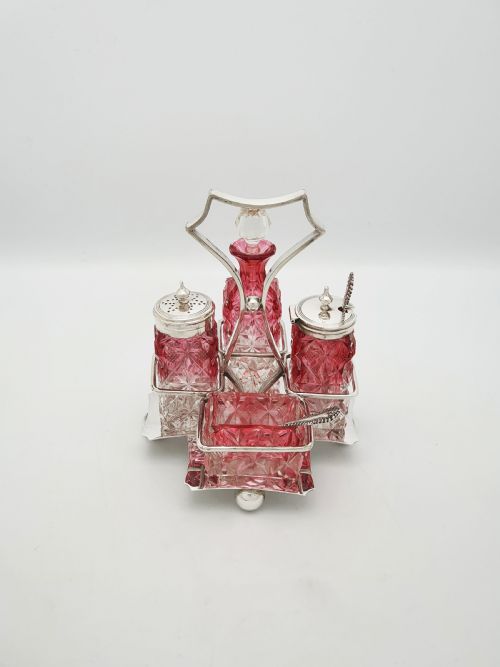
Manufacturers built these containers using a base of nickel silver, standard metal, or oak, applying a layer of silver plate across the exterior surfaces. Many designs feature cut glass liners, hobnail cutting, or cranberry flashed glass elements fitted snugly within pierced or solid metal frames.
Surface decoration relied on engraving, repoussé work, and neoclassical motifs like urn shapes or shell patterns. Artisans also joined elements with soldered mounts, hinged lids, and cast handles to ensure everyday utility.
Edwardian Silver Plated Caddy Retail Price Guide 2026
Typical asking prices for edwardian silver plated caddy among the pieces listed under this phrase on Sellingantiques today, from the lower quarter to the upper quarter. They describe what is for sale here now, not the wider market.
What varies in quality
The distinction between standard items and superior examples rests on the depth of the metal plating and the crispness of the chased or engraved decoration. Thicker plating resists wear better over decades of polishing, while sharper engraving preserves the original geometric or floral intent.
Subtleties in proportion and the weight of the metal distinguish workshop output. Pieces retaining their original matching spoons or undamaged glass liners command greater interest from collectors seeking complete sets.
Mappin & Webb
The Edwardian Silver Plated Caddy Glossary
- Silver plate
- A thin layer of silver bonded to a base metal such as nickel silver or copper. This technique allowed Victorian and Edwardian makers to achieve the look of solid silver at a lower cost.
- Cranberry glass
- A rich red glass created by adding gold chloride to the molten mixture during production. It frequently appears in Edwardian cruet sets and tableware.
- Hobnail cut
- A decorative pattern of faceted square-topped projections cut into glassware. It creates a textured surface that catches the light effectively on biscuit barrels and decanters.
- Pierced work
- A technique where metal is cut through to form openwork patterns. Makers used this method to lighten the appearance of heavy frames on caddies and condiment stands.
Edwardian Silver Plated Caddy: Frequently Asked Questions
How were caddies used?
Tea caddies stored precious dry leaves securely away from moisture and light in the dining room or drawing room. A locked lid or tight stopper helped preserve the delicate aromas of high-value blends.
Servants brought the caddy to the table for the hostess to measure out individual portions using a small matching spoon. This ritual highlighted the hospitality and refinement of the household.
How do I clean my caddy?
Maintenance requires gentle washing with warm soapy water and a soft cloth to protect the thin metal surface. Avoid harsh abrasive dips that strip away the historic plating over time.
Buffing the dry metal with a specialised silver polishing cloth restores the shine without damaging engraved details. Glass liners should be washed separately and dried thoroughly before replacement.
What is silver plate?
Silver plate involves fusing a thin layer of genuine silver onto a durable base metal core. This method provided households with attractive tableware without the expense of solid sterling pieces.
Electroplating became widespread during the nineteenth century, allowing manufacturers to coat complex shapes evenly. The resulting objects offered lasting durability when handled with reasonable care.
How do I date these pieces?
Dating relies on stylistic clues, maker marks stamped into the base metal, and manufacturing techniques. Edwardian designs often lean towards neoclassical revival forms, whereas 1920s examples show cleaner geometric lines.
Comparing the object to dated archive pieces helps narrow the production window. Examination of screws, hinges, and glass manufacturing methods provides further chronological evidence.