
Edwardian Silver Plate
Edwardian silver plate encompasses domestic metalware and decorative objects produced around the turn of the twentieth century that bring functional elegance to modern interiors.
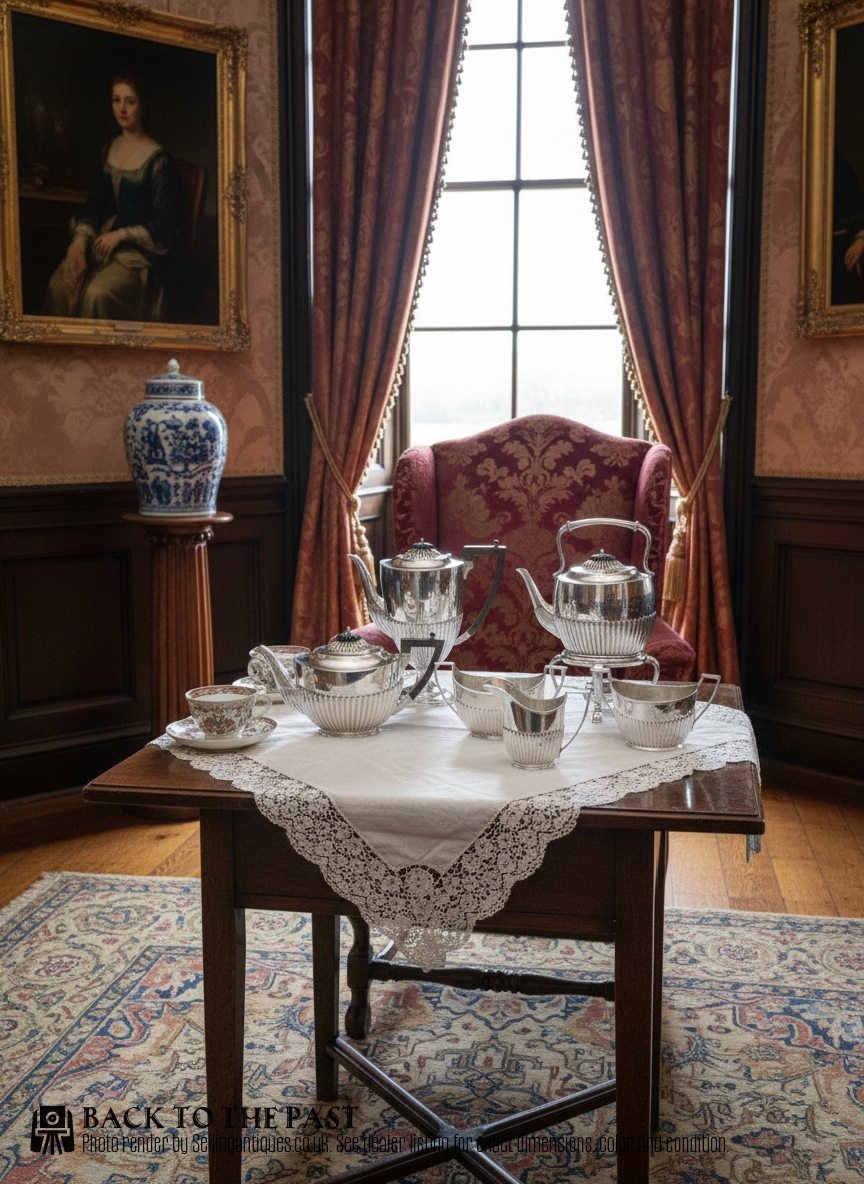
Edwardian Silver Plate
Edwardian silver plate spans a diverse selection of household items designed for dining, lighting, and hospitality, reflecting the formal entertaining habits of the early twentieth century.
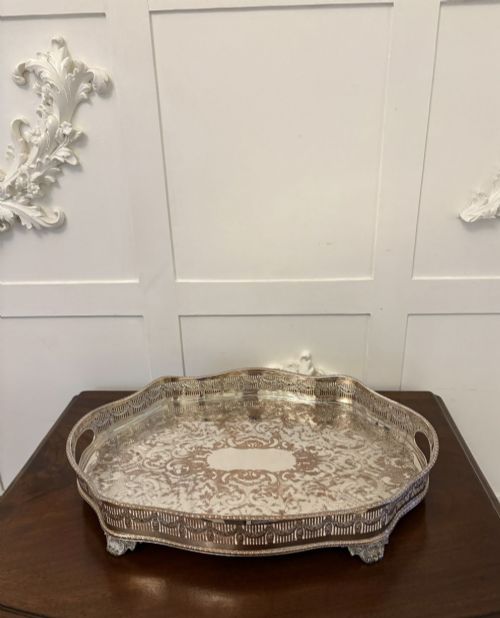
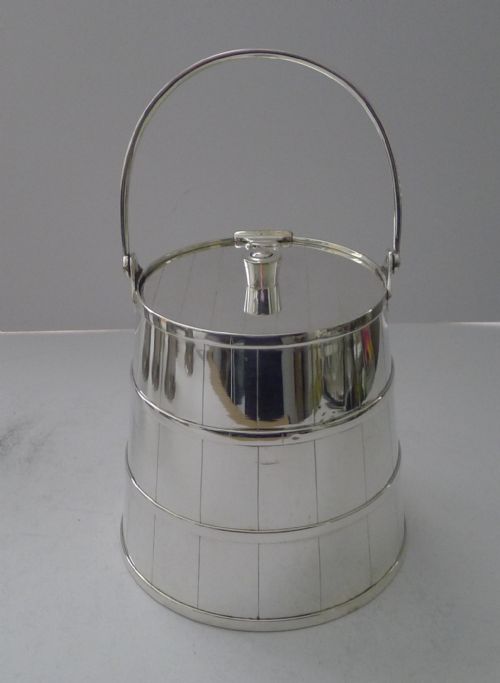
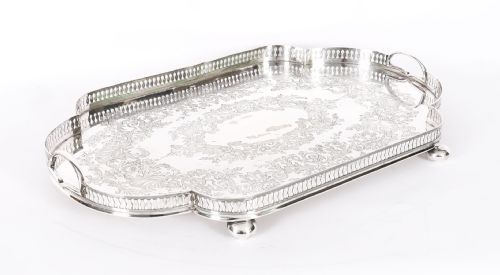
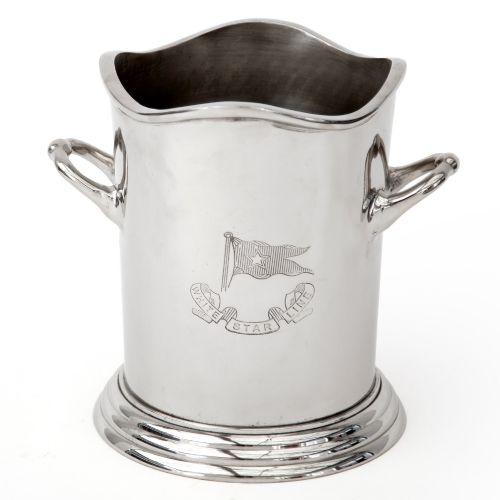
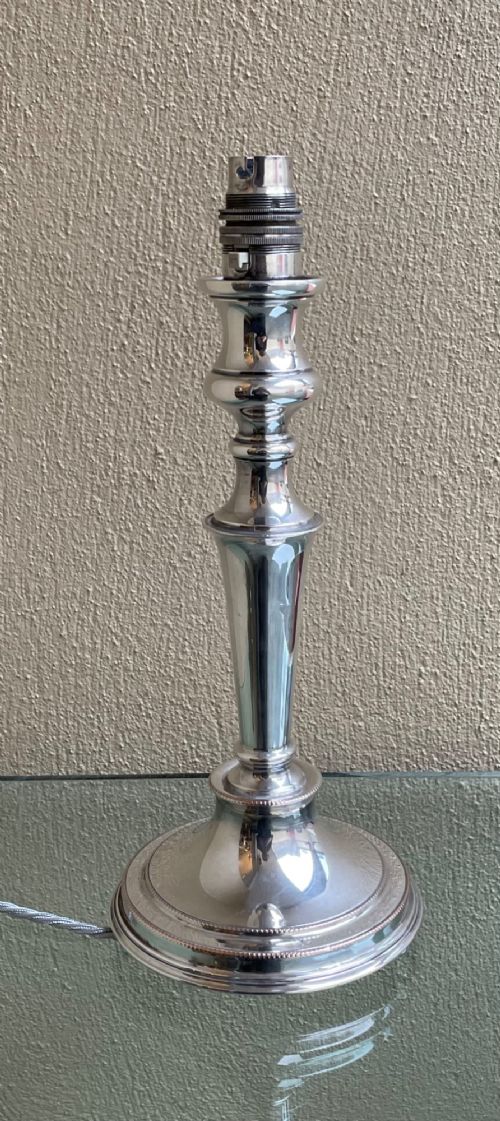
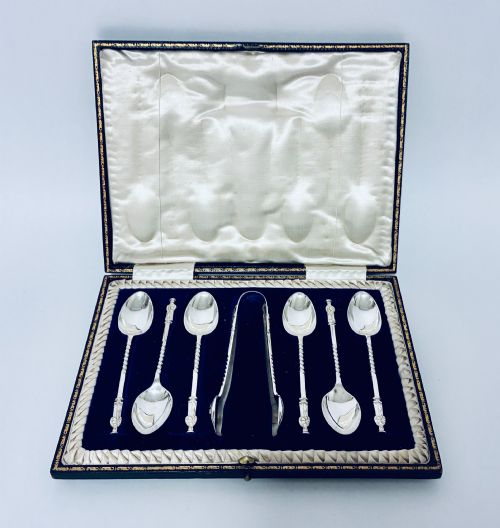
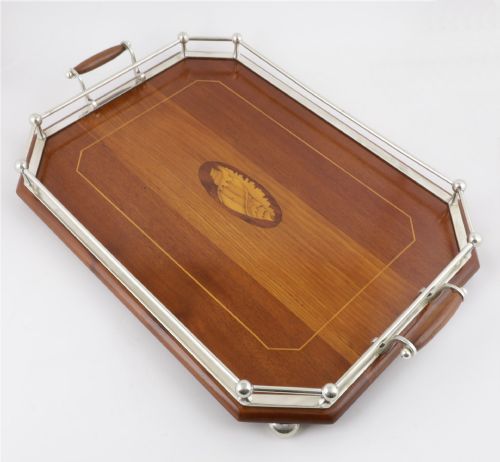
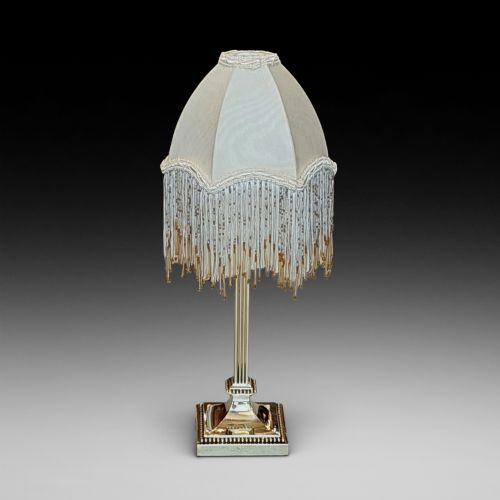
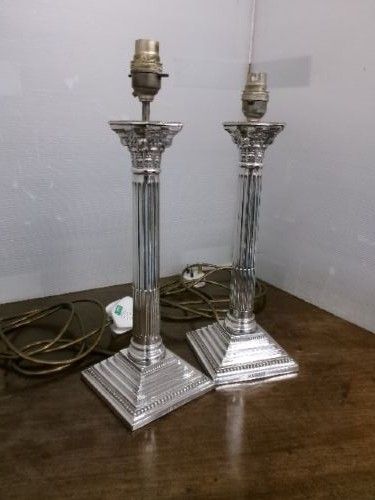
When exploring edwardian silver plate on this page, buyers frequently encounter serving trays, tea and coffee sets, biscuit barrels, and Corinthian column table lamps.
The objects derive largely from British manufacture, drawing on established stylistic revivals including Neoclassical, Art Nouveau, and Georgian influences alongside period Edwardian aesthetics.
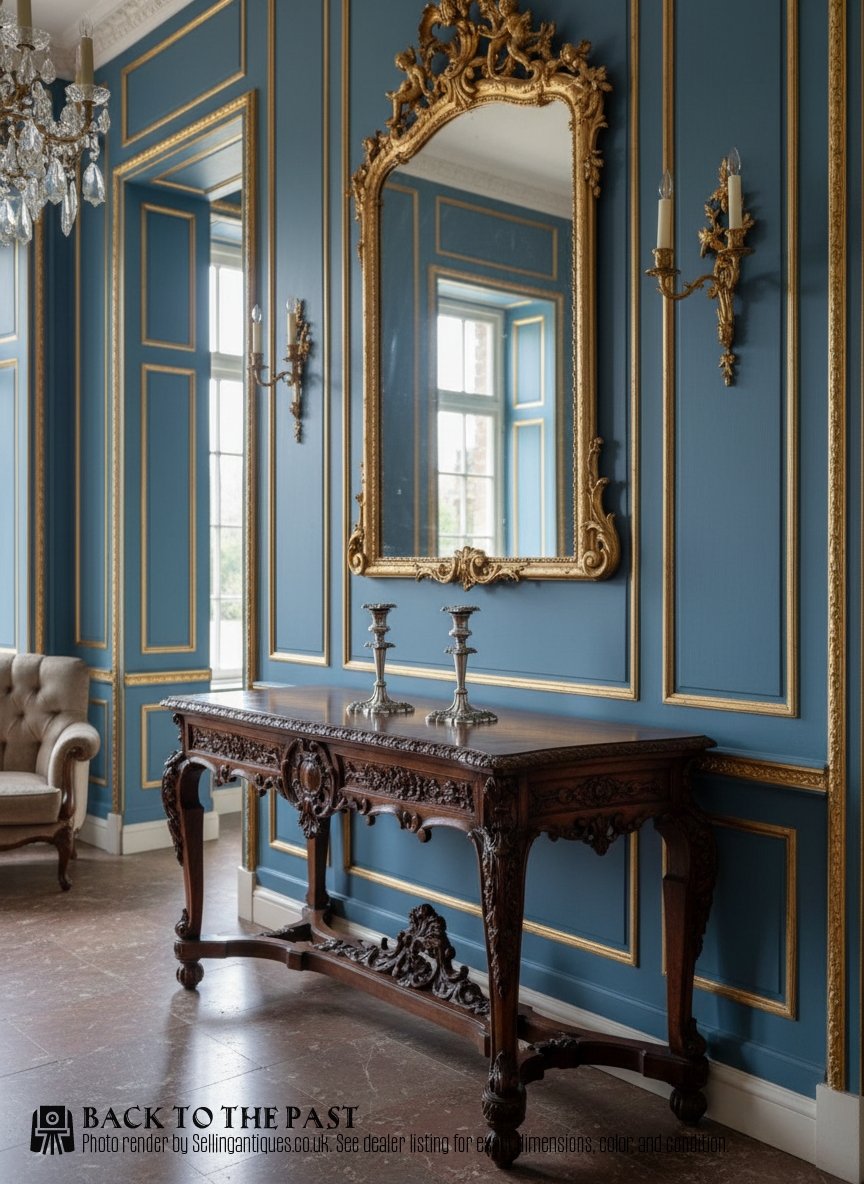
Materials and Technique
Production relied heavily upon electroplated nickel silver, commonly abbreviated as EPNS, which provided a durable base metal coat covered in a thin layer of pure silver.
Many items incorporate contrasting elements such as cut glass decanters, oak mounts, mother-of-pearl handles, and ceramic inserts to enrich the finished domestic objects.
Surface decoration was achieved through engraving, piercing, and cast ornamentation, particularly visible along the borders of gallery trays and the capitals of table lamps.
Edwardian Silver Plate Retail Price Guide 2026
Typical asking prices for edwardian silver plate among the pieces listed under this phrase on Sellingantiques today, from the lower quarter to the upper quarter. They describe what is for sale here now, not the wider market.
An unusual silver-plated novelty jug shaped like an owl with glass eyes gazes out from the Edwardian dining selections.
Assessing the Standard
Quality rests significantly upon the thickness of the original silver deposit and the integrity of the underlying base metal, which determines how well the plating endures through decades of use and cleaning.
The refinement of the casting and hand-engraving separates standard utilitarian pieces from superior productions, particularly in decorative details like floral chasing or pierced galleries.
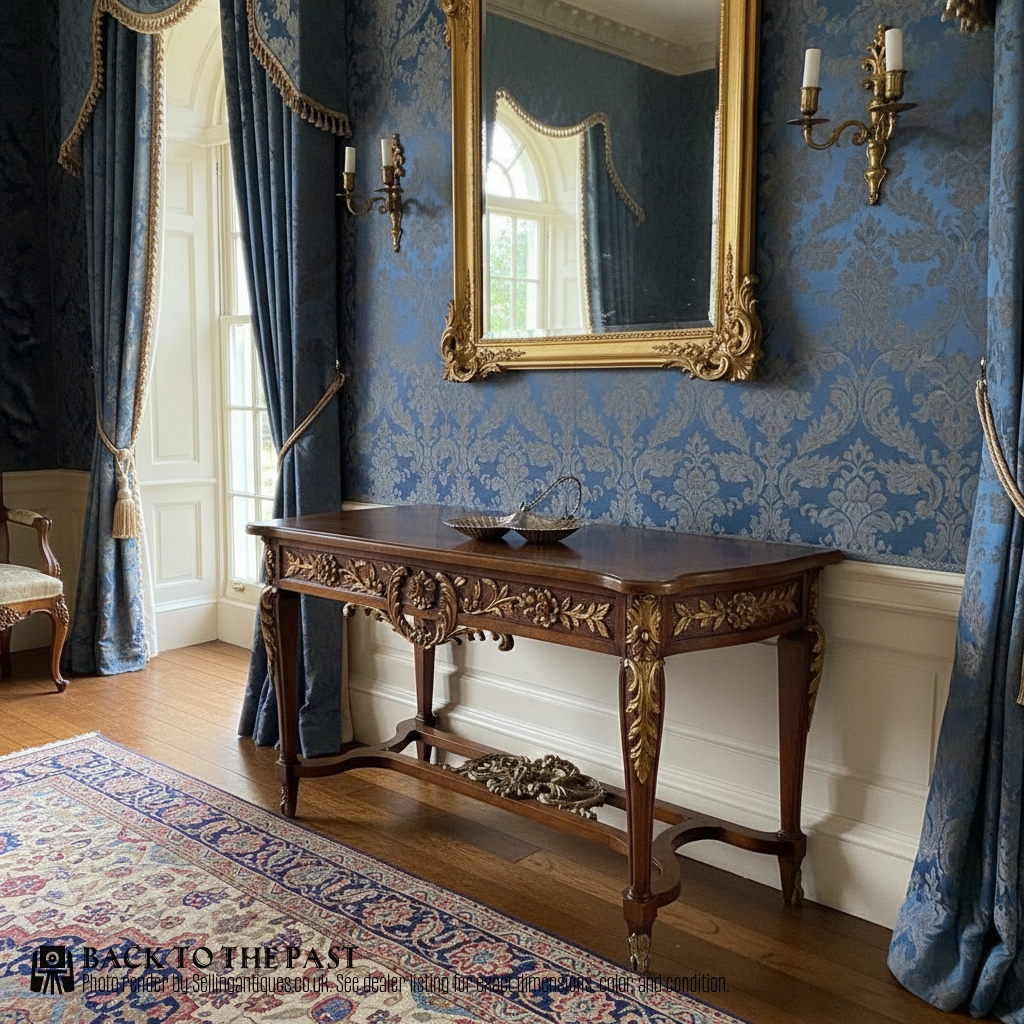
James Deakin·Mappin & Webb·William Hutton & Sons·Christofle·George W. Scott & Sons Ltd·James Dixon & Sons·Walker and Hall
The Edwardian Silver Plate Glossary
- EPNS
- Electroplated Nickel Silver. This designates a base alloy of copper, nickel, and zinc coated with silver through an electrolytic process.
- Gallery tray
- A serving tray fitted with a pierced or solid upright metal rim designed to prevent items from sliding off during transit.
- Claret jug
- A table vessel intended for serving wine, typically combining a glass body with a hinged silver-plated mount, handle, and pouring spout.
- Corinthian column
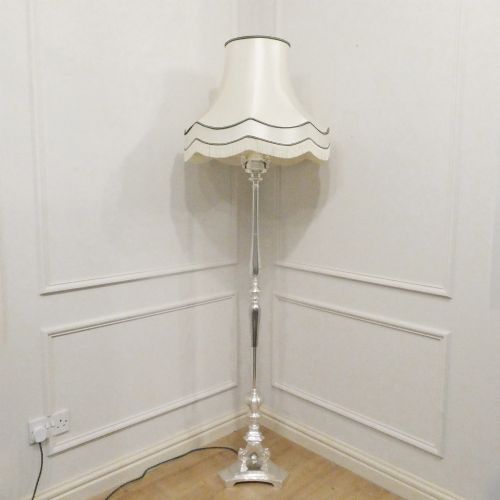
- An architectural column design frequently utilised for the shafts of Edwardian table and floor lamps, featuring ornate acanthus-leaf capitals.
Edwardian Silver Plate: Frequently Asked Questions
What is electroplated nickel silver?
This material serves as a strong base alloy composed of copper, nickel, and zinc that accepts a chemical bath of silver effectively.
The resulting combination offered households an affordable alternative to solid sterling silver while retaining a bright metallic appearance.
How were biscuit barrels used?
Victorian and Edwardian households placed these lidded containers on the dining or drawing room table to hold sweet biscuits for guests.
Many examples feature cut glass bodies paired with hinged silver-plated lids and fixed swing handles for easy carrying.
How can I date these items?
Examine the stylistic cues, such as flowing Art Nouveau motifs or restrained Neoclassical columns, alongside any visible maker stamps.
Most pieces date between the late Victorian era and the outbreak of the First World War, aligning with the broader Edwardian period.