

Edwardian Silver Casket
These pieces are an edwardian silver casket, holding small treasures with the weight and shine of genuine craftsmanship.
Edwardian Silver Casket
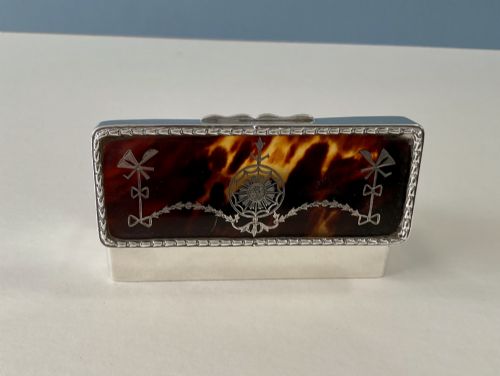
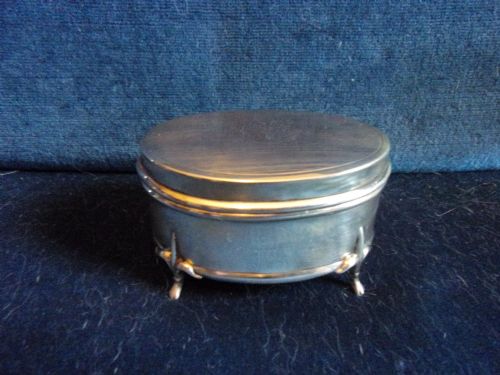
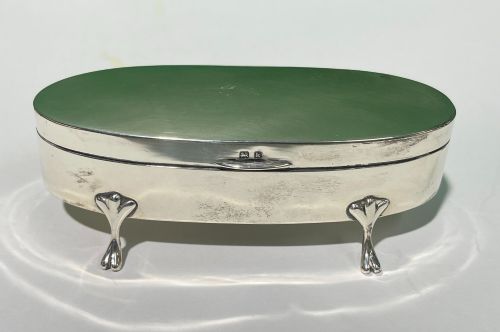
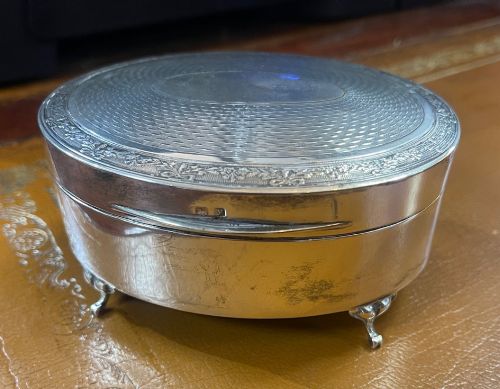
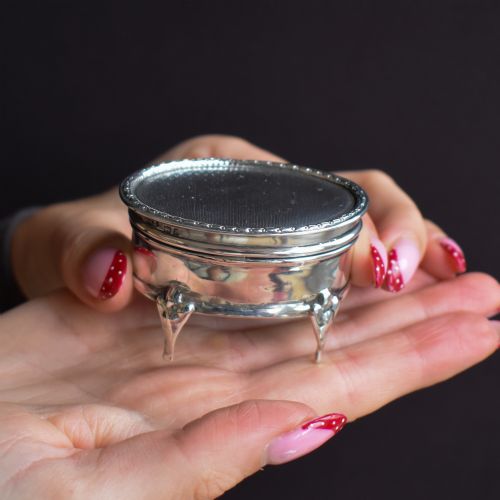
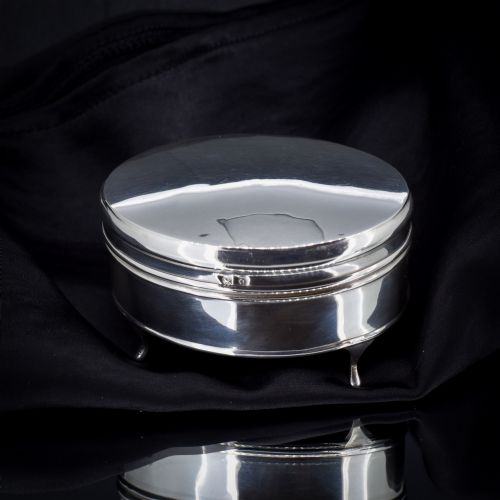
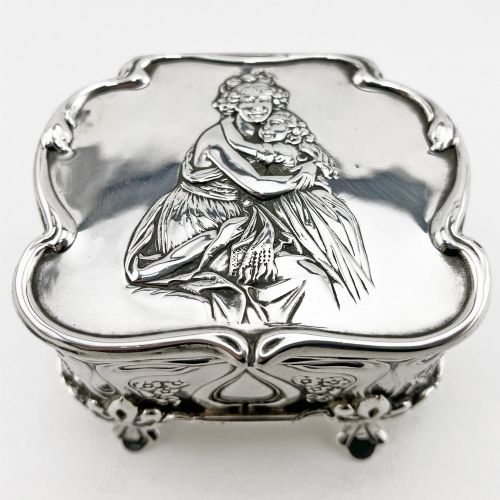
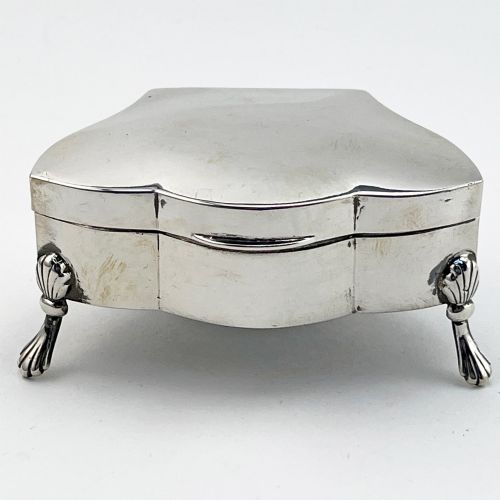
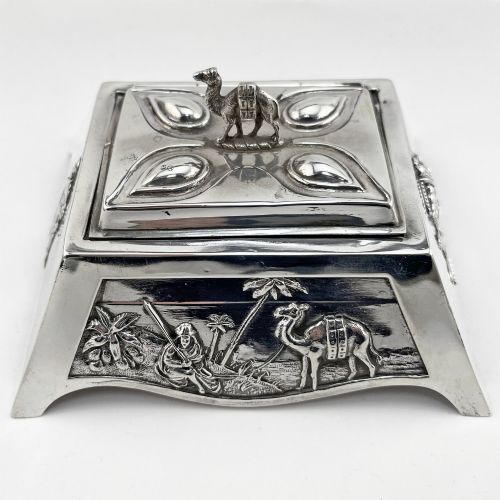
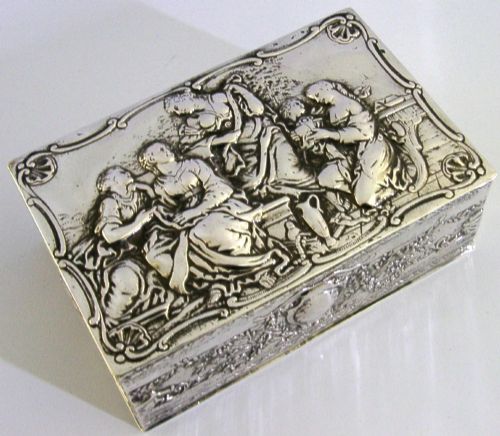
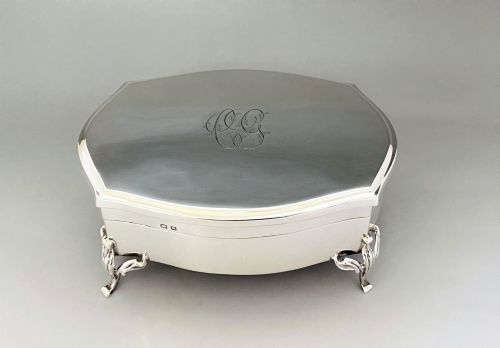
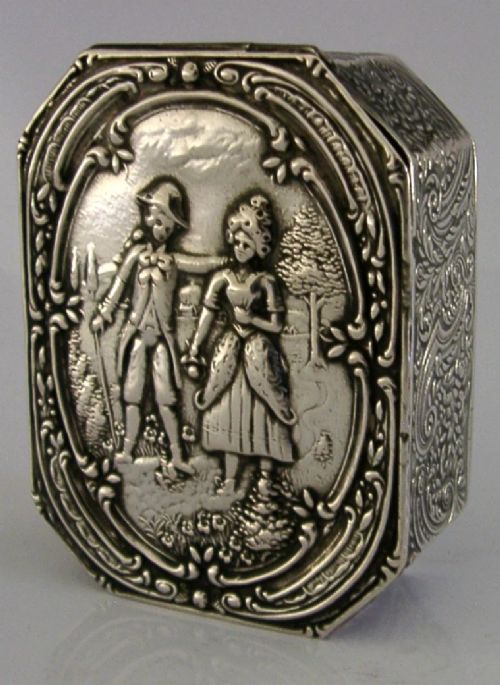
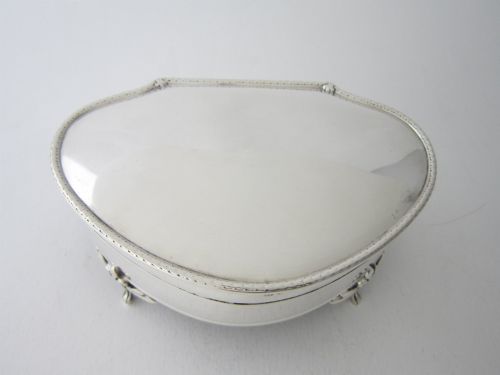
An edwardian silver casket takes many shapes on this page, appearing primarily as trinket boxes, jewellery boxes, ring boxes, and cigarette boxes. These items were designed for the dressing table or desk, intended to secure small valuables.
The pieces span the Edwardian period alongside adjacent Victorian and George V years, with origins stretching from English assay offices in Birmingham and Chester to German workshops and continental makers.
Materials and Technique
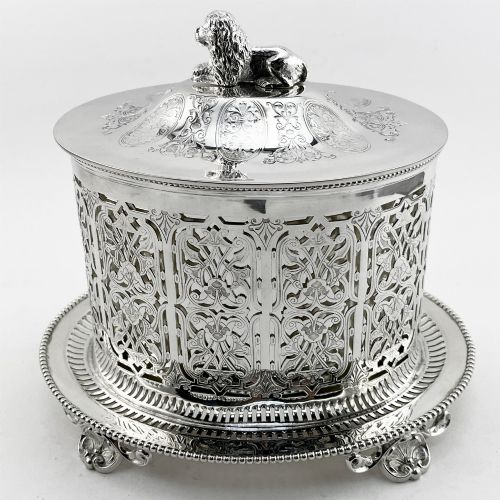
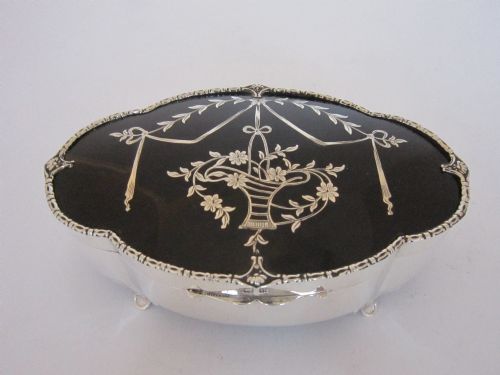
Silversmiths constructed these boxes using sterling silver, solid silver, and silver plate, often combining the metalwork with natural tortoiseshell, cut glass, oak, and ebonised wood. Interiors typically feature gilded surfaces or velvet linings.
Techniques range from cast relief decoration and engraved floral scrolls to smooth polished surfaces and fitted internal compartments.
Edwardian Silver Casket Retail Price Guide 2026
Typical asking prices for edwardian silver casket among the pieces listed under this phrase on Sellingantiques today, from the lower quarter to the upper quarter. They describe what is for sale here now, not the wider market.
One extraordinary box on record served as the launching casket for a Royal Navy submarine.
Assessing the Pieces
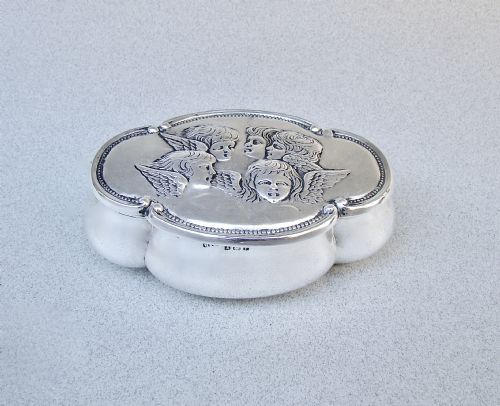
Quality rests in the crispness of the chasing, the snugness of the hinge, and the integrity of internal linings. Pieces featuring detailed cherub relief or intricate Art Nouveau whiplash lines demonstrate higher artistry.
The choice of secondary materials impacts the standard, where genuine tortoiseshell or hand-cut glass elevates a box above simpler metal versions.
William Comyns·William Hutton·A & J Zimmerman Ltd·William Neale & Sons·H. Matthews·Walker and Hall
The Edwardian Silver Casket Glossary
- Hallmark
- Official stamps struck into precious metals indicating the assay office, metal standard, and date letter. These marks allow collectors to date pieces precisely.
- Gilt
- A thin layer of gold applied to the interior silver surface of a box. This technique prevented the silver from tarnishing when exposed to cosmetics or powders.
- Tortoiseshell
- The mottled brown keratin shell of the hawksbill turtle used as an overlay panel on silver boxes. It provides a rich contrast to bright metalwork.
- Casket
- A decorative box with a hinged lid designed to hold valuables. Unlike simple utility boxes, caskets often feature substantial feet and ornate relief work.
- Potpourri box
- A small lidded container with a pierced or perforated top. It was designed to diffuse scents from dried flower petals across a room.
Edwardian Silver Casket: Frequently Asked Questions
How were these silver boxes used?
Original owners placed these caskets on dressing tables and desks to store rings, cufflinks, pins, and personal letters. They kept everyday treasures organised and secure in domestic spaces.
Larger versions accommodated cigars, playing cards, or trinkets, serving both decorative and practical functions in the Edwardian home.
How do I care for tortoiseshell panels?
Tortoiseshell requires gentle treatment to prevent drying and cracking over time. Keep tortoiseshell and silver away from direct sunlight and extreme temperature changes.
Dust the surface softly with a dry microfiber cloth and avoid harsh chemical cleaners that can damage the organic shell material.
What is the difference between a trinket box and a casket?
Trinket boxes generally refer to smaller, simpler containers meant for dressing table accessories. They often feature straightforward hinges and modest proportions.
Caskets describe more substantial decorative boxes, frequently raised on feet with elaborate relief work, embossed panels, or fitted velvet interiors.
How can I date an unmarked box?
Dating relies heavily on stylistic clues such as Art Nouveau whiplash curves, Arts and Crafts hand-beaten textures, or classical Edwardian floral scrolls. Comparing construction methods helps narrow the decade.
Most British pieces carry hallmarks with specific date letters, while continental or unmarked pieces require stylistic comparison with documented examples.