

Silver Table Casket
A silver table casket provides a sturdy tabletop vessel for jewellery, trinkets, and small valuables, bringing period craftsmanship into daily use.
Silver Table Casket
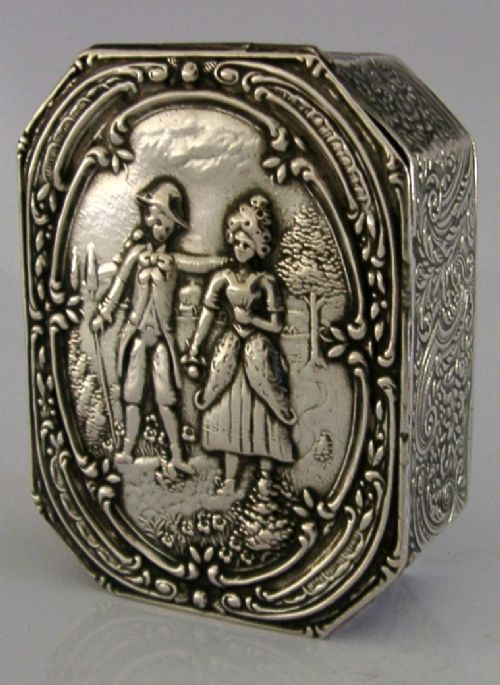
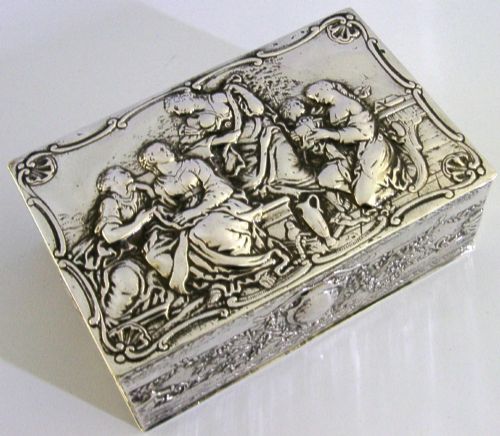
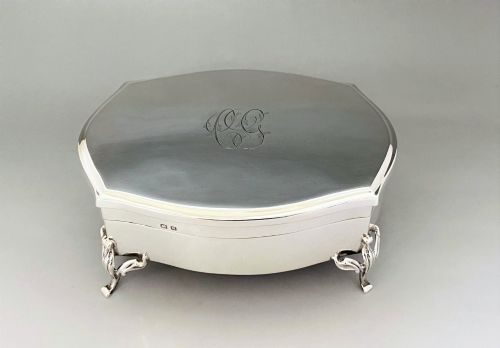
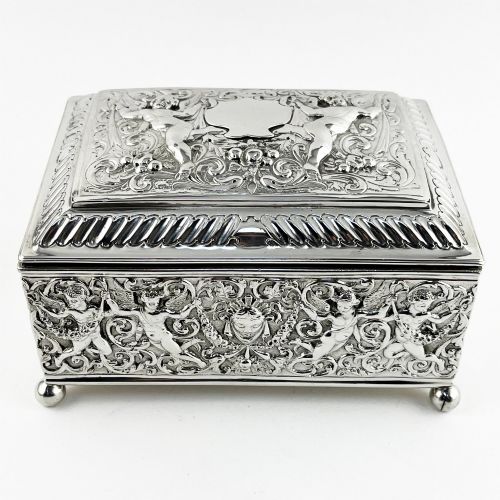
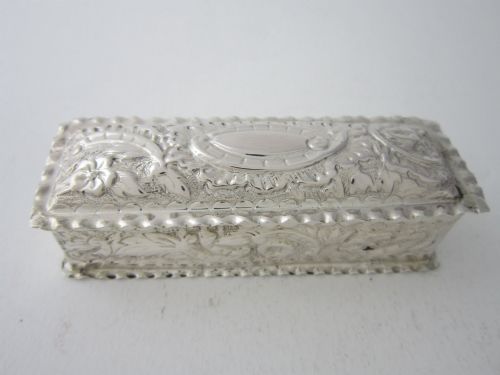
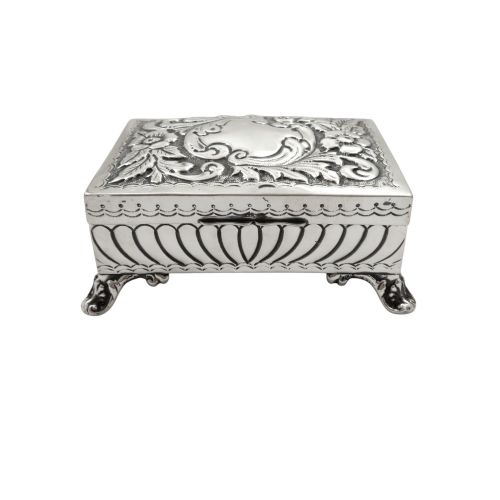
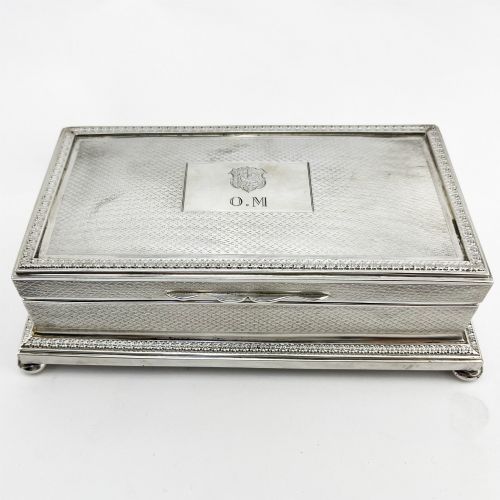
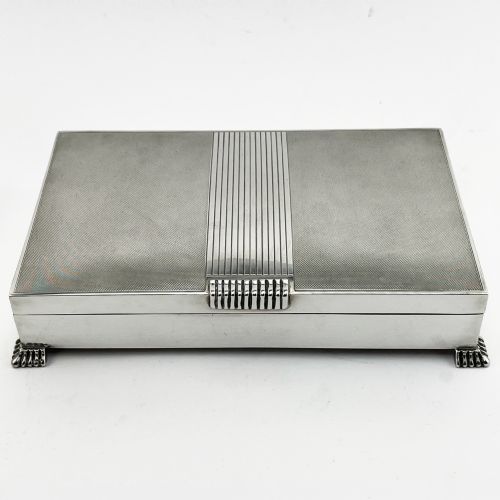
A silver table casket encompasses boxes designed for dressing tables, desks, and living spaces to hold rings, trinkets, jewellery, cigars, and playing cards. The forms span compact trinket receptacles to large caskets intended for prominent display.
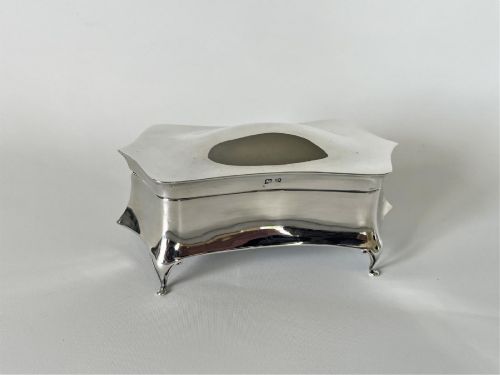
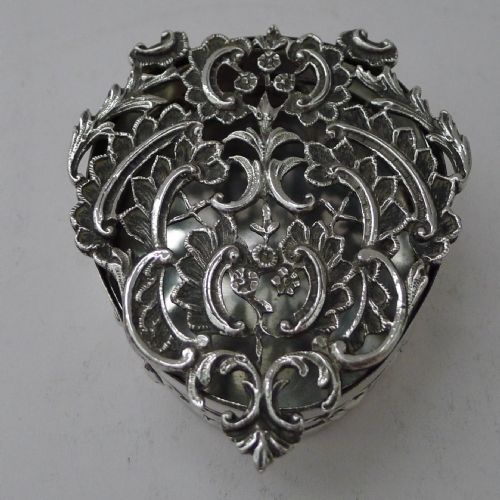
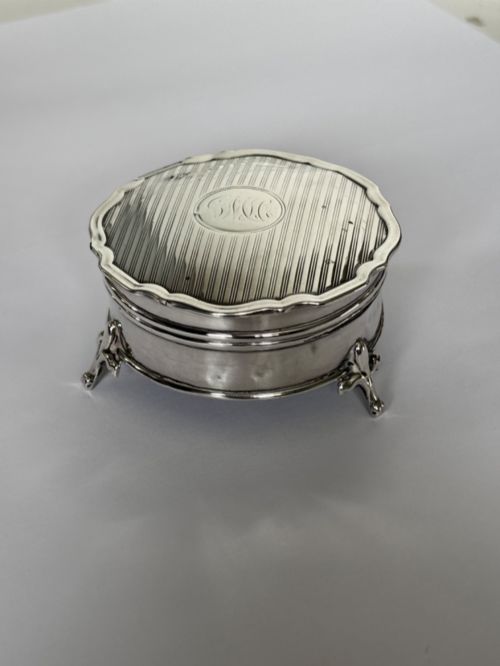
Victorian and Edwardian examples predominate, supplemented by pieces from the 1890s through the 1950s alongside continental European work. Makers produced rectangular, oval, heart, and coffin shapes to serve specific domestic storage needs.
The objects frequently double as decorative table pieces, incorporating varied materials like tortoiseshell, crystal, and enamel alongside solid sterling silver.
Materials and Technique
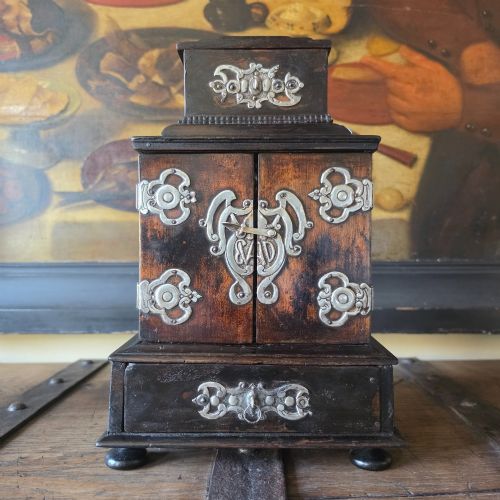
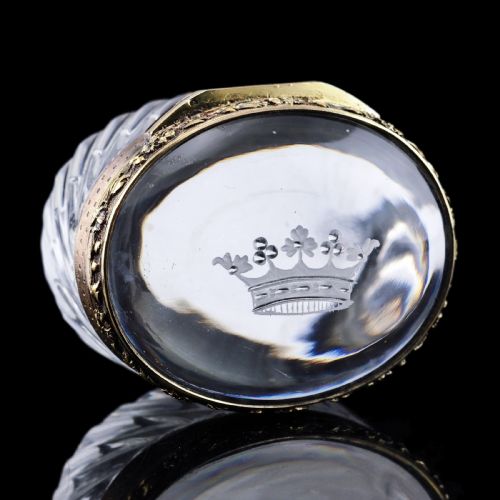
Silversmiths constructed the primary body using solid silver or sterling silver, often mounting the metal over wooden or ebonised foundations. Workshops also utilised cut crystal and glass, fitted with silver gilt mounts and hinged lids.
Decorative finishes include enamel, porcelain inserts, cameos, and gold appliques applied to the silver framework. Tortoiseshell panels appear inlaid or overlaid on silver frames, particularly on dressing table pieces.
Listings feature items spanning the eighteenth century through the 1950s, incorporating German Hanau, French, and British provincial output.
Quality and Execution
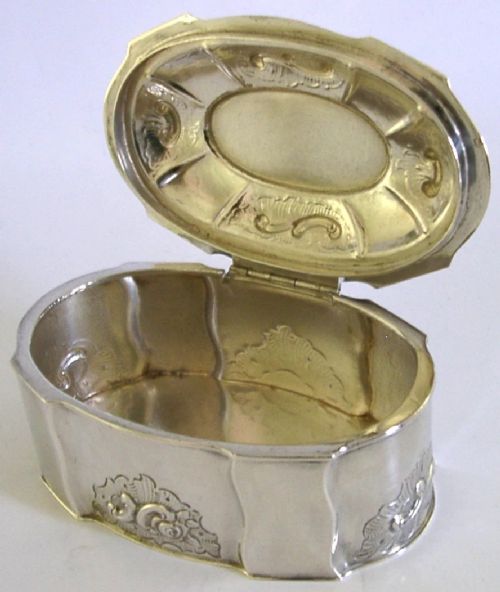
The standard of execution shows in the crispness of repoussé and chased ornament, particularly in Rococo Revival, Neoclassical, and Art Nouveau styles. Substantial metal weight and solid construction separate heavy presentation caskets from lighter trinket containers.
The integration of secondary materials such as tortoiseshell, cut crystal, and enamel indicates the maker's ambition. Maker attribution to notable workshops also influences the standing of individual pieces.
William Comyns·Mappin & Webb·William Hutton·Posen of Frankfurt and Berlin·William Neale & Sons
The Silver Table Casket Glossary
- Sterling silver
- A silver alloy containing 92.5 percent pure silver by mass, with the remainder usually copper. This standard appears on the majority of British boxes on this page.
- Silver gilt
- Silver that has been coated with a thin layer of gold on its surface. This technique provides a rich two-tone appearance on mounts and interior fittings.
- Tortoiseshell
- The shell of certain turtle species used historically for decorative veneering and panels on boxes. It appears combined with silver inlay and piqué work.
- Repoussé
- A metalworking technique where the silversmith hammers the metal from the reverse side to form a raised design in relief. It defines much of the ornamentation on Victorian and Edwardian boxes.
- Hallmark
- An official stamp or marks struck on items of precious metals to verify purity and origin. British pieces typically carry town marks, maker marks, and date letters.
Silver Table Casket: Frequently Asked Questions
What fits inside a silver table casket?
These boxes accommodate rings, necklaces, brooches, and smaller personal valuables. Larger variants serve for cigars, playing cards, or desk accessories.
Interior linings often feature velvet or silk to protect delicate items during storage and retrieval.
How do I date an antique silver box?
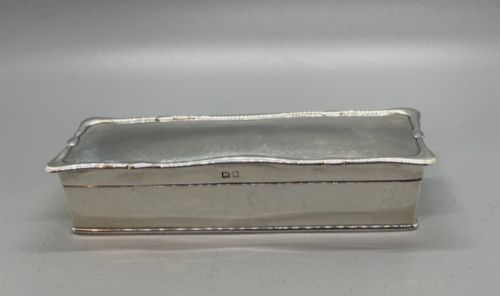
British pieces carry hallmarks that indicate the assay office, standard, and exact year of manufacture through designated date letters. Makers' marks help identify the specific silversmith workshop.
Stylistic cues such as Art Nouveau sweeping lines or Victorian Rococo scrolls offer additional chronological guidance when hallmarks are absent.
Where should I place a table casket?
Boxes suit placement on dressing tables, mantelpieces, sideboards, and coffee tables where their decorative surfaces remain visible. They function as both storage containers and sculptural display objects.
Keeping them away from direct sunlight protects organic materials like tortoiseshell and fabric linings from fading.
How do I care for silver and tortoiseshell?
Clean sterling silver gently with a specialist microfibre cloth to remove tarnish without abrading chased details. Avoid harsh chemical dips that damage fitted linings and secondary materials.
Tortoiseshell requires dry dusting and protection from extreme temperature fluctuations to prevent warping or cracking.