


Edwardian Portrait Miniature
An edwardian portrait miniature offers an intimate glimpse into the past through delicate hand-painted likenesses framed for personal devotion.
What They Are
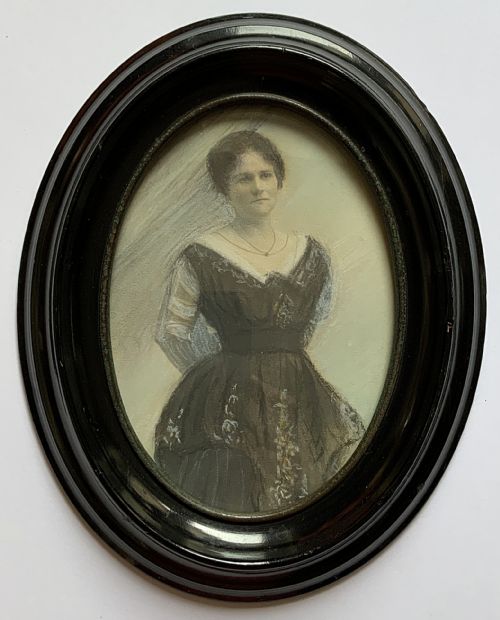
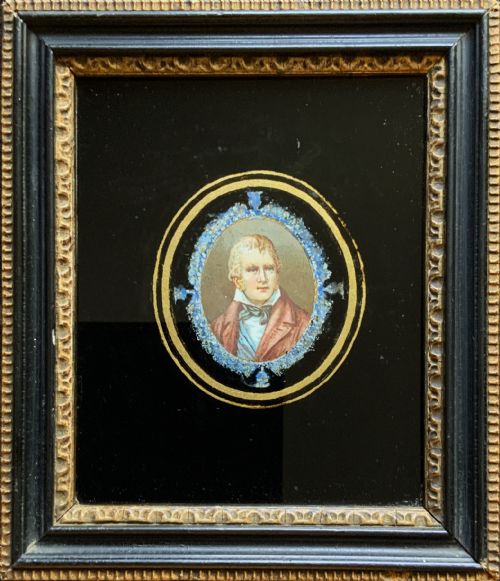
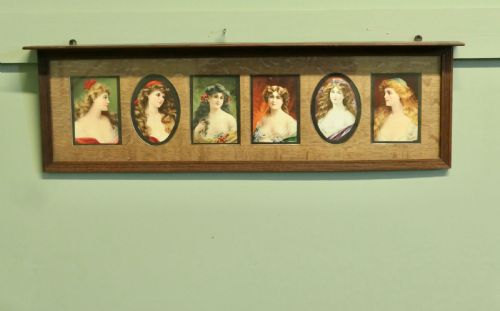
An edwardian portrait miniature captures the likeness of an individual on a small scale, usually intended for private display or personal carriage. These pieces span the 19th Century and the Edwardian period, recording subjects from young girls to notable military commanders.
The format appears in several distinct forms within the evidence, including single framed pieces, matching pairs depicting husbands and wives, and works annotated to the rear with dates and the personal histories of the subjects.
Buyers most frequently encounter miniature paintings and portrait miniatures created during the late 19th Century and the Edwardian era. These items preserve intimate personal histories through surviving paper, watercolour paper, and celluloid surfaces.
How They Were Made
Makers produced these portrait miniatures using fine watercolour paints applied to specialist surfaces such as watercolour paper, standard paper, and celluloid. This technique allowed artists to achieve remarkable facial detail and tonal nuance despite the diminutive scale.
Finished paintings required protective housings, leading to the use of glass to cover the delicate pigment. Makers mounted these works within surrounds fashioned from silver, velvet, and wood to create complete portable or wall-hanging objects.
Husband and wife pairs occasionally survive together, silently continuing their domestic arrangement inside matching frames.
What Varies in Quality
The quality of the accompanying housing reflects the status of the original commission, with solid silver frames and tactile velvet backings elevating the presentation above basic wooden mounts. Surviving manuscript annotations providing the history of the subjects add considerable documentary interest to individual pieces.
The Edwardian Portrait Miniature Glossary
- Portrait Miniature
- A small-scale painting depicting a specific person, traditionally executed with fine detail on paper or ivory. These objects were designed for private contemplation or intimate display.
- Celluloid
- An early semi-synthetic plastic material utilised as a painting surface in place of traditional ivory or paper during the late Victorian and Edwardian eras. It provided a smooth, stable ground for delicate watercolours.
- Watercolour Paper
- Heavy absorbent paper manufactured specifically to hold wet pigment without warping. The texture of the paper often influences the finished quality of the miniature painting.
- Annotation
- Handwritten notes placed on the reverse of a frame or backing board. These inscriptions frequently record dates, names, and biographical details regarding the subject depicted.
Frequently Asked Questions
What is an edwardian portrait miniature?
An edwardian portrait miniature is a small-scale hand-painted likeness produced during the early twentieth century.
These pieces typically depict individuals and are housed in protective frames made of silver, wood, or velvet.
How were these miniature paintings displayed?
Makers designed these small artworks to be hung on walls or kept close at hand for private viewing.
Many examples feature hanging loops or sturdy backings suited for domestic display in intimate spaces.
Can I identify the person portrayed?
Some pieces include handwritten annotations to the rear that record the names and dates of the subjects.
Other portraits remain anonymous unless accompanied by historical documentation or family provenance.
What materials make up the frames?
Frames for these miniatures incorporate materials such as polished silver, tactile velvet, and turned wood.
A glass panel protects the delicate watercolour surface from dust and handling.