






Edwardian Painted Tray
An edwardian painted tray brings hand-applied colour and decorative flourish into a room, offering a functional surface with rich period character.
Edwardian Painted Tray
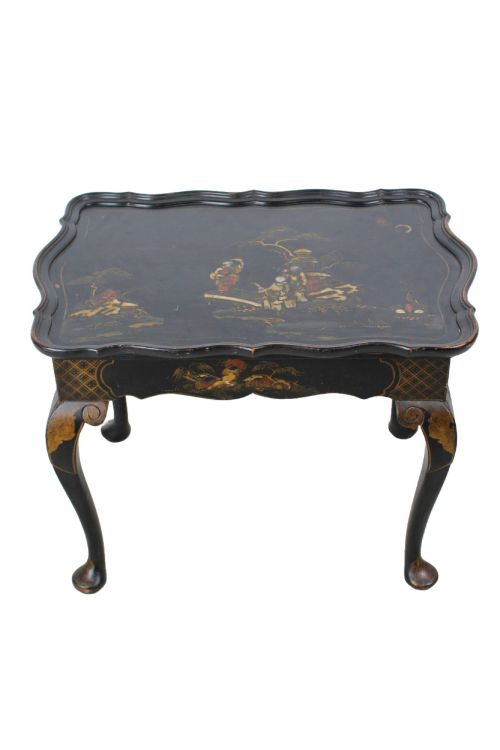
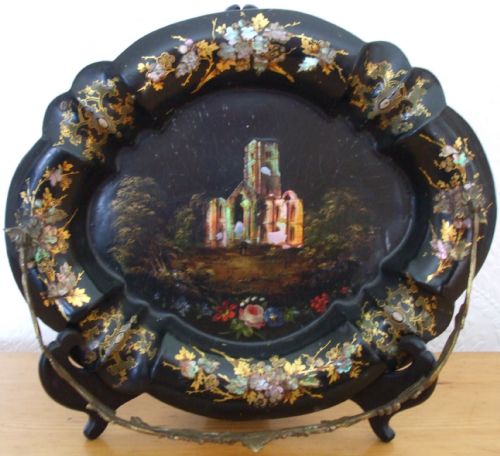
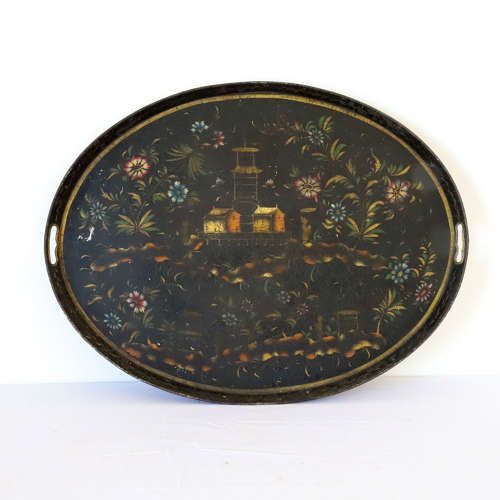
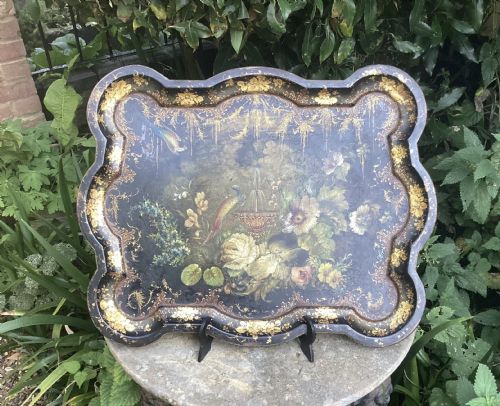
When you search for an edwardian painted tray, you find decorative surfaces and serving pieces that often feature floral sprigs, Chinoiserie motifs, or classical scenes. These items emerge from periods spanning the Victorian era through the early twentieth century, though the Edwardian examples dominate the aesthetic.
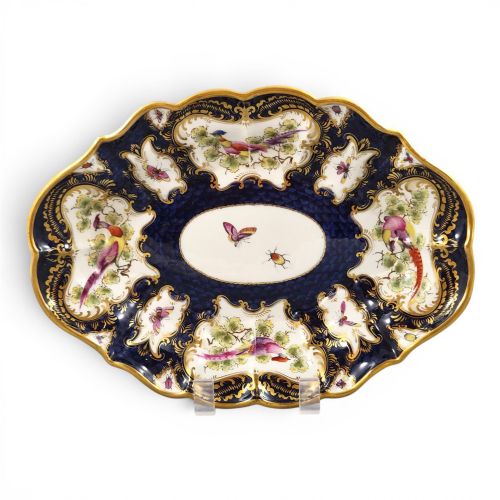
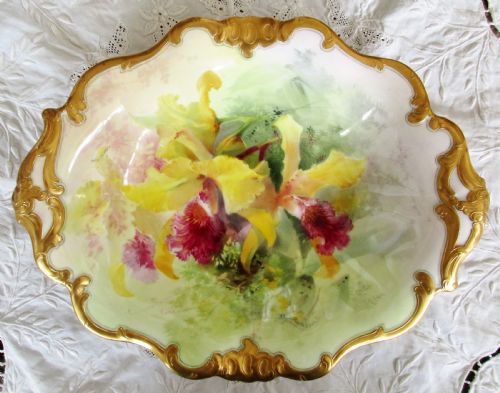
The selection includes low coffee tables built from converted trays, standalone lacquer trays, and porcelain cabinet dishes or dessert dishes bearing hand-painted details. Many pieces pair wood or papier-mâché with gilt embellishment, enamel, and lacquer.
Originating from English and continental workshops, these items serve both practical functions and display purposes. You will encounter everything from satinwood bedside furniture to delicate porcelain breakfast sets alongside the core trays.
How they were made
Craftsmen built these pieces using satinwood, papier-mâché, cast iron, and porcelain, applying paint, enamel, and gold leaf by hand. Lacquer surfaces received meticulous hand-decoration, particularly in Chinoiserie styles featuring intricate pictorial scenes.
Porcelain and earthenware items utilised detailed overglaze painting, executed by skilled artists who signed their floral and fruit studies. Gilding and gilt embellishment framed these painted scenes, requiring precise brushwork and controlled kiln firing.
Materials documented across the inventory include porcelain, satinwood, lacquer, gold leaf, enamel, and cast iron.
What varies in quality
The finesse of the hand-painting dictates the upper tier of the range, where named artists executed botanical studies or pictorial scenes with distinct depth and precision. Lesser examples display repetitive, mechanical brushwork without individual artistic nuance.
Materials and structural integrity separate fine pieces from standard ones, notably in the choice of timbers like satinwood and the preservation of original lacquer and gilt surfaces. Wear to the painted decoration or later overpainting diminishes the integrity of the piece.
Royal Worcester·Royal Doulton·Royal Crown Derby·Wedgwood·HR Quimper
The Edwardian Painted Tray Glossary
- Chinoiserie
- European decorative style reflecting Chinese artistic traditions, often featuring landscapes, figures, and gilt motifs on a lacquered background.
- Satinwood
- A durable hardwood with a lustrous, golden-yellow sheen, frequently utilised for fine Edwardian furniture and decorative trays.
- Toleware
- Painted or lacquered metalware, commonly tin, finished with pigmented enamels and often accented with gold leaf.
- Cabinet dish
- A decorative ceramic plate intended for display rather than dining, frequently painted with botanical or figurative subjects.
- Gilt
- A thin layer of gold applied to surfaces such as porcelain, metal, or wood to provide metallic highlights.
Edwardian Painted Tray: Frequently Asked Questions
How do I clean an antique painted tray?
Dust the surface gently with a soft, dry cloth to remove daily particles without disturbing the finish.
Avoid liquid cleaners, moisture, and chemical polishes entirely, as these substances damage delicate paint, enamel, and gold leaf.
Can I use these trays for serving food?
Most antique painted trays serve primarily as decorative objects or display pieces rather than functional tableware.
Moisture, heat, and acidic foods can permanently stain or lift historic lacquer, paint, and gilt embellishments.
What is the difference between Edwardian and Victorian trays?
Victorian pieces often lean towards heavier papier-mâché, dark lacquer, and ornate Rococo Revival or floral ornamentation.
Edwardian examples frequently showcase lighter satinwood frames, brighter palettes, and refined Sheraton Revival or Chinoiserie aesthetics.
How can I identify a hand-painted piece?
Examine the surface under magnification to check for varied brush strokes, pigment thickness, and slight human irregularities.
Printed transfers show microscopic dot patterns or flat, uniform ink application, whereas genuine hand-painted work reveals distinct pigment layering.