




Edwardian Painted Dresser
An edwardian painted dresser brings character and practical surface space to a room, combining period form with decorative painted finishes.
Edwardian Painted Dresser
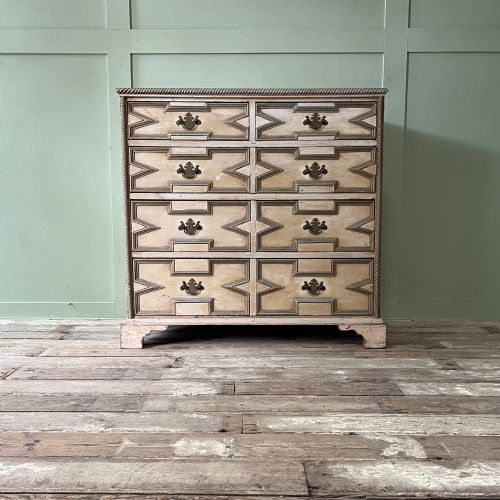
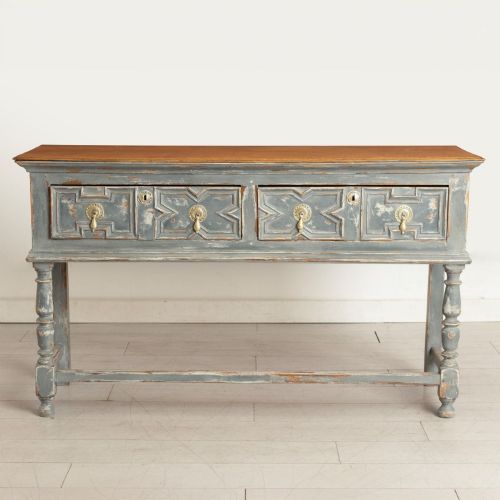
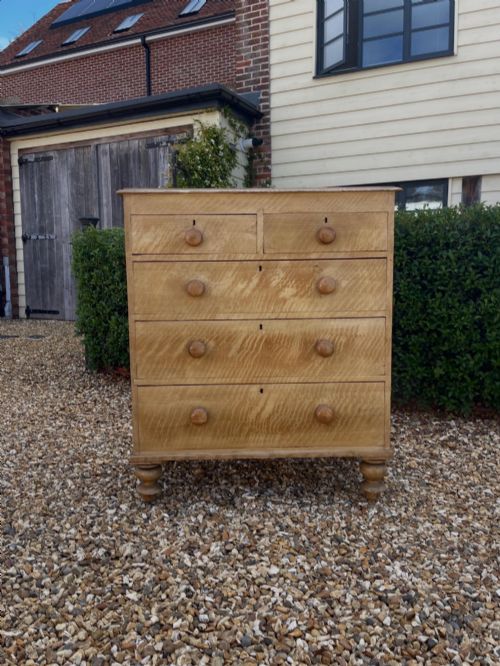
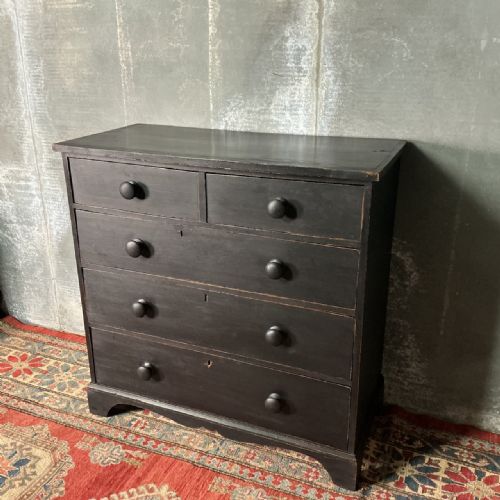
An edwardian painted dresser encompasses kitchen dressers, dresser bases, and related painted storage forms dating from around the early twentieth century. Buyers seeking this phrase encounter pieces executed in pine, oak, and various wood surfaces carrying historical paint finishes, alongside related chests and commodes.
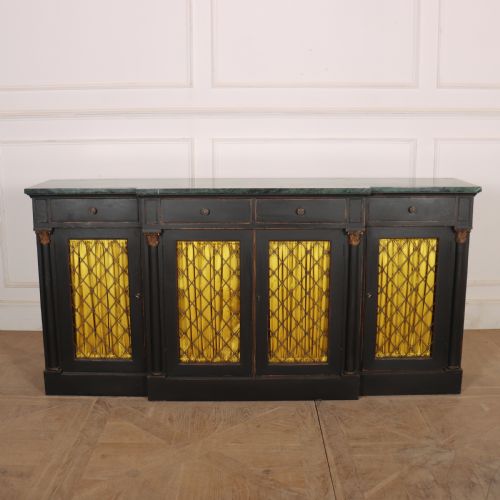
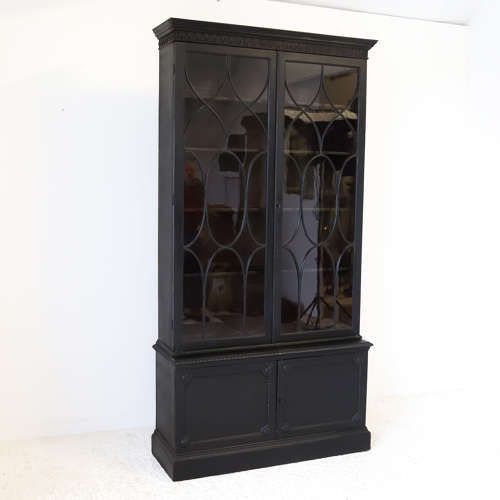
The selection ranges from country house pine dressers with racks to refined Sheraton Revival and Japanned pieces, reflecting diverse decorative impulses of the period. Forms include breakfront bases and mirrored cabinets, often displaying regional English, Swedish, or Italian influences.
While strict Edwardian dates anchor many listings, the broader grouping includes late Victorian and interwar pieces sharing similar painted aesthetics. These items function primarily as storage and display units, valued for their decorative presence as much as their utility.
Materials and Construction
Construction relies heavily on traditional timber carcasses, predominantly pine and oak, shaped into drawers, bases, and accompanying plate racks. Surfaces are finished with layered paint, ranging from pale cream and black schemes to original decorative schemes and Venetian scenes.
Detailing incorporates applied brass hardware, glass panels, ceramic tile inserts, and majolica panels that punctuate the painted wood surfaces. Joinery follows standard period cabinet-making practices appropriate to utilitarian and decorative household furniture.
A powder box with Limoges ceramic makes a surprise appearance among the large timber furniture.
Quality and Distinction
Quality rests upon the integrity of the original paint surface and the balance of proportions within each dresser base or cabinet. Pieces retaining untransformed historical paint finishes hold greater interest than those subjected to later overpainting.
The sophistication of decorative elements, such as hand-painted scenes or integrated majolica and ceramic panels, elevates certain examples above simpler utility furniture. Finer execution in the cabinetwork and the preservation of original brass fittings further distinguish superior pieces.
Sir Clough Williams-Ellis
The Edwardian Painted Dresser Glossary
- Dresser base
- A lower sideboard-like cabinet featuring drawers and cupboards, historically used for food preparation and storage.
- Japanned
- European furniture decorated with imitation East Asian lacquered finishes, popular in various forms across multiple stylistic revivals.
- Majolica
- Opaque tin-glazed earthenware featuring colourful lead glazes, often utilised as decorative inset panels on cabinet doors.
- Breakfront
- A piece of furniture where the central section projects forward from the flanking outer sections.
- Sheraton Revival
- A late nineteenth and early twentieth century style drawing on the neoclassical designs of Thomas Sheraton, often utilising satinwood and delicate painted ornamentation.
Edwardian Painted Dresser: Frequently Asked Questions
What is an edwardian painted dresser?
An edwardian painted dresser is a storage piece, typically comprising a lower base with drawers or cupboards and sometimes an upper plate rack, finished in decorative paint.
These items reflect the diverse aesthetic tastes of the early twentieth century and late nineteenth century, spanning rustic country house pine to refined revival styles.
How do I date a painted dresser?
Dating relies on timber selection, construction methods, and stylistic cues such as revival details or specific paint formulations seen across the period listings.
Comparing hardware, secondary woods, and decorative panels like majolica helps place a piece within its approximate manufacturing decade.
Are painted finishes original?
Listings distinguish between original paint finishes, historical decorative schemes, and pieces offering a surface prepared for future waxing or painting.
Examining the wear patterns and underlying timber preparation helps determine the history of the surface finish.
Where were these dressers made?
The available pieces originate primarily from English workshops and country houses, alongside continental examples showing Swedish or Italian stylistic influences.
Regional preferences account for variations in timber choice, such as pine versus oak, and the specific character of the painted decoration.