


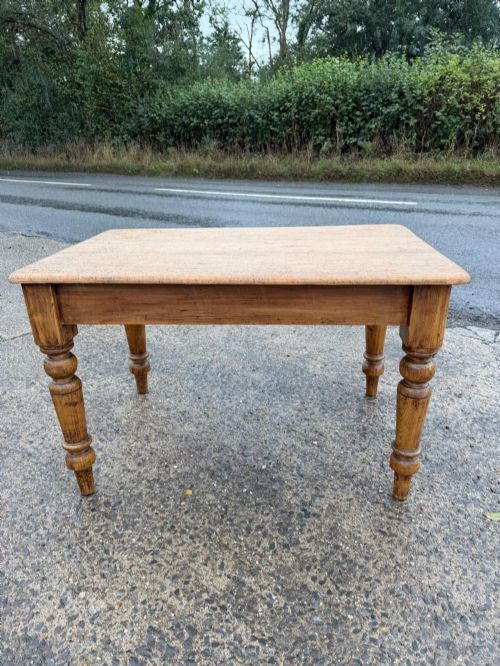
Edwardian Furniture Drawers
Edwardian furniture drawers bring practical storage and refined period character into a room through thoughtfully proportioned timber construction.
Edwardian Furniture Drawers
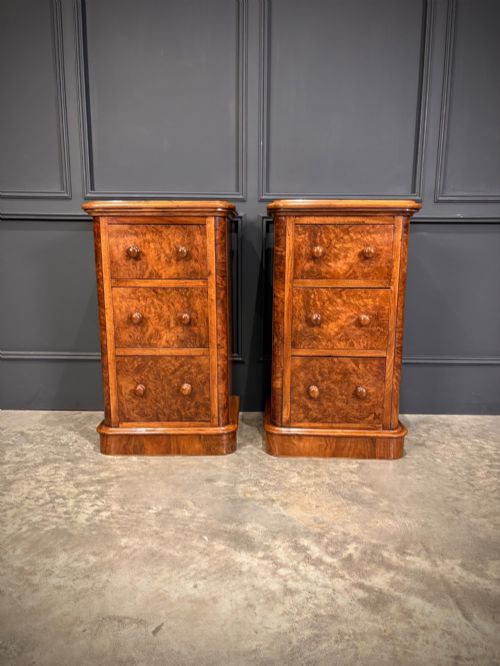
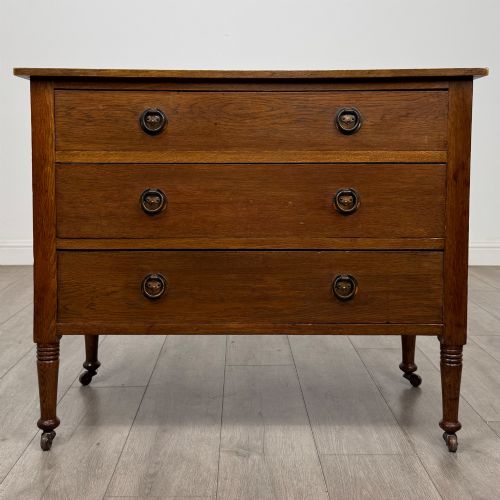
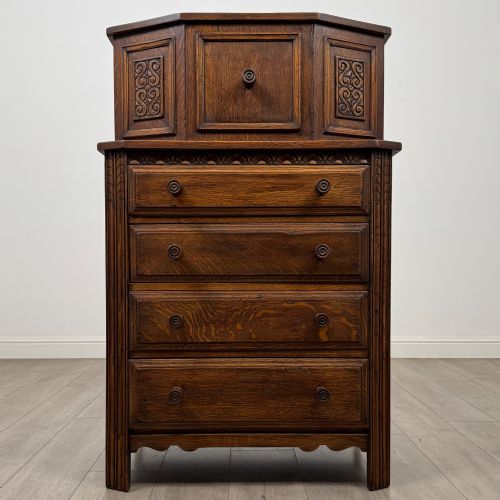
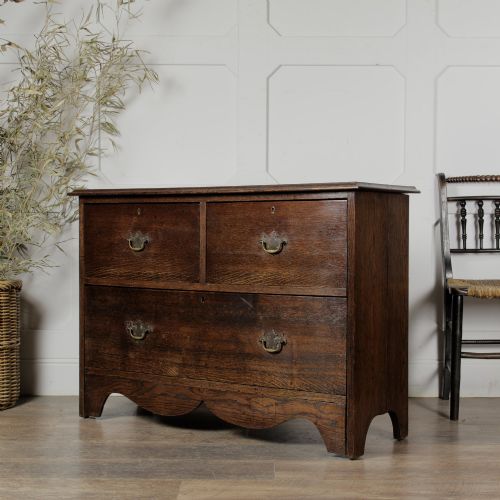
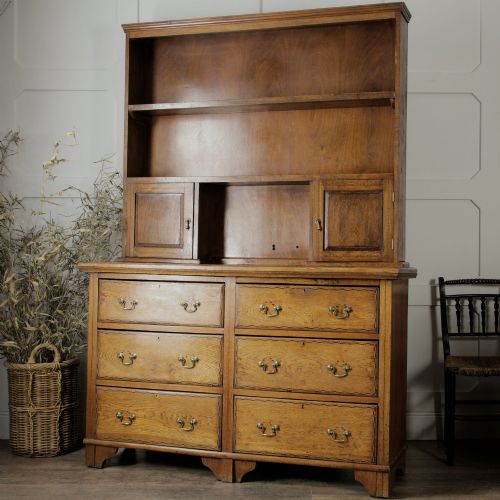
When searching for edwardian furniture drawers, buyers encounter a diverse selection of pieces built primarily during the Edwardian period, alongside related Victorian and early twentieth-century examples. The selection spans standard bedroom chests of drawers, tallboys, bedside cabinets, and specialised filing drawers.
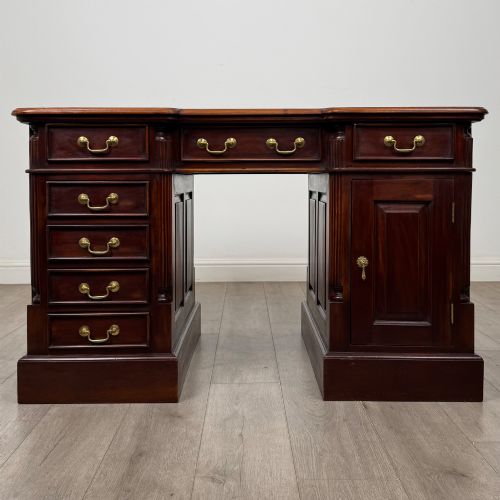
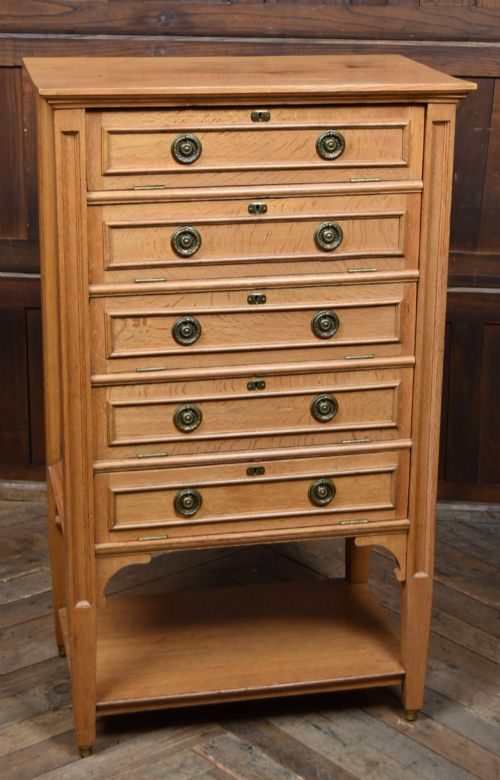
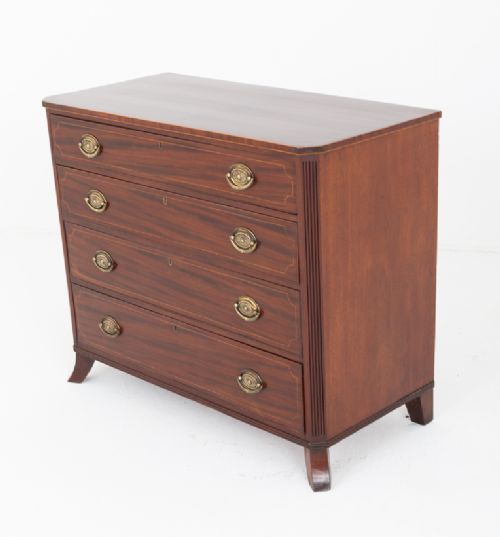
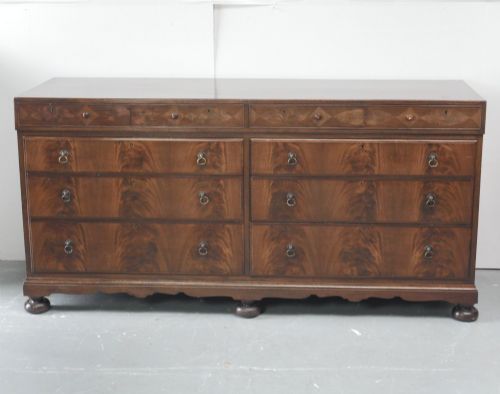
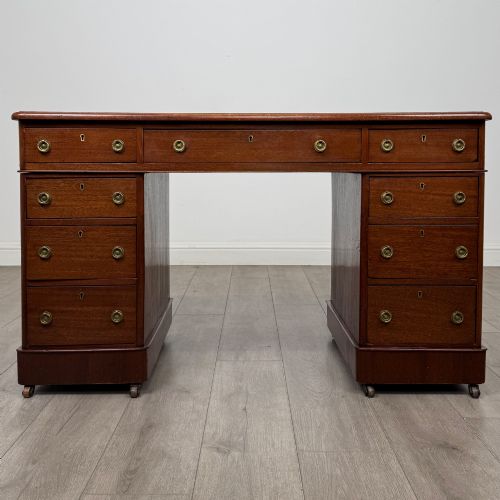
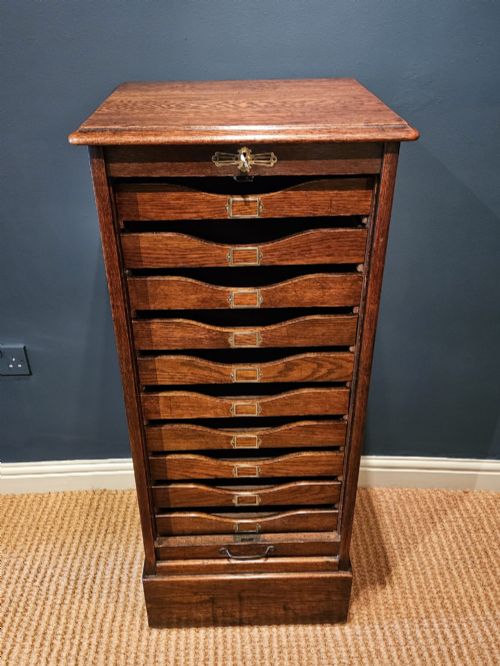
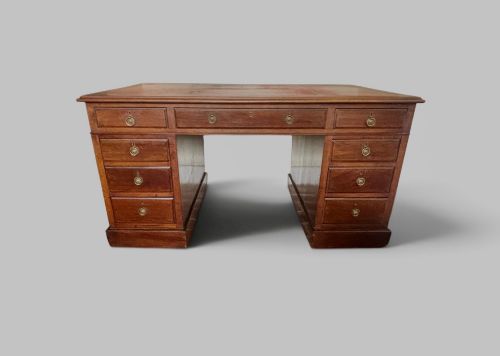
The forms range from compact walnut bedside chests and solid oak filing cabinets to large mahogany pedestal desks and bow-fronted chests of four drawers. Many items incorporate revival styles, including Queen Anne and Georgian influences, alongside Arts and Crafts designs executed in ash or oak.
Originating predominantly from the late nineteenth and early twentieth centuries, these storage pieces reflect the domestic requirements of the era through functional compartments, tambour fronts, and fitted brushing slides.
How they were made
Cabinet makers utilised a variety of solid timbers and veneers, predominantly mahogany, oak, and walnut, frequently enhanced with satinwood or burr walnut figure. Brass hardware, leather inserts, and candle sconce mounts appear as functional and decorative details across desks and chests.
Construction techniques combine solid timber framing with dovetailed drawer boxes and occasionally painted finishes. Specialised pieces such as tambour front cabinets and military campaign chests demonstrate precise joinery designed for daily utility.
Wellington chests conceal a locking side pilaster that secures every drawer simultaneously with a single turn of the key.
What varies in quality
The grade of timber selection and figure sets individual pieces apart, particularly where figured mahogany, burr walnut, or honey oak display deliberate grain patterns. Superior examples show careful attention to proportions, such as narrow tallboy configurations or bow-front profiles.
Makers' marks and attribution to established firms like Jas Shoolbred, Whytock & Reid, or Warings Liverpool elevate the standing of a piece. The integration of specialised hardware, secondary woods, and refined inlay work distinguishes standard utility items from higher workshop productions.
Whytock & Reid·Sir Clough Williams-Ellis·Jas Shoolbred·Warings Liverpool
The Edwardian Furniture Drawers Glossary
- Tallboy
- A tall chest of drawers, often comprising a smaller chest stacked upon a larger base, designed to maximise vertical storage space.
- Tambour
- A flexible shutter door formed of narrow strips of wood glued to a canvas backing, sliding in grooved tracks to conceal interior filing or shelving.
- Pedestal desk
- A freestanding writing table supported by two pedestals containing banks of drawers beneath the main work surface.
- Campaign chest
- A modular chest of drawers built in sections with recessed brass pulls and corner brackets, originally designed for easy transport by military officers.
Edwardian Furniture Drawers: Frequently Asked Questions
How do I identify Edwardian furniture drawers?
Edwardian pieces typically date from the period around 1901 to 1910, often displaying lighter timber tones, cleaner lines, and simpler ornamentation than their Victorian predecessors.
They frequently draw inspiration from earlier Georgian and Queen Anne styles while retaining the practical domestic scaling characteristic of the early twentieth century.
What is the difference between oak and mahogany chests?
Oak chests tend to feature prominent grain patterns and feature heavily in Arts and Crafts or utilitarian office designs. Mahogany versions often showcase a smoother reddish-brown surface suited to formal bedrooms and formal reception rooms.
Both timbers provide structural durability, but they project distinct aesthetic qualities depending on the chosen revival style.
Were these drawers used in offices or homes?
The inventory includes both domestic bedroom furniture and pieces designed for professional environments, such as tambour front filing cabinets and pedestal desks.
Bedside chests and music cabinets served specific household rooms, whereas multi-drawer filing units accommodated administrative paperwork.
How should I care for antique wood drawers?
Maintain timber surfaces by avoiding direct sunlight and excessive temperature fluctuations that can dry out old veneers. Occasional application of appropriate wax polish helps preserve the finish without sealing the wood permanently.
Ensure drawers remain lightly loaded and slide evenly on their runners to prevent unnecessary wear to historical joints.