
Painted Storage Furniture
Painted storage furniture brings together practical utility and decorative surface, offering cabinets, chests, and wardrobes dressed in regional colour or lacquer.
Painted Storage Furniture
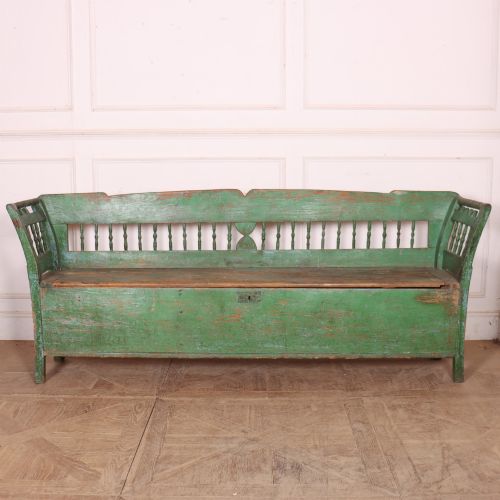
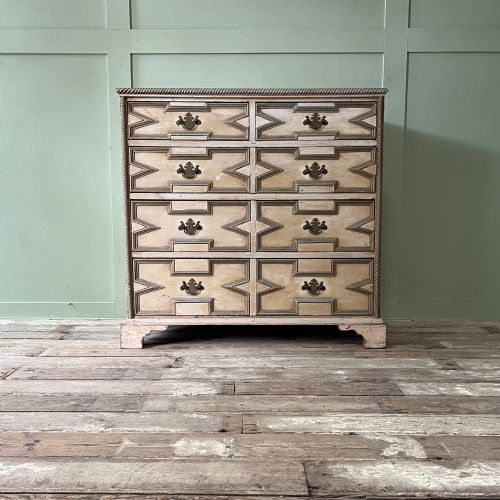
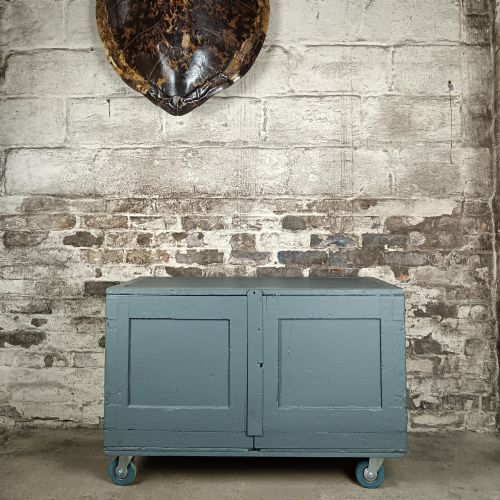
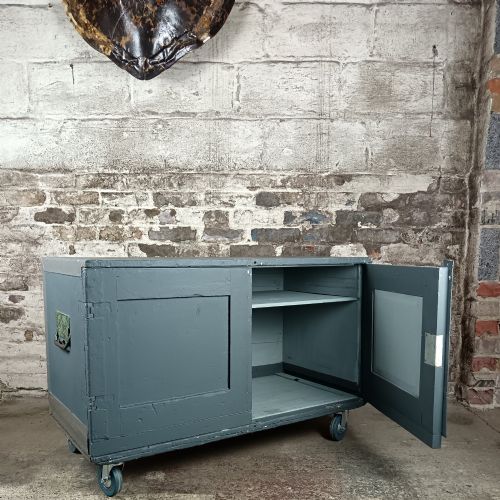
When you search for painted storage furniture, you are looking at utilitarian pieces finished with decorative surfaces rather than left as bare timber. The selection spans utilitarian chests of drawers, substantial cupboards, wardrobes, and benches originating from diverse European and Asian traditions.
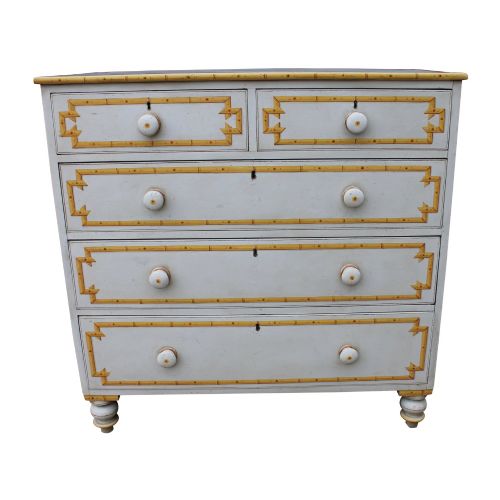
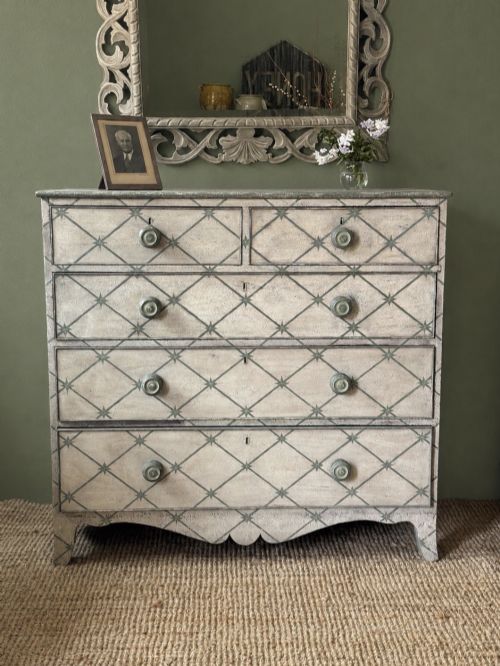
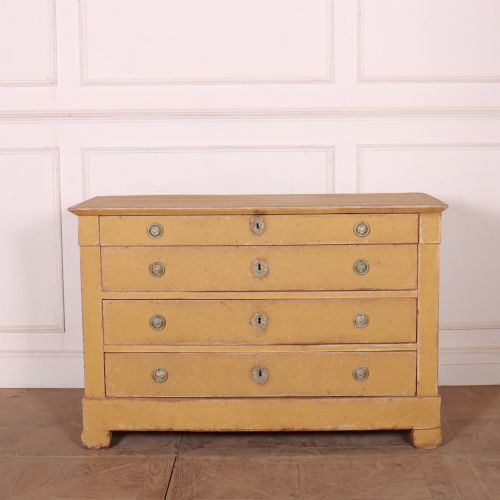
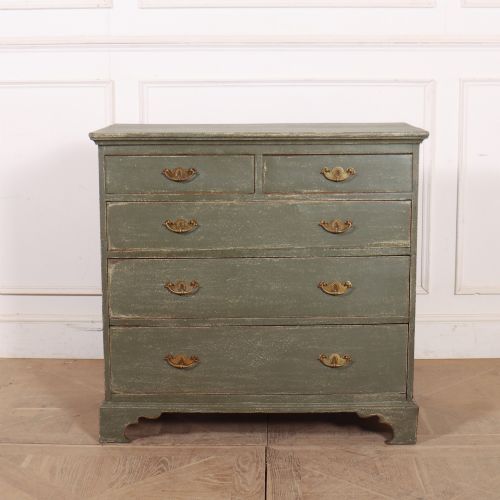
The version you are most likely to meet on this page is the 19th-century pine chest of drawers or cupboard, often retaining its original scumbled or painted finish. These domestic items range from plain British country pieces to more ornate continental marriage chests and cabinets.
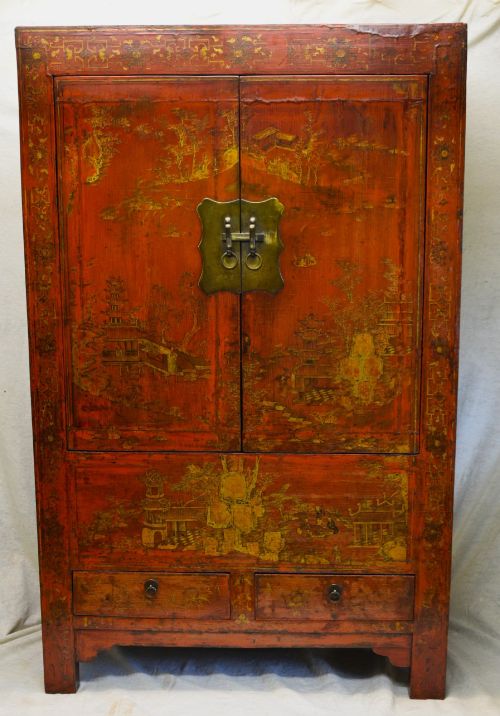
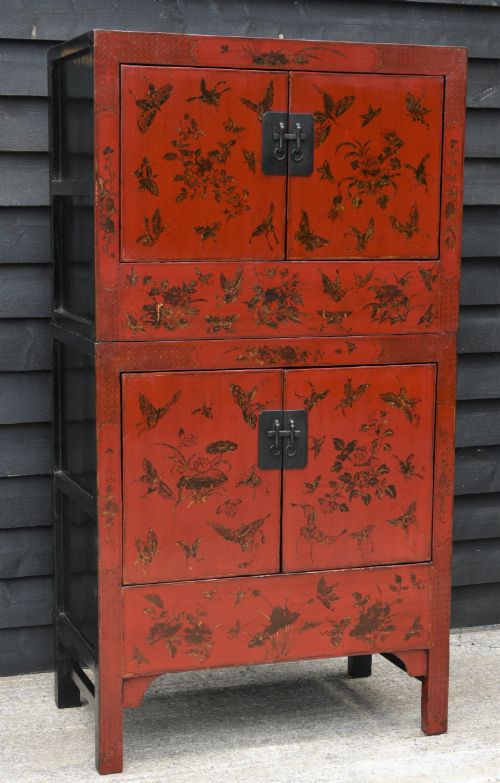
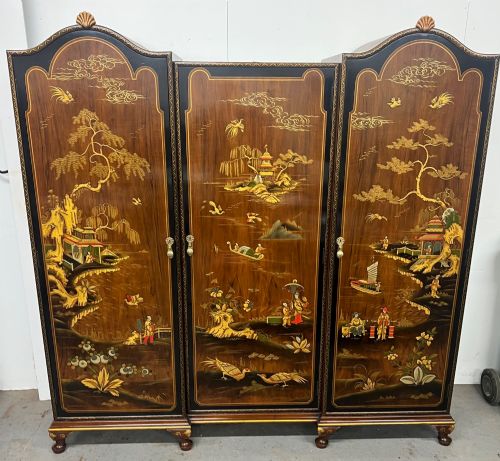
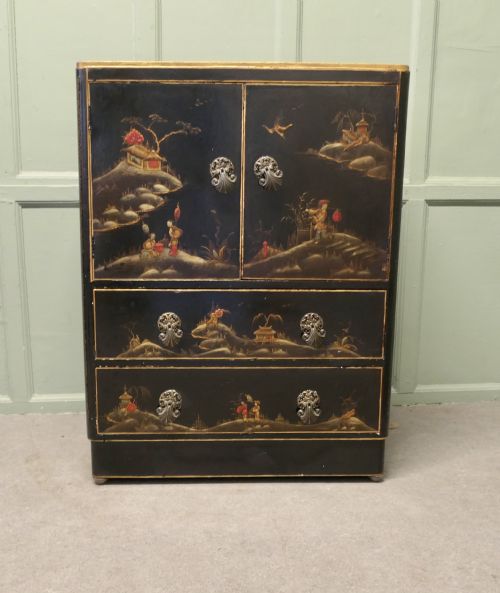
Alongside regional European work, the category embraces sophisticated Asian lacquered marriage cabinets and British Chinoiserie wardrobes. These pieces combine heavy structural storage with intricate hand-painted decoration, bridging the gap between utilitarian function and fine art.
Materials and construction methods
Makers relied heavily on native softwoods like pine for everyday domestic storage, constructing carcases with simple joints while reserving hardwoods such as mahogany for finer items. Iron and brass hardware, including strap hinges and campaign handles, provided functional reinforcement.
Surfaces were prepared with primers and bound pigments, utilising techniques ranging from simple flat oil paints to complex scumbling and japanning. Lacquer work required multiple cured layers of sap or resin, often built up to a deep gloss before receiving hand-painted or gilt ornamentation.
Listings feature pieces constructed from pine, mahogany, and iron, spanning the Georgian, Victorian, and Edwardian eras.
Assessing quality in painted pieces
Quality rests significantly on the survival and integrity of the original decorative surface rather than the underlying timber alone. Pieces retaining their untouched early paintwork command greater interest than those subjected to later overpainting or stripping.
The refinement of the brushwork and the structural joinery determine the standing of each piece, distinguishing simple vernacular items from high-style workshop productions. Cabinetmaking precision, from flush-fitting drawers to well-balanced door panels, separates standard utility work from superior examples.
Sir Clough Williams-Ellis·Maples and Co
The Painted Storage Furniture Glossary
- Scumble
- A technique involving a translucent top layer of dark paint manipulated over a lighter base colour to simulate wood grain or create mottled texture. It was frequently applied to Victorian pine furniture to give an impression of more expensive timbers.
- Japanning
- A European imitation of East Asian lacquerwork produced using hard-drying varnishes and applied heat. This process created glossy black or coloured surfaces decorated with raised gilt motifs.
- Bombe
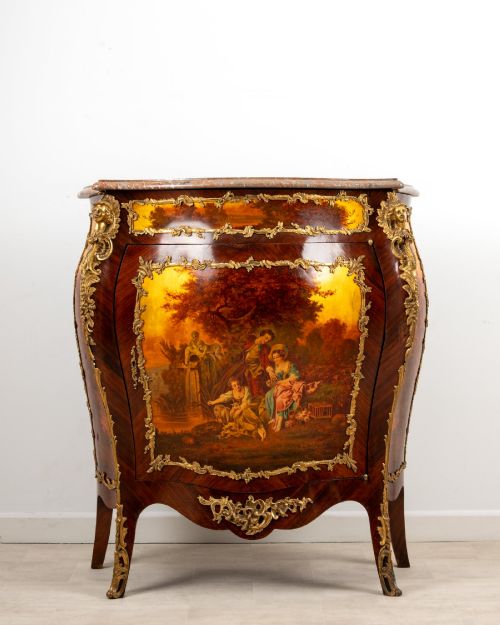
- A swelling, outward-curved contour found on the front and sides of commodes and cabinets. This baroque form required advanced woodworking skill to shape the structural timbers before any surface decoration was applied.
- Ormolu
- Gilded bronze mounts applied to the corners, feet, and keyholes of high-status furniture. These cast metal details were common on continental pieces from the nineteenth and early twentieth centuries.
- Marriage chest
- A traditional regional container commissioned to mark a wedding and hold a bride's dowry. These pieces typically feature specific dates, family cypresses, or floral motifs painted across the front.
Painted Storage Furniture: Frequently Asked Questions
How do I clean painted furniture?
Dust surfaces gently with a dry, soft cloth to prevent the accumulation of grit. Avoid modern chemical sprays or abrasive cleaners that can soften or lift historic paint layers.
Test any mild cleaning solution on a hidden area before applying it more broadly. Preserving the dry or waxed patina is essential for maintaining the character of antique painted surfaces.
Are these pieces suitable for daily use?
Most cupboards, chests, and wardrobes offer robust internal space that functions well for contemporary storage needs. Drawers and doors generally operate smoothly after generations of settling.
Keep pieces away from direct heat sources and fluctuating humidity to prevent the underlying wood from warping. Stable environmental conditions protect both the structural joints and the brittle painted finishes.
How do I spot original paint?
Original paint exhibits natural wear patterns, fine craquelure, and integration with the underlying timber. Examine edges and handles where friction naturally occurs over decades of handling.
Look beneath modern hardware or inside drawers for hidden traces of early colour schemes. Paint that settles uniformly into the grain without modern synthetic gloss often indicates an untouched surface.
What is a marriage chest?
Marriage chests were traditional European storage pieces commissioned to hold household linens and personal items brought to a new home. Artisans often decorated them with symbolic flora, dates, and initials.
These pieces served as both practical storage and central focal points in rural domestic interiors. Their specific iconography helps historians trace their regional origins and social context.