
Edwardian Painted Display Cabinet
Edwardian painted display cabinets combine refined timber framing with delicate hand-painted decoration to showcase prized possessions.
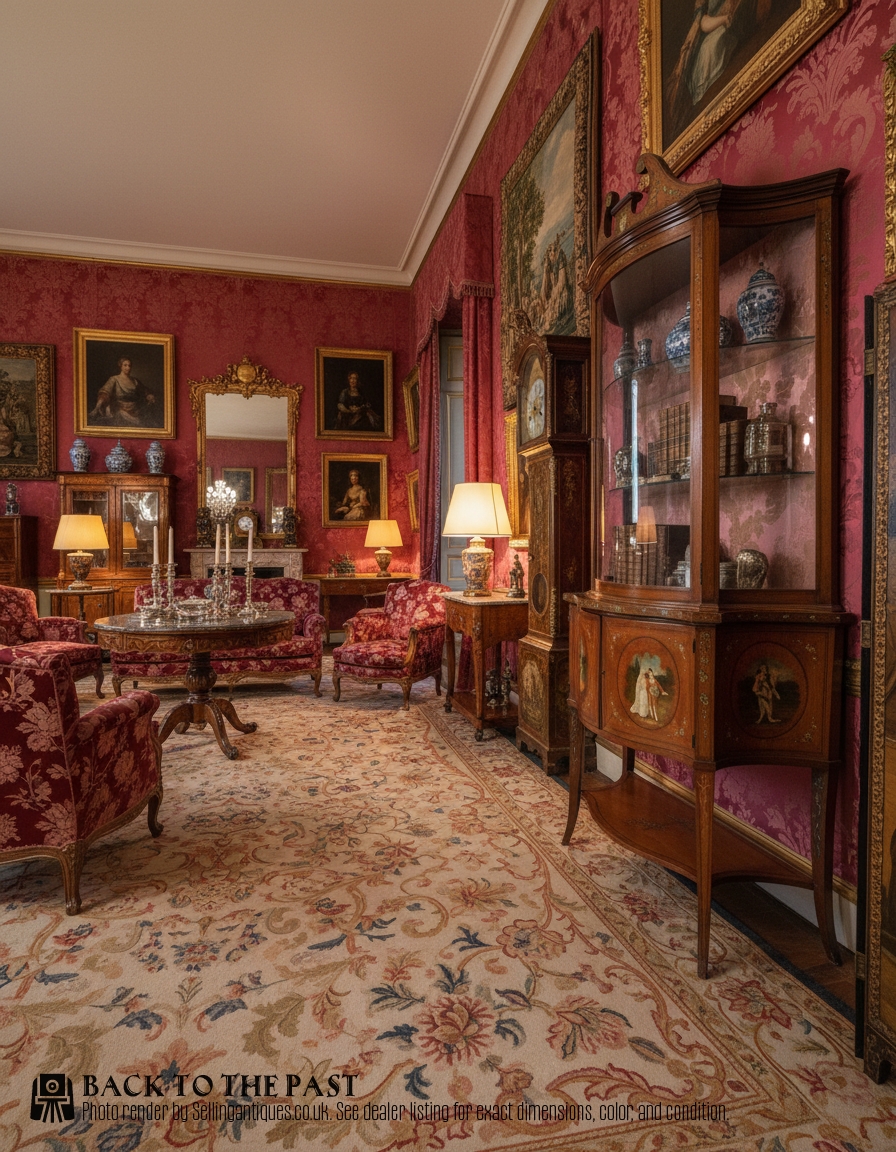
Edwardian Painted Display Cabinet
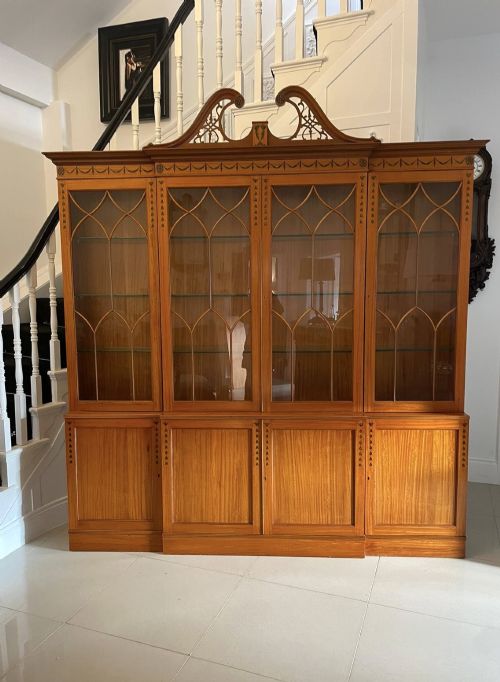
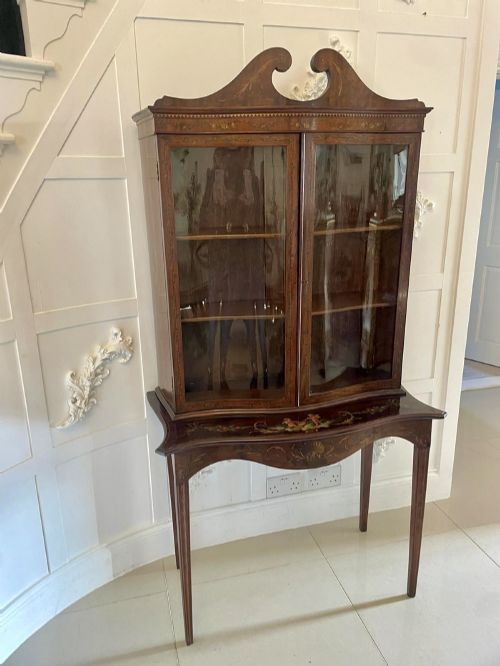
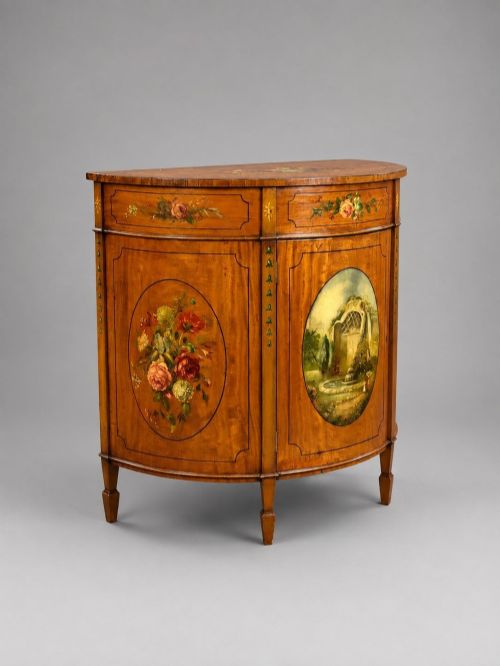
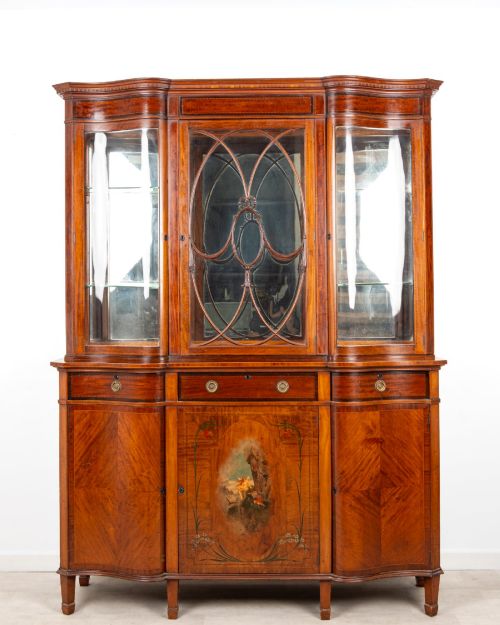
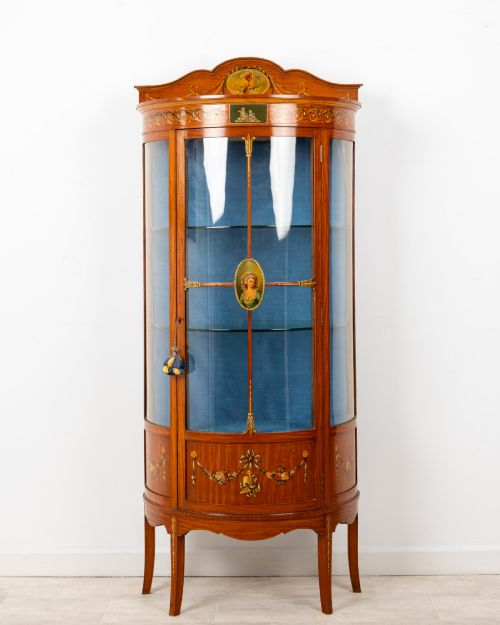
An edwardian painted display cabinet is a piece of furniture designed to house and exhibit decorative objects, typically featuring glazed doors or panels. These pieces span standard upright formats, corner units, and serpentine or bow-front configurations tailored for specific interior spaces.
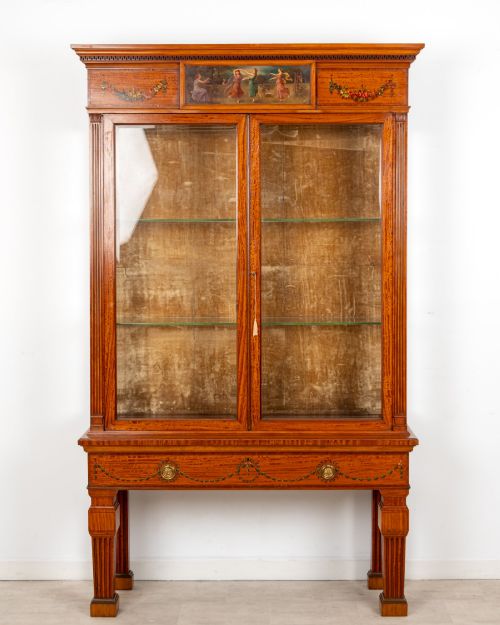
The material palette heavily favours satinwood and mahogany as primary timbers, often enhanced by painted panels, floral motifs, and classical revival details. While the Edwardian era dominates the design vocabulary, related examples stretch from the late Victorian period through the 1930s.
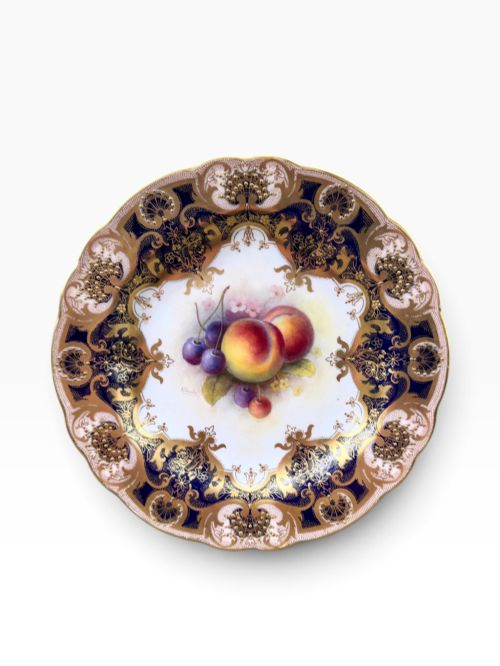
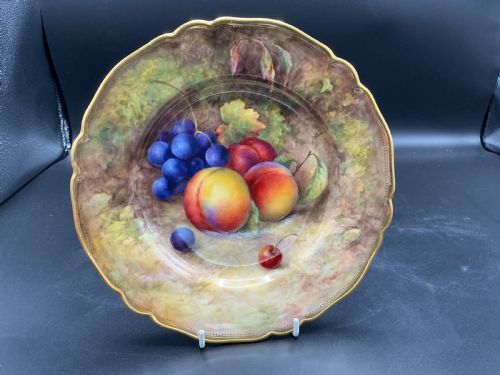
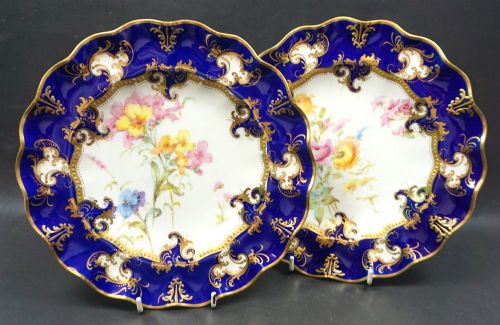
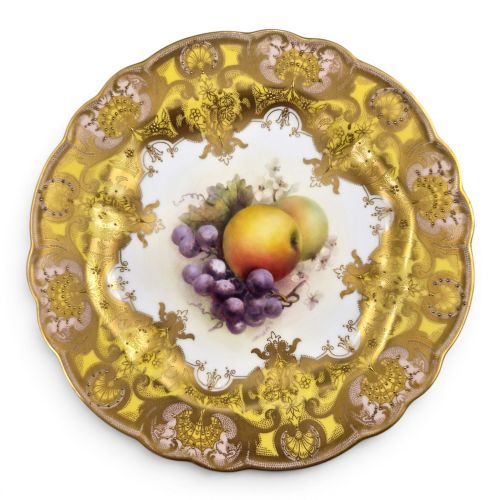
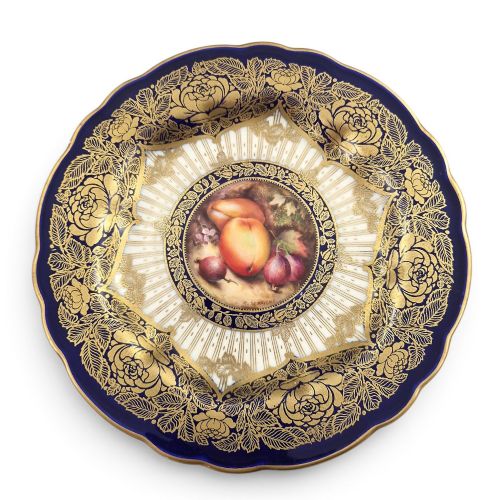
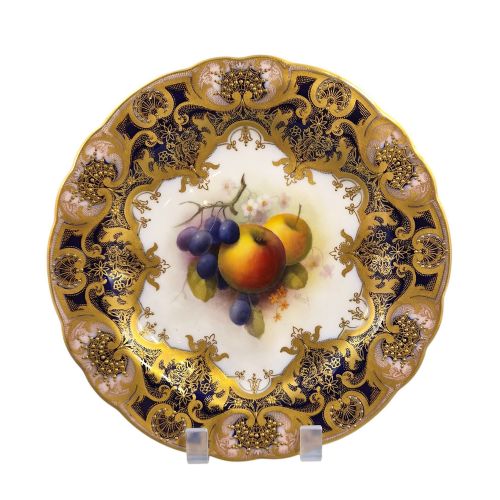
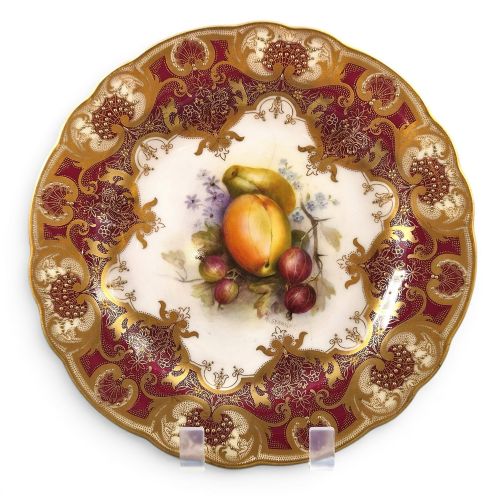
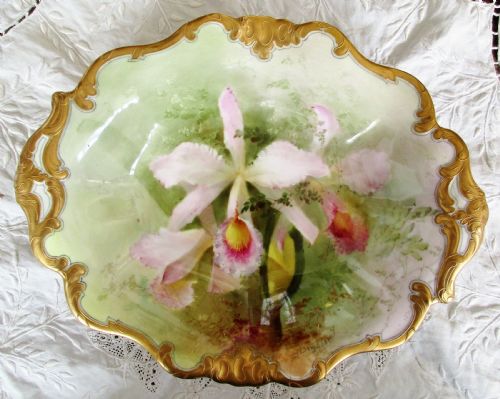
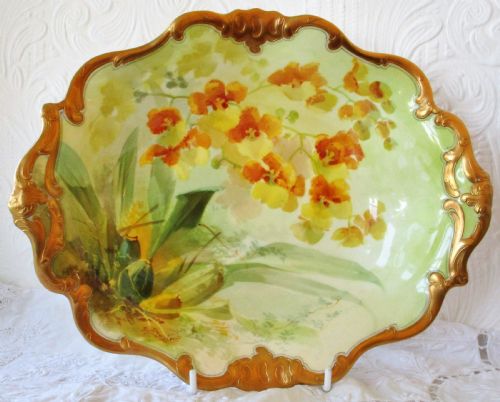
Beyond full-sized cabinetry, the broader category encompasses related display vessels and cabinet plates from porcelain manufacturers that share the same decorative ethos. Buyers frequently encounter pieces displaying Sheraton Revival influences alongside occasional French or Chinoiserie interpretations.
How They Were Made
Cabinetmakers constructed these pieces using fine hardwoods like satinwood and mahogany, frequently applying veneers over secondary timbers to achieve smooth, sweeping curved fronts. Glass panels were secured using wooden glazing bars, including intricate astral configurations, to frame the interior contents.
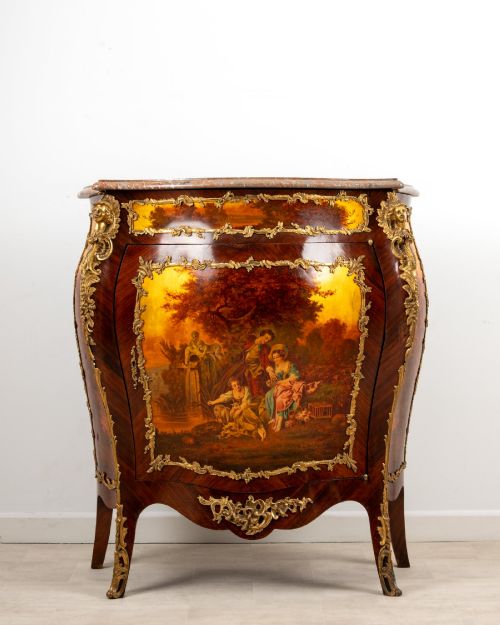
Surface ornamentation relied on hand-painted decoration applied directly to the wood or onto inset panels, often supplemented by gilt, enamel, and brass mounts. Craftspeople also utilised specialised techniques such as lacquer and japanning for Chinoiserie surfaces, alongside traditional joinery for structural stability.
Historic taxidermy display cases and school library book cabinets occasionally share space with delicate satinwood vitrines.
What Varies in Quality
The refinement of the painted decoration dictates much of the distinction between standard and superior examples, particularly the precision of floral panels and figurative work. Hand-painted execution by documented artists or recognised workshops elevates the standing of a cabinet above generic factory production.
Cabinet construction details, such as timber selection, the presence of figured veneers, and the complexity of serpentine or bow-front shapes, separate basic utilitarian furniture from master cabinetwork. Original glass, intact brass hardware, and well-preserved surface patination complete the measure of a piece.
Hampton and Sons·Royal Worcester·Royal Doulton·Royal Crown Derby·Coalport·Jewell of Holborn
The Edwardian Painted Display Cabinet Glossary
- Satinwood
- A lustrous tropical hardwood with a natural golden sheen, frequently used as a primary veneer on high-end Edwardian furniture. Its pale surface provided an ideal canvas for hand-painted floral motifs.
- Astral Glazing
- A method of dividing glass panels within a door using thin wooden bars arranged in geometric or curving patterns. This technique lightened the visual weight of heavy timber doors.
- Bow Front
- A convex, outwardly curved cabinet front that softens the rectilinear lines of traditional furniture. It requires skilled carpentry to bend wood and veneer to a consistent radius.
- Sheraton Revival
- A late 19th and early 20th-century design movement inspired by the neoclassical furniture of George Sheraton. These pieces typically feature symmetrical lines, delicate painting, and classical ornamentation.
- Ormolu
- Gilded bronze mounts applied to furniture edges and feet for decorative accent. The technique was particularly popular on pieces influenced by French styles.
Edwardian Painted Display Cabinet: Frequently Asked Questions
What periods do these cabinets date from?
The pieces primarily date from the Edwardian era around 1900, though the category extends from late Victorian examples through the 1920s and 1930s. Stylistic revivals also draw upon earlier Georgian and continental designs.
Craftsmen during these later periods frequently reinterpreted historical aesthetics, blending traditional cabinetmaking with contemporary decorative painting techniques.
How were these cabinets used originally?
These cabinets served as formal furniture for displaying porcelain, glassware, and other treasured collectibles within the home. Their glass fronts protected delicate items from dust while keeping them visible to visitors.
Smaller variants and corner units were specifically proportioned to maximise interior space in drawing rooms and parlours without obstructing movement.
How do I care for painted wood surfaces?
Maintenance requires avoiding direct sunlight and excessive humidity to protect delicate painted panels and timber veneers from fading or cracking. Gentle dusting with a dry, soft cloth is sufficient for routine upkeep.
Avoid modern chemical polishes, as silicone-based products can damage historic varnishes and compromise the integrity of hand-painted artwork over time.
What distinguishes Sheraton Revival cabinets?
Sheraton Revival pieces replicate the lightness, symmetry, and neoclassical motifs popularised in the late 18th century. They frequently showcase painted satinwood surfaces decorated with swags, ribbons, and classical urns.
These cabinets emphasise slender proportions and refined tapering legs rather than the heavier, darker aesthetics of earlier Victorian furniture.