

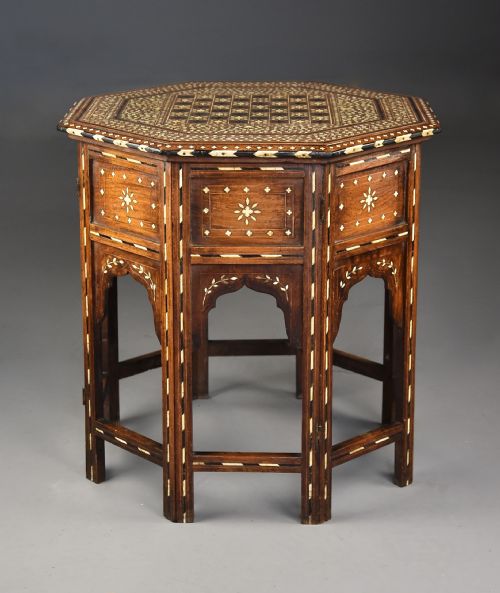
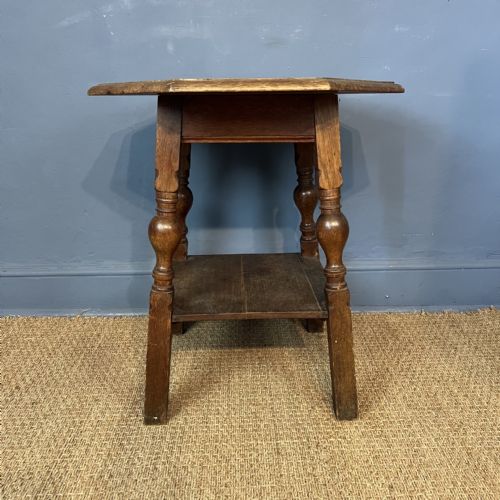

Edwardian Octagonal Side Table
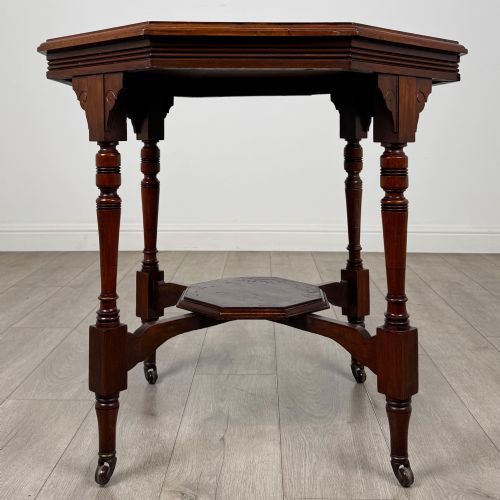
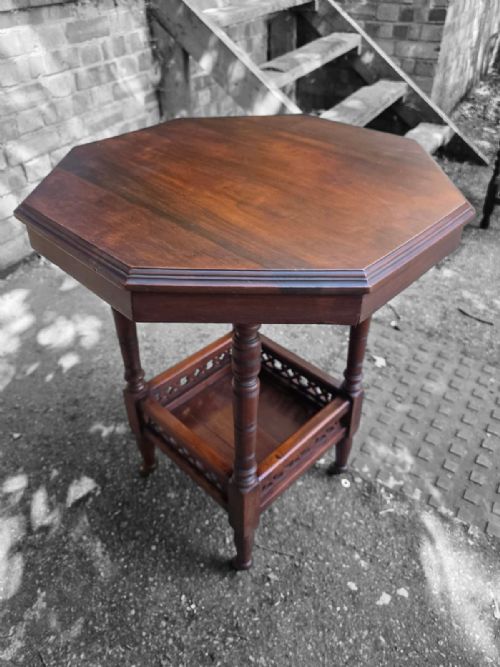
An Edwardian octagonal side table brings geometric form and rich timber to a room, offering a practical surface with distinct period character.
Edwardian Octagonal Side Table
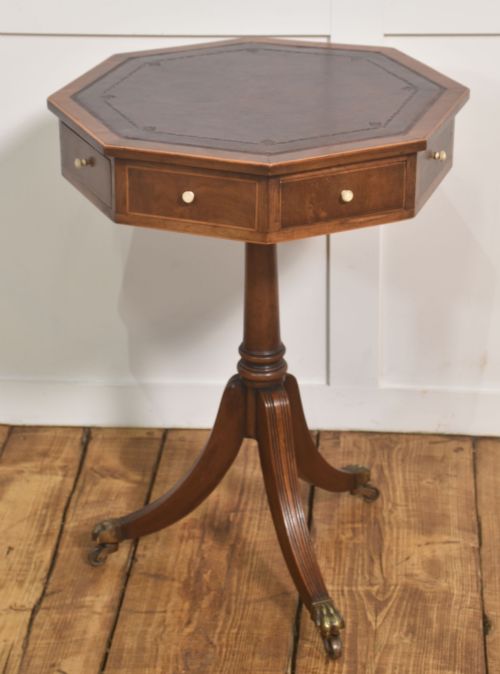
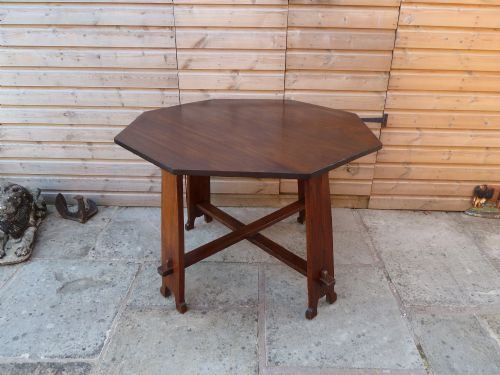
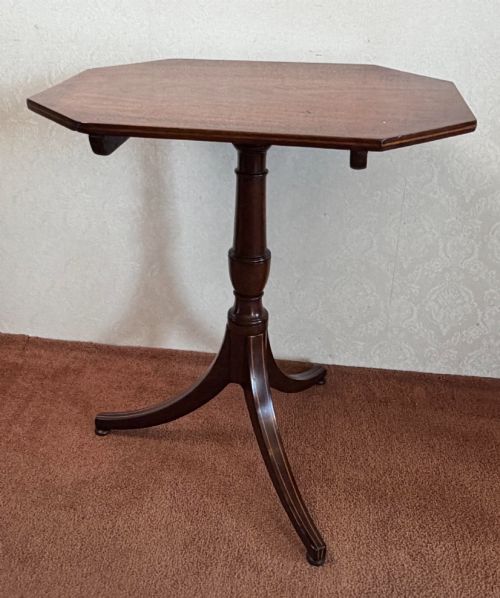
The edwardian octagonal side table typically presents an eight-sided top supported by a central pillar, legs or a folding base, functioning as a lamp, wine or occasional table.
While many examples originate from the Edwardian era and the late nineteenth century, related pieces stretch from the Victorian period into the early twentieth century.
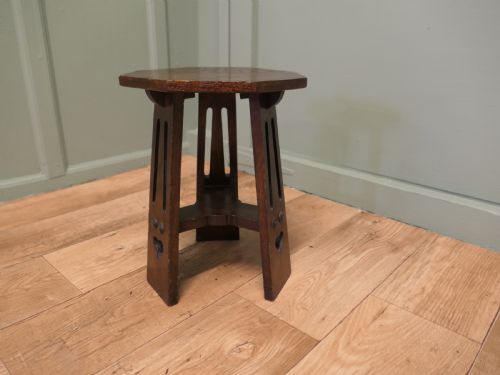
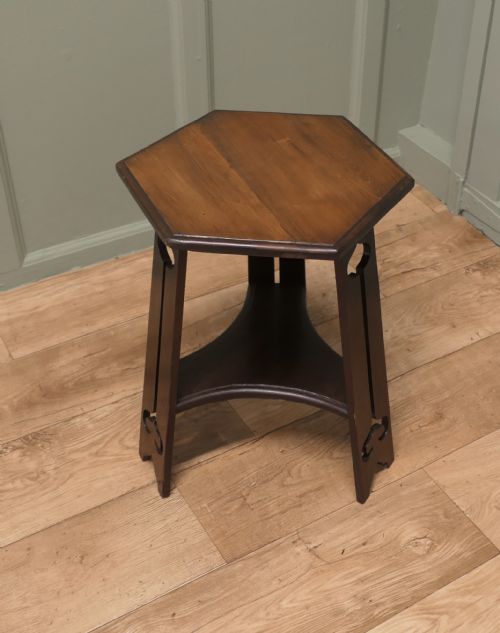
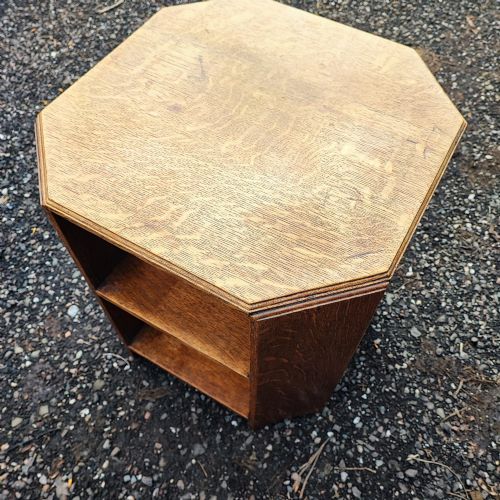
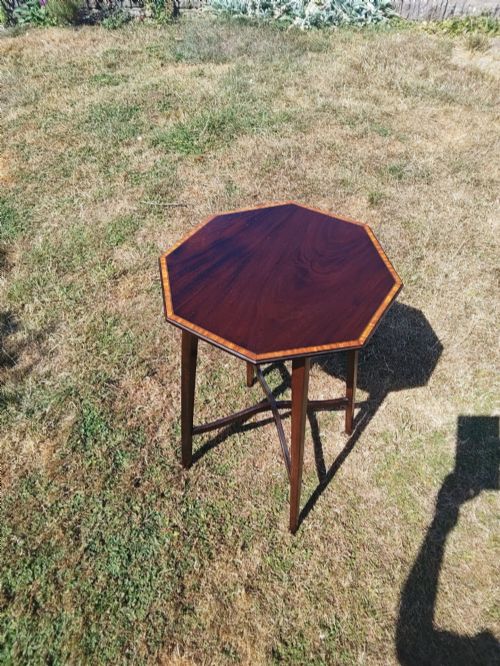
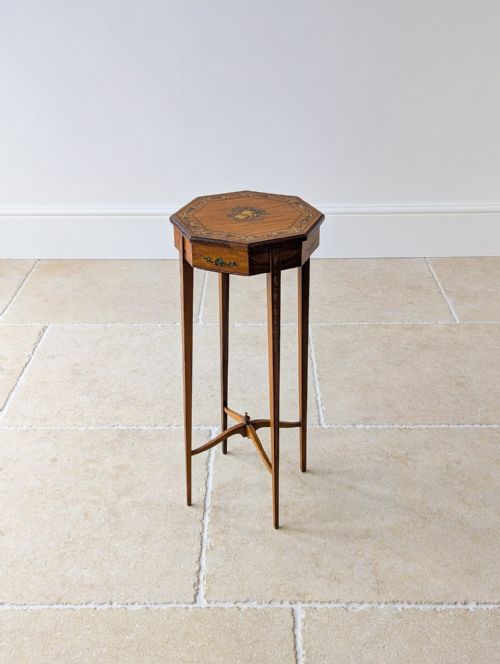
Makers produced these tables in forms ranging from plain oak Arts and Crafts designs to satinwood Sheraton Revival pieces and inlaid mahogany models.
How They Were Made
Carpenters utilised timbers such as mahogany, oak, walnut, satinwood and rosewood, often pairing solid construction with decorativeveneers.
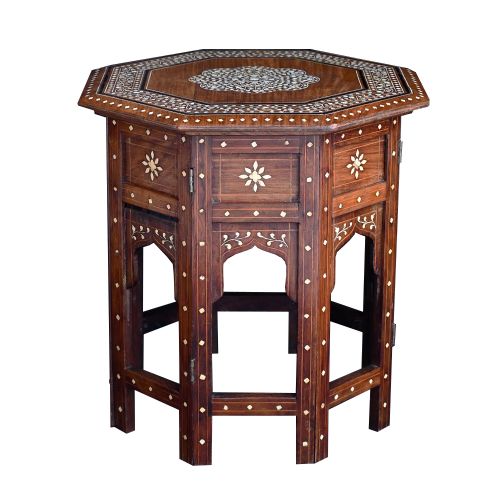
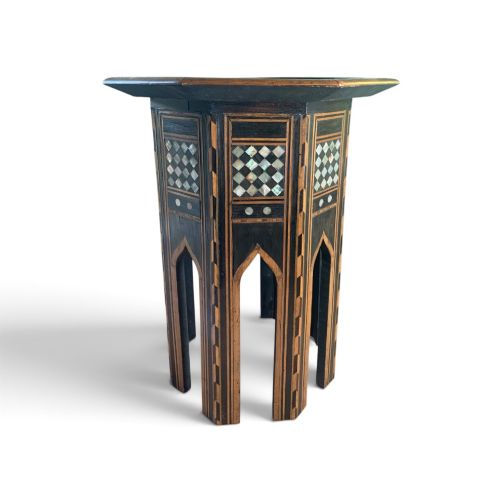
Many surfaces incorporate boxwood inlay, marquetry, painted decoration or intricate carved relief work, particularly on Anglo-Indian Hoshiarpur pieces.
Some tables come equipped with hidden silk work bags beneath the top for nineteenth-century needlework.
What Varies in Quality
The distinction between standard production and finer work rests on the crispness of the carving, the precision of the wood inlay and the selection of figured veneers.
Substantial timber thickness and stable joinery separate robust examples from lighter decorative pieces, while attribution to notable makers or retailers elevates certain items.
Liberty and Co
The Edwardian Octagonal Side Table Glossary
- Octagonal
- Having eight sides and eight angles. This geometric top shape defines the silhouette of these tables.
- Inlay
- A technique where pieces of contrasting material are inserted into a recessed timber surface to form a design. Boxwood and lighter woods often create floral or geometric motifs.
- Marquetry
- Elaborate patterns formed with wood veneers applied to a furniture structure. It differs from simple inlay by covering larger areas of the surface.
- Satinwood
- A durable, lustrous yellow timber from tropical trees. It gained popularity during the Sheraton Revival for bright, decorative table tops.
- Occasional table
- A small, movable table intended for specific, intermittent use in a reception room. These include lamp, wine and side tables.
Edwardian Octagonal Side Table: Frequently Asked Questions
Where do I place an octagonal table?
These tables fit easily beside armchairs, in corners or as centrepieces in smaller spaces. Their eight-sided shape allows them to sit comfortably without sharp corners jutting into walkways.
They function well holding lamps, books or plants while adding distinct period detail to a room's layout.
How do I clean timber surfaces?
Dust the wood regularly with a soft, dry cloth to prevent dirt accumulation. Avoid modern silicone sprays that build up over time and dull the finish.
Applying a traditional beeswax occasionally helps nourish older polish and maintains a natural sheen.
Are these tables sturdy enough for daily use?
Most examples are constructed from solid hardwoods like oak and mahogany, making them robust for everyday placement. Tripod bases and central columns provide stable support for lamps and decorative objects.
Heavily inlaid or delicate satinwood pieces benefit from gentler placement to protect the surface veneers.
How do I distinguish Edwardian from Victorian pieces?
Victorian furniture often leans towards heavier proportions, darker finishes and elaborate ornamentation, including ebonised woods and complex marquetry. Aesthetic Movement and late nineteenth-century pieces share these denser characteristics.
Edwardian design generally moves towards lighter timbers, brighter satinwood, and simpler Sheraton Revival lines that reflect a preference for airier interiors.