

Dark Walnut Accent Table
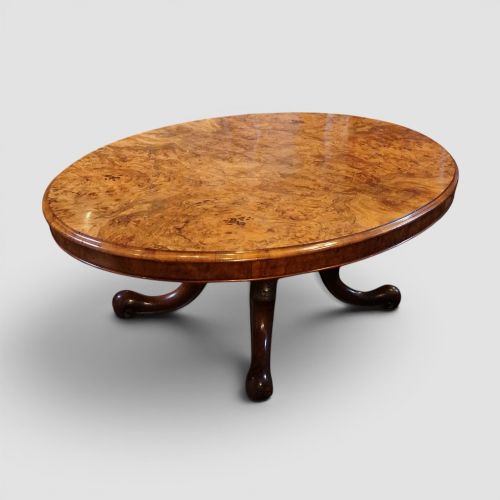
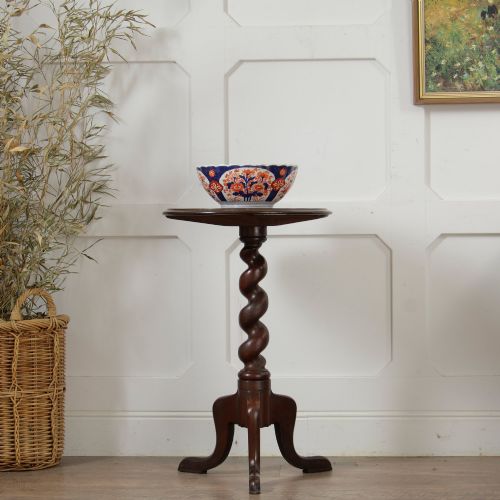
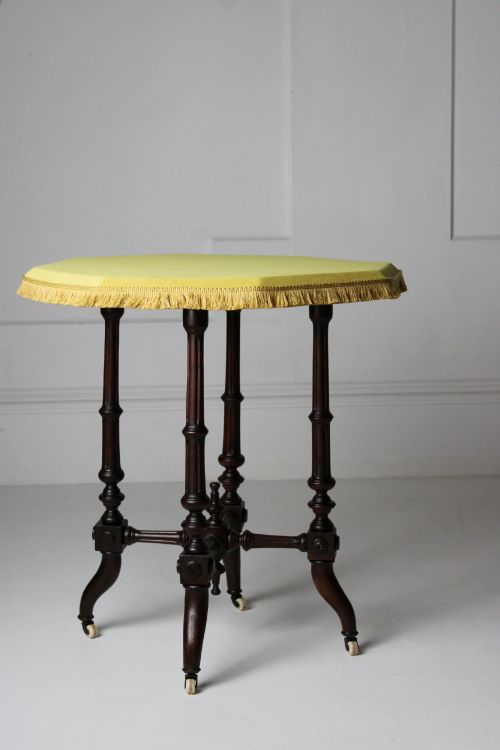
A dark walnut accent table brings rich timber tones and compact utility to a room, ranging from Georgian lowboys to Victorian occasional pieces.
Dark Walnut Accent Table
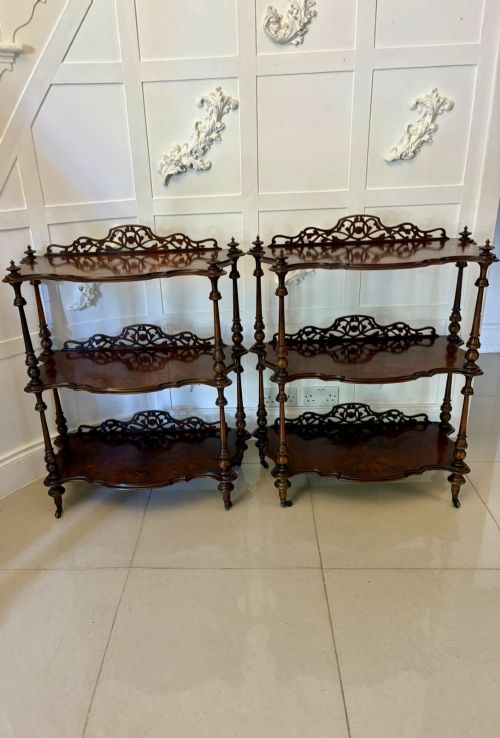
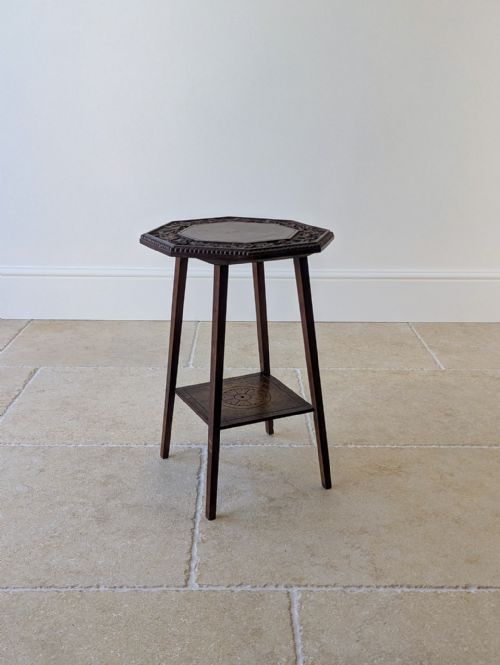
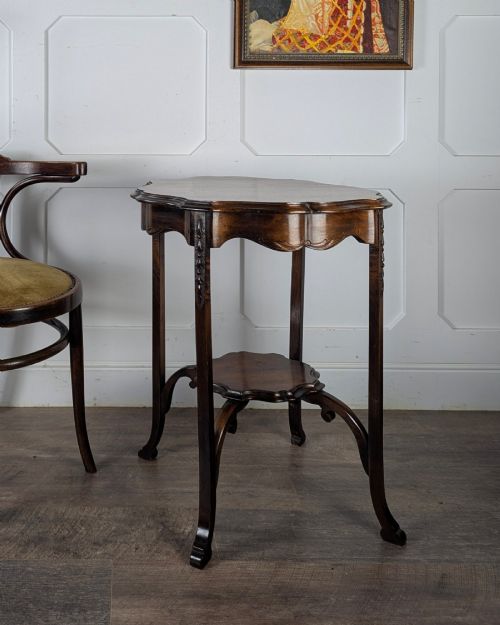
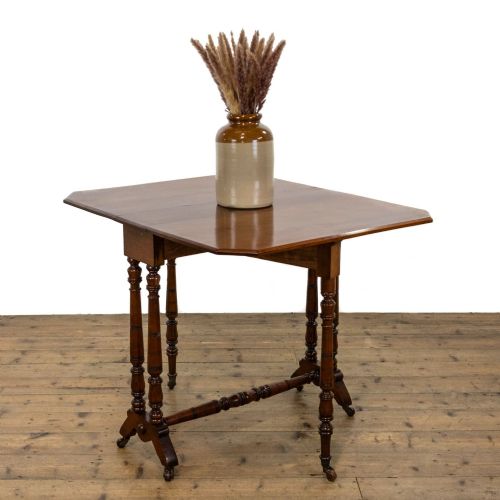
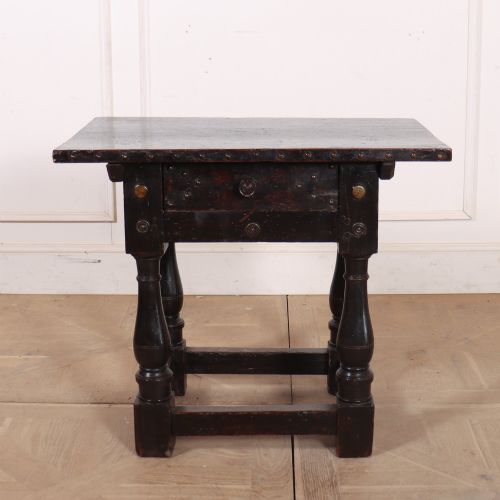
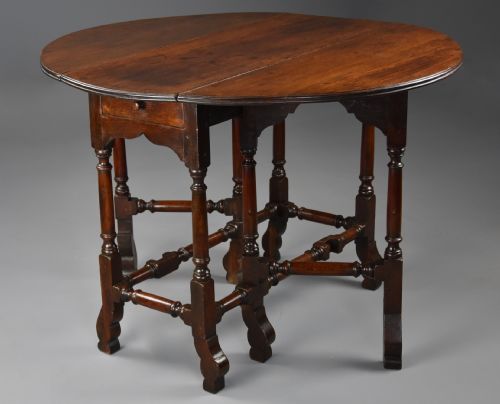
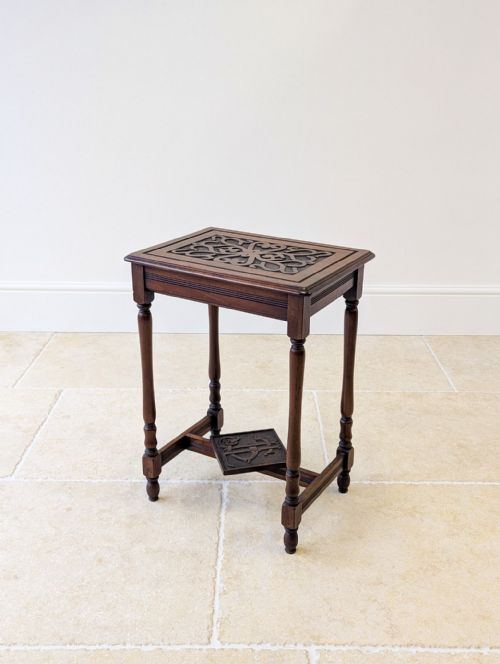
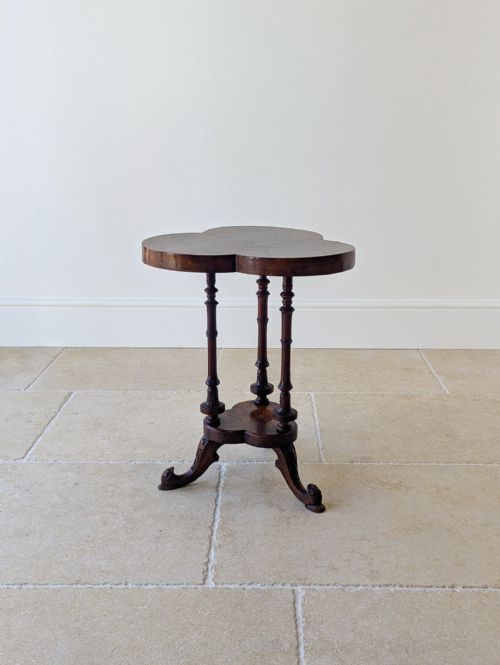
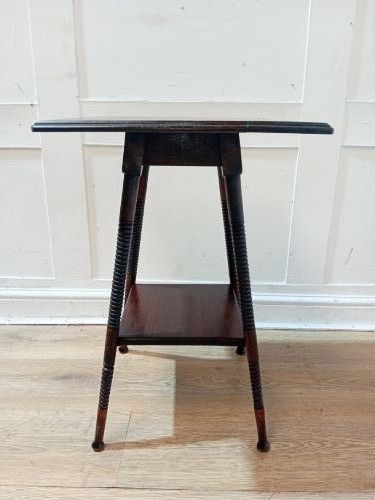
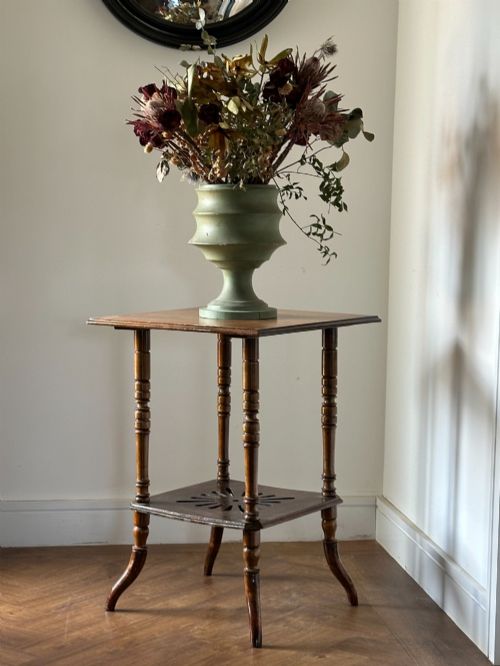
When searching for a dark walnut accent table, buyers encounter a variety of forms designed for versatile placement, including occasional tables, side tables, lowboys, and small pedestals. These pieces originate across multiple periods, most notably the Victorian era and the eighteenth century, alongside Edwardian and early twentieth-century examples. The selection spans straightforward utilitarian designs as well as decorative items featuring turned supports, tier structures, and drop leaves.
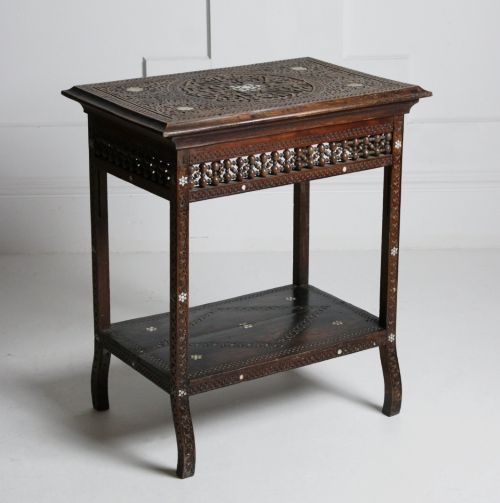
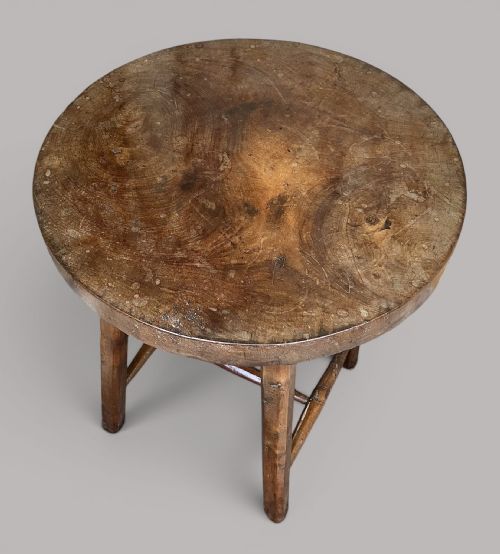
Victorian burr walnut occasional tables and nineteenth-century side tables form the largest portion of these listings, often displaying figured grain or carved details. Alongside these, buyers find vernacular Georgian primitives, Arts and Crafts designs, and regional expressions such as Syrian and Moorish tables. Forms range from tripod bases and tilt-tops to multi-tiered whatnots and small gateleg tables suited for compact spaces.
Factors determining quality
Quality in these tables rests primarily upon the selection of timber, particularly the depth of the walnut grain and the richness of the natural patina. Pieces featuring highly figured burr walnut veneers or fine seventeenth and eighteenth-century parquetry display a superior level of craftsmanship.
The integrity of the construction, the crispness of hand-carved details, and the preservation of original structural elements separate standard vernacular pieces from finer workshops. Balanced proportions and restraint in decorative additions further distinguish the upper tier of tables.
Materials appearing across these tables include burr walnut, wrought iron, mother-of-pearl, and brass.
LIBERTY of LONDON·WILLIAM BIRCH
The Dark Walnut Accent Table Glossary
- Burr walnut
- A veneer sliced from the knot growths of walnut trees, prized for its swirling, highly figured grain patterns.
- Lowboy
- A small eighteenth-century dressing or side table featuring one or more drawers set within a valanced frame above cabriole or straight legs.
- Occasional table
- A small, movable table designed for specific, intermittent uses within a room rather than a fixed dining or writing purpose.
- Parquetry
- A geometric mosaic of wood pieces used for decorative surfaces on tabletops and panels.
- Sutherland table
- A narrow drop-leaf table with hinged flaps that drop nearly vertically, supported by swinging gate legs.
Dark Walnut Accent Table: Frequently Asked Questions
What is a dark walnut accent table?
A dark walnut accent table is a small surface piece constructed from walnut timber, designed to fill auxiliary roles in living spaces. These tables include side tables, occasional stands, lowboys, and small pedestals.
They draw on periods ranging from the seventeenth century through to the early twentieth century, incorporating regional styles and movement-specific designs.
How do I date an antique walnut table?
Dating relies on examining the construction methods, joinery, timber selection, and stylistic details characteristic of specific eras. Eighteenth-century pieces often show simpler framing or primitive solid construction, while Victorian examples frequently utilise burr veneers and elaborate turned pedestals.
Secondary woods, hardware types, and overall wear patterns further help establish the period of manufacture.
Where should I place an accent table?
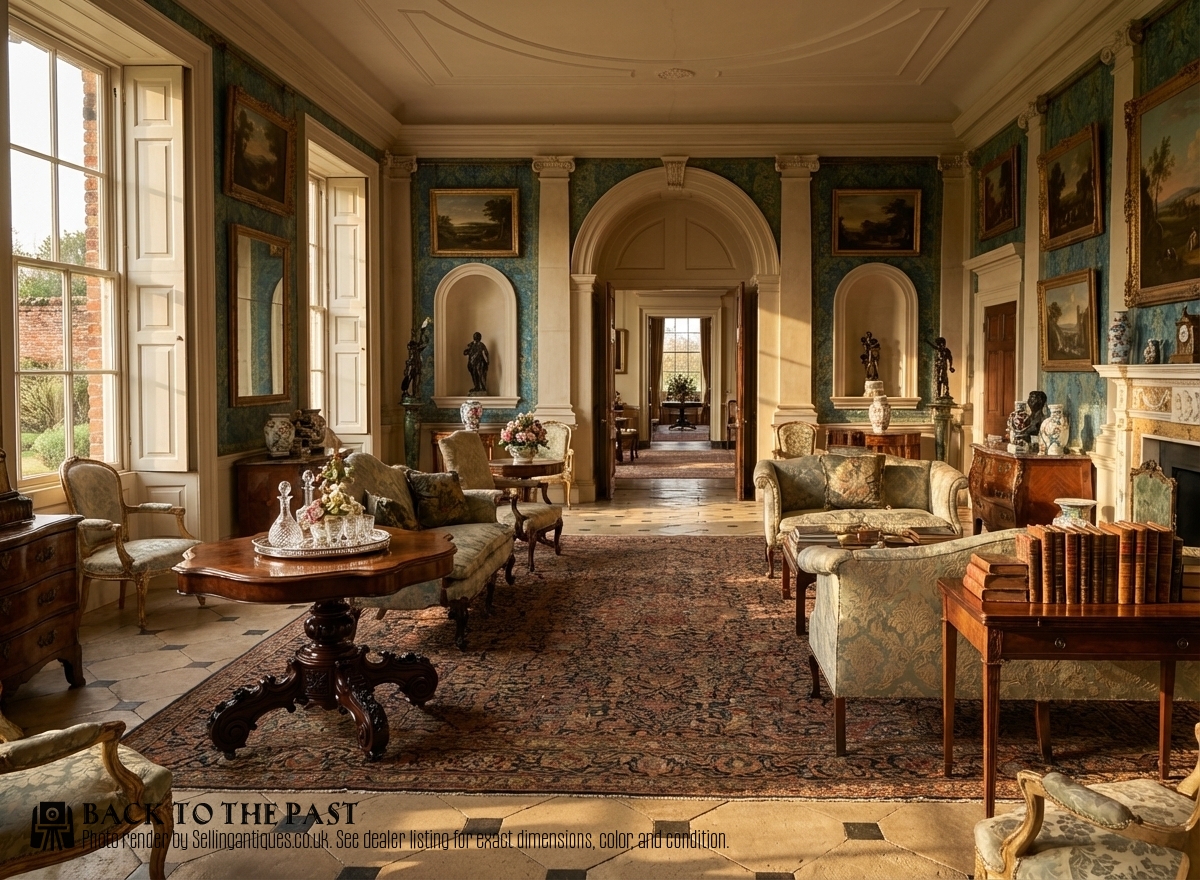
These compact tables suit entryways, hallways, and beside seating arrangements where surface space is needed without dominating the room. Their modest proportions allow them to function as plant stands, lamp tables, or display surfaces.
Consider the height and leg clearance of the specific form when pairing it with existing furniture.
How do I care for walnut wood?
Walnut benefits from being kept away from direct sunlight and sudden temperature shifts that can dry out the timber or crack veneers. Occasional dusting with a soft, dry cloth preserves the finish without requiring heavy polishes.
Maintaining stable indoor humidity protects both the solid timber elements and the applied decorative surfaces.