

Edwardian Occasional Furniture
Edwardian occasional furniture brings light, adaptable tables into the room, offering versatile surfaces for lamps, plants and tea.
Edwardian Occasional Furniture
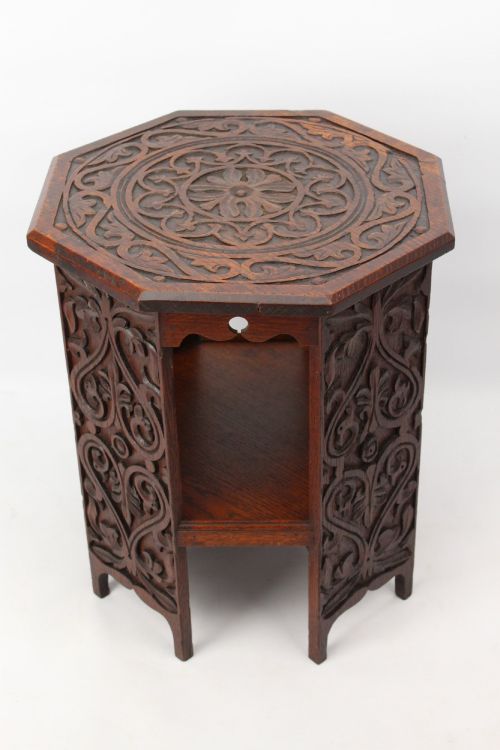
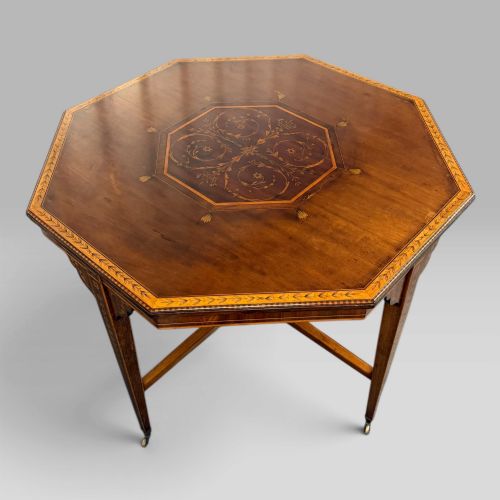
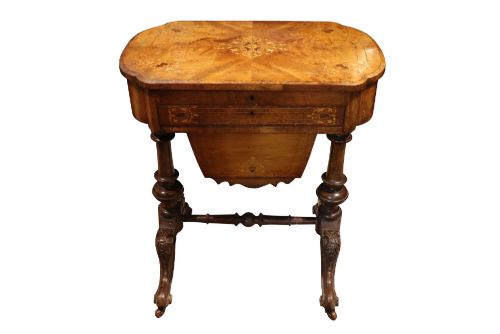
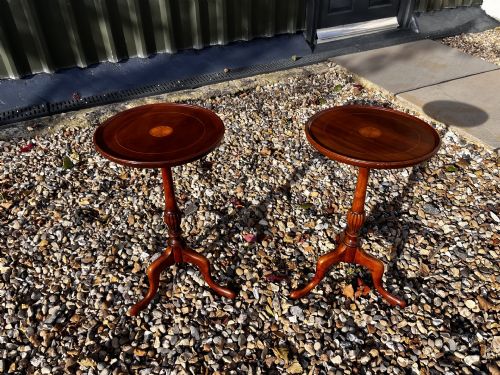
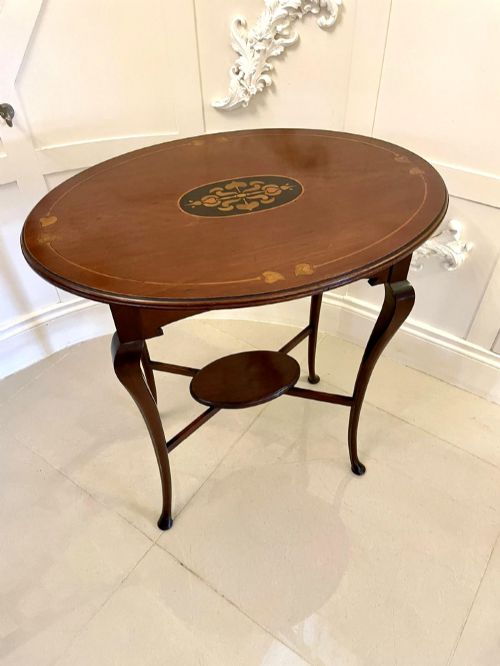
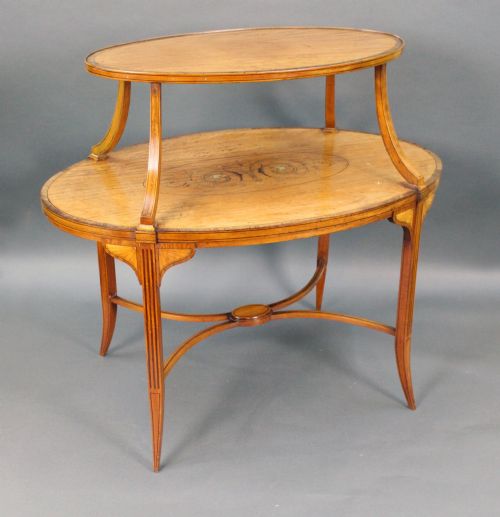
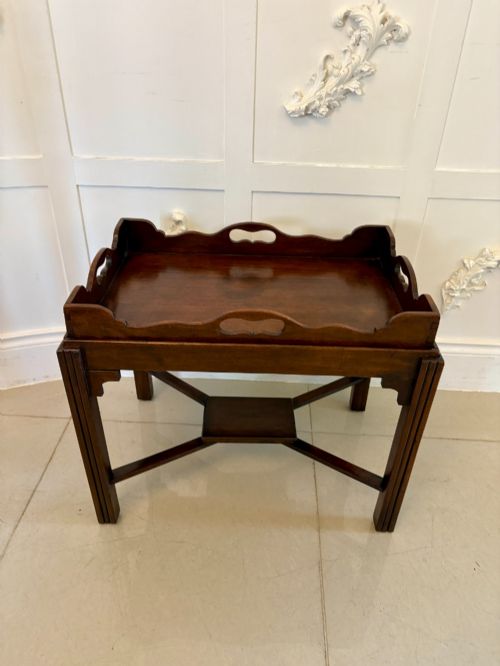
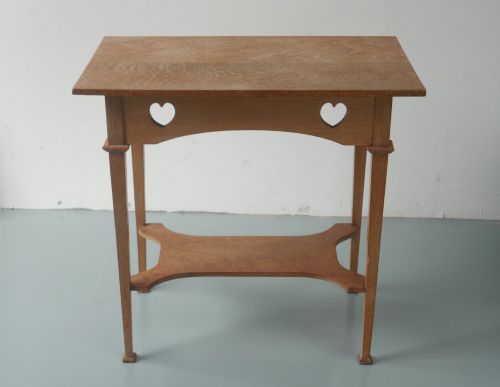
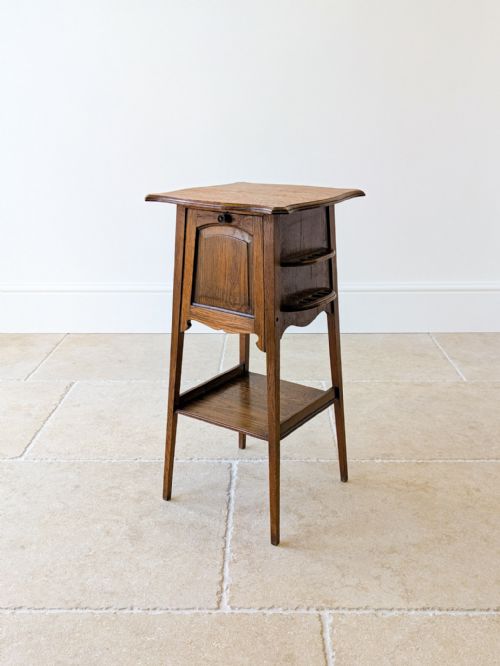
Edwardian occasional furniture comprises small, moveable tables and stands designed to serve varied functions around the home as daily life became more informal. The selection on this page centres heavily on Edwardian pieces alongside Victorian and early twentieth-century examples.
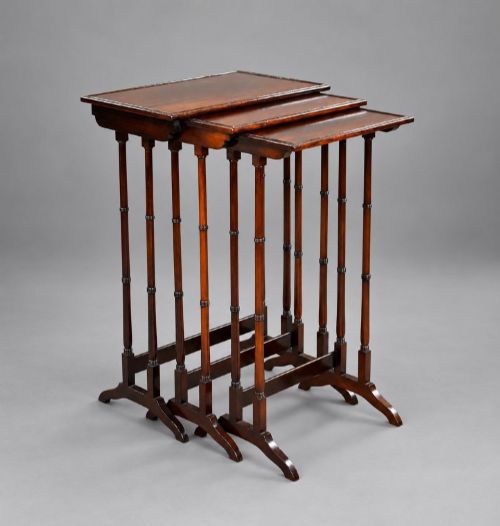
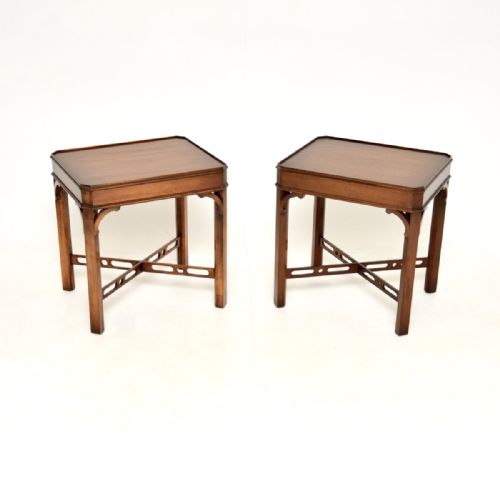
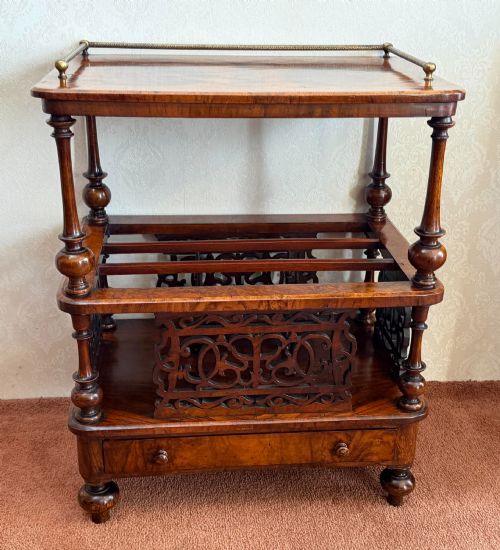
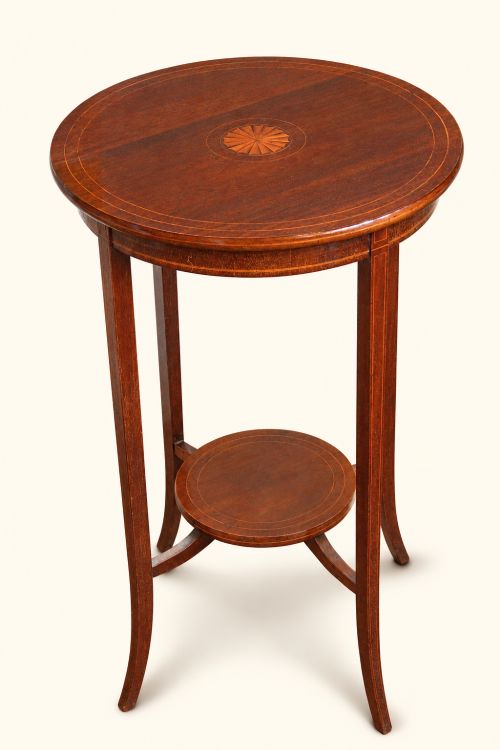
Buyers encounter forms ranging from simple side tables and nests of tables to plant stands, canterburys, and lamp tables. These versatile pieces reflect a domestic shift towards smaller, dedicated surfaces positioned wherever extra utility was required.
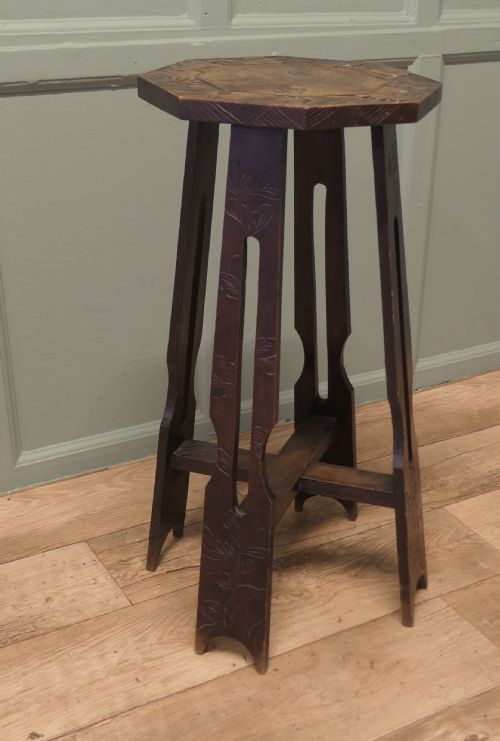
Origins stretch from mainstream British workshops to distinctive regional movements like the Cotswold School and Anglo-Indian production. Alongside standard Edwardian output, pieces display influences from Arts and Crafts, Art Nouveau, and Sheraton Revival styles.
Materials and construction
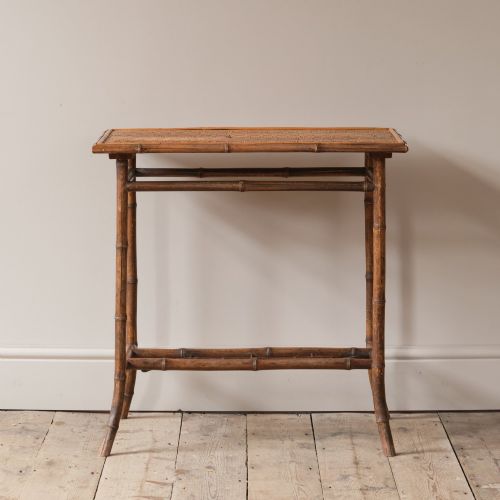
Timbers form the backbone of these pieces, with mahogany, oak, satinwood, and walnut appearing alongside exotic woods such as kingwood and rosewood. Ebonised wood and bamboo offer lighter alternatives, while brass and copper provide structural or decorative accents.
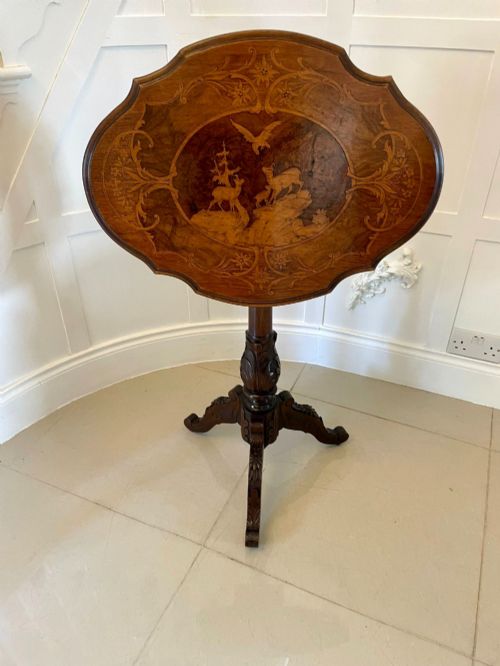
Surface embellishment defines much of the production, utilising marquetry inlay, painted floral decoration, and tiled tops. Joinery techniques range from standard cabinet making to specialised folding mechanisms found on campaign and coaching tables.
Edwardian Occasional Furniture Retail Price Guide 2026
Typical asking prices for edwardian occasional furniture among the pieces listed under this phrase on Sellingantiques today, from the lower quarter to the upper quarter. They describe what is for sale here now, not the wider market.
Metamorphic pieces allow a fire screen to fold down into a butler's table for impromptu tea.
Distinguishing quality
Quality rests upon the selection of timber figures and the precision of the marquetry inlay or painted details. Finer examples show crisp carving, balanced proportions, and careful timber matching across secondary surfaces.
Construction integrity separates standard utility items from superior pieces, evident in tight joints, stable tier assembly, and original hardware such as brass handles or castors.
Liberty & Co·James Shoolbred·Shapland & Petter·Trevor Page & Co·William Birch·Edward’s And Robert’s·Dryad of Leicester
The Edwardian Occasional Furniture Glossary
- Occasional table
- A small, moveable table designed for a specific, transient use around a room rather than a fixed dining or writing position.
- Nest of tables
- A set of graduated tables designed to fit neatly beneath one another when not in use.
- Marquetry inlay
- Decorative patterns formed by fitting contrasting veneers into a prepared wooden surface.
- Étagère
- A set of open shelves or tiers used for displaying small objects or plants.
- Canterbury
- A low stand featuring partitions for holding sheet music, books, or magazines, often combined with a small tabletop surface.
Edwardian Occasional Furniture: Frequently Asked Questions
What is an occasional table used for?
These small tables were moved around the home to hold items like lamps, books, or tea sets wherever extra surface space was needed.
Their light construction made them easy to shift between rooms to suit the immediate requirements of the household.
How do I identify an Edwardian piece?
Edwardian items typically feature lighter timbers, refined inlay work, and more slender proportions than their heavier Victorian predecessors.
They often incorporate Sheraton Revival motifs, satinwood banding, and painted floral decoration characteristic of the early twentieth century.
What is a nest of tables?
A nest consists of several smaller tables built in graduating sizes so they slide completely underneath the largest one.
This clever design allowed households to save floor space while keeping multiple extra surfaces instantly available for guests.
Where were plant stands placed?
Plant stands and jardiniere tables were positioned near windows or in corners to display indoor ferns and flowering plants.
They brought greenery into living areas, often utilising waterproof tops of marble, copper, or tile to protect the wood underneath.