






Edwardian Oak Display Case
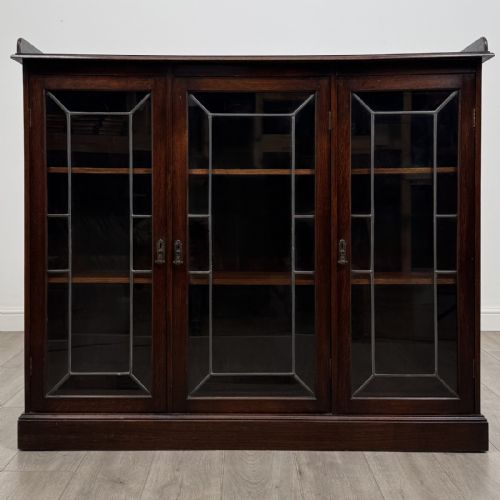
An edwardian oak display case brings together honest timber and clear glass to show off treasured objects with understated British charm.
Edwardian Oak Display Case
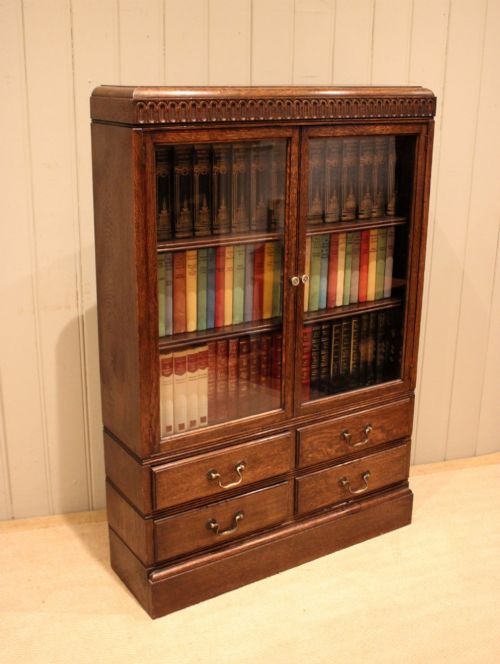
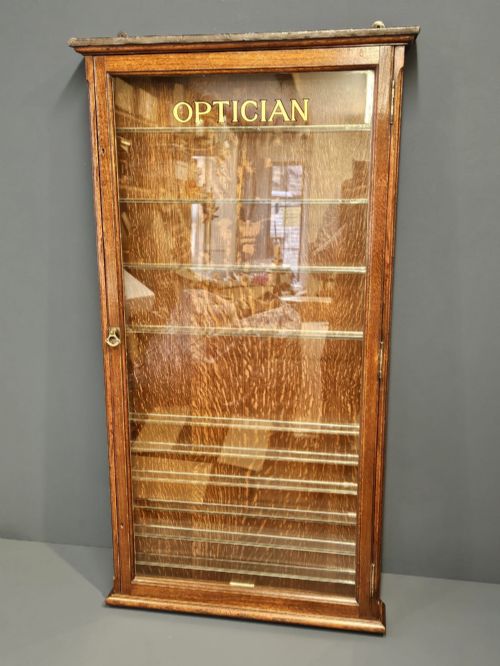
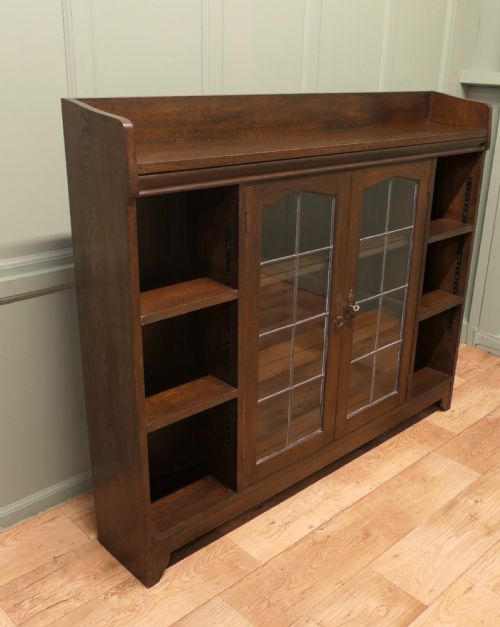
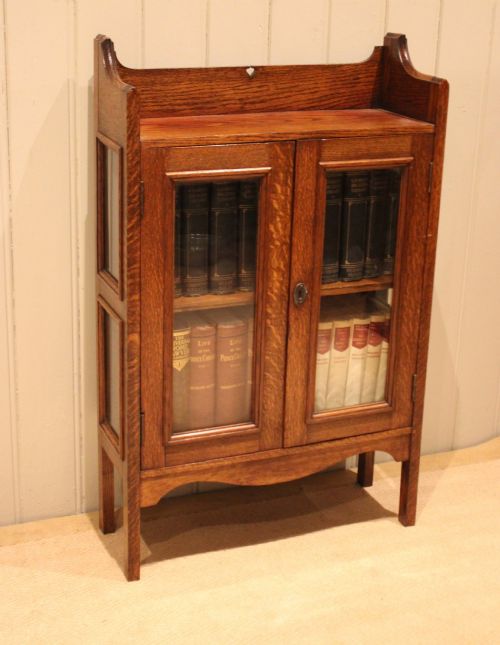
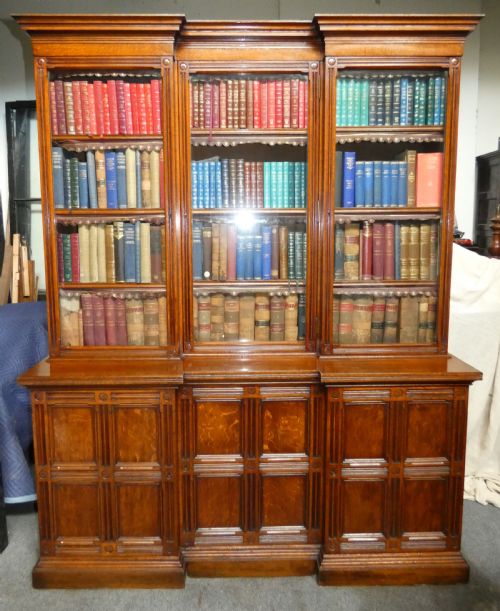
When searching for an edwardian oak display case, buyers encounter a sturdy group of glazed cabinets, bookcases, and shop display pieces originating around the early twentieth century. These furnishings combine domestic utility with the straightforward lines typical of the period, often incorporating open shelving or leaded glass doors.
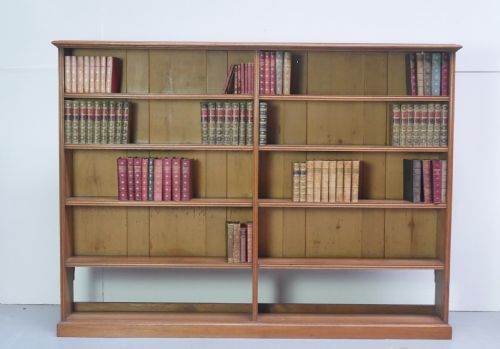
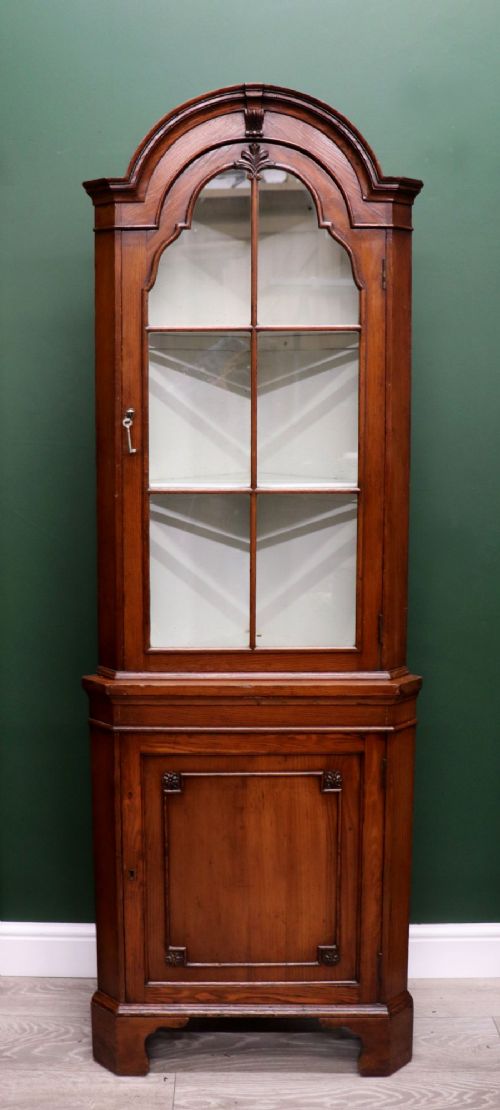
The archive shows these works appearing alongside floor-standing library cabinets, countertop showcases, and corner cupboards. The most frequent examples rely on solid oak frameworks built to house books, china, or small collections behind protective glazing.
Materials and construction
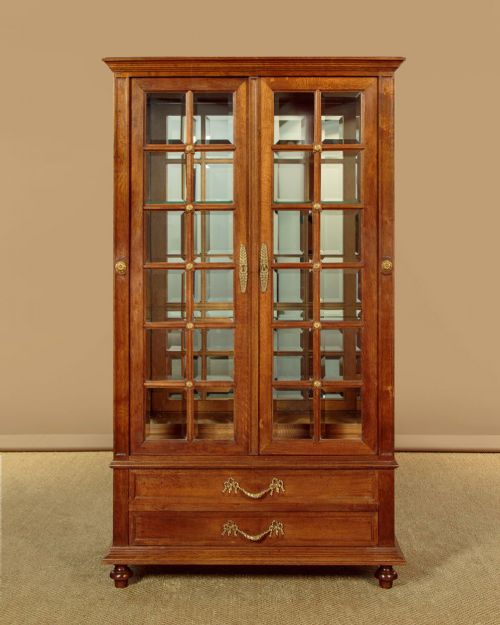
Makers utilised solid oak, often chosen for its pronounced grain, paired with clear or leaded glass panels to enclose the display area. Brass fittings such as hinges, handles, and drawer pulls appear regularly, alongside internal fabric linings in specific countertop and shopfitting pieces.
Joinery methods of the era favoured durable construction, visible in framed glazed doors, bevelled glass panes, and occasionally carved ornamentation. Retail counters and shop display cases often incorporated functional drawers for charts, signage, or small inventory.
Edwardian Oak Display Case Retail Price Guide 2026
Typical asking prices for edwardian oak display case among the pieces listed under this phrase on Sellingantiques today, from the lower quarter to the upper quarter. They describe what is for sale here now, not the wider market.
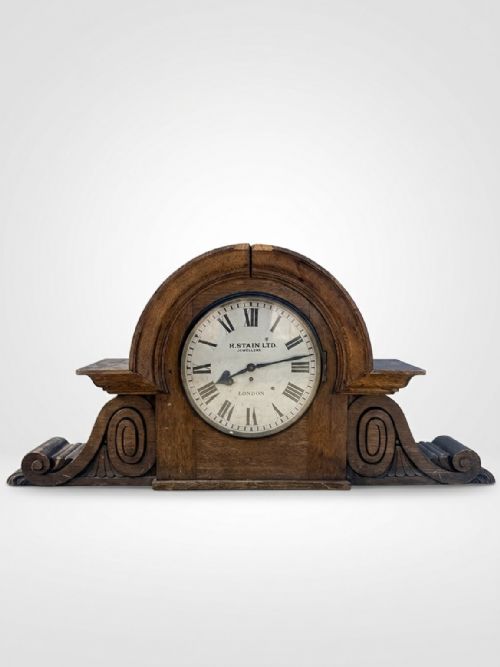
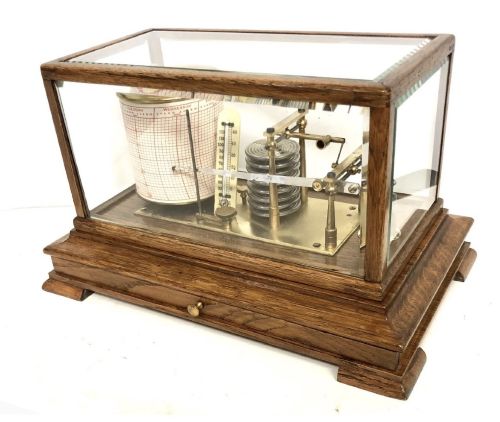
Object types include barographs, taxidermy domes, bookcases, mantel clocks, and pipe smoking cabinets alongside standard display cases.
Distinctions in craftsmanship
The standard of an edwardian oak display case rests upon the selection of timber and the precision of the glazing. Stronger examples feature carefully matched oak grain, substantial brass hardware, and well-fitted leaded or bevelled glass that remains secure within its frame.
Simpler utility items contrast with retail shopfitters' cabinets and pieces bearing specific maker details, which generally exhibit heavier construction and more refined joinery. The presence of integrated drawers, original fabric backing, and intact structural integrity elevates the piece.
F. Sage & Co·Aitchison
The Edwardian Oak Display Case Glossary
- Edwardian
- A stylistic period spanning the reign of King Edward VII and the early 20th century, characterised by lighter furniture forms than the preceding Victorian era.
- Leaded glass
- Small panes of glass held together by strips of lead cames, frequently seen in cabinet doors from the period.
- Barograph
- A meteorological instrument housed in a wooden case with a glass cover, recording barometric pressure over time.
- Bijouterie
- A low display case or table with a glazed top used for holding small valuables and ornaments.
- Countertop display cabinet
- A compact shop showcase designed to sit on a retail counter for customer viewing.
Edwardian Oak Display Case: Frequently Asked Questions
How were these cases originally used?
These cabinets served both domestic and commercial purposes, holding books, ceramics, and personal collections in homes or merchandise in shops.
Countertop versions and larger retail fixtures allowed merchants to present goods clearly to customers while protecting them from dust and handling.
Where should I place a display case?
A floor-standing or corner cabinet works well in a living room or study where natural light can illuminate the contents through the glass doors.
Smaller countertop models suit placement on sideboards or tables to highlight specific collections of small objects.
How do I identify an Edwardian piece?
Edwardian items typically display lighter oak tones and simpler structural lines compared to heavier Victorian furniture.
Dates cluster around the early 20th century, often indicated by Arts and Crafts influences or utilitarian retail design.
What items look best inside?
Books, ceramics, and small curiosities complement the warm tones of oak and the transparent glazing of the cabinet doors.
Historical items matching the period, such as clocks, barographs, and natural history specimens, maintain a consistent aesthetic.